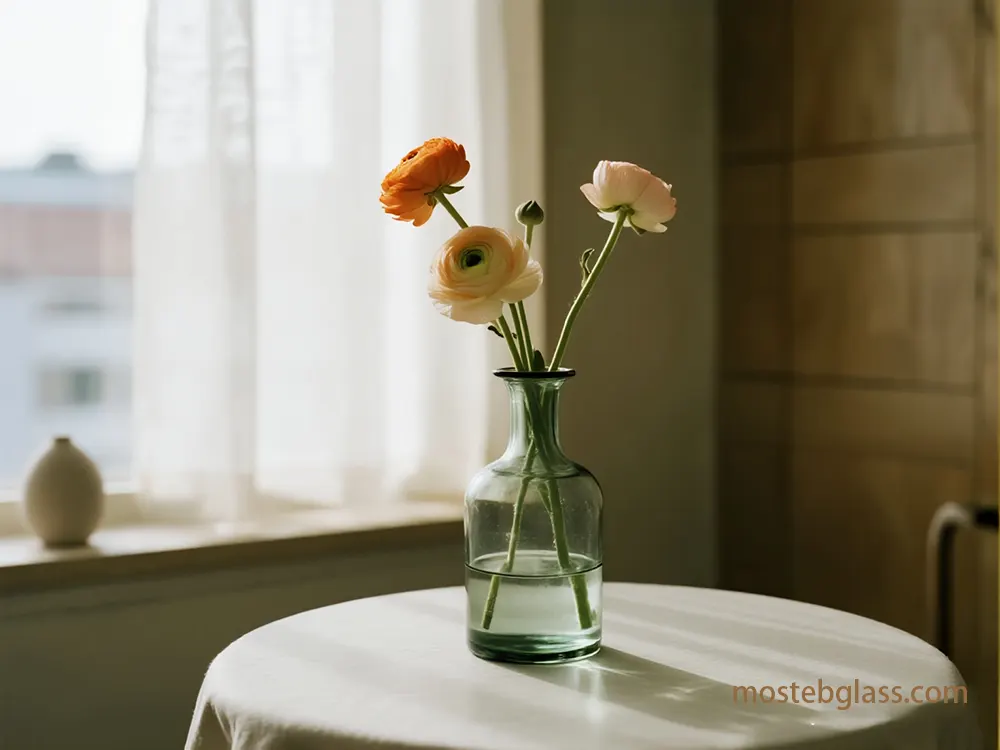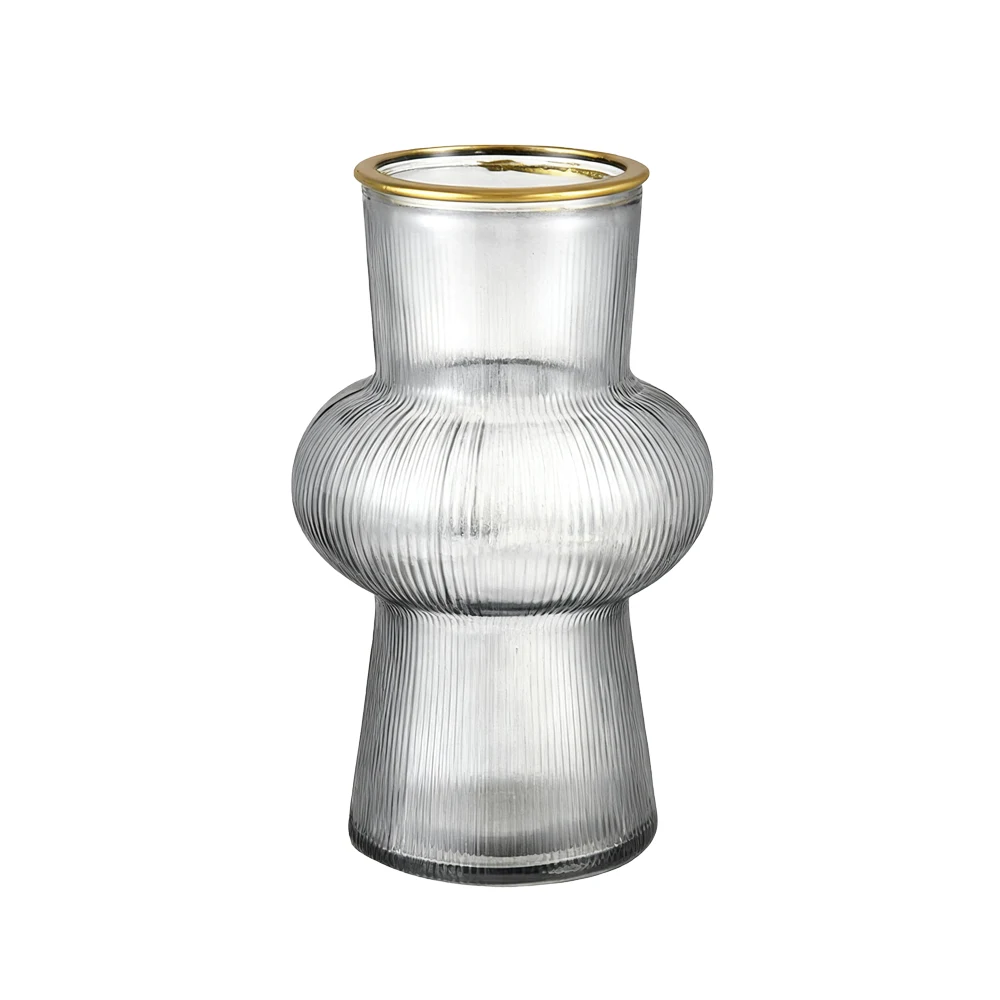
The report discusses the important trends and strategic requirements of the budding vase suppliers to succeed in 2026, considering the innovative design, agile operation and sustainable practice as the competitive advantage and long run development.
1. Emerging Vase Market: 2026 Prospects
Potential suppliers of vases are new innovative companies that have niche orientations and have current consumer values. By 2026, the global vase market forecasts continue to grow due to urbanization, the growth of disposable incomes, as well as the increase in the desire to personalize the aesthetics of the home and biophilic design. The new entrants however have some obstacles such as high competition, unstable prices of raw materials, and complicated international supply chains.
1.1 The Landscape to be Defined as New Entrants
The emerging suppliers set themselves apart with either unique design, sustainable manufacturing, or a new type of distribution with frequent focus on the eco-conscious millennial or the design-conscious urban consumers focused on authenticity and ethical sourcing. The market is divided by the uniformity of mass production to the customized, hand-made, and small-run items, which offer favorable opportunities to the nimble players such as Mosteb, an upcoming supplier of vases with unique designs.
1.2 Major Growth Generators and Expected Obstacles
The expansion of the vase market is driven by the fact that the social media has enhanced home aesthetics, added pressure on fresh flowers and house plants, and the giving economy. The threats are financial uncertainty affecting unnecessary expenditure, chain of supply and market oversaturation which requires excessive brand investment and complicated international trade laws.
2. Innovation of a Product: Design, Materials and Functionality
The innovative features of products will be in the area of design, material science, and built-in functions that will be central to the new vase suppliers in 2026. Consumers want the pieces that narrate a story, express values, and add value to residential spaces.

2.1 Innovation in Design See-Insight and Shapes
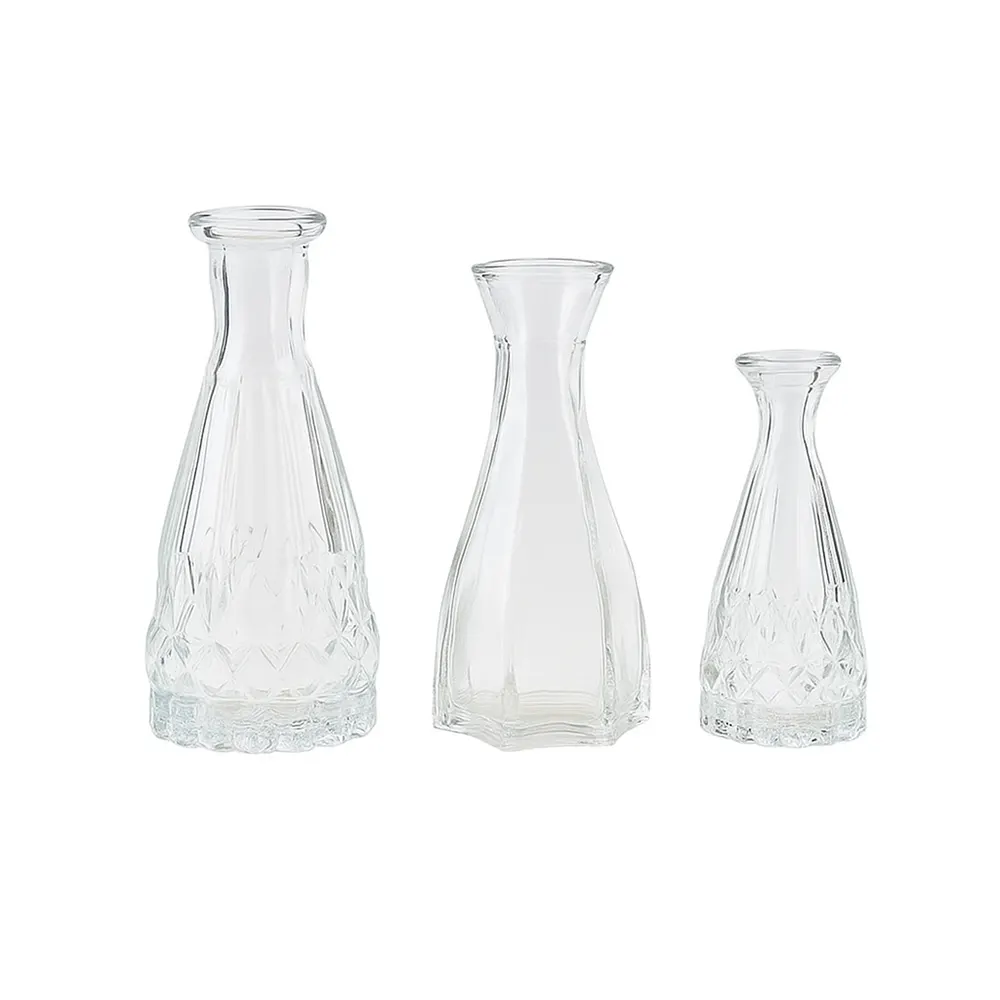
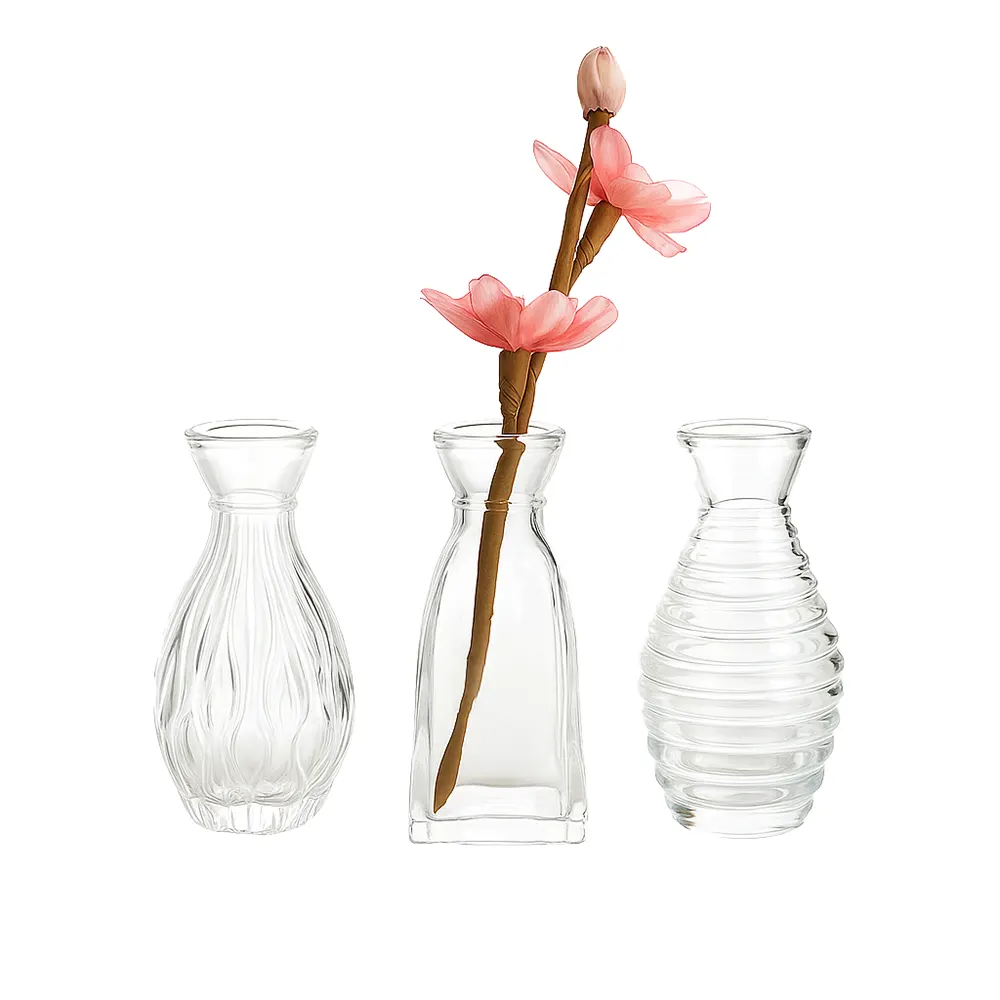
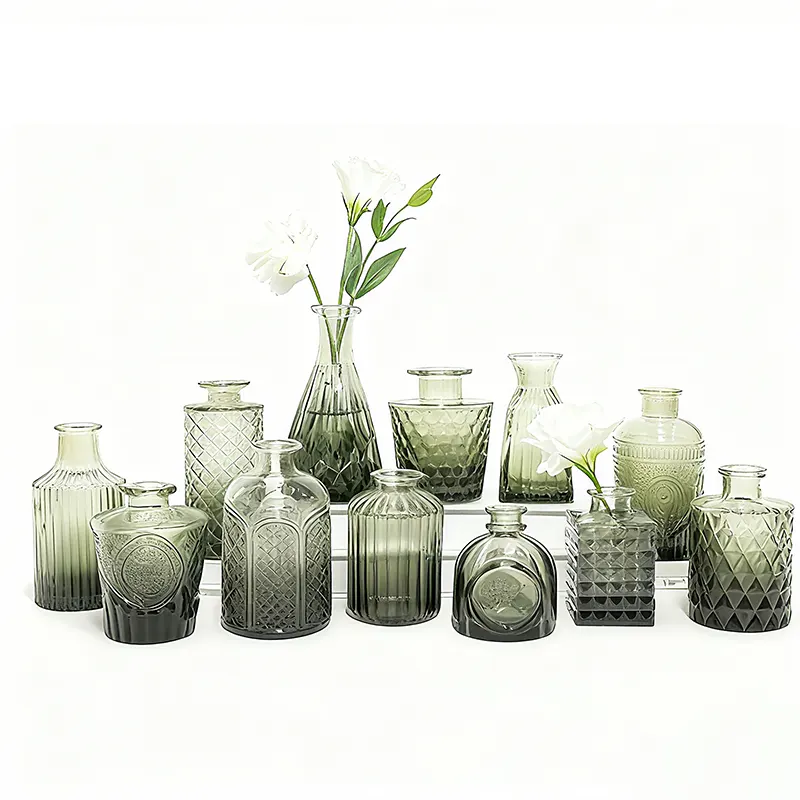
In the 2026 version, vase design incorporates minimalist beauty, organic shapes, and sculpture, and there will be an explosion in:
- Biomorphic & Organic Shapes: Vases that resemble natural shapes (waves, layers of the rocky ground, plant structures) will become popular, having uneven shapes and having natural textures, which correspond to biophilic design.
- Sculptural/Architectural Forms: Vases are now becoming works of art. Brutalist architecture, abstract sculpture or geometric minimalism designs are popular among those who want statement decor. Multi-aperture and modular design structures are versatile.
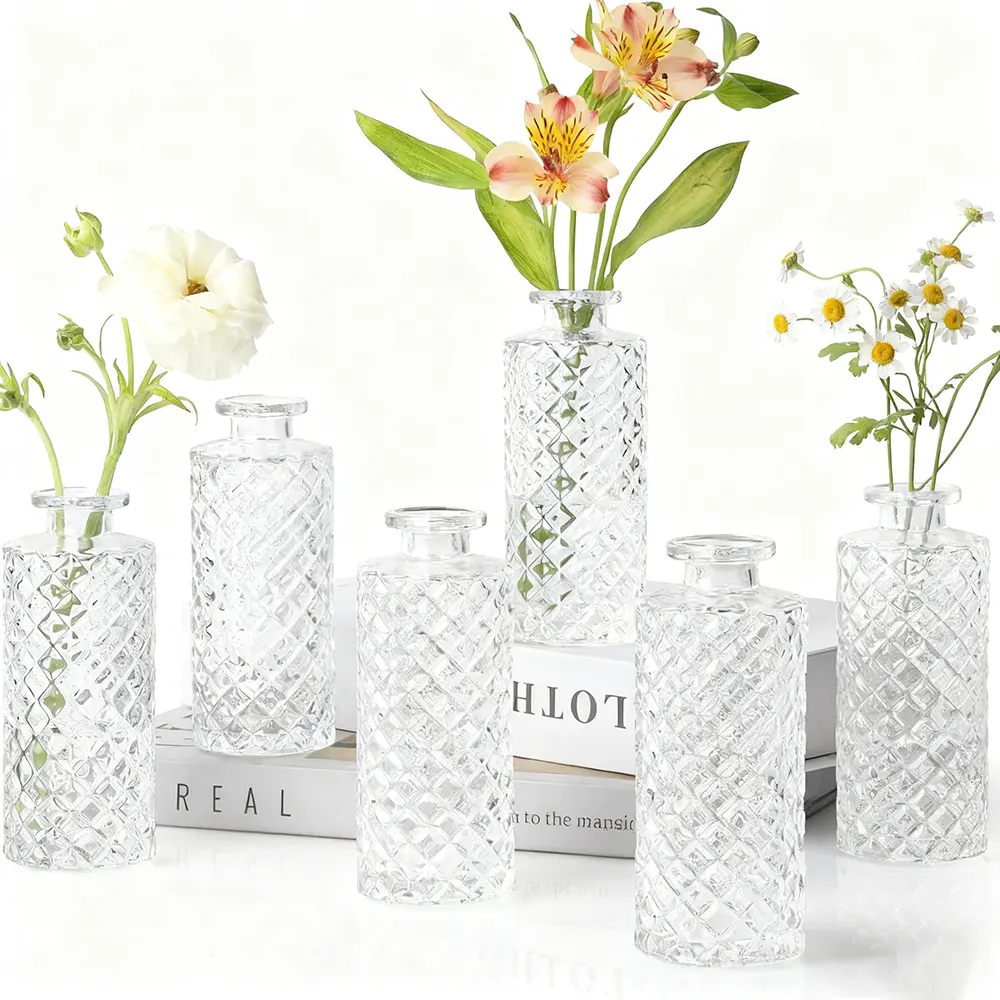
- Textural Richness: Adding sensory value is done by experimentation with tactile surfaces, matte, ribbed, sandblasted or reactive glazes.
2.2 New Application Materials and Green Alternatives
Material palette has been enlarged to include more than conventional ceramics and glass, which has been inspired by aesthetics and sustainability.
- High-tech Ceramics and Composites: Suppliers are finding new formulations of ceramics, beyond ordinary stoneware, to be more durable or lighter in weight or to possess a new surface. Recycled aggregates, natural fibers (hemp, bamboo), or mycelium-based composites become an increasingly popular choice in terms of eco-credentials and unique looks.
- 3D-Printed Materials: Additive manufacturing transforms the prototype process and small-scale manufacturing to enable complex geometries and bespoke designs. The materials include recycled plastics (rPET, PLA), bio-based polymers, and ceramic pastes that no longer depend on design constraints to create but also enable it and generate less waste.
- Recycled & Upcycled Content: There is an increase in demand of products made of recycled glass, plastic or industrial waste. Suppliers are innovative in converting waste materials in to gorgeous useful vases, which attracts the eco-conscious customers.
2.3 Smart Features & Modularity
There is subtle smartness and modularity that provide competitive advantage.
- Smart Features: Subtle LED illumination or passive self-watering features do not complicate the product, but add value to the user experience.
- Modularity & Customization: Interchangeable parts (base, necks, inserts) of the vases can be customized or adapted to different setups to achieve maximum utility, and will be attractive to the personalization principle.
3. Digital Reach: E-commerce and the Direct-to-Consumer Strategies
The suppliers of the vases that are emerging require a strong digital approach. There is no match to the reach and control of the brand narrative and customer relationships offered by e-commerce and D2C models.
3.1. Utilizing Online platform and Social media
Vases are visual in nature and therefore can be presented online.
- E-commerce Sites: Shopify, WooCommerce, and Etsy are still used in D2C sales, and they are scalable. The incorporation with such platforms as Amazon Handmade or dedicated design websites increases access.
- Visual Social Media Dominance: Instagram, Pinterest, and Tik Tok are essential in terms of displaying products. The quality of photography, lifestyle content, user-created content, and collaboration with influencers promote awareness and purchases. Short video that is versatile is useful.
- SEO and Content Marketing: It is essential to optimize product listings and website content with keywords (e.g., “minimalist ceramic vase”) to be placed in the organic search. The posts about the tips of arrangement using flowers or sustainable decor on blogs generate traffic and build a thought leadership.
3.2 Direct Sales Models, Customer Engagement
The D2C model is the model where customer relations are established directly, feedback is collected and the journey of the customer is regulated.
- One-on-one Customer Experience: D2C will allow personal marketing, personalized suggestions, personalized support, which will create loyalty by emailing, loyalty programs, and early access.
- Community Building: By building a community around social media or interactive content, the customers become advocates and a platform is created to receive feedback and co-create.
- Information-Based insights: Direct sales offer very enriched information on preferences, buying behavior, and distribution and guides the product development and marketing.

4. Sustainability at the Core
Eco, Conscious Production & Sourcing By 2026, sustainability will be a necessary and non-negotiable expectation of consumers. The new suppliers of vases must implement a green, conscious approach to all the processes of their value chain to have a chance to survive and prosper.
4.1 Recycled, Renewable and Biodegradable Materials
The first and the most influential measure is Material Choice:
- Recycled Content: Recycled glass, post, consumer plastic, or reclaimed wood will reduce the demand on the new resources and waste levels.
- Clear labeling: this will foster an atmosphere of trust between the consumer and the company.
- Embracing Renewable Resources: Bamboo, cork, or fast, growing timber with a sustainably managed forest are some of the renewable alternatives. Bio, based plastics derived out of corn starch or sugarcane are also gaining momentum.
- Biodegradable & Compostable Options: One way to act on the circular economy is to introduce biodegradable packaging and, where available, use a material that can degrade safely and be recycled into nature.
4.2 Principles of Circular Economy and Waste Minimization
In a trend toward linear models, suppliers are exploring closed, loop systems, that is, to collect and reuse old products into new products; this could be achieved through take, back programs, and by using lean manufacturing and being efficient in how the materials are cut, and recycling the internal scraps of the product.
4.3 Supply Chain Ethical Management and Transparency
Consumers scrutinize ethical footprints, demanding transparency in sourcing and labor.
- Fair Labor Practices: Ensuring fair wages, safe conditions, and ethical treatment for all workers. Certifications like Fair Trade provide assurance.
- Local Sourcing & Production: Prioritizing local or regional suppliers reduces transportation emissions and supports local economies, allowing greater oversight.
- Supply Chain Traceability: Implementing systems to track materials from origin to product helps mitigate risks. Blockchain technology is emerging for immutable traceability.
5. Agile Operations: Supply Chain & Manufacturing Evolution
Agility will be crucial in enabling the new vase suppliers to overcome the uncertainties of the market, tastes, and maximize expenses in 2026.
5.1. Supply Chain Management Change
Localized data networks, resilient networks, and traditional supply chains that is built in a linear manner replace one another.
- Diversification and Redundancy: A supplier base that is diversified in various regions and one that has developed a redundancy will come in handy to help you withstand the disruptions.
- Nearshoring or Reshoring: When manufacturing is located nearer to the markets, it gives more lead times, costs and carbon footprints and better control.
- Digital Supply Chain Tools: AI, artificial demand forecasting, real time inventory monitoring, and predictive analytics optimize inventory, minimize waste and enhance responsiveness.
5.2 Regionalized manufacturing and customizable manufacturing methods
The responsiveness and ecofriendliness of suppliers is made possible by localization and flexible production.
- Micro, Factories, Artisanal Production: Small, local, are able to use skilled artisans or fabricated digitally, allowing customization, a rapid ability to shift, and lower minimum order quantity are possible, which is beneficial to the niche market.
- On, Demand Manufacturing: 3D printing allows to create something when required, thereby, large stocks are removed, and the chances of having unsold merchandise are low, which is an excellent option in terms of custom or limited, edition releases.
- Modular Production Lines: This involves designing production processes that can easily be modified and there is increased freedom to the company and less time is wasted during the process of moving to the new change.

5.3 Operational Efficiency as a means of Cost Optimization
Long term cost optimization is all about operational efficiency.
- Lean Principles: The lean manufacturing is used to eliminate waste in its various forms.
- Energy Efficiency: Energy utilization, use of efficient machinery, renewable energy, and the use of heating/cooling that is optimized not only reduces expenses, but also the impact on the environment.
- Repetitive Tasks Automation: The deliberate automation improves the consistency, reduces labor expenses, and freeing up of skilled labor to more challenging, value, added work.
6. Strategic Growth: Niche Identification & Market Entry
For a new vase supplier, strategic growth is largely dependent on locating niches that are underserved, creating a strong brand, and preparing for investment.
6.1. Identifying Lucrative Market Niches
NichesSpecializing is the main source of success most of the time.For example, targeting urban apartment dwellers (smaller, multi, functional vases) or luxury collectors (high, end, artisanal pieces).
- Aesthetic Niches: Concentrating on a single design style (e.g., Scandinavian minimalist, Japandi) helps to establish a strong brand identity.
- Functional Niches: Creating vases for certain uses (propagation stations, self, watering planters).
- Material, Specific Niches: Becoming recognized as a specialist in a certain material (recycled ocean plastic, hand, blown borosilicate glass).
Here’s a comparative overview of potential niche strategies:
| Niche Strategy | Target Audience | Key Differentiator | Potential Challenges |
| Luxury Artisanal | High-net-worth individuals | Exclusivity, craftsmanship | High production costs, limited market |
| Sustainable & Eco-Friendly | Environmentally conscious | Recycled/renewable materials | Higher material costs, certification |
| Minimalist & Functional | Urban dwellers, modern design | Clean lines, versatility | Market saturation, strong branding |
| Biophilic Design | Plant enthusiasts, wellness | Organic forms, natural textures | Design complexity, material sourcing |
| Smart & Tech-Integrated | Early adopters, tech-savvy | Integrated lighting, self-watering | R&D costs, adoption curve |
6.2. Creating Brand Presence and Storytelling
The key to making a connection and being different are based on a strong brand story.
- True Brand Narrative: Explain the purpose of the brand, values, and origin of the brand. Storytelling about how it is made, what ethics sourcing is, or just how passionate the company is.
- Consistent Visual Identity: Brand the company as the go, to expert in the industry by articles, open sessions or joint ventures.
6.3 Growth and Investment Positioning
New suppliers need to have a clear, long, plan on how to grow business and interest investors.
- Scalable Business Model: The company will be expected to organize its operations in such a manner that they will be able to effectively serve an expanded demand without the quality and profitability of the products/services being affected.
- Strategic Partnerships: It can contribute to the business to gain more clients and gain more trust by collaborating with the interior designers, florists, or other brands that are not direct rivals. Growth can also be achieved by wholesale relationships.
- Demonstrable Market Traction: The key success metrics that can be used to persuade investors include consistent sales growth, positive reviews, and high engagement.
- Intellectual Property Protection: Companies can deter the competition by registering or patenting a unique design to gain extra value in the long-term.