1. Executive Summary
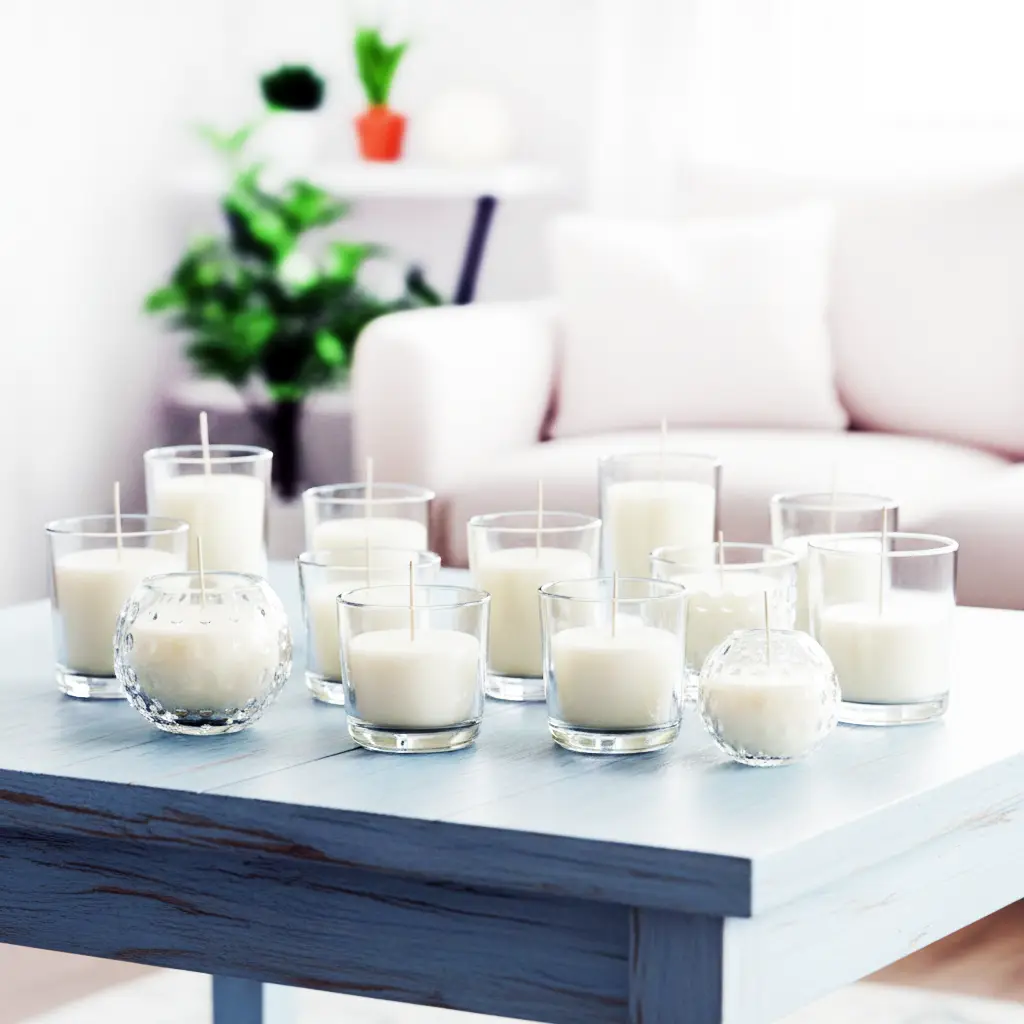
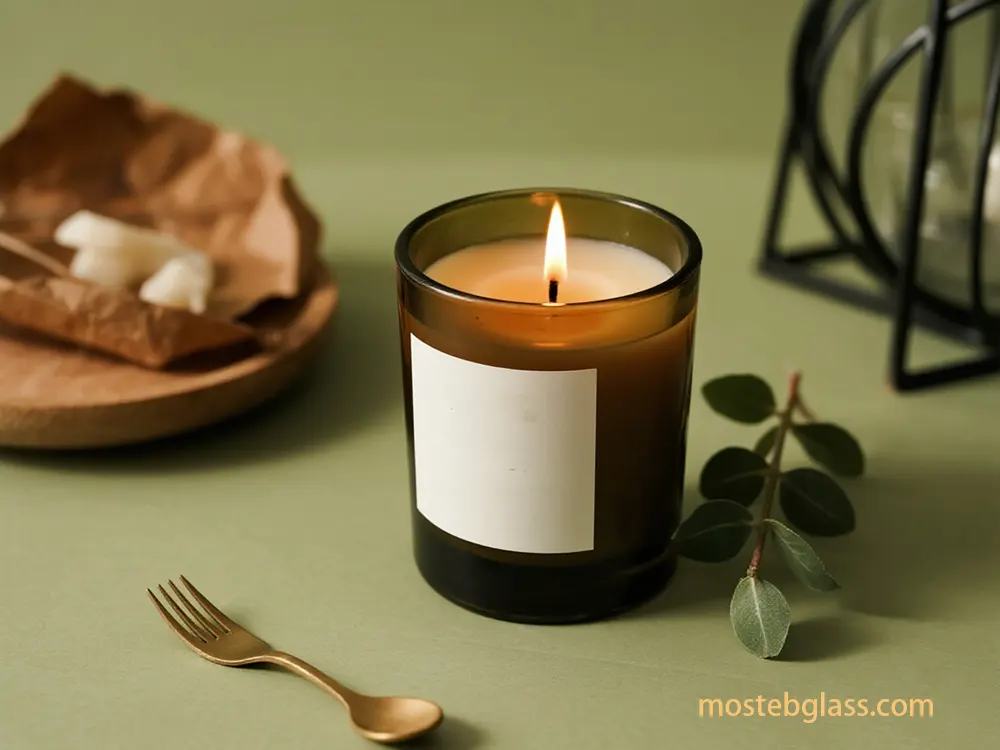
Sustainability is now a widespread, common need in the candle business. Candles now come in packaging that is increasingly recyclable, reusable, and responsibly sourced, as it is expected by retailers, private label brands, and consumers today.
The selection of eco friendly candle jars wholesale is a conscious choice for candle manufacturers and fragrance brands, serving not just the environment, but also the business, by enhancing the image and positioning of their brands, fulfilling regulatory standards, and engaging the eco-conscious consumer.
We will discuss the reasons behind the growing adoption of sustainable candle jars and strategies for brands to adopt greener packaging solutions without compromising on aesthetics and performance.We will delve into the why behind the rise of sustainable candle jars and how brands can make their packaging more sustainable without sacrificing on aesthetics and performance.
2. Defining the "Eco-Friendly" Imperative in Candle Packaging
Environmentally friendly wholesale candle jars include a holistic approach to reduce environmental effects in product life cycle beyond simple recurrence.
Major features defined by environmentally friendly candle packaging include:
- Recyclaability: The material is processed in new products, reducing waste. Recycled glass, for example, there is a cut of 20% in air pollution and 50% in water pollution.
- Recycled materials: Post-conjumer (PCR) or post-Industrial (PIR) content. The GRS certifies products with 20% recycled material (50% for GRS label). Using recycled glass reduces the energy by 20–30%.
- Re -purpose: Designing packaging for many uses, such as refillable systems, expands lifespan and reduces new production.
- Biodegradation/compostability: Materials that are naturally decomposed in organic materials without harmful residues (eg, plant-based bioplastic).
- Low carbon footprints: reduce GHG emissions from local sourcing, energy-efficient production and often from extraction to settlement to disposal.
- Ethical sourcing and transparency: Sour material from responsibility, free from exploitation, clear original and production details. Brands reveal wax, fragrance and Vik origin.
- Non-toxic yogas: Free from materials and harmful chemicals (eg, PFA, phthalates) affect health or environment.
- Certificate: Adherence to recognized standards (eg, FSC, GRS, B Corp) provides third-party verification and manufactures trusts.
Mosteb integrates these characteristics in its offerings and supply chains, which develop bulk demands.

3. Market mobility and wholesale section analysis
The wholesale market for environmentally friendly candle packaging is growing strongly, powered by consumer preferences, technological progress and regulatory changes.
3.1. Consumer preferences and demand
Consumers prefer stability, a focal point. 2025 trends include the candle jar content, which includes stability, privatization and innovative design, which has zero-illiterate options such as refillable jars to obtain tractions. Durable, cleaner-burning soy, coconut, and Demand for Beswax candles, are often seen as premium gifts.
- Wax preferences: plant-based wax (soy, coconut, rapeseed) are Akshay, biodegradable options. The coconut wax offers excellent fragrance throw and clean burn.
- Fragrance preferences: Aromatherapy candles with essential oils are popular.IFRA and REACE compliance ensures safety and minimum environmental impact.
- Packaging preferences: Consumers seek recycling jars, biodegradable wraps, and minimum, plastic-free packaging. Glass glass is a popular eco-friendly choice. Scaric, bamboo and aluminum are also obeying favor.
3.2. Regional insight
- North America: The largest part of the environmentally friendly candle market (38%), high disposable income and welfare products are inspired by popularity.
- Europe: The candle box is expected to lead with 5.8% CAGR in the market and for accounts for ~ 30% of the environmentally friendly candle market, showing strong preference for natural yogas.
- Asia-Pacific: Accounts for 20% of the environmentally friendly candles market and are estimated to be rapidly growing area (CAGR 8.3%), which reflects rapid expansion and increasing income.
3.3. Wholesale section idea
Wholesale suppliers like Mosteb are important for permanent packaging infections in segments:
- Small-batch artisans: face MOQ challenges. Cooperative purchases, special suppliers (eg, glassnow), and distributors.
- Large -scale manufacturers: Profit from scale economies but should navigate complex supply chain adjustments and regulatory compliance of the new European Union.
Private Label Brand: Look for aligned, customized, permanent solution with brand identity. Mostb offers eco-friendly options.
Constant demand for candles in the form of lifestyle items, luxury sales, and gifting trends enhance the need for high quality, customized, permanent packaging in all wholesale areas.
4. Primary Driver Inspiration For Permanent Packaging
Many important forces increase quick changes in the jars of environmentally friendly wholesale candles, which create urgency and opportunity.
4.1. Consumer demand and moral consumerism
Consumer preference for permanent products is a paramount driver. The 2023 trivium packaging study found that 82% of consumers are ready to pay more for durable packaging, average 12% premium (although companies often charge 28%).
- Demographic changes: Young consumers (Millennials, Jean Z) are highly attached to moral consumption; 90% of General Z will pay more for permanent packaging.
- Transparency and belief: Consumers demand claims of verification, authentic stability, make transparency important. Sexual intercourse is a barrier for 46% of consumers.
- Brand Loyalty: Sustainable packaging brands enhances reputation, promotes loyalty, and advocates.
4.2. Regulatory pressure
Global governments are implementing strict rules to curb packaging waste and promote circular economy principles. PPWR of the European Union, effective 2025, is a historical example.
- Major mandate: PPWR makes all packaging mandatory as recycled or recycled, with a decrease of 5% by 2030, 10% by 2035 and 15% by 2040.
Recycled material target: Plastic packaging should have minimum PCR by 2030. - Extended manufacturer responsibility (EPR): PPWR emphasizes EPR, transferred financial and operational responsibility for producers, encourages permanent solutions.
- Design requirements: Packaging should reduce weight and volume by January 1, 2030, while ensuring functionality and recurrence, potentially standardize aesthetics.
- Restrics: January 1, 2030.Pfas, a single-use packaging (eg, disappointed fruits/vegetarian, plastic food/drink) planned ban 2026 banned in food contact packaging.
These rules force manufacturers and wholesale suppliers, including the mostb, to adapt to packaging, products and logistics.
4.3. Brand discrimination strategies
Permanent packaging provides powerful brand discrimination, attracts conscious consumers towards the environment and creates a positive image.
- Storytelling: It is important for adoption and belief of stability through clear eco-labeling, storytelling and third-party certification.
- Avoiding greenwashing: brands must be transparent and authentic, to avoid vague claims. It is necessary to reduce claims with verification facts and reliable third-party certificates (eg, FSC, GRS, B. Corp).
- Innovation showcase: Sustainable packaging innovation allows brands to stand out, demonstrating environmental commitment.
4.4. Cost capacity and supply chain flexibility
While the initial investment may be higher, long -term cost capacity and increased supply chain flexibility are important drivers.
- Energy Saving: Using recycled glass reduces energy consumption by 20–30% due to low melting temperature. Revitalization glass increases by 10% 2.5–3% energy saving.
- Reduction in cost of raw materials: recycling glass decreases virgin content; The recycled glass takes place of 1 kg ~ 1.2 kg of virgin material.
- Waste reduction: Reductions waste management costs for reuse/recycling packaging and designing.
- Incentives: Recructure equipment and recycled materials further reduce tax incentives and grant costs.
- Supply chain flexibility: local sourcing transport reduces costs and environmental impact, supporting local economies.
These benefits are in a state of environmentally friendly candle jar as a strategic imperative for wholesale stakeholders, supporting this transition through permanent products and expertise with Mosteb.
5. Innovation in environmentally friendly materials and design for candle jars
Environmentally friendly candle packaging is growing rapidly, material is powered by science and design innovation, which makes the durable option more viable, beauty and functional.
5.1. Innovations in Materials
5.1.1. Post-Consumer Recycled (PCR) Glass
PCR glass is the cornerstone of durable candle packaging.
- Benefits: Energy consumption reduces 20-30% and CO2 emissions by ~ 58% when replacing 100% virgin material. Landfil replaces waste.
- Market growth: The global PCR glass market was estimated to have 2.12 billion WASD in 2024 in 2024, which was estimated to reach USD $ 3.15 billion up to 2032 (CAGR 6.0%).
- Cost analysis: While early processing costs may be higher, long -term benefits (low energy, raw materials, waste disposal) often make it competitive.
- Challenges: The contamination in the recycling currents can affect quality, although sorting technology is improving.
- Mosteb offers: Mosteb prefers PCR glass, fulfills the jar that fulfills high standards for recycled materials and beauty appeals (eg, transparent, vintage amber).
5.1.2. Plant-based bioplastics
Many brands are working with different plant-based materials, while glass is the most favored material for high quality candle packaging due to its strength, resistance to heat and its recyclability.

5.1.3. Other permanent materials
- Ceramic, bamboo, and aluminum: beauty offers and durable characteristics. Bamboo is durable and biodegradable.
- Continuous paperboard and craft: For external packaging, craft paper and recycled boards are preferred, often with biodegradable ink and adhesive.
5.2. Innovations in Design
5.2.1. Advanced Refillable Systems
Refileable systems are important for waste deficiency and circular economy.
- Modular design: Patent system (eg, glass jar viosable from bamboo base) simplifies cleaning and refilling, allowing easy wax refill replacement.
- Wax refill formulations: Accurately shaped refills are basically fit in the retired locations.
- Logistic challenges: The wholesale refill system requires strong reverse logistics (collection, cleaning, redistribution). Companies like Arber offered such systems.
- Consumer Incentive: Rebate to return the containers used promotes a circular economy.
5.2.2. Beauty and functional enhancement
- Minimum aesthetics: Clean lines, neutral colors and simple shapes remain popular.
- Luxury finish: Metallic accents, hand-blow glass and unique texture premium appeals.
- Functional innovation: Improvement in double-wall jar provides heat protection; Smart closures increase integrity.
- Digital Integration: Product information, use tips, and disposal instructions on QR code and AR packaging, increase engagement without bulk.
Mosteb integrates these materials and design innovations, which ensure its environmentally friendly candle jar wholesale offerings in stability, performance and aesthetics.
6. Strategic Implications and Recommendations for Wholesale Stakeholders
Changes in the environmentally friendly candle jar offer challenges and opportunities. Successful navigation requires a commitment for active strategies and stability in the price chain.
6.1. Suppliers selection and participation
- Priority to certified suppliers: Mosteb for materials and procedures participants with suppliers such as the recognized environmental certificate (eg, FSC, GRS, B. Corp).
- Demand transparency: The origin of the material, recycled materials and clear documentation on manufacturing are required. Transparency creates faith and avoids greenwashing.
- Local sourcing: Develop local/regional supplier relations to reduce transport costs, low carbon footprints and support local economies.
- Cooperative Development: Durable solution for partner co-development with innovators.
6.2. Logistics and inventory management
- Adapt to transport: Use software for efficient routes, reducing fuel and emissions. Explore alternative transport mode.
- Seasonal Demand Planning: Data Analytics takes advantage of the peaks (eg, nov-life) to customize stock and reduce waste.
- Reduction in waste in operation: Re -introduce additional wax, sticky jar and overstock material. The broken jar can be raised or recycled.
- Efficient storage solutions: optimize the warehouse layout for reusable packaging.

6.3. Marketing and communication strategies
- Authentic Story: Clear and authentically communicate stability. Use specific language (eg, widely recycled packaging “) and provide settlement details.
- Leverage certificate: Highlight the third-party certificates on packaging and marketing to make the trust and difference.
- Educate consumers: Use packaging (eg, QR code), websites and social media to educate environmental benefits, proper disposal and recurrence programs.
- Avoid greenwashing: Be honest about achievements and areas for improvement. Reputation of loss to misleading claims. Mostb advises partners on the real stability message.
6.4. Investment and innovation
- In new materials R&D: Investment or partners investing with R&D for heat resistant bioplastic, advanced PCR glass processing and innovative refill technologies.
- Circular Economy Infrastructure: Inflammation in infrastructure Influence Supporting Refill, Rees, and Explore Advanced Recycling System.
- Financial Sustainable Initiative: Innovative financing options (eg, packaging financing, grant, crowdfunding).
6.5. Embrace of circular economy principles
- Design for disassembly and reass: Easy decisam, cleaning, and recycling/recycling jars and packaging design jars and packaging.
- Apply refill and returns programs: Offer encouragement to return empty jars, create a closed loop system that reduces waste and promotes loyalty.
- Line the packaging components: Reduce unnecessary elements (eg, plastic windows), select for minimal designs.
Mosteb, a major provider of environmentally friendly candle jar wholesale, helps stakeholders by offering diverse certified permanent products, transparent supply chains, and best practice advice to empower businesses in this developed scenario.
7. Conclusions: Unavoidable future of permanent candle packaging
Consumers are now expecting sustainable candle packaging, and this is becoming the norm and not the exception. Companies that are proactive in adopting circular materials, reusability and transparency in their materials sourcing are in a better position to build customer trust and meet future regulatory needs.
Our team at Mosteb designs and produces eco-friendly candle jars wholesale solutions, offering a blend of sustainability, superior design, and manufacturing support.