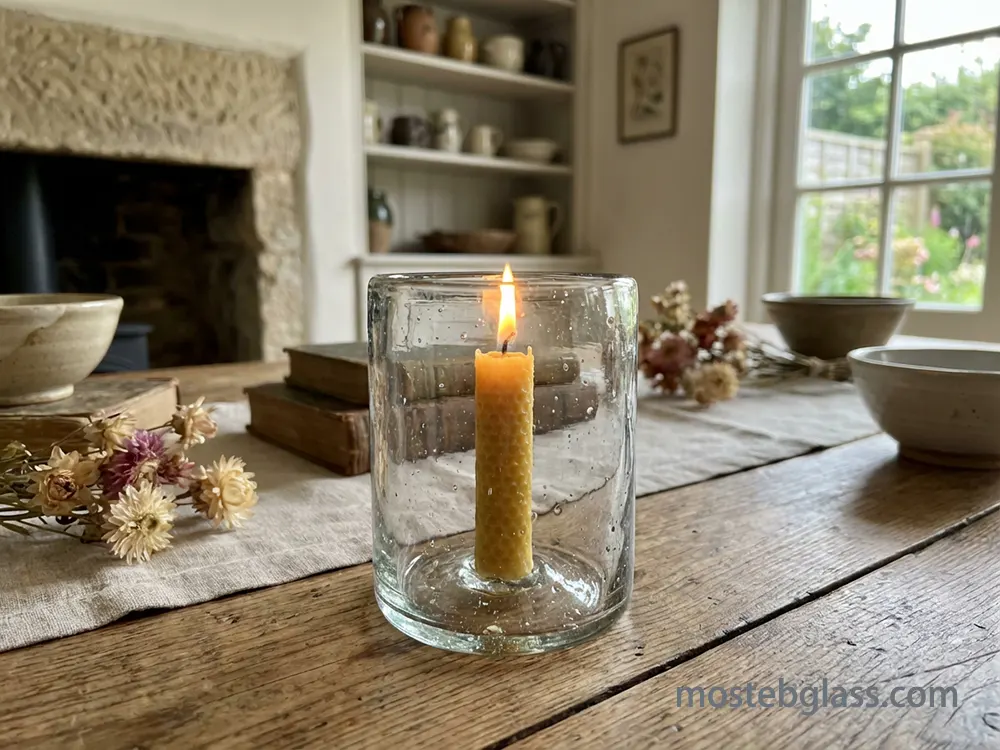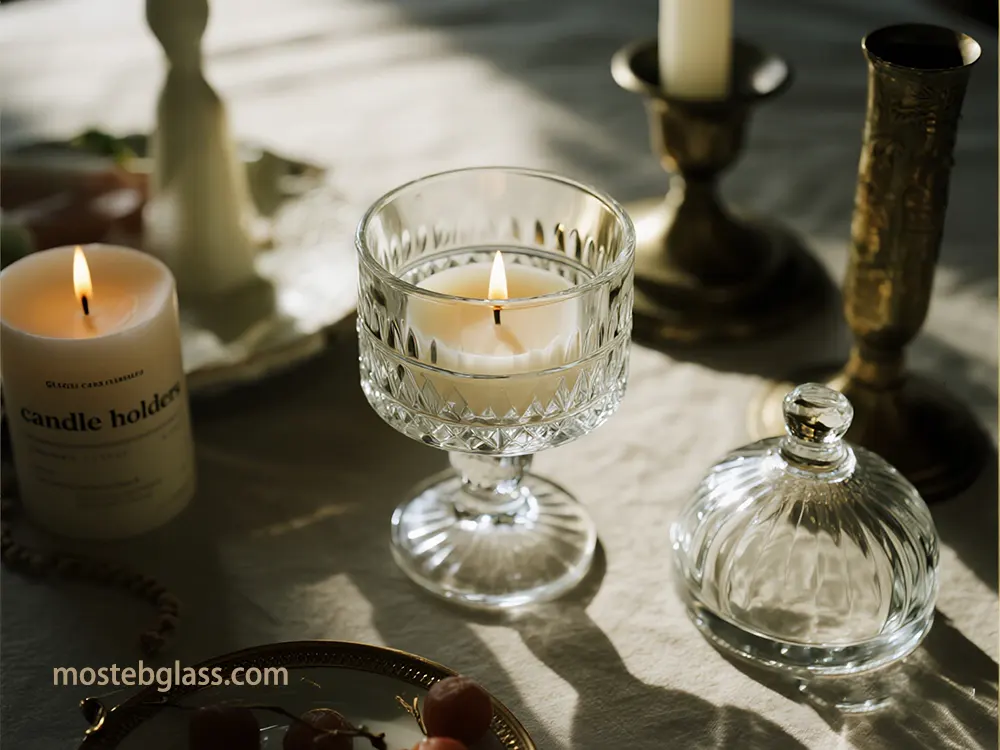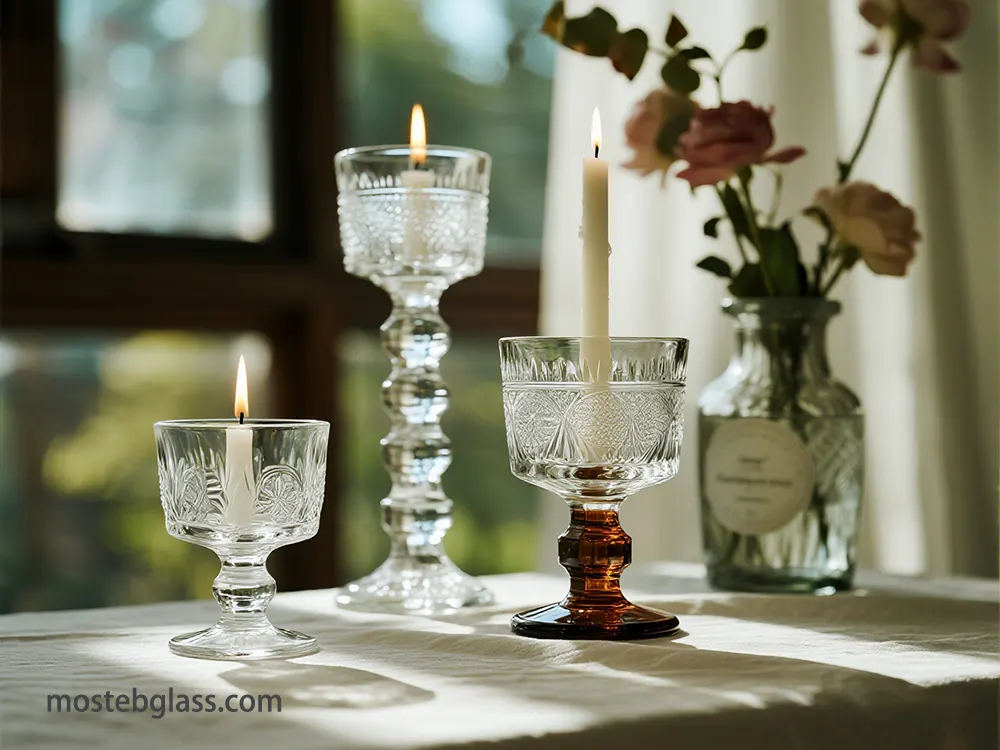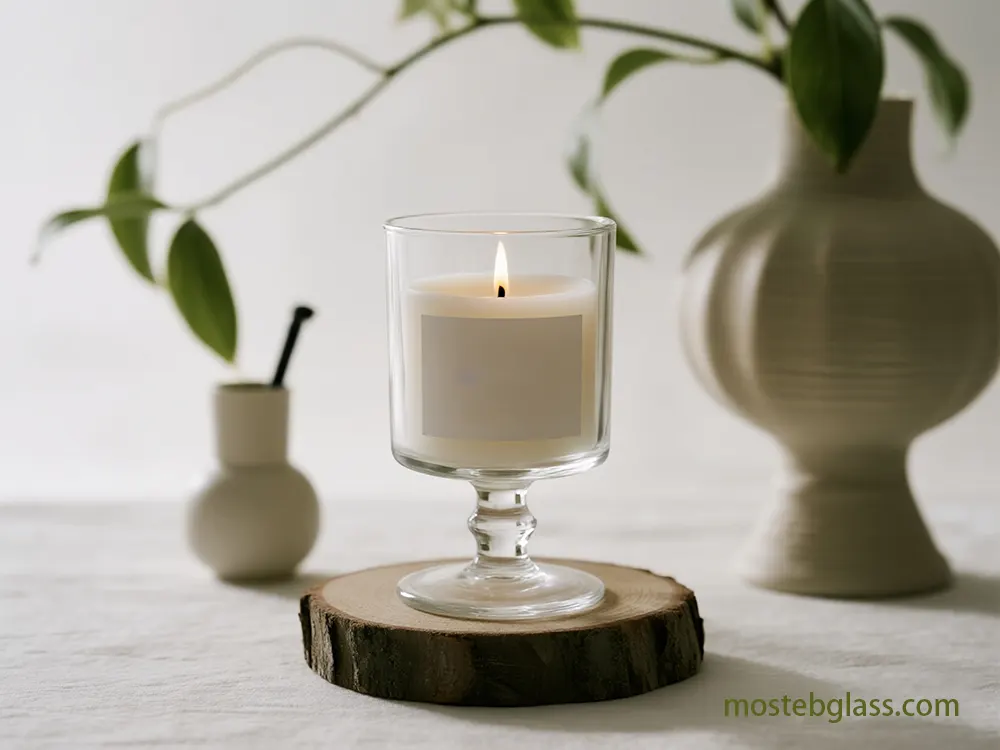
Mosteb is a glass candle jars wholesaler and serves brands and distributors in search of reliable long-term supply, flexibility in customization and consistent quality. In 2026, the glass candle jar market is undergoing transformation due to consumer preferences, sustainability demands, and improvements in production and distribution technologies. These changes are impacting the buying process in numerous ways, ranging from jar design and customization to sourcing and supply chain management.
1. Market Overview & Dynamics
The candle jar segment is predicted to expand steadily in the coming decade owing to the demand for high quality home fragrance, wellness items, gift items and decorative candles. Glass is still a popular choice due to its beauty, durability, recyclability and high-end look that spans the candle brands.
- Driving forces: Popular home décor, wellness and aromatherapy products, and the growing popularity of e-commerce are among the several drivers of the candle market, as are the market for candle-gifting and the increasing consumer spending.
- Challenges: Fire-safety regulations are also a challenge, as is the fragility of glass during transportation, the volatility of raw material prices and the consistency of glass quality in large orders.
- Regional Landscape: North America is still a significant market for high quality candles and home fragrances, and Europe is still very design and sustainability focused. The Asia-Pacific region is also becoming significant as the drive for urbanisation, e-commerce and consumer spending propel the home fragrance and decorative products market.
- Segments: There are product segments, such as the straight-sided glass candle jars, which are still in use due to their simple design, efficient filling procedure, and their use in various types of candles. They come in a variety of sizes, from travel and gifting containers to larger jars for multi-wick candles and decorative collections.
2. Evolving Consumer Preferences & Product Design
The modern consumer goes for conscious luxury, which means that he/she prefers high-quality, ethically produced, and environmentally friendly products. Environmental friendliness is no longer a niche requirement, but rather a measure along with unique aesthetics for individual expression.
Consumer Preference Impact on Product Design:
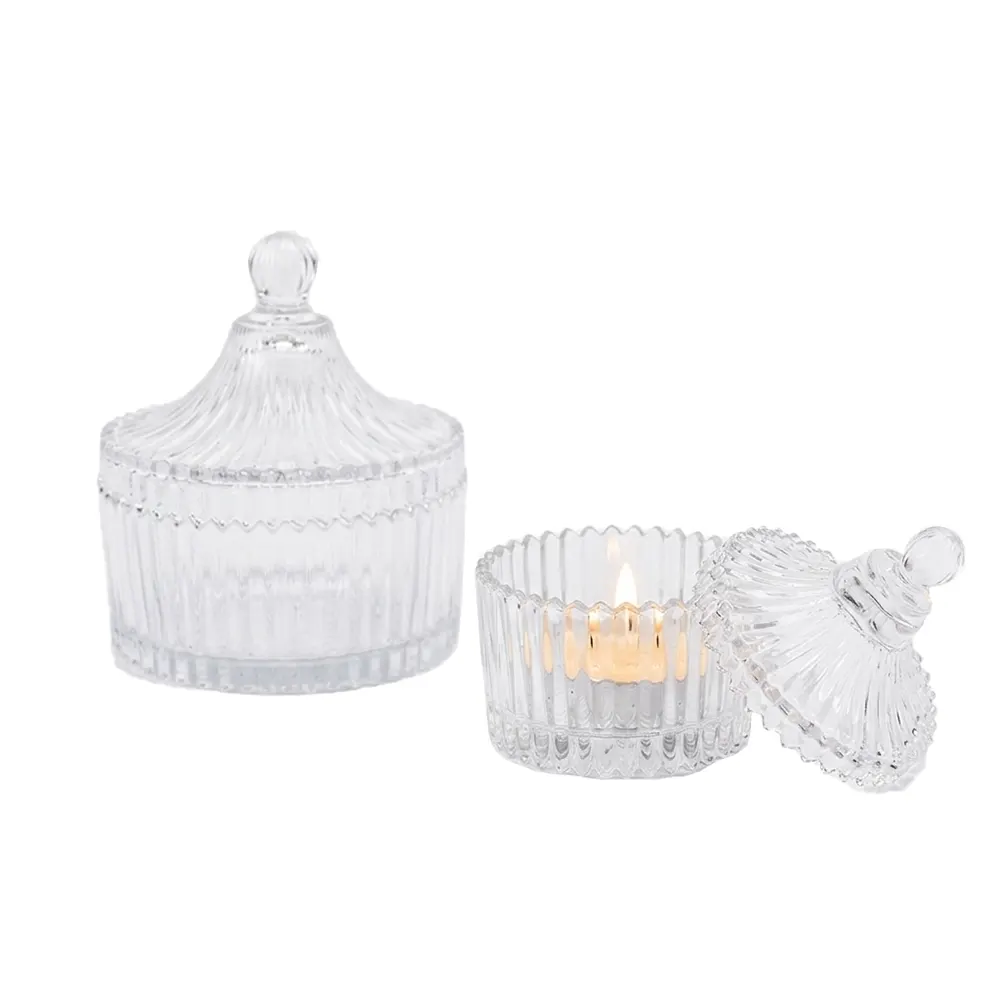
- Refillable/Reusable Jars: Manufacturers and brands are starting to use refillable and reusable jars as part of their circular packaging initiatives and to cut down on waste.
- Natural Waxes: The rising popularity of soy, coconut and beeswax means candle jars that can accommodate high-quality natural-positioned candle products are in greater demand.
- Emotional/Wellness Driven Designs: Candle packages are more and more being crafted to foster a sense of relaxation, consolation, remembrance, and luxurious.
- Multi-Wick Candles: larger container designs are emerging as multi-wick candles are becoming decorative pieces in the interior of the home.
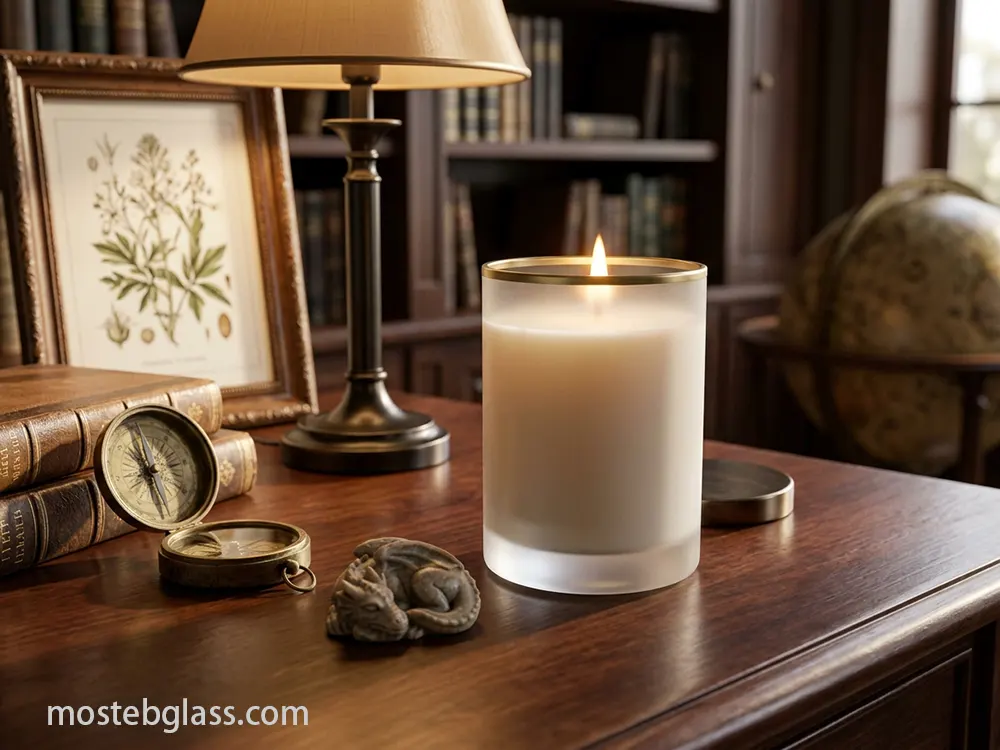
- A Variety of Luxury Finishes: Many luxurious finishes are popular, such as metallic, frosted, iridescent and matte.
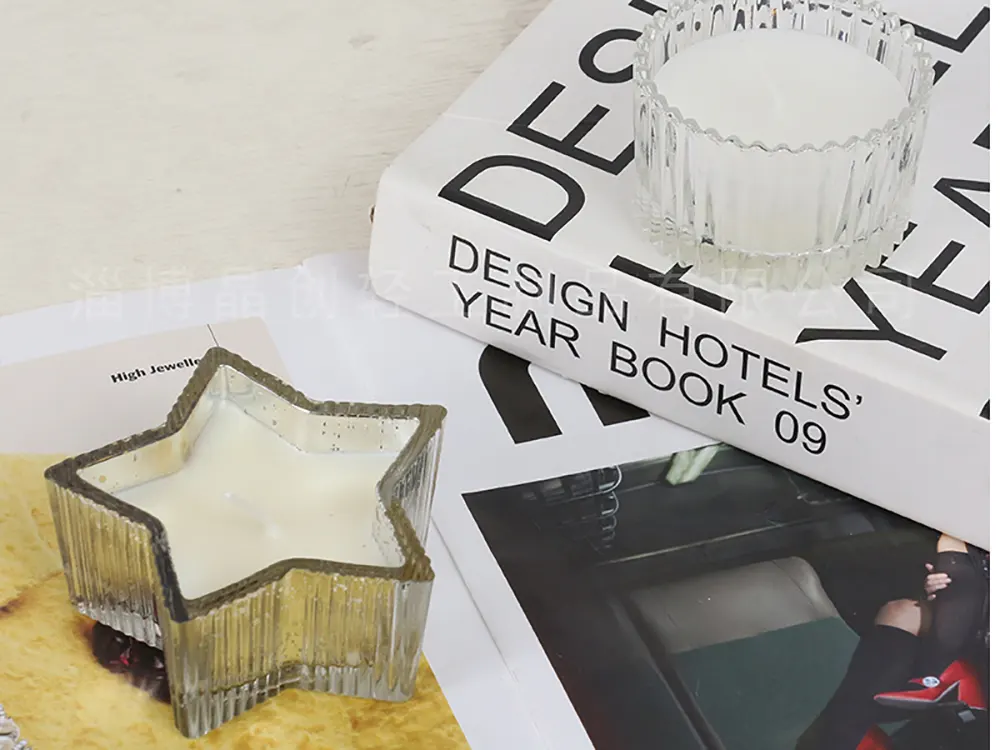
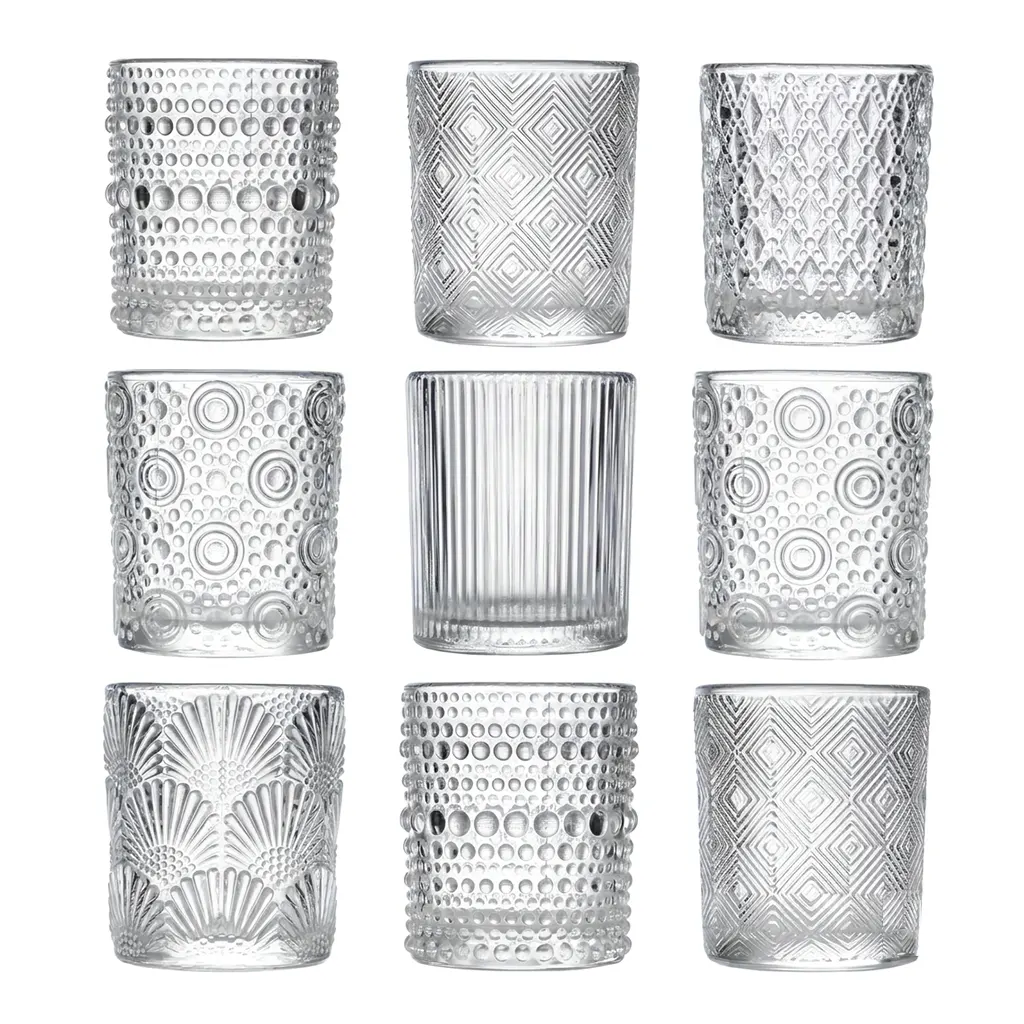
- Changing Forms: The market is slowly shifting away from the old straight-sided jars into faceted, geometric and sculptural forms.
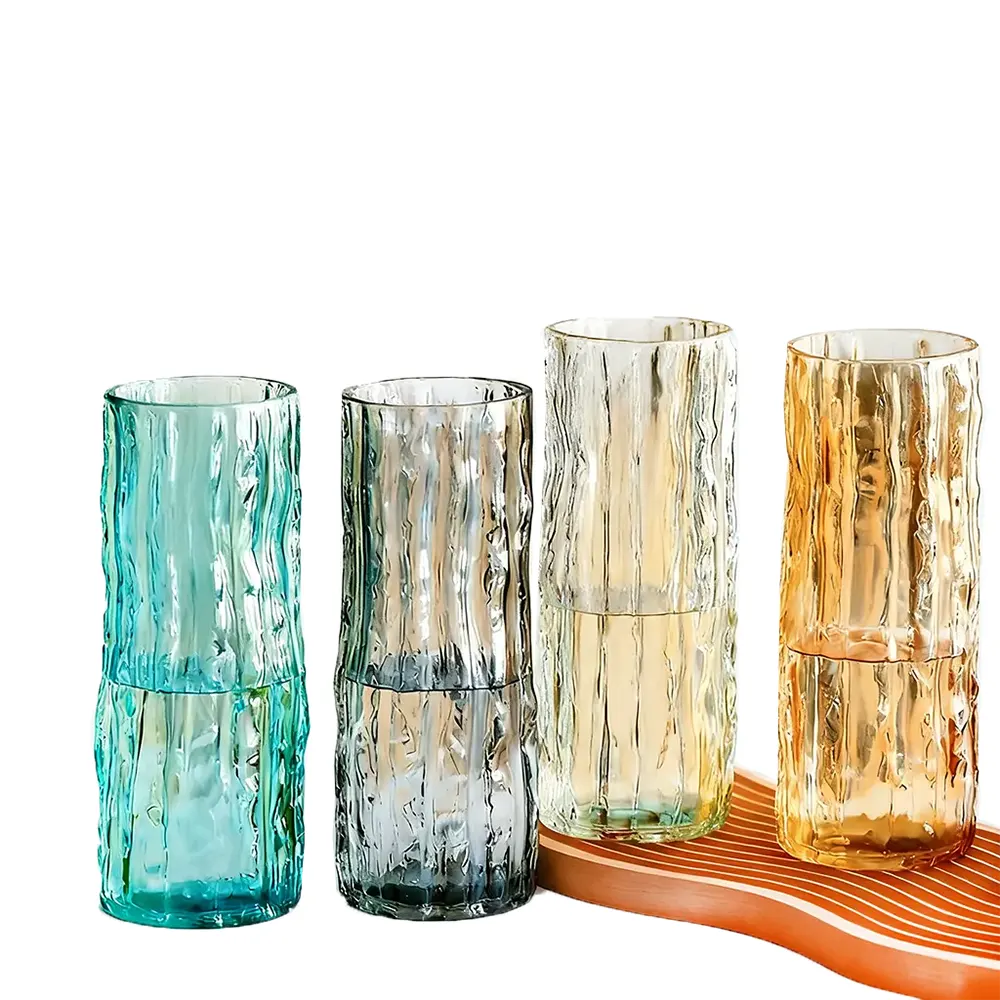
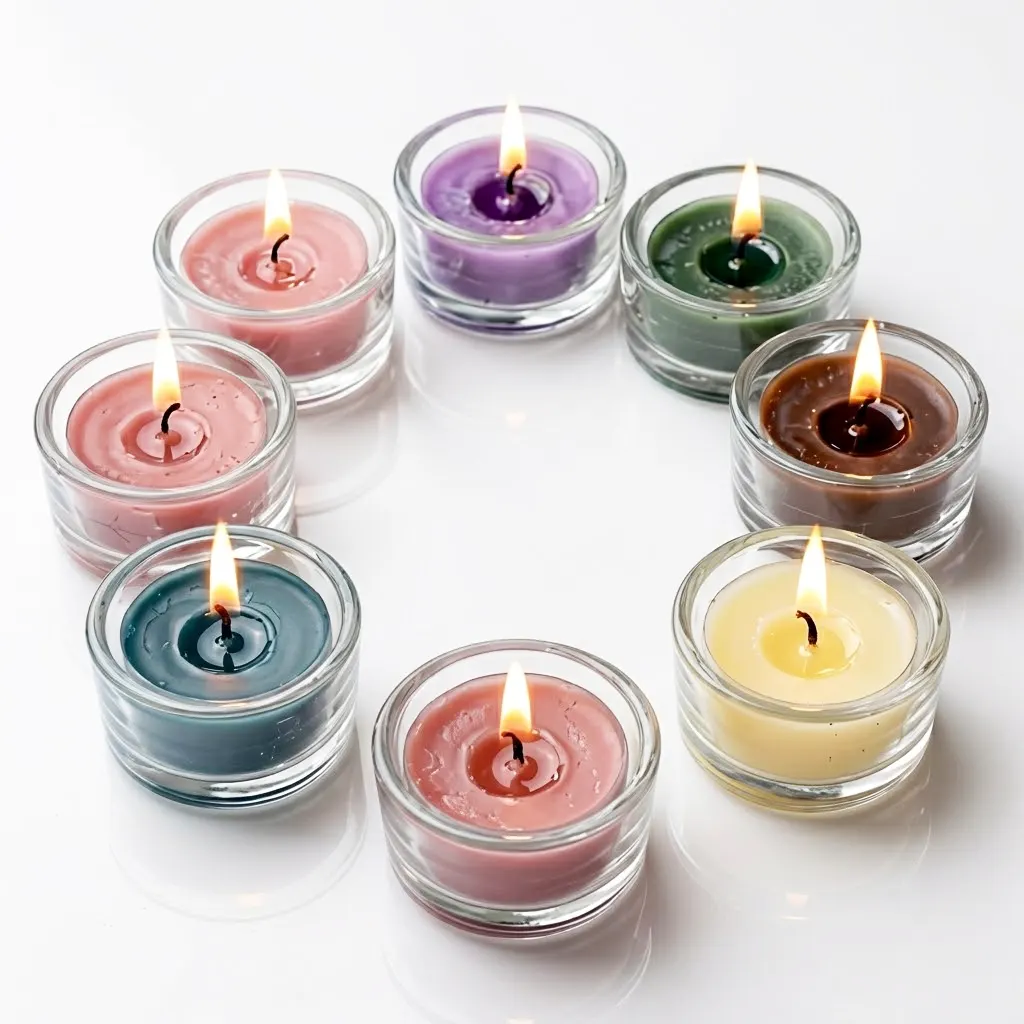
- Expansion of Color Palettes: Amber is still popular, pastel colours and jewel tones are becoming popular in the premium packaging for candles.
- Customization: Personalization is gaining a lot of importance and people are looking for engraved logos, custom labels, color-matched finishes and special lids in various materials like wood, metal, and cork.

3. Sustainability Imperative in Sourcing & Materials
Sustainability is becoming an increasingly important consideration for wholesalers when selecting glass candle jar suppliers and packaging materials.
- Recycled Content: Increasing the use of recycled glass, or cullet, can reduce the need for virgin raw materials and lower the energy required for glass production. Buyers should ask suppliers about recycled content, material sourcing, and how sustainability targets are incorporated into their manufacturing processes.
- EU Regulations (PPWR 2025/40):The EU’s Packaging and Packaging Waste Regulation (PPWR) which will come into effect in mid-2026 will be signed by:
- Extended Producer Responsibility (EPR): Financial responsibility regarding product packaging goes to the producers.
- Heavy Metal Limits & PFAS Prohibition: Along with strict heavy metal regulations, the PFAS ban comes into effect.
- Universal Recyclability: The packaging should be recyclable; glass recycling goals are 70-75% by 2030.
- More stringent Inspection of Importers: Importers and other economic operators need to ensure that packaging entering the EU market meets applicable regulatory and documentation requirements.
4. Supply Chain Resilience & Operational Adaptations
The worldwide supply chains endure severe difficulties, which necessitate the concerted effort of wholesalers to adjust their strategies and tactics.
- Logistics Disruptions: Port congestion and labor shortages are the chief reasons for the current shipping problems. On top of them, there are geopolitical events like the crisis in the Red Sea that leads to delayed shipments, bottlenecks, and high shipping costs.
- Regionalization Strategies: The risk management of supply chains can be done through regionalization strategies such as nearshoring (80% US, 47% EU companies) and reshoring (22% EU) which allows to shorten the lead time, reduce transport emissions, and also improve the level of visibility.
- Inventory Management: Wholesalers are turning to measures such as safety stock, keen forecasting, and bulk purchasing. FIFO ensures that the most perishable goods are used first. Sophisticated software at its best is efficient in monitoring and facilitating.
- Geopolitical Influences: Trade struggles, tariffs (rates of 25-45% on some commodities), sanctions, and raised energy expenditure all are factors that shake the sourcing sphere and affect the costs.
- Technology Integration: The use of automation, robotics, and AI/ML to achieve the goal of “autonomous logistics orchestration” helps companies to boost their efficiency, obtain predictive analytics, optimize routing, and manage stock. Fully integrated digital ecosystems and control towers enable instant access to information.

5. Digitalization & E-commerce Impact on Distribution
Among the changes that were most profound through digital transformation, the distribution influence by e-commerce and the employment of state-of-the-art technologies is the major one.
- B2B E-commerce Platforms: These (Alibaba, Amazon Business, Shopify Plus) platforms are equipped with such features as bulk pricing, tiered discounts, and corporate accounts, which not only facilitate transactions but also make the business extend its reach globally.
- CRM/ERP Integration: The crucial point of the up-to-date data synchronization between sales, inventory, fulfillment, and customer service departments is the integration that is done seamlessly, thereby productivity is increased and customer experience is improved.
- AI Impact on Operations and Customer Experience: It offers just-in-time suggestions, pricing, and giving support that benefits customer loyalty and higher profits.
- Challenges: The digital transformation process is accompanied by problems such as: the difficulty of integrating the old and the new systems, management’s resistance to the idea of change, and the rivalry between D2C models increasing.

6. What These Trends Mean for Glass Candle Jar Wholesalers
Wholesale dealers need to implement proactive strategies in order to continue to thrive.
Competitive Differentiation:
- Environmentally Friendly Leadership: Sell 70-100% PCR glass, thus charging a 10-15% premium.
- Niche Specialization: Concentrate on utilizing the unique qualities of the design, finishing, or customization of the products for the luxury brands.
- Cost Leadership: This can be realized by means of efficient cooperation, streamlined logistics, and large-scale procurement.
- Product Extension: The product line may consist of multi-functional, refillable jars, and trendy accessories.
- Localization: Modify the products and supply chains according to the specific needs of each region.
Strategic Investment Areas:
- Automation & Digital Infrastructure: Use the money from the sales of the company to automate the warehouse, and also invest in e-commerce, CRM/ERP, and data analytics.
- Eco-Friendly Packaging: New Material source, lightweighting, and eco-design implementation.
- Innovative Glass Material: Collaborate with the manufacturer using LionGlass or electric furnaces.
- B2B E-commerce with Subscription Models: Upgrade the platform, thus making it easier for the customers to place recurring orders.
Risk Mitigation:
- End-to-End (E2E) Supply Chain Risk Management: Have in place the necessary equipment for recognition and solving of issues leading to interruptions.
- Cybersecurity: Improve the security system to prevent hacking attacks on data and hardware.
- Loss Prevention & Product Liability: Incorporate in your investment portfolio measures aimed at minimizing financial and reputational risks.
- Adjustment to Regulatory/Geopolitical Changes: Immediate adjustments to regulations and geopolitics and preparation of alternative plans.
Next-Generation Business Models:
- Co-creation with Brands: Work together to create unique desings and sustainable solutions.
- Value-Added Services through Strategic Partnerships: Provide “one-stop-shop” solutions such as (custom labeling, fulfillment) to your customers.
- 3PL Advantages: Third-party logistics will help you accomplish the complicated operations in a better way.
7. Horizon Scan: Emerging Trends Beyond 2026
Glass packaging sector will be influenced by long-range issues.
Hybrid/Electric Furnaces: Many factories will change to this type of furnace resulting in the halving of their CO2 emissions.
Ultra-Lightweighting: There will be new ways to not only make glass lighter but also stronger, thus the material and transport costs will be reduced significantly.
Smart Packaging Integration: Packaging will get smarter with:
- QR Codes and NFC Tags: For consumer engagement, traceability, and anti-counterfeiting.
- Augmented Reality (AR): Interacting with content through packaging.
- Thermochromatic Inks: Functional inks that indicate product status.
AI Optimization Across the Value Chain: AI’s role will broaden to:
- Production Optimization: On-line optimization of furnaces, raw materials, and energy.
- Quality Control: Extremely accurate flaw detection.
- Predictive Maintenance: Reducing the time when the equipment is not in use by foreseeing it will break down.
- Lightweighting & Carbon Tracking: Creating the most efficient structures and keeping track of footprints.