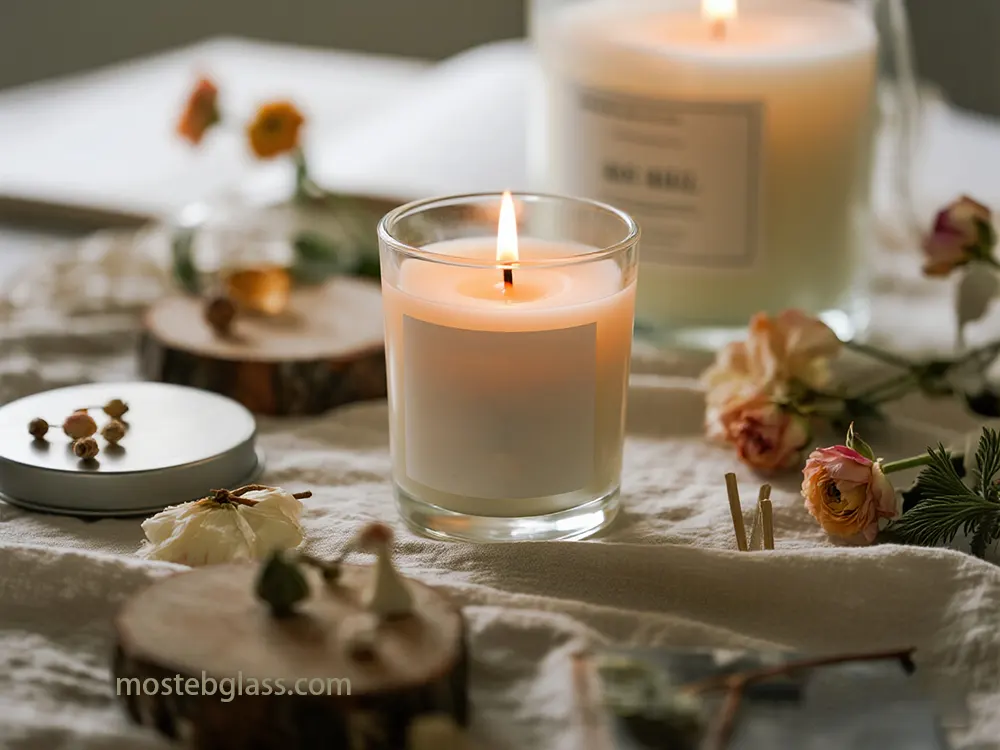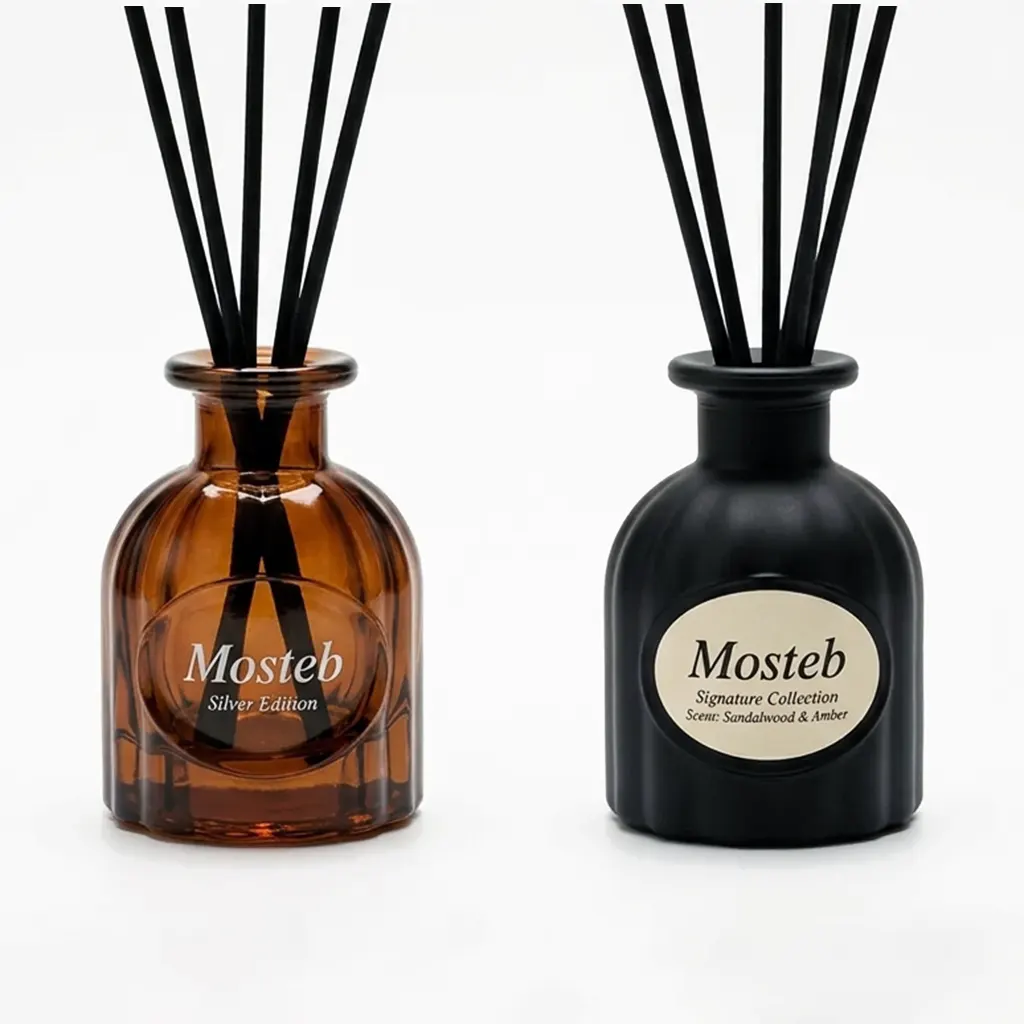
The glass candle jars customize has evolved to be a necessity as seasonal collections have moved from merely showcasing new scents to becoming the main factor in a brand’s recognition in the already saturated home-fragrance market. A modern consumer demands a complete experience—an aesthetically pleasing item with a story—which thus raises the vessel from being just a simple container to a clever branding tool. For brands that want to attract their audience and be able to set a premium price, the decision to glass candle jars customize is no longer a matter of choice but a necessity to stay competitive. This study uncovers the real strategic significance of custom glass vessels through the investigation of business cases, consumer psychology, and industry-leading innovations.
1. The New Competitive Arena: Seasonal Collections as Brand Anchors
The present candle market is a tough one with many new players entering every day and therefore, it is becoming increasingly difficult to distinguish one brand from another. In such a milieu seasonal or limited-edition collections have become the main battleground where brands vie for consumers’ attention and at the same time, they offer a recurring opportunity to revitalize brand identity and tell different stories.
The Shift from Scent to Sensory Experience
Once upon a time, a seasonal collection was considered to be solely based on the fragrance. This is no longer the case. Today, well-informed consumers require a total sensory experience, where the visual and tactile attributes are as much taken care of as the scent. The vessel is the first point of contact, setting the stage for the olfactory journey. A standard jar tells of a standard experience, whereas a specially designed vessel communicates that the brand cares, is of high quality, and has its unique perspective.
Establishing a Competitive Moat
If you are in a scented market where scents can be quickly copied, then having a distinctive physical shape is much more difficult to take away from you. By glass candle jars customize brands obtain a physical asset that is not easy to be copied by their competitors. Their “visual DNA” becomes their brand’s identity. For example, the vessels of Voluspa or Boy Smells can be likened to their logos in terms of recognizability. This visual ownership, therefore, acts as a strong competitive moat, allowing the brand to be safe from private label and fast-follower brands.
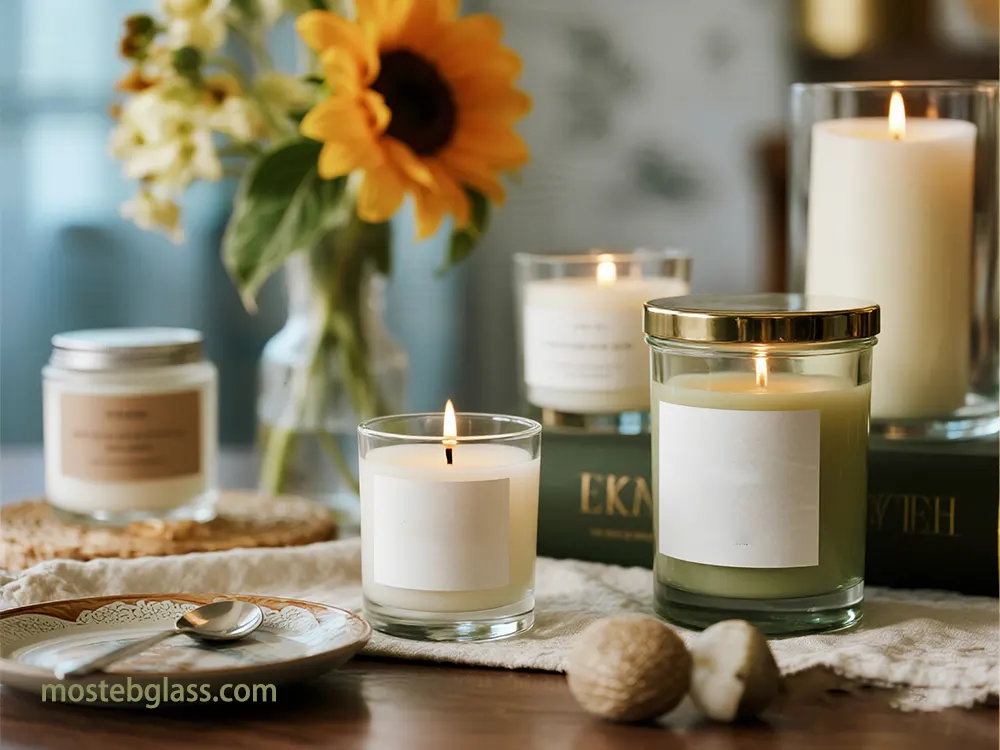
2. From Commodity to Signature: The Business Case for Customization
One of the most impactful decisions to make in packaging is changing from stock containers to bespoke vessels. Such a change takes a substantial amount of money but the payback is significant by changing the product market position. A brand differentiation, perceived value, and margin expansion are the factors that business customization of the brand depends on.
The ROI of Bespoke Design
Besides creative impact custom glass has also a strong financial argument as it is the main reason that the product can be sold at a premium price point. A regular candle in a standard jar is a mass product competing on pricing, while a candle in a new vessel is considered a decorative object, thus can be priced at the luxury level. By going through this process of re-evaluation, brands are allowed to set higher prices and also enjoy bigger profit margins. The very first investment in mold development will be paid back by the value of a higher retail price and customer loyalty over a long period of time. The moment a brand glass candle jars customize, it starts playing a margin-accretive game.
Brand Storytelling Through Glass
A personalized container is basically brand communication in three-dimensional format. Every part—outline, color, texture, gloss—can be designed to signify a certain tale. The consumer of a product in a grooved, art-deco jar may find himself in the Roaring Twenties, whereas one in a minimalist, matte-black vessel gets the idea of a modern business. This tangible expression of the brand story helps to create a stronger bond as compared to just scent and it changes the product to something between a consumable good and a cherished artifact.
Comparative Analysis: Custom vs. Stock Vessels
The decision on whether to use stock or custom vessels is the strategic one that can deeply affect a brand’s future.
| Feature | Stock Glass Jars | Custom Glass Jars |
|---|---|---|
| Brand Differentiation | Low; identical to competitors | High; creates a unique, ownable visual identity |
| Perceived Value | Commodity; price-sensitive | Premium; perceived as a decorative/luxury item |
| Margin Potential | Low to Moderate | High; justifies premium pricing |
| Storytelling Capacity | Limited; relies on labels and packaging | High; the vessel itself embodies the brand narrative |
| Upfront Investment | Low; no mold fees, low MOQs | High; requires investment in mold development |
| Supply Chain | Readily available, but generic | Requires longer lead times and partnership |
| Competitive Moat | None; easily replicated | Strong; protects against copycats and private labels |
3. The Psychology of the Limited Edition: Driving Urgency and Desire
The success of the custom vessels in the seasonal collections is essentially based on consumer psychology. The brands who effectively use this tactic are at the same time utilizing the cognitive biases which have a major impact on the purchasing behavior.
The Scarcity Principle and FOMO
Among the different elements that might be present in a seasonal collection, a unique, limited-edition vessel is the one that most powerfully conveys the scarcity principle: after all, people tend to assign a higher value to things they see as rare. A strong feeling of urgency and FOMO (Fear Of Missing Out), therefore, comes out of a vessel that will never be reproduced. Consumers are incentivized to make the purchase right away, as they have the feeling that the time window is very limited. This psychological trigger is one of the main reasons why there is such a large volume of launch-day sales for the seasonal collections that glass candle jars customize.
Fostering Collectibility and the "Second Life"
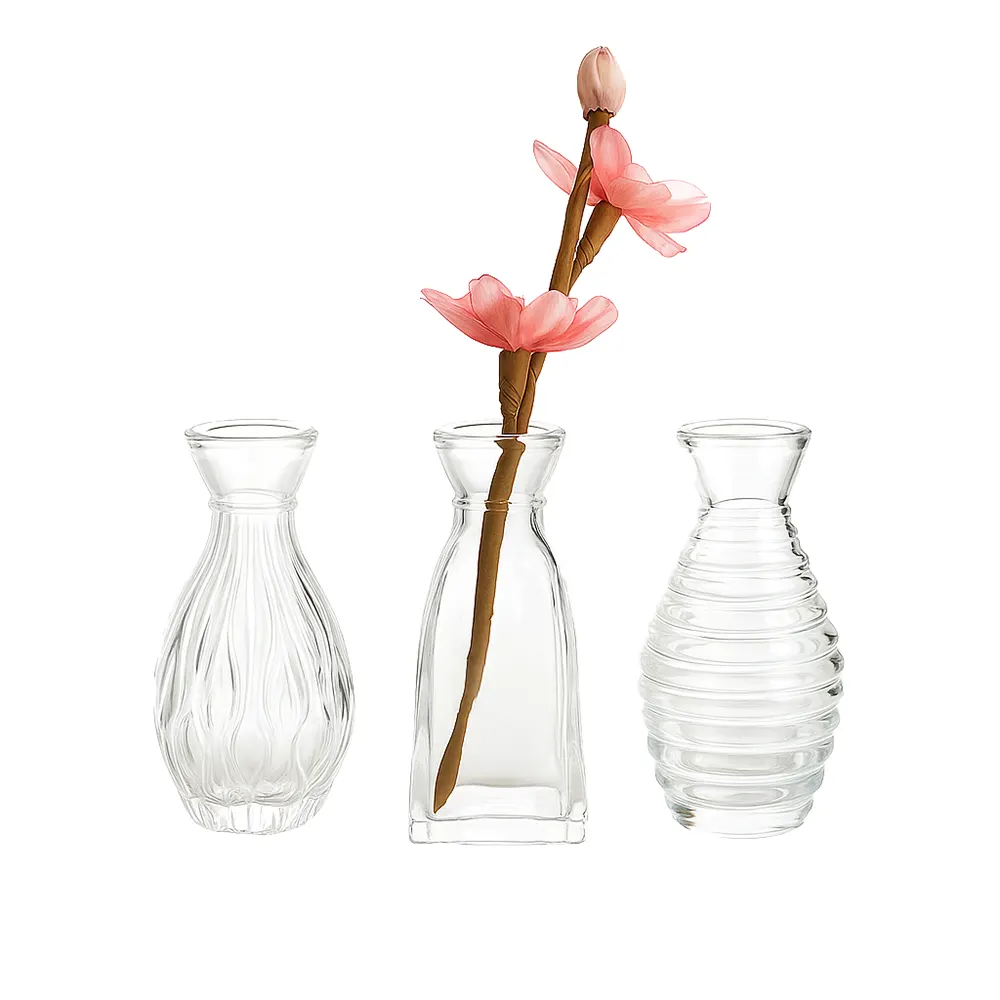
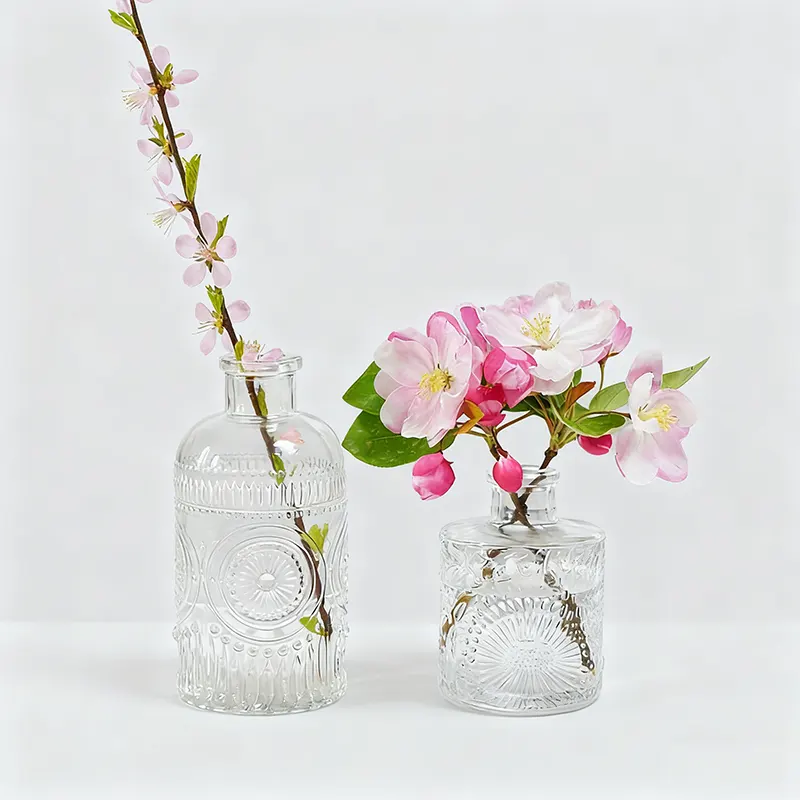
By custom designing the vessels, a brand no longer sells a mere consumable product but turns it into a collectible one, hence, encouraging consumers to buy the whole series in order to have a uniform display at home. In addition, the “second life” of the container is actually a very important part of the value proposition. A good-looking, personalized container is not thrown away; it is transformed into a vase, a pen holder, or a decorative object. In this way, the product’s lifecycle is prolonged and, at the same time, the brand is still present in the consumer’s home, thus, loyalty is being reinforced and the premium price is justified.
4. The Modern Customization Palette: Techniques and Applications
The decision to glass candle jars customize opens a vast world of design possibilities. Top suppliers like Mosteb have an advanced and diversified technique palette that makes the creations not only unique but also strongly memorable possible.
Beyond the Cylinder: Innovations in Vessel Shape
The silhouette of the vessel is considered to be the most basic feature that can be used to differentiate. The brands are mapping out the following possibilities:
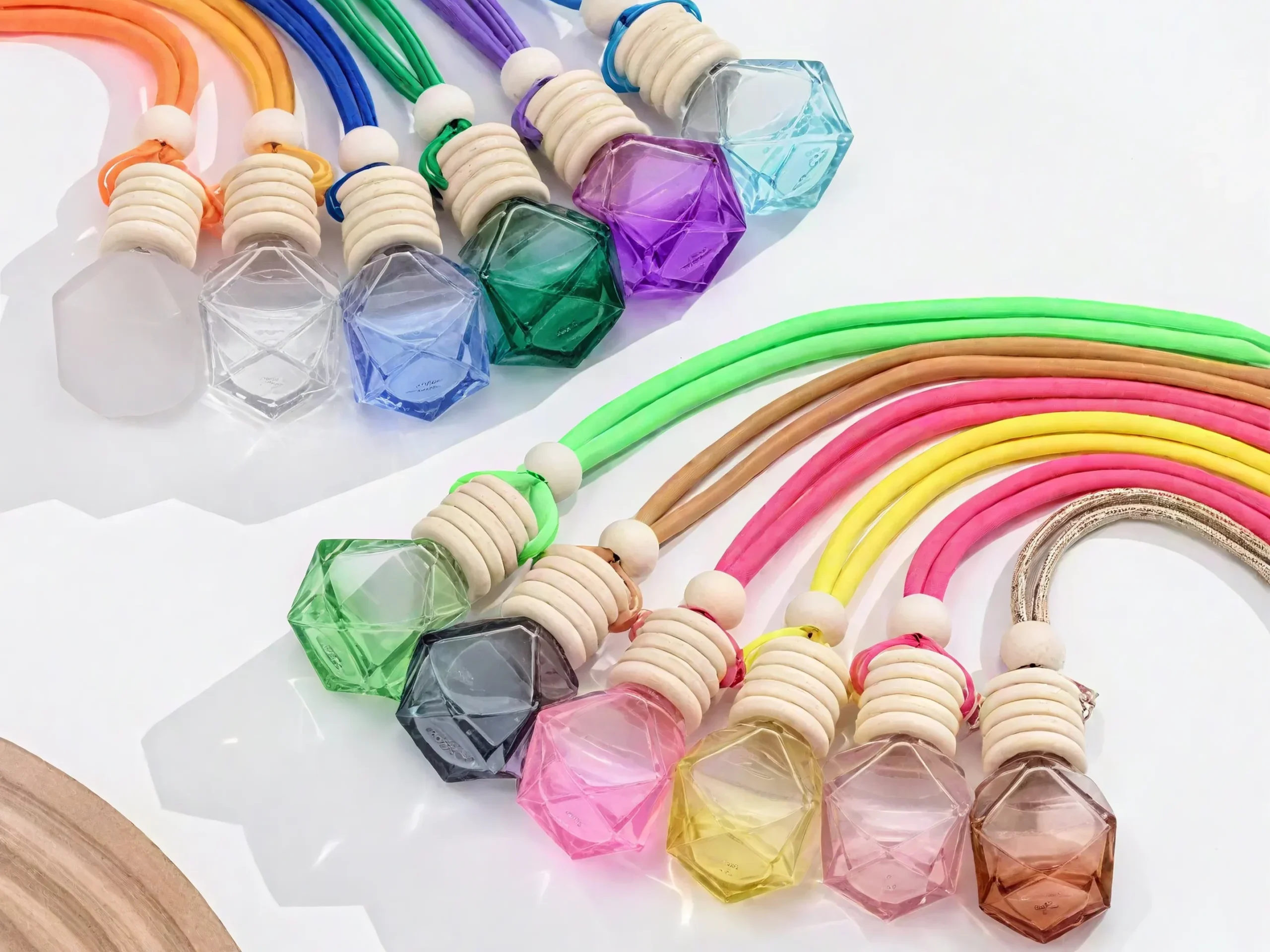
- Geometric Forms: Hexagonal, square, and multifaceted designs that sparkle as they reflect the light.
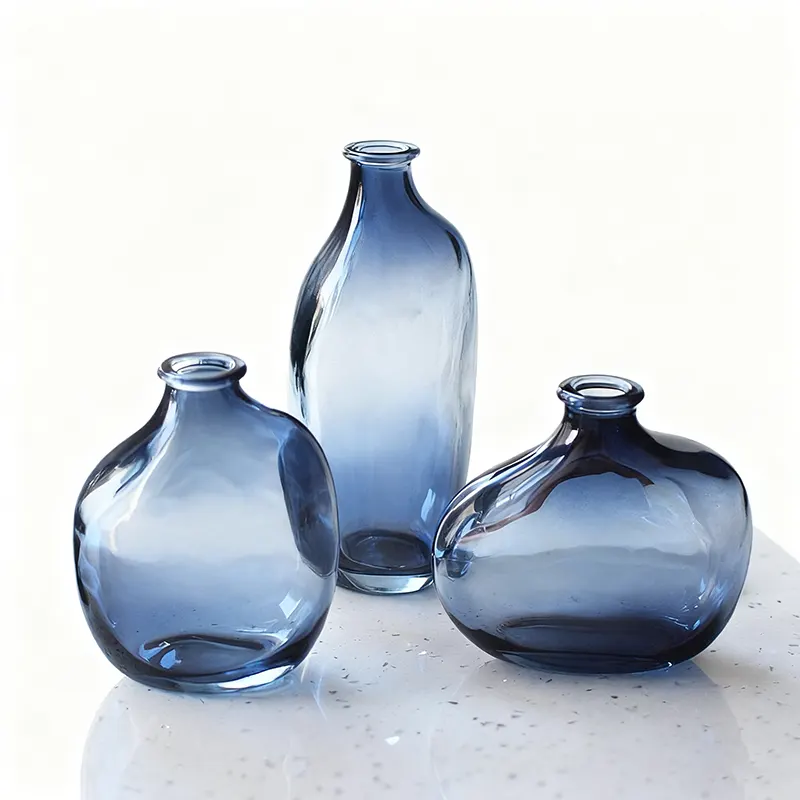
- Organic Shapes: Asymmetrical, hand-blown-inspired forms that convey an artisanal aesthetic.
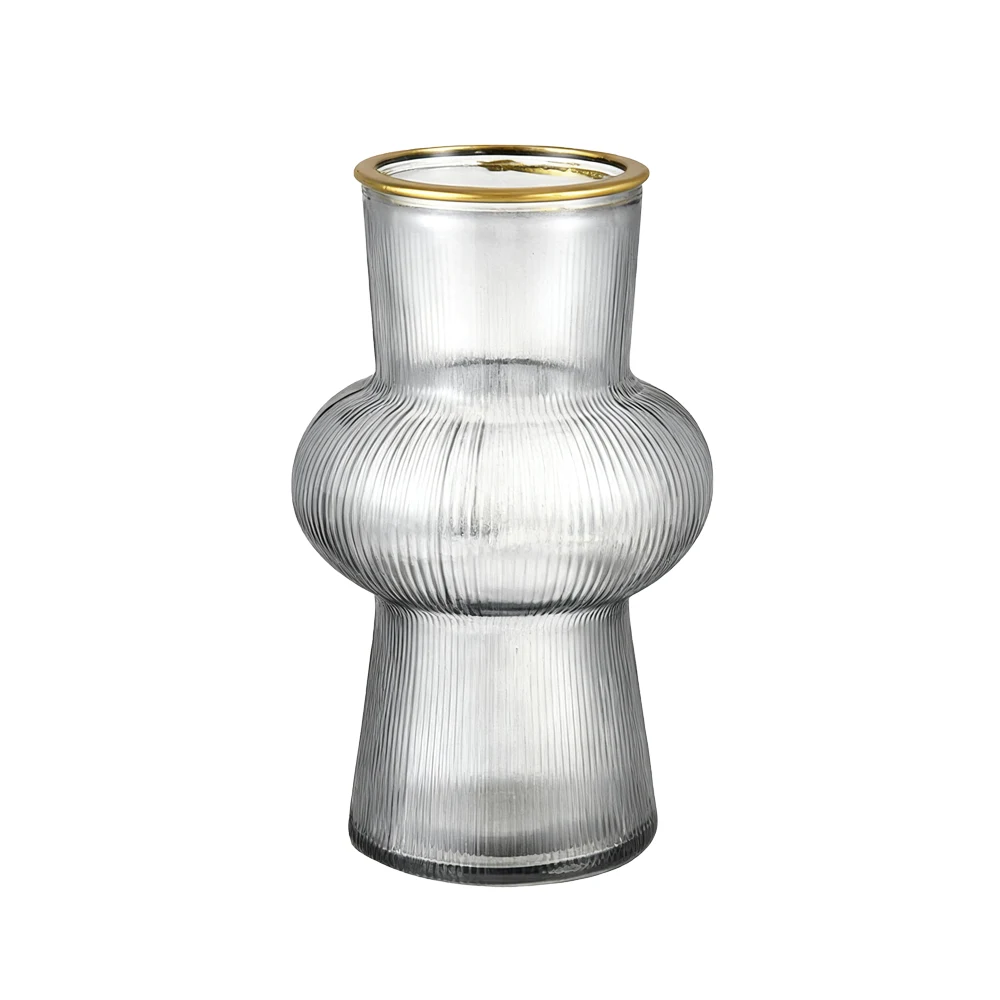
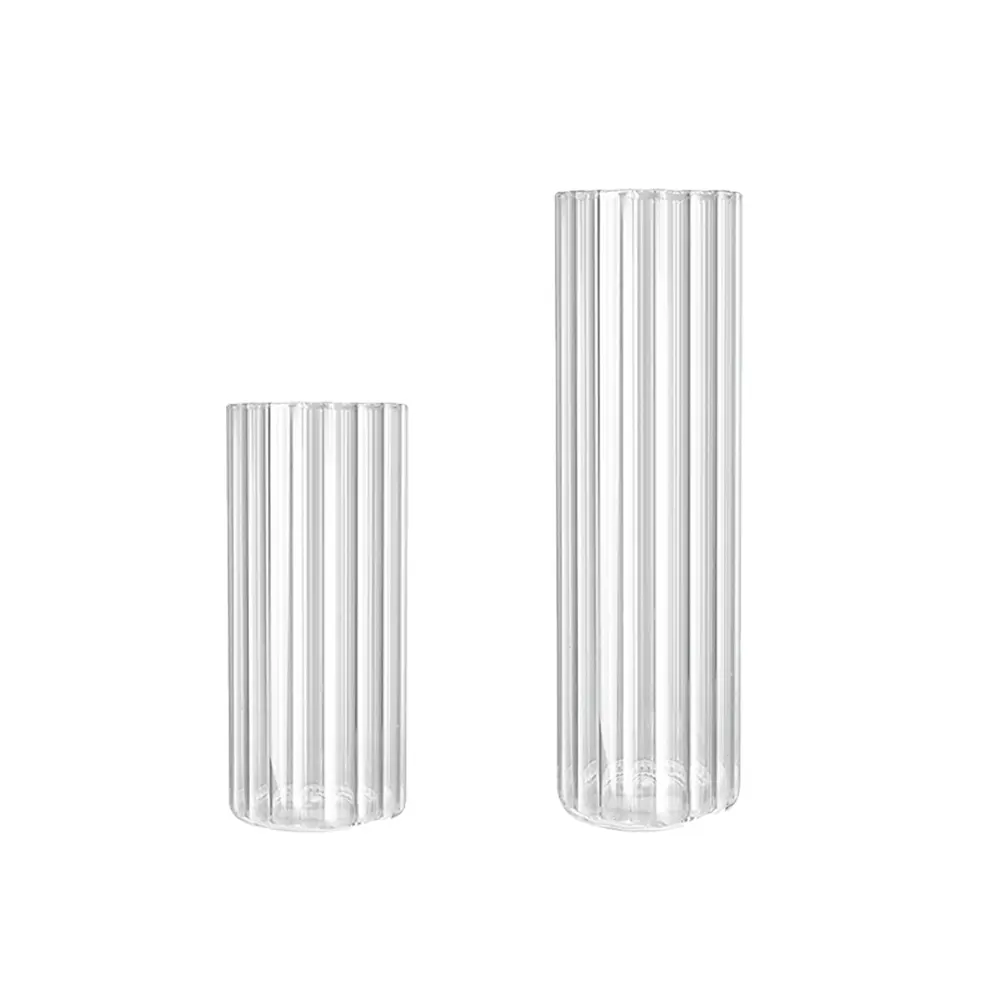
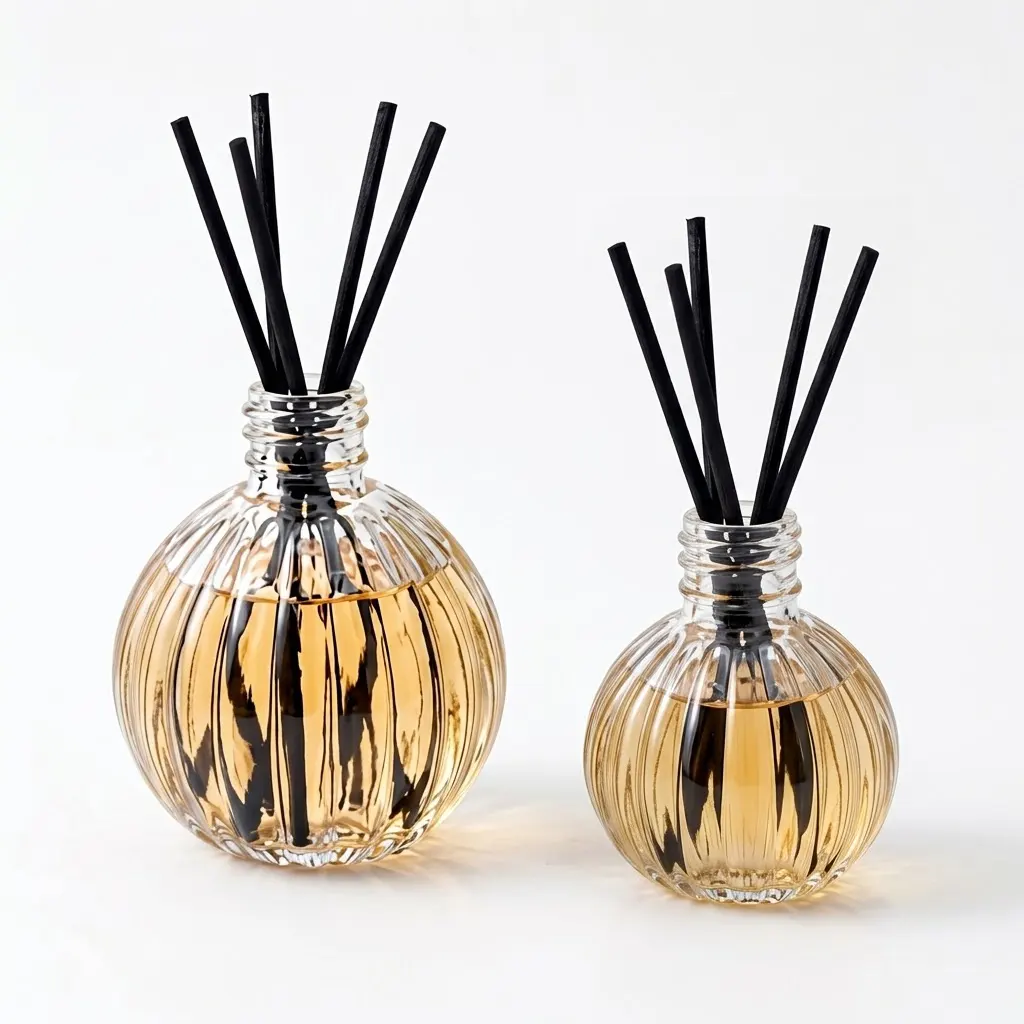
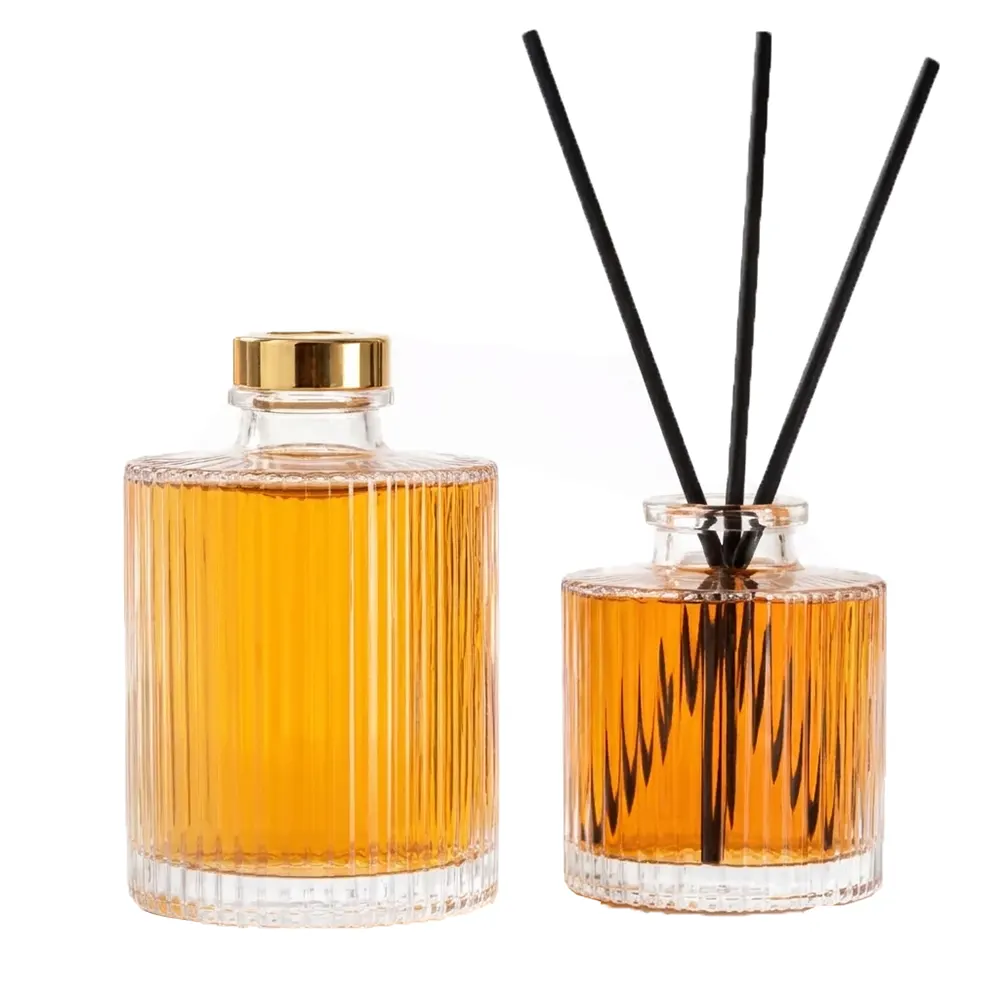
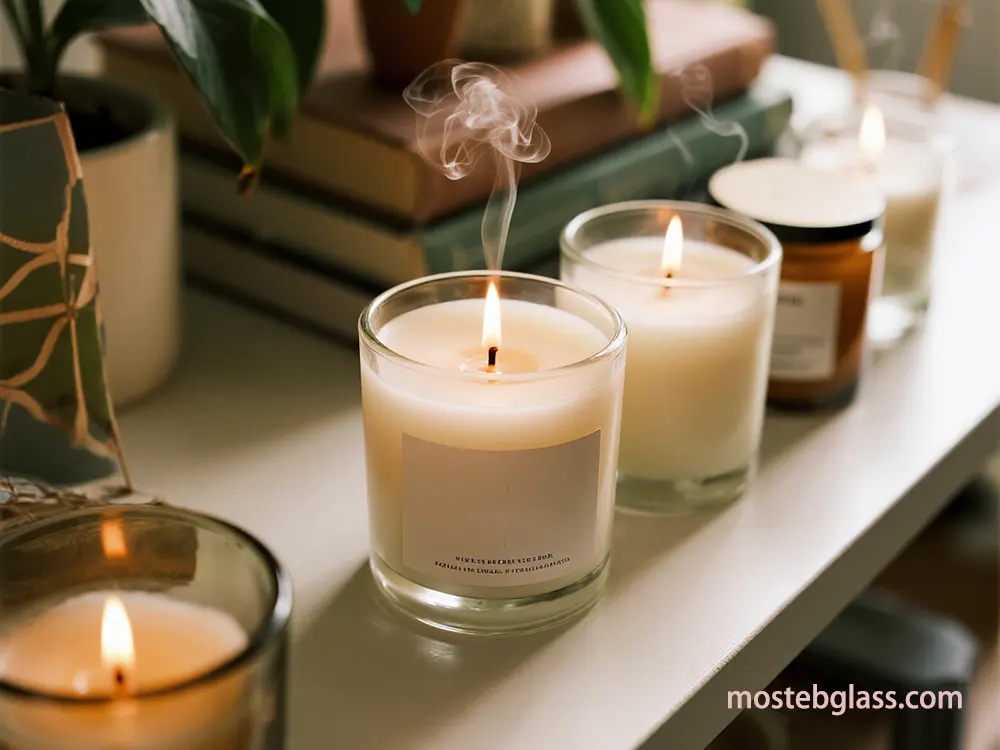
- Textured Glass: Fluted, ribbed, and embossed patterns that add tactile interest. The production of a proprietary mold for a unique shape represents, in the utmost sense, the brand ownership in the candle space.
The Art of Color and Finish
Color is one of the most potent means of bringing a mood to life and also of being in line with themes for different seasons. Among the modern methods are:
- Gradient & Ombré Spraying: The color change is very subtle and almost invisible which makes the work visually perfect for the palette of different seasons.
- Translucent and Smoked Glass: A very pretty, darkened look that still allows the flame to be seen.
- Matte, Frosted, and Iridescent Finishes: All these alter lighting and texture thus giving different visual and tactile effects.
Advanced Decoration and Cohesive Packaging
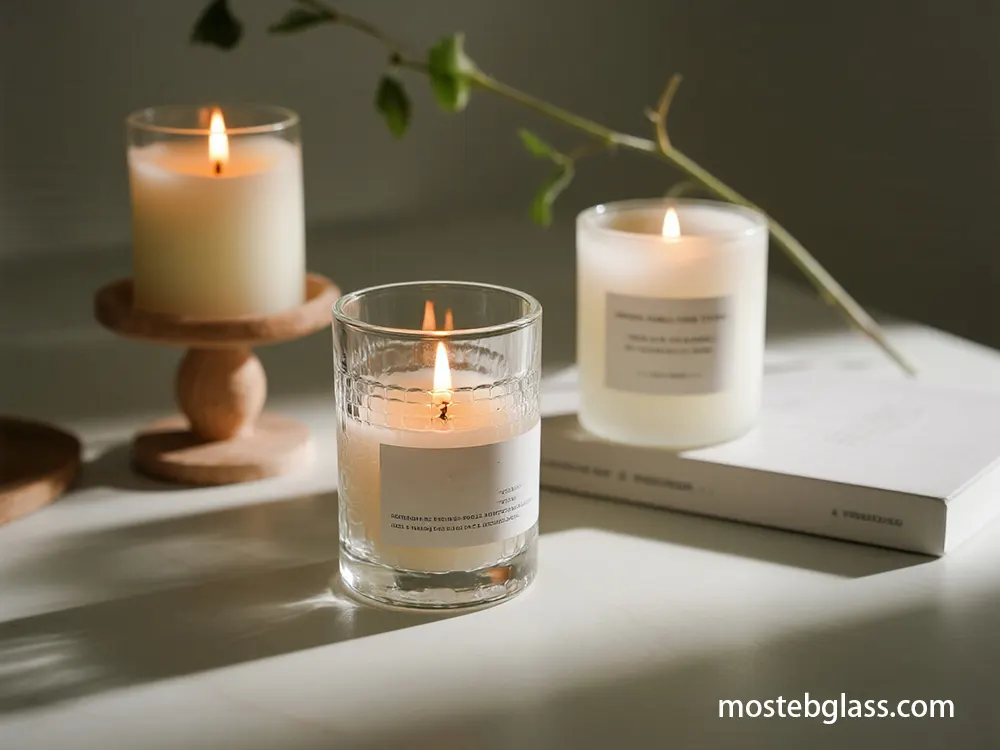
As a last step, the personalization layer goes to the branding and decorative elements application—such as glass printing, hot stamping, or decals—that are done directly on the glass for detailed logos and artwork. Most importantly, this branding style should also be communicated through the secondary packaging. A seamless journey, in which the container and the box design work together, makes the unboxing moment more luxurious and helps to keep the product at a high-end level.
5. Practical Customization Strategies for Seasonal Candle Collections
It’s not necessary to make entirely new candle molds or invest in expensive tooling to make seasonal candle collections. There are lots of brands out there that have made it big by customizing a product to suit a particular season, without spending out of control on production costs.
Start with Color and Surface Finishes
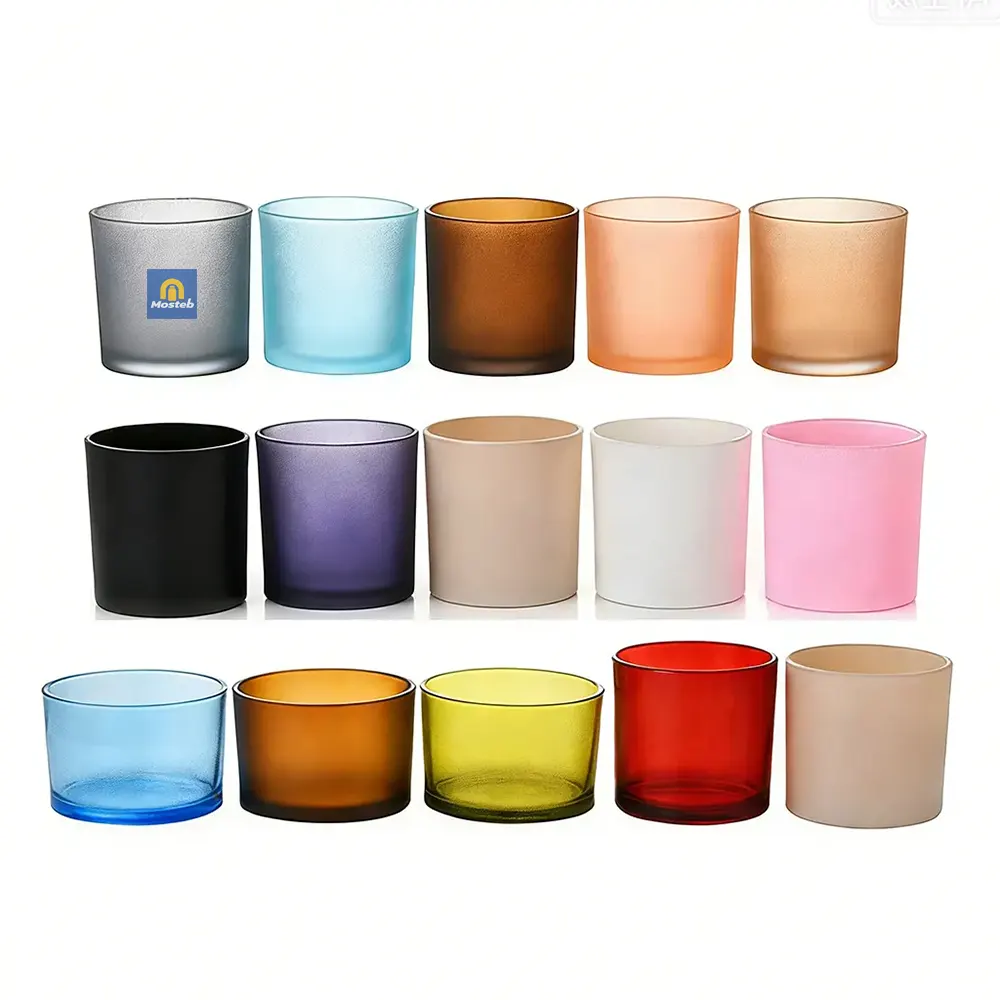
A very easy way to add some seasonal color to a candle collection is to simply change the color.
Popular examples include:
- It is frosted white for winter collections
- Deep green for x-mas is launched
- Fall colors: amber, orange, red, brown, yellow
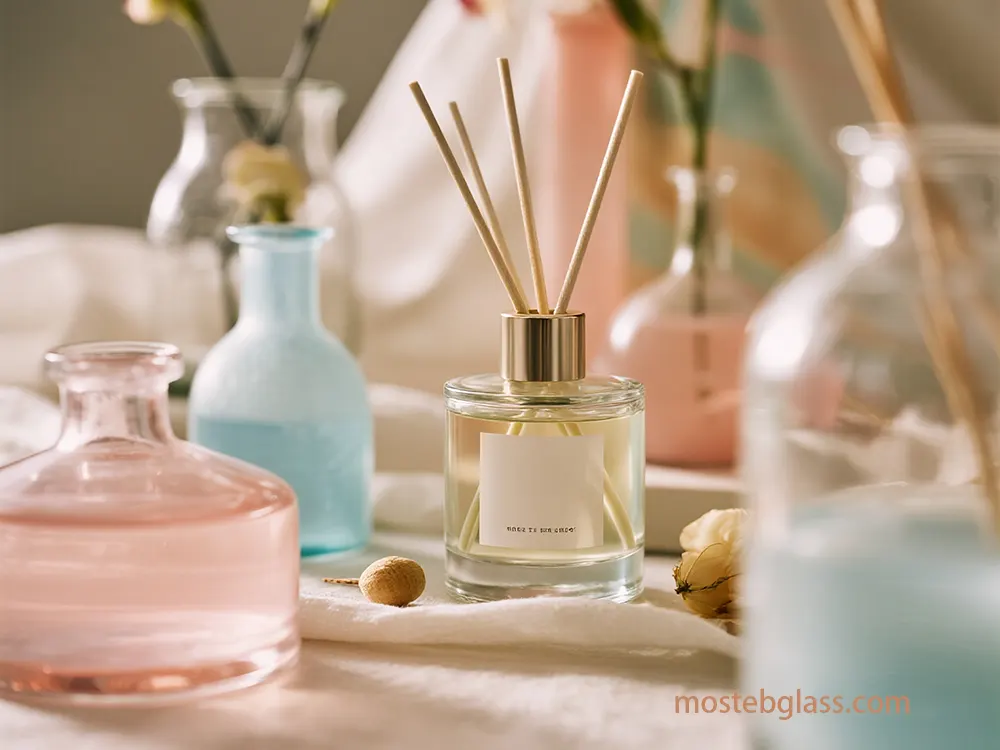
- Spring releases in pastel colors
Some surface finishes can greatly alter the look without altering the base shape of the jar, such as frosting, spraying, electroplating, and gradient coatings.
Use Decoration to Tell Seasonal Stories
Printing and decoration help brands to make quick limited collections.
Common techniques include:
- Screen printing
- Hot stamping
- Decals
- Embossed logos
- Metallic accents
The artistic elements add to the brand identity and support the theme of the season.
Coordinate Packaging with Vessel Design
It’s not just about the glass jar—it’s about the rest of the collection as well.
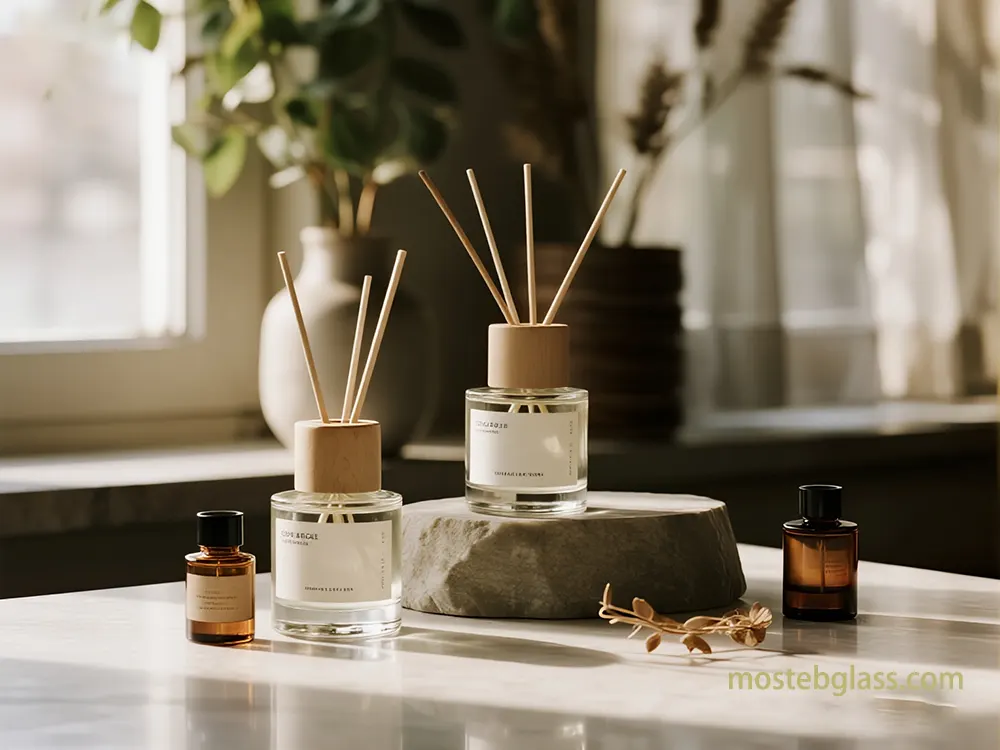
Brands often pair custom made candle holders with:
- Gift boxes
- Printed sleeves
- Wooden lids
- Holiday-themed inserts
- Limited-edition labels
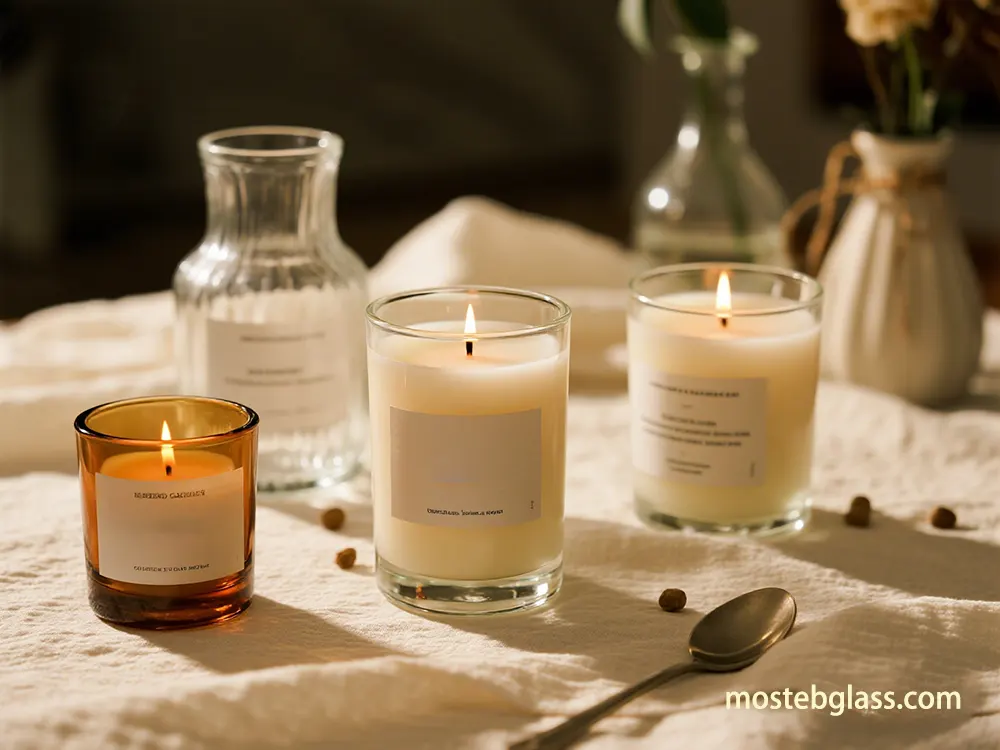
The combination of packaging and vessel design creates a more upscale and gifting-worthy collection.
Working with the Right Manufacturing Partner
Precise production planning is as important as a good design for a successful seasonal launch.
A glass candle manufacturer with extensive experience can assist brands in getting to market faster.
Early Development and Sampling
Seasonal products have more rigid start-up timelines.
To prevent any delays, brands should start:
- Design confirmation
- Decoration testing
- Sample approval
- Packaging development
A few months in advance to the intended launch date. Preparations that are made early give sufficient time for revisions and adjustments in production.
Flexible Customization Options
Not all projects are “all-or-nothing” and need to be a full custom mold.
Many manufacturers offer:
- Stock jar customization
- Custom colors
- Decorative finishes
- Private-label printing
- Custom lid options
These solutions enable brands to introduce their seasonal collections in a shorter lead time and lower investment.
Consistent Quality Across Seasonal Programs
Consumers do not expect any differences in quality of the collection from season to season.
Reliable suppliers maintain:
- Consistent glass quality
- Stable color matching
- Accurate decoration placement
- Protective export packaging
This uniformity creates a sense of trust for customers in the brand and minimises supply chain problems when the product is in high demand.