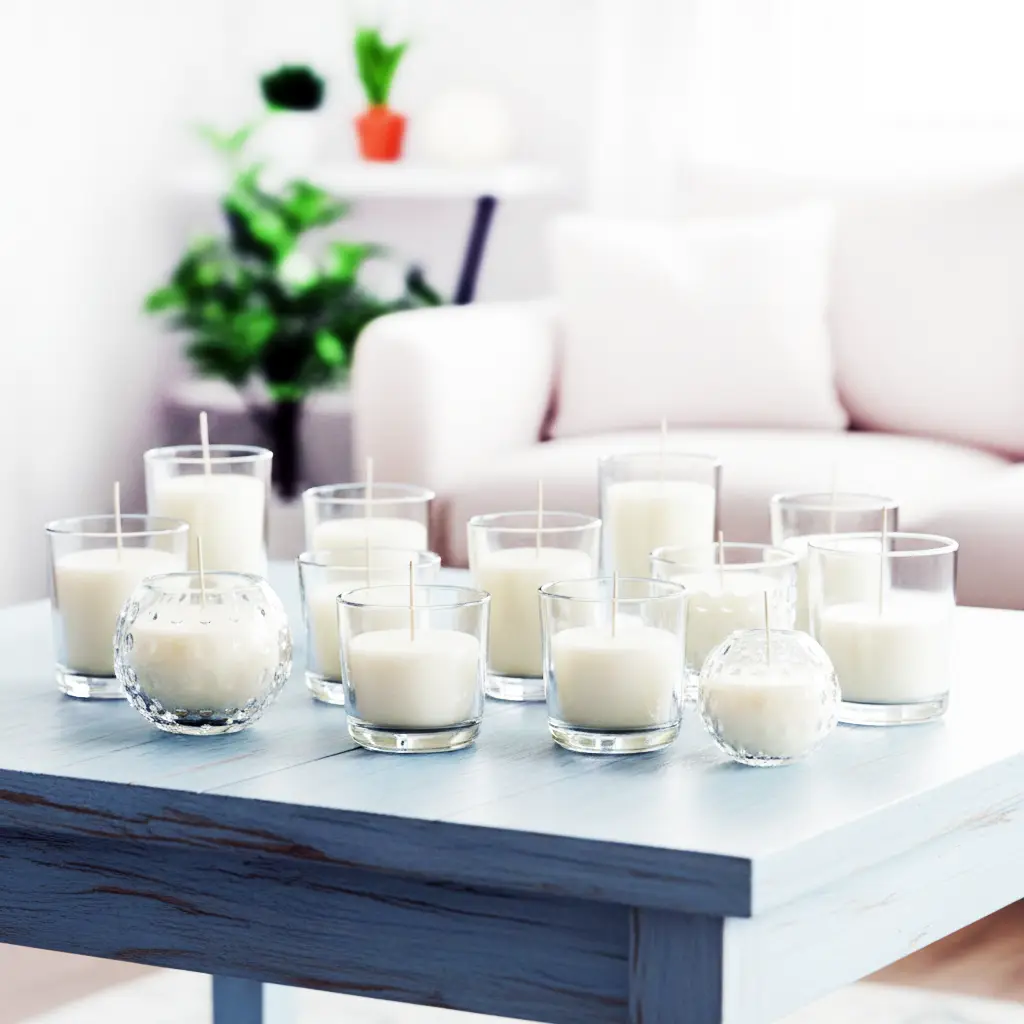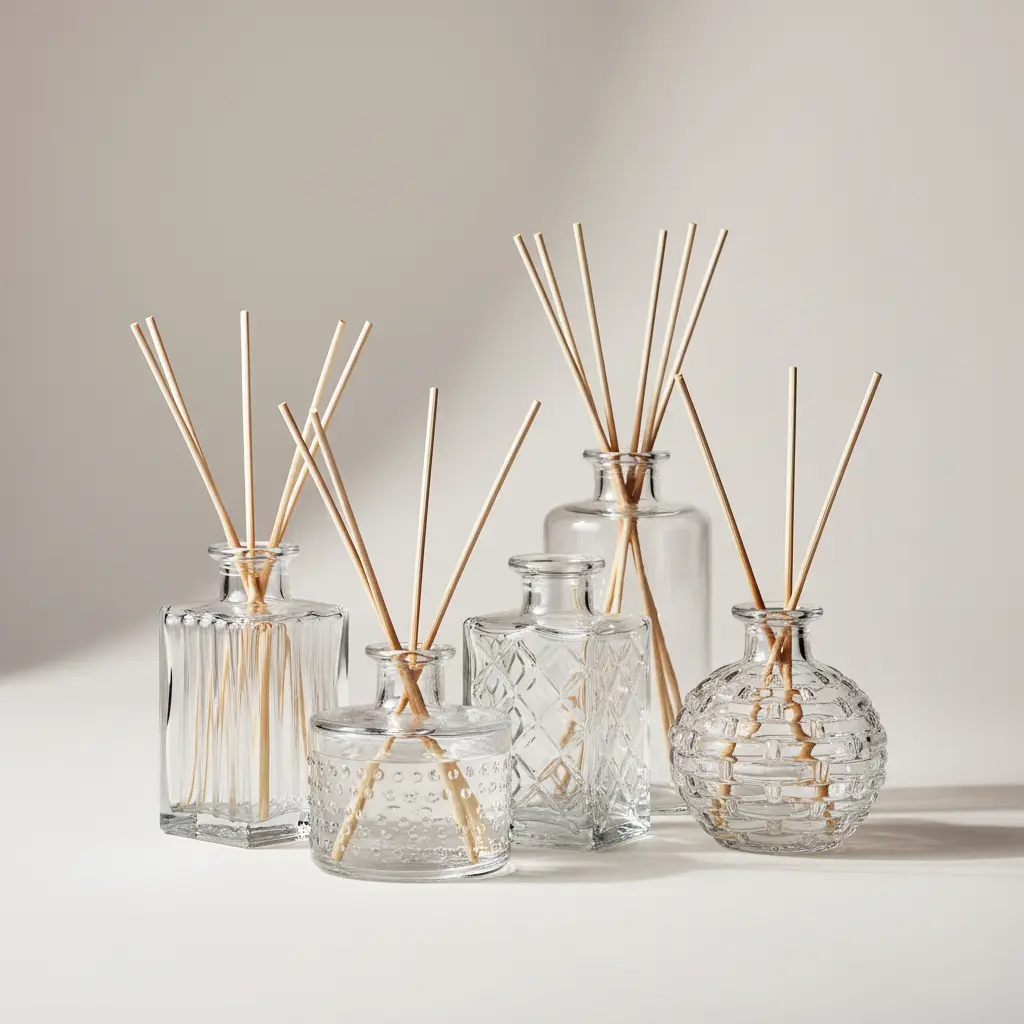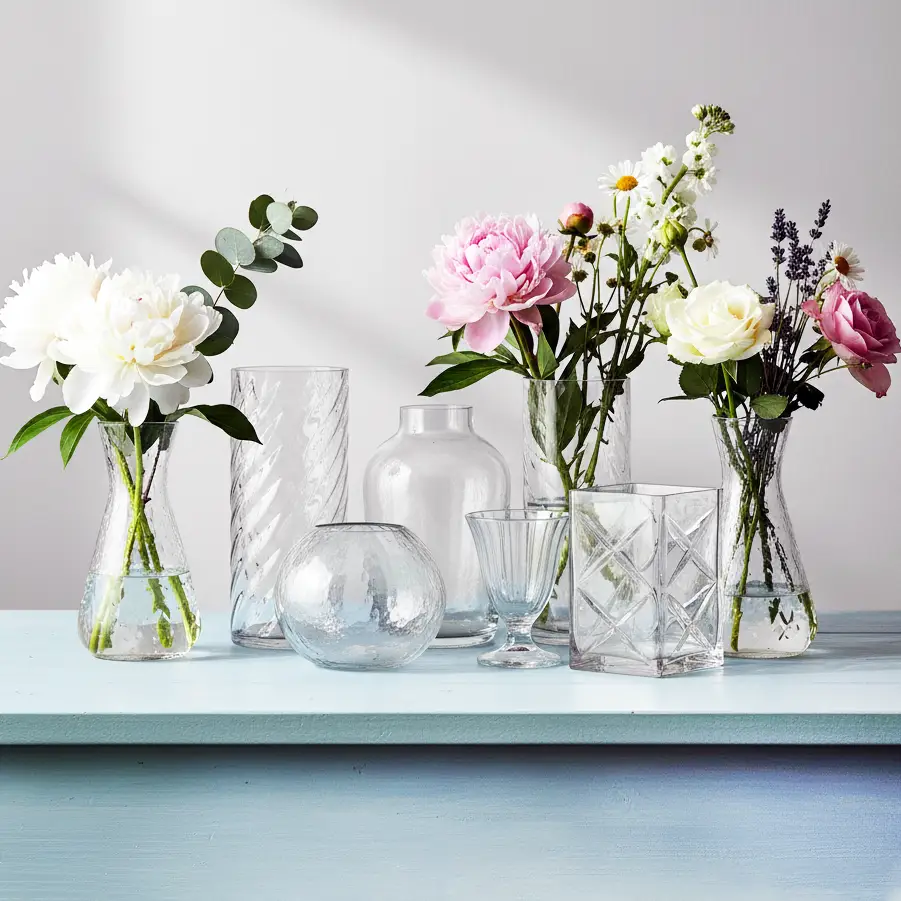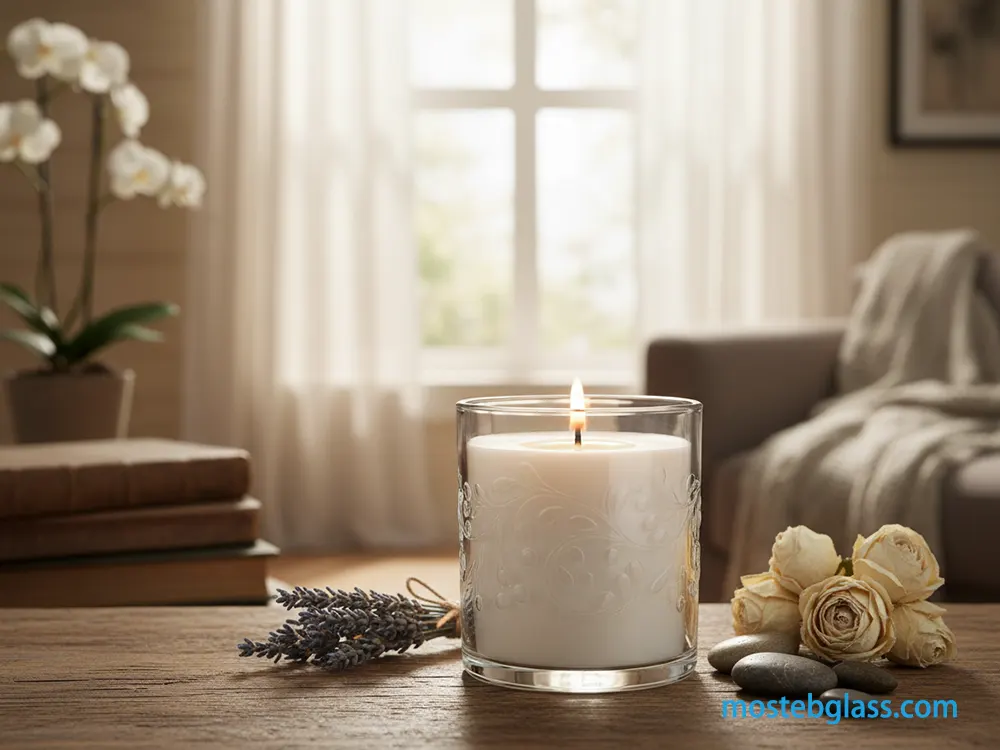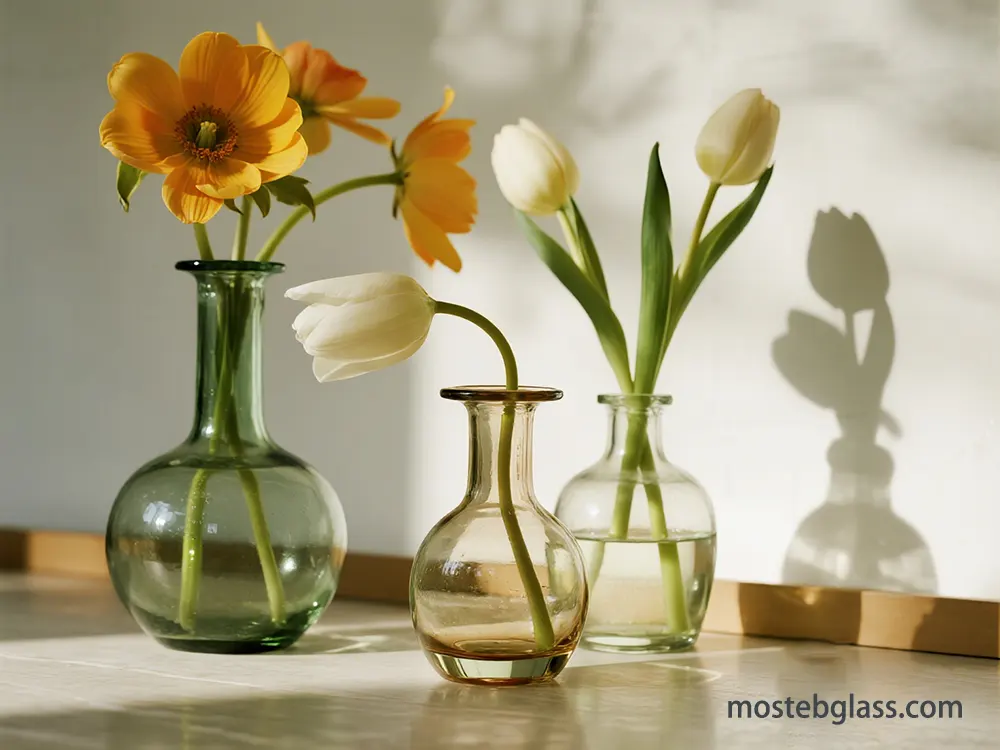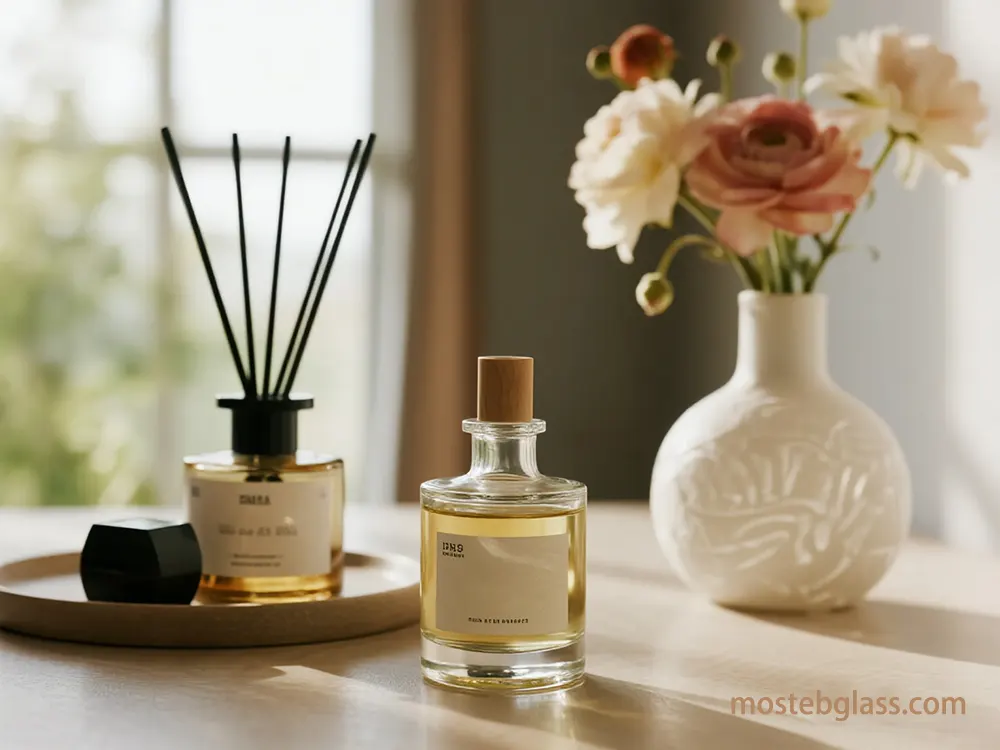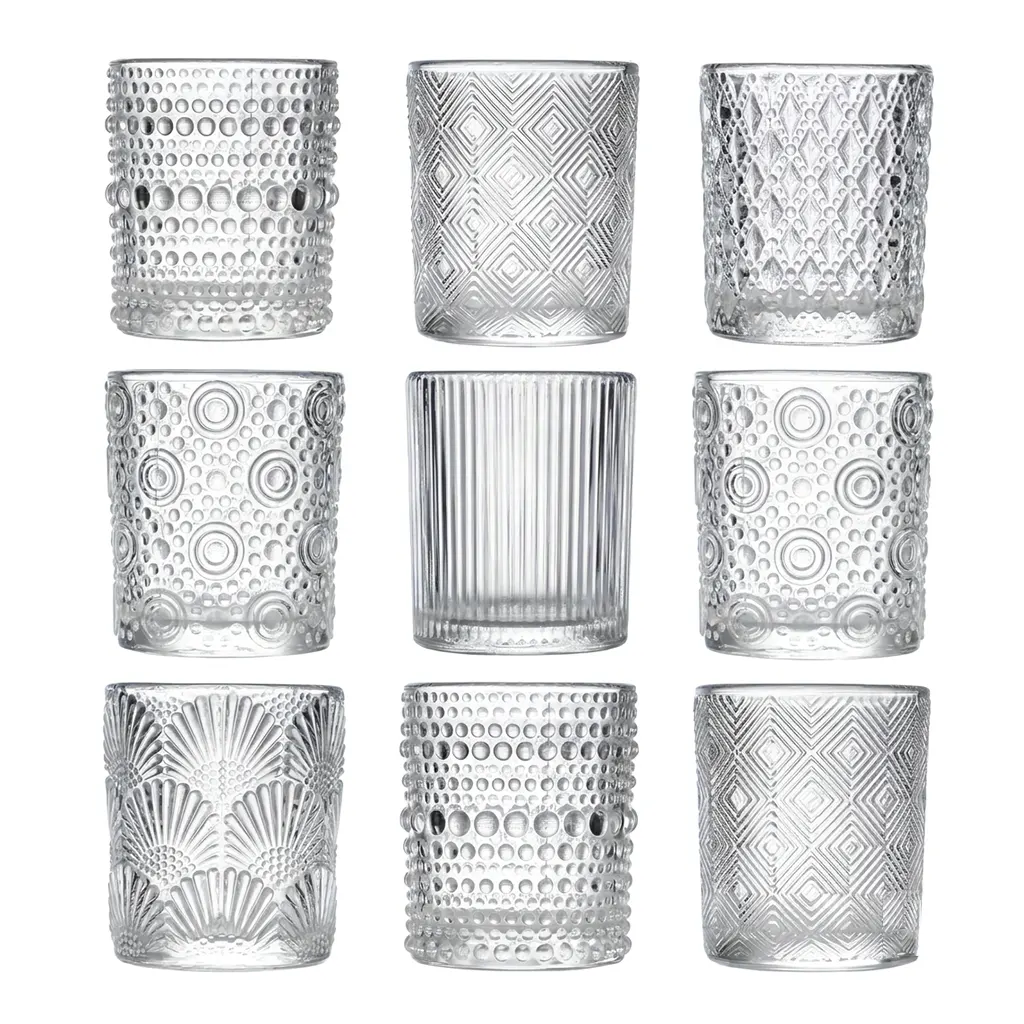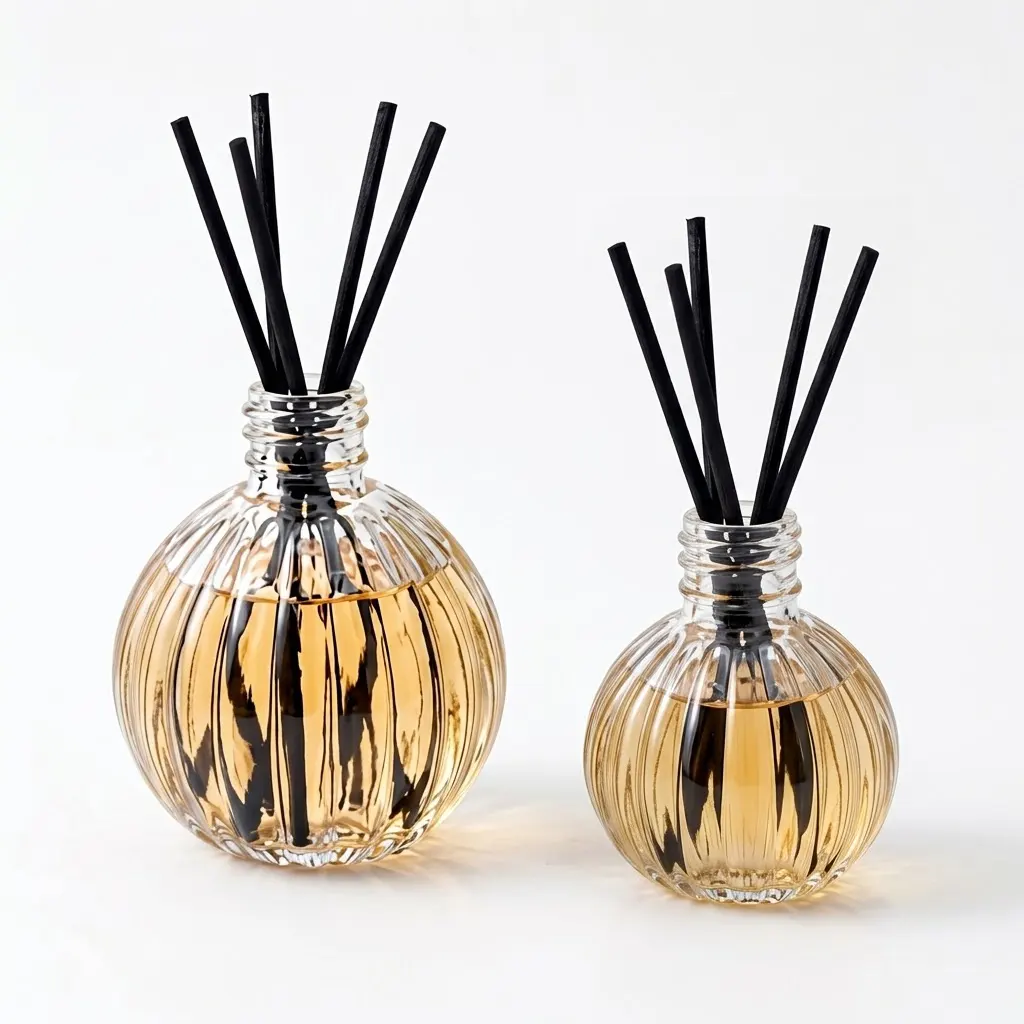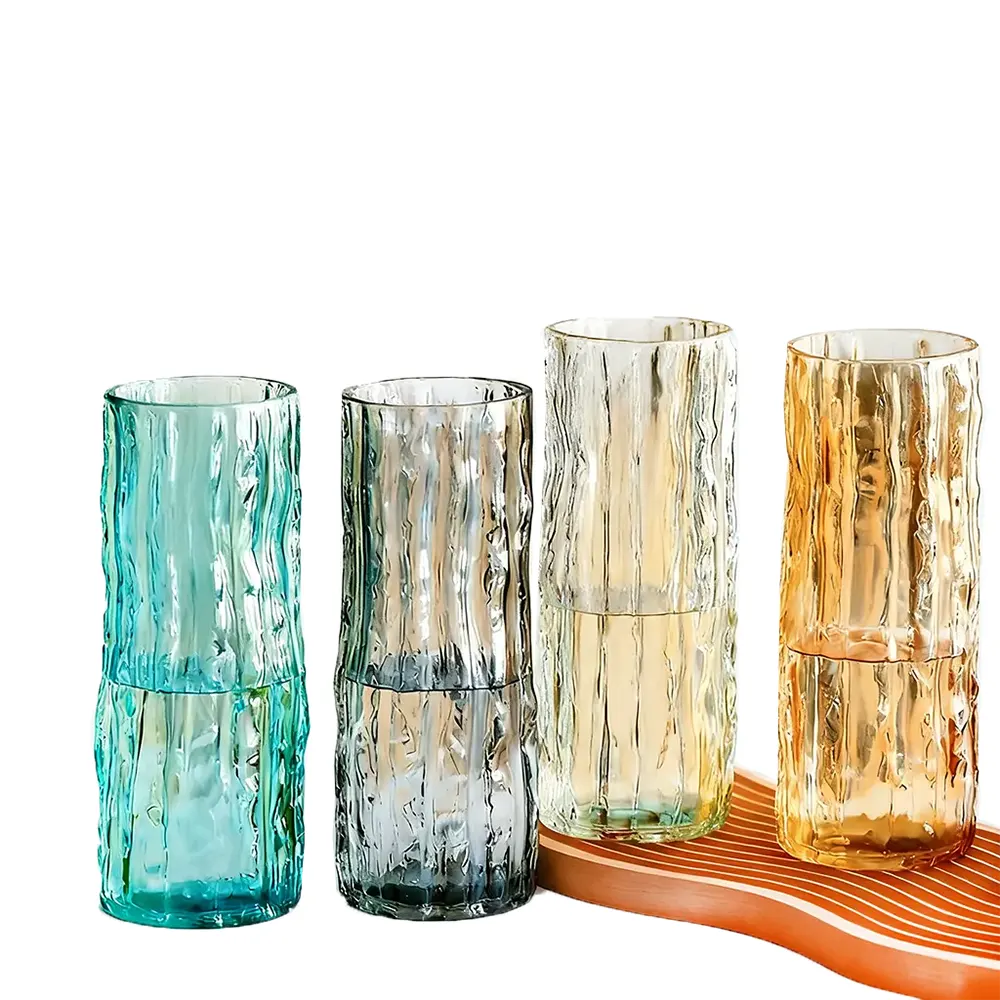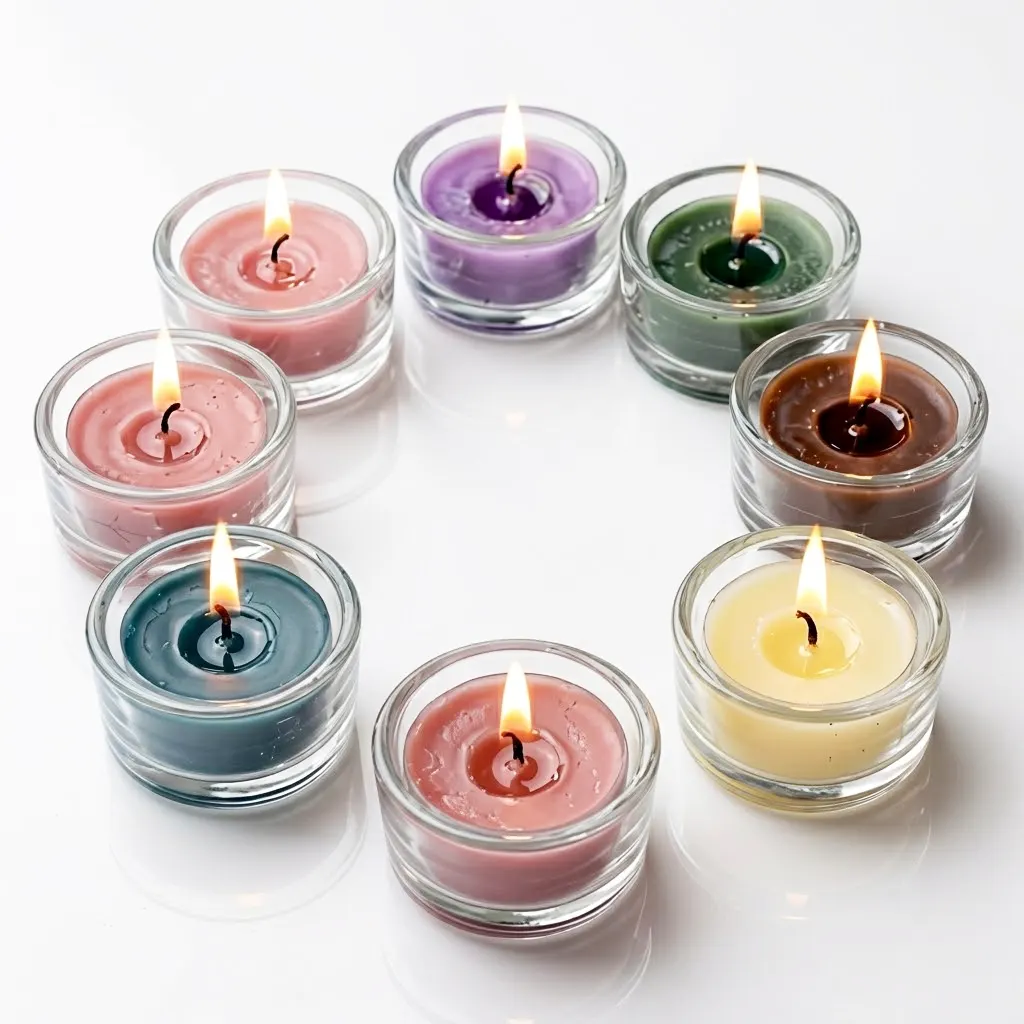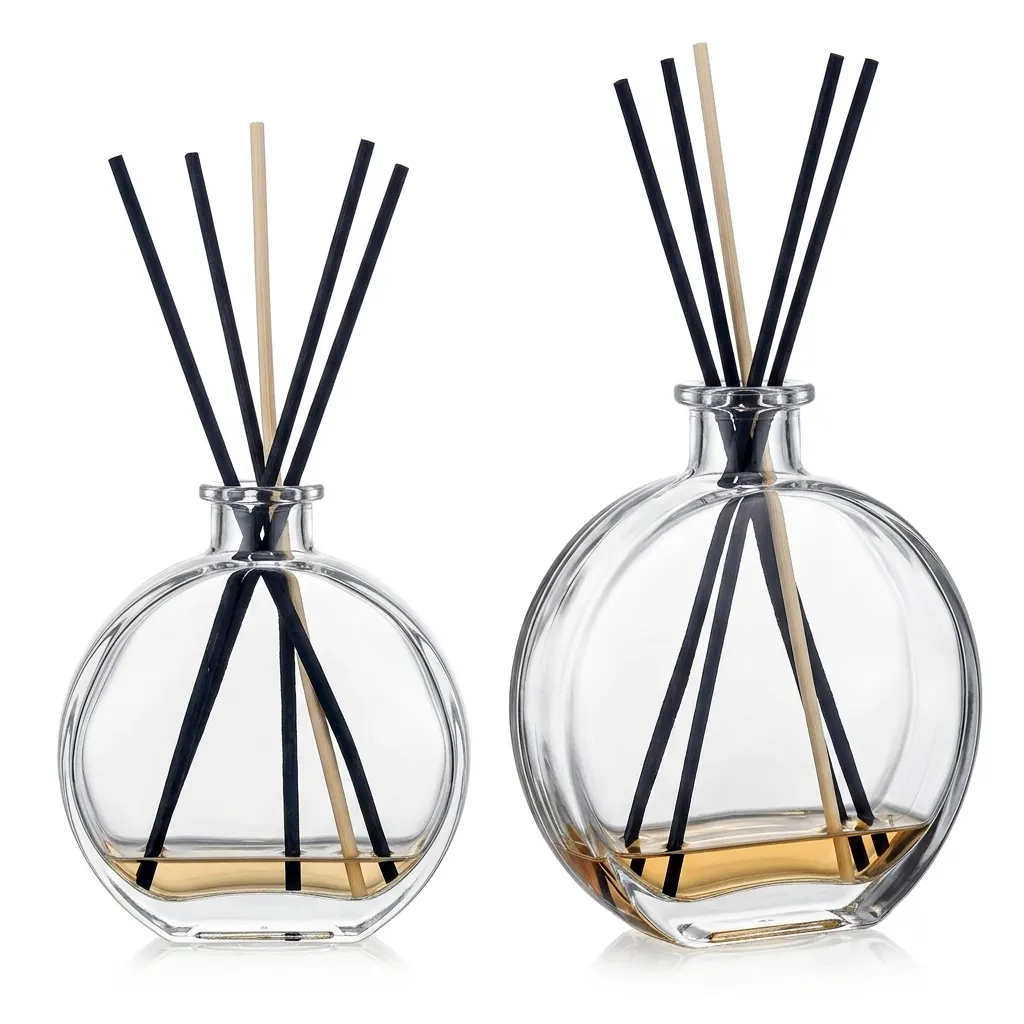
With the modern perfume and home decor market, the position of a decorative diffuser bottles producer such as the one of Mosteb changed on the one of a supplier of goods and services to a very important strategic ally in the branding. With the changing tastes of the consumers to holistic sensory experiences, the vessel within which the fragrance is placed has become as important as the smell itself. In the case of high end brands, the first physical contact is the bottle, a tangible expression of what the brand is, what the values and what the aesthetic promise is. This report discusses the way the current manufacturing greatness, spearheaded by pioneers such as Mosteb, is transforming the vessel into a valuable piece, with material knowledge, digital incorporation, and moral transparency.
1. The Visual Hook: Bottle Design as the Primary Brand Ambassador
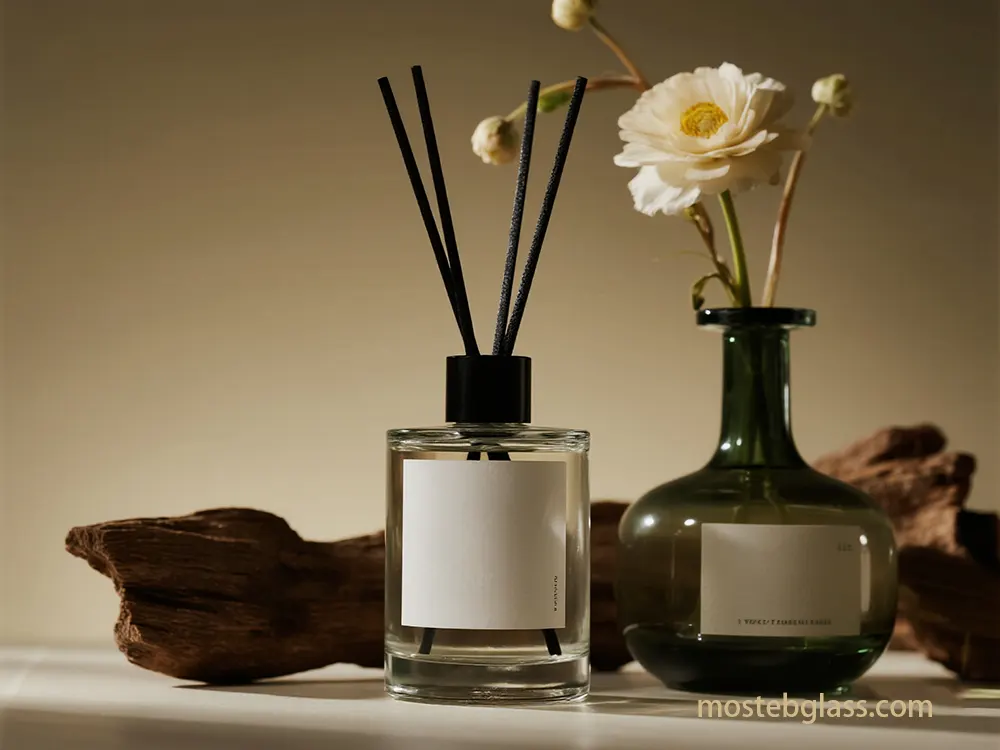
The geometry of the glass is the silent salesperson in an oversaturated retail world. The decorative diffuser bottles manufacturer should learn to tell the visual story using form. A bottle shape can convey the minimalistic modernism and heavy classical extravagance, sometimes even before the consumer opens the bottle and even smells of the contents.
1.1. Geometry and Emotional Resonance
Psychological influence of the vessel shape cannot be overestimated. Angular, harsh-shaped structures tend to create a perception of exactness, maleness, and architectural freshness, and smooth, rounded curves imply ease, femininity and movement. Mosteb enables brands to explore alternative geometries that are not constrained by the cylindrical or rectangular standard provided by the use of advanced CAD (Computer-Aided Design) and rapid prototyping. These distinct forms provide a visual hook and guarantee dominance in shelf-space and instant emotional attachment with the target market.
1.2. Bespoke Molding as a Competitive Moat
The final entry barrier to competitors is customization. By investing in custom molding with one of the specialized decorative diffuser bottles manufacturer, a brand is establishing a proprietary piece of equipment that is hard to duplicate. Custom molds permit complex details, including embossed logos, internal glass textures or a special finish on the neck, which off-the-shelf bottles do not offer. Such kind of details informs the consumer that it is a high-end product and it is worth paying more prices, supports brand equity by making it exclusive.
2. Material Innovation at a Decorative Diffuser Bottles Manufacturer
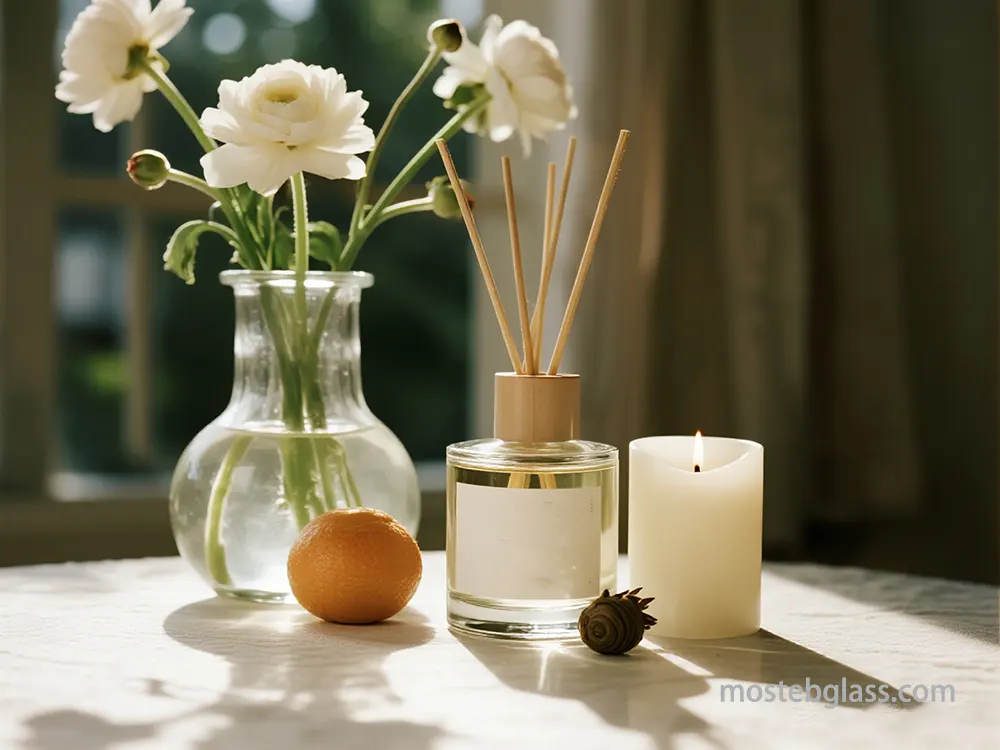
The new consumer is in need of a contradiction: ruthless luxuriousness and extreme sustainability. In the case of a decorative diffuser bottles manufacturer, this will demand an investigation into the field of material science to guarantee that eco-friendly alternatives do not compromise the weight and transparency of high-end glassware.
2.1. The Rise of Recycled Cullet and PCR Glass
Post-Consumer Recycled (PCR) glass is no longer a niche need it is a market requirement. But the technical issue is to keep the extra-flint clarity required by luxury brands but apply high percentages of recycled cullet. The major manufacturers such as Mosteb are perfecting their melting procedures to eradicate the impurities in the recycled streams so that the resulting glass will have a clear refractive index. This enables the brands to have the sustainability qualifications without the tinted appearance of recycled glass that is of low quality, hence green-washed.
2.2. Bio-Composites and Alternative Luxury Textures
In addition to glass, the industry is also receiving bio-composites in terms of caps, collars; and even secondary decorations. Mycelium, agricultural waste, or ocean-bound plastics as a source of materials are also redefined as luxury components. With high-end finishes, e.g. metallization, soft-touch, laser etching, a decorative diffuser bottles manufacturer can make sustainable raw materials feel like the conventional plastics or metals, again, associating the brand with the circular economy.
| Material Type | Aesthetic Quality | Sustainability Index | Durability | Brand Perception |
|---|---|---|---|---|
| Extra-Flint Glass | Ultra-Clear, High Brilliance | Moderate (Recyclable) | High | Traditional Luxury |
| PCR Glass (50%+) | Clear to Slight Tint | High | High | Conscious Luxury |
| Bio-Composites | Matte, Organic Texture | Very High | Moderate | Avant-Garde/Eco |
| Borosilicate Glass | Industrial, Sleek | Moderate | Ultra-High | Modern/Technical |
3. The "Keep-Forever" Vessel: Refillable Systems and the Circular Economy
The move towards a disposable packaging to a durable home decor is probably one of the most important in the industry. A progressive decorative diffuser bottles manufacturer will create products that will be kept on the mantle not weeks, but years.
3.1. Transitioning from Packaging to Home Decor
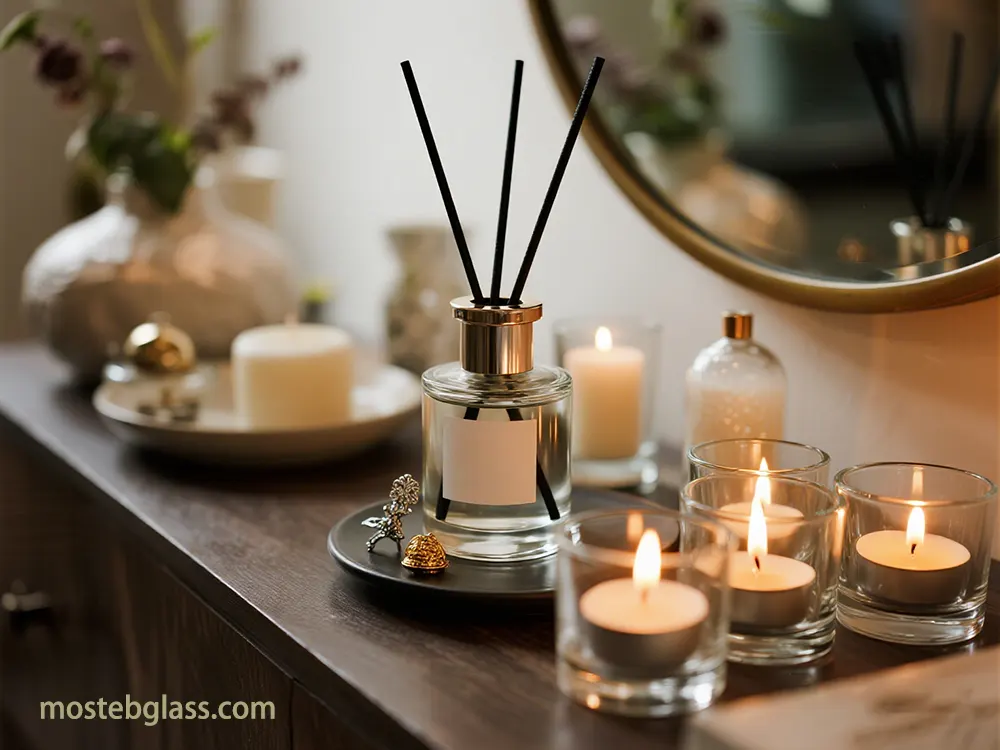
The consumer who is dominated by a diffuser bottle that is shaped like a high-end vase is psychologically not ready to drop away with the bottle. This is the philosophy of keep-forever that is at the core of the design philosophy of Mosteb. Through producing vessels that can serve as self-contained works of art, brands can shift to the refill business model. That is not only lessening the environmental imprint but also ensuring a brand presence in the house of the consumer over time, since the branded ship will be a permanent feature in the interior of the house.
3.2. Engineering for Durability and Longevity
The bottle has to be designed in such a way that it lasts. This includes stress-testing the glass to thermal shock (when cleaning it), and to make sure that any decorative finishing, e.g., screen printing or a Physical Vapor Deposition finish, does not fade away. A skilled decorative diffuser bottles manufacturer will make sure that the neck threads and closure mechanisms are strong enough to sustain hundreds of opening and closing cycles so that the seal will be leak-proof and thus last several years of use.
4. Phygital Integration: Transforming Glassware into Digital Touchpoints
There is a blur of the physical and the digital world. Enclosed within the vessel itself, a decorative diffuser bottles manufacturer will be able to transform a static object into an active communication vessel.
4.1. NFC and QR Implementation in Decorative Diffuser Bottles Manufacturer
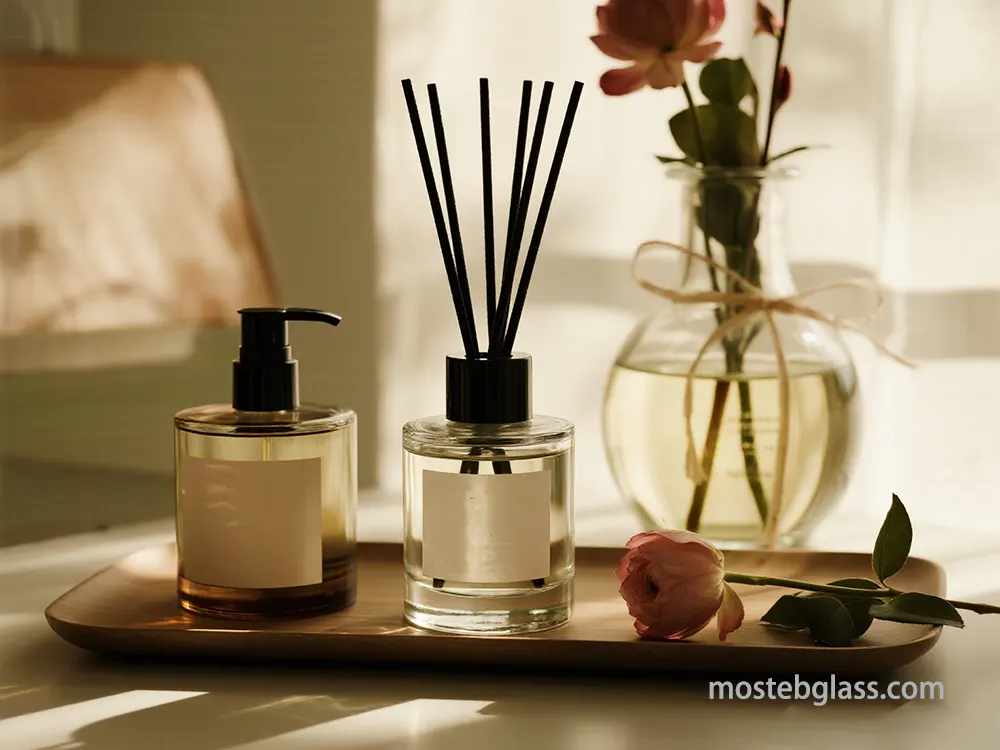
By embedding Near Field Communications (NFC) chips into the bottom of a glass bottle or a wood top, one can experience tapping and going smoothly. NFC chips are transparent unlike QR codes that have the potential of ruining the visual appeal of a bottle. By just tapping the phone to a Mosteb-produced bottle, a consumer can be instantly sent to a pre-created playlist, a video explaining the origin of the scent, or a consumer-friendly refill ordering portal.
4.2. Bridging the Gap to Digital Loyalty Programs
Such a physigital (physical + digital), practice enables brands to gather first-party data in a manner that was not feasible to physical products. A decorative diffuser bottles manufacturer that implements such integrations allows the brands to monitor the product life cycle. As an example, the brand might also reward a refill of a bottle with loyalty points, or offer an exclusive digital content to the owners of the limited-edition vessels, making the bond between the brand and a consumer even stronger.
5. The Ethics of Origin: Transparency and Certification in Manufacturing
The where and how of production is as significant as the what in a time of radical transparency. The respected decorative diffuser bottles manufacturer should be able to demonstrate the evidence of the ethical labor and the environmentally friendly production.
5.1. The Role of ESG in Modern Glass Production
ESG criteria have become the new expectation of a fragrance house when it comes to sourcing at the global level. Companies are seeking collaborators with such credentials as Eco Vadis, ISO 14001, or B Corporation. Such certifications give an assurance to the brand- or by implication, the consumer that the energy-consumptive process of blowing glass is being compensated with investments in renewable energy sources, water reticulation, and equitable wage policies.
5.2. Supply Chain Traceability and Consumer Trust
Consumers are becoming more suspicious of unspecified made in. They would prefer to find out where the sand was gathered, what the factory was like and what the carbon footprint of that shipping route was. The brands can offer a product passport, whereby the whole journey of the vessel is clearly stated by collaborating with a decorative diffuser bottles manufacturer. Such a degree of sincerity establishes a basis of trust which will be instrumental in creating brand loyalty that is durable particularly to Gen Z and Millennial generations who are more conscious of the ethics in their buying behaviors.
6. Strategic Sourcing: Navigating Artisanal Craftsmanship and Industrial Scale
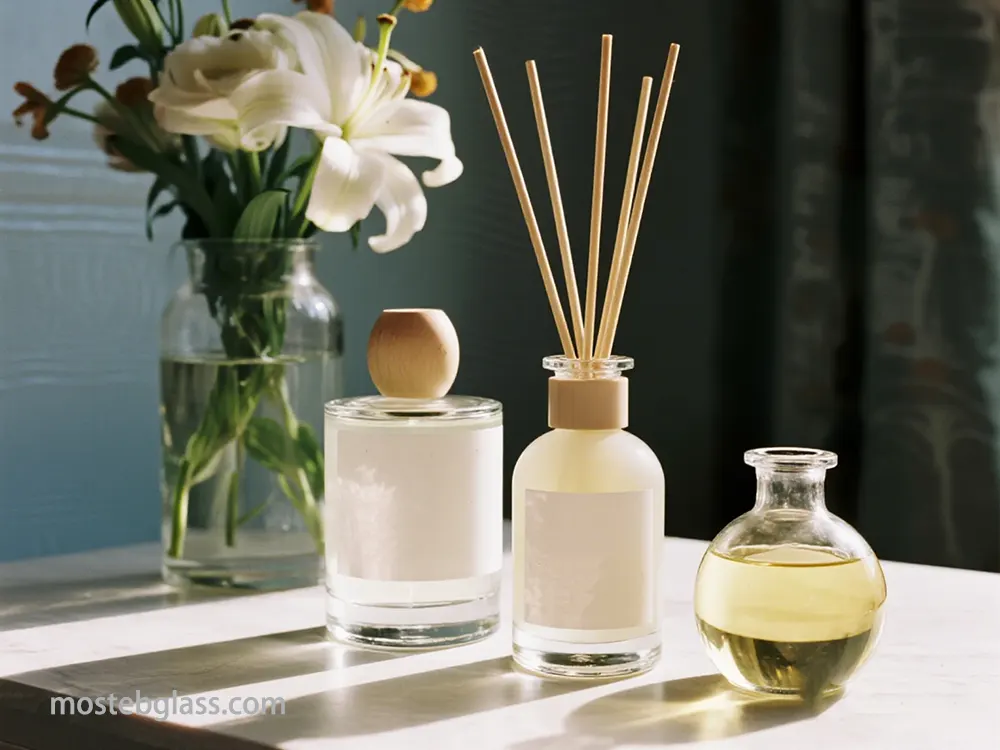
The selection of an appropriate manufacturing hub is a tactical move which affects lead times, cost and brand prestige. A global decorative diffuser bottles manufacturer has to bring a balance between the tradition of the past and the effectiveness of the present.
6.1. European Heritage vs. Asian Technological Agility
In the production of glass, especially in Europe, especially France and Italy, it has a prestige label that is very well received in the luxury industry. The hubs are characterized by the artisanal finish and historic experience. On the other hand, Asian manufacturing centers where Mosteb has a great deal of technological agility provide unrivaled scalability and innovation cycles. The fact that it takes weeks and not months to transform a design concept to an already complete prototype is a huge strength to brands that aim to tap into a fast moving market trend.
6.2. Balancing Customization with Rapid Scalability
The perfect decorative diffuser bottles manufacturer would be the one that can close these two worlds. They provide the high-touch customization of the boutique studio with the industrial ability to make millions of units to launch worldwide. This is because this hybrid model enables a brand to begin with small, limited-edition production to first test market before graduating to mass production, but at the same time remain at a consistent level of quality and design integrity throughout the entire product lifecycle.
Finally, the history of the decorative diffuser bottles manufacturer can be regarded as the evidence of the might of design-based engineering. With the emphasis on the material innovation, digital connectivity, and ethical transparency, manufacturers such as Mosteb are not merely filling bottles; they are also creating the future of the brand equity in the home fragrance market.