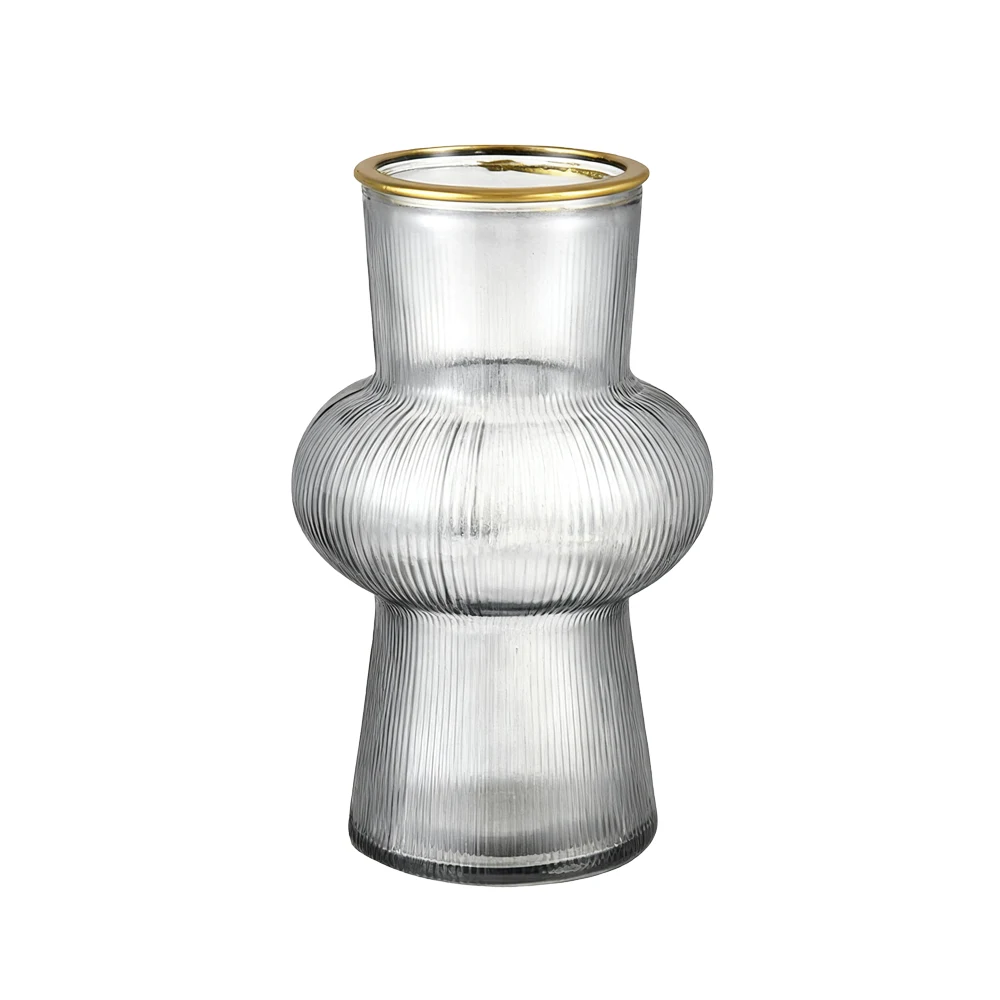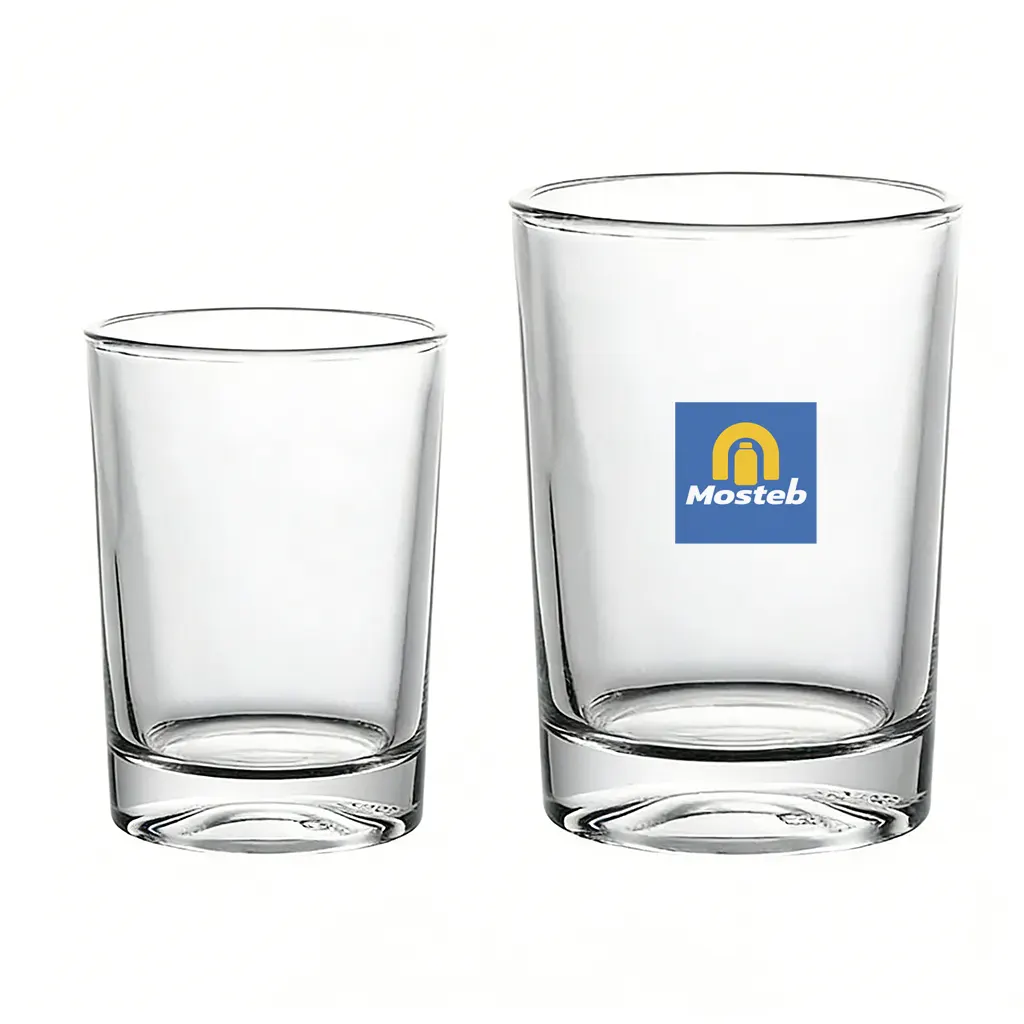
Understanding why glass table vases break spontaneously starts with one important fact: a vase can fracture without being dropped or visibly damaged because stresses may already exist within the glass or develop during handling and use. Various manufacturing defects, such as residual stress, surface damage, thermal shock and structural design may affect the tolerance of a glass vase to fracture.
1. The Hidden Reality Behind Spontaneous Glass Breakage
Although the glass fracture may not be apparent, it may result from one or more of the following: residual stress in the glass, damage to the surface of the glass, thermal loading on the glass, or lack of structural integrity that is not detected by routine inspection.
The system has hidden predictive capabilities because glass breaks without warning due to unknown causes which complete—through their shared thermal stress and surface deterioration and environmental conditions—until they develop into what appears to be an immediate incident which originates from extended mechanical changes that have been building up through several weeks to several months to multiple years of unrecognized development.
Residual stresses are left in glass when it is not annealed properly. These stresses can add to any surface flaws or extra loading and lower the margin for fracture in the glass.
The break does not happen all at once.
People can observe the break from their current location.
2. Annealing Failure: Where the Problem Usually Starts
The process of cooling establishes the level of strength.
The process of creating something new requires a different approach.
Residual internal stresses are minimized by the use of an annealing process during the manufacturing of glass. The rate of cooling and temperature range will vary according to the glass composition, thickness, shape of the products, and manufacturing methods. If the cooling process is not managed properly, there may be remaining stresses in the final vase, lowering the vase’s ability to withstand subsequent mechanical or thermal stresses. The production process needs to maintain faster operating speed which forces shorter duration cooling cycles that freeze internal stresses within the material structure. This condition creates a pre-loaded state for each vase which remains in wait for activation.
The system maintained its same level of reliability.
Uneven cooling can create residual stress gradients in glass, making some areas more susceptible to fracture when additional stress is introduced.
The main cause of spontaneous glass table vase cracking starts from an upstream location.

3. Micro-Damage and Handling: Invisible but Decisive
The system remains unprotected because it has not been fixed yet.
Small scratches, chips, and abrasions may not be obvious during a routine visual inspection, but they can act as stress concentrators when the vase is later exposed to impact, vibration, or thermal loading.
This is where responsibility becomes blurred.
Because damage rarely happens in one place.
So who owns the failure?
The answer is usually: everyone involved.
4. Thermal Shock: The Trigger, Not the Root Cause
Temperature shifts show their importance to scientific research.
Glass expands and contracts with temperature changes, and rapid or uneven temperature changes can create thermal stress within the material. This expansion results from moderate temperature changes which occur when warm water is added to a room-temperature vase and when the vase receives direct sunlight exposure. The internal stress gradients formed through these temperature changes will not result in structural failure unless existing structural weakness from residual stress and surface damage occurs.
The problem exists because thermal shock brings it to light.

5. Structural Design: When Aesthetics Undermine Stability
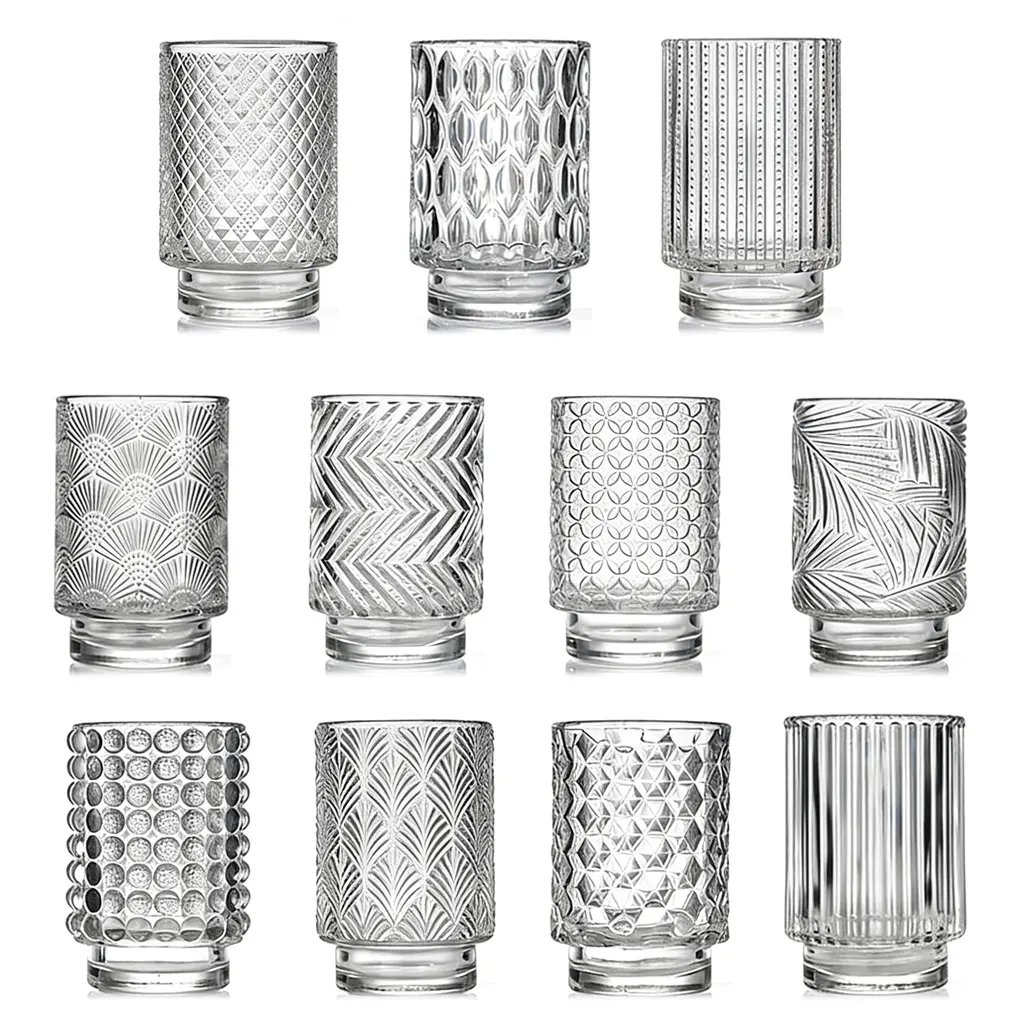
The manufacturing and handling requirements of a glass vase may be greater if it is thin, has sharp transitions, has a narrow neck, or is complex and unsymmetrical. Some sections, like the base to sidewall junction, could need special consideration of wall thickness and stress distribution. The thickness of the wall is not always the most important factor, however, and the entire configuration of the shape, amount of glass, annealing and application must be considered.
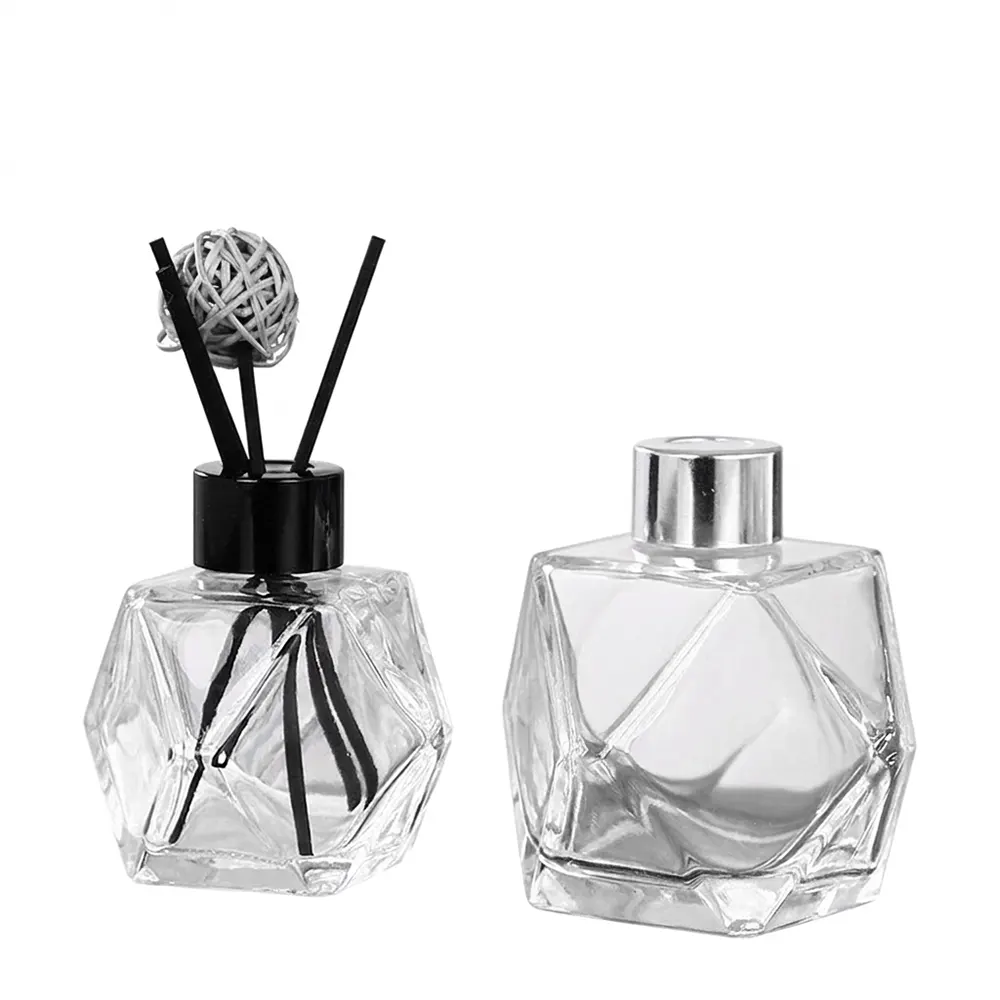
Contemporary glass table vases choose to emphasize their aesthetic value through design elements that include thin walls and sharp curvature transitions and asymmetrical shapes which create stress distribution problems that affect base and neck junctions because mechanical loads focus on those points, and the designs function properly in perfect conditions but do not handle manufacturing defects.
The product value depends on its design.
The building framework provides financial support for everything.
6. What Actually Drives Failure: A System View
| Factor | Role in Failure Process | Interaction Effect | Risk Level |
| Poor Annealing | Introduces internal stress | Amplifies all other triggers | Very High |
| Micro-Damage | Creates fracture initiation points | Accelerates crack propagation | High |
| Thermal Variation | Adds external stress | Activates latent internal stress | Medium |
| Design Weakness | Concentrates stress in specific areas | Reduces tolerance margin | Medium |
| Handling & Transport | Adds cumulative surface damage | Compounds with micro-defects | High |
7. How to Prevent Glass Table Vases from Breaking Unexpectedly
For suppliers:
- Controlled annealing
- Wall thickness consistency
- Base design
- Surface inspection
- Packaging design
- Shipping tests where appropriate
For users:
- Avoid sudden temperature changes
- Avoid impact
- Inspect for chips/cracks
- Use suitable packaging
- Do not expose unsuitable vase designs to extreme thermal conditions

8. Final Thought
There are few things we can say about glass that it has a memory, although in a figurative sense it does. The amount of tolerance that can be tolerated before fracturing can be affected by manufacturing stress, surface damage, transportation and temperature fluctuation and normal handling.
Buyers are taught a lesson: preventing unexpected breakage begins way before the vase arrives at your door. All glass composition, forming, annealing, inspection, packaging and intended use must be taken into account together.