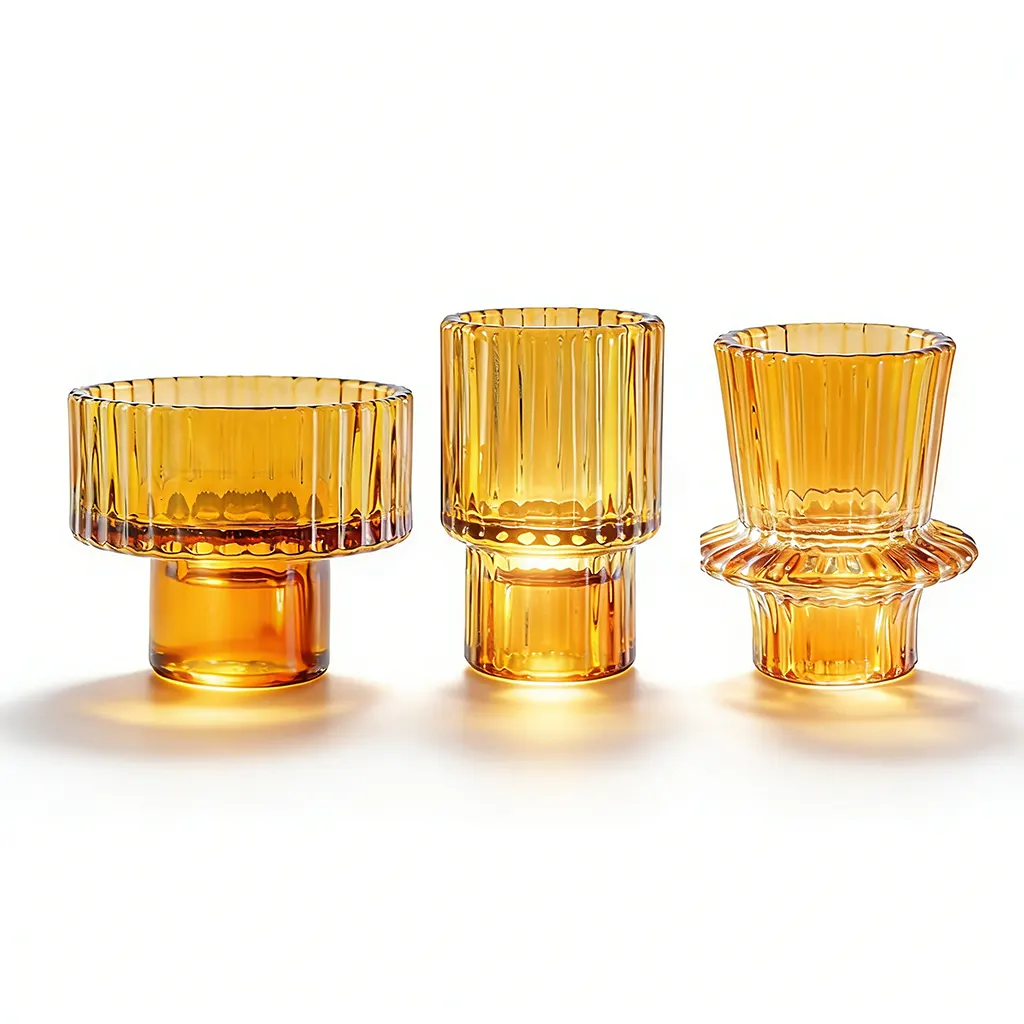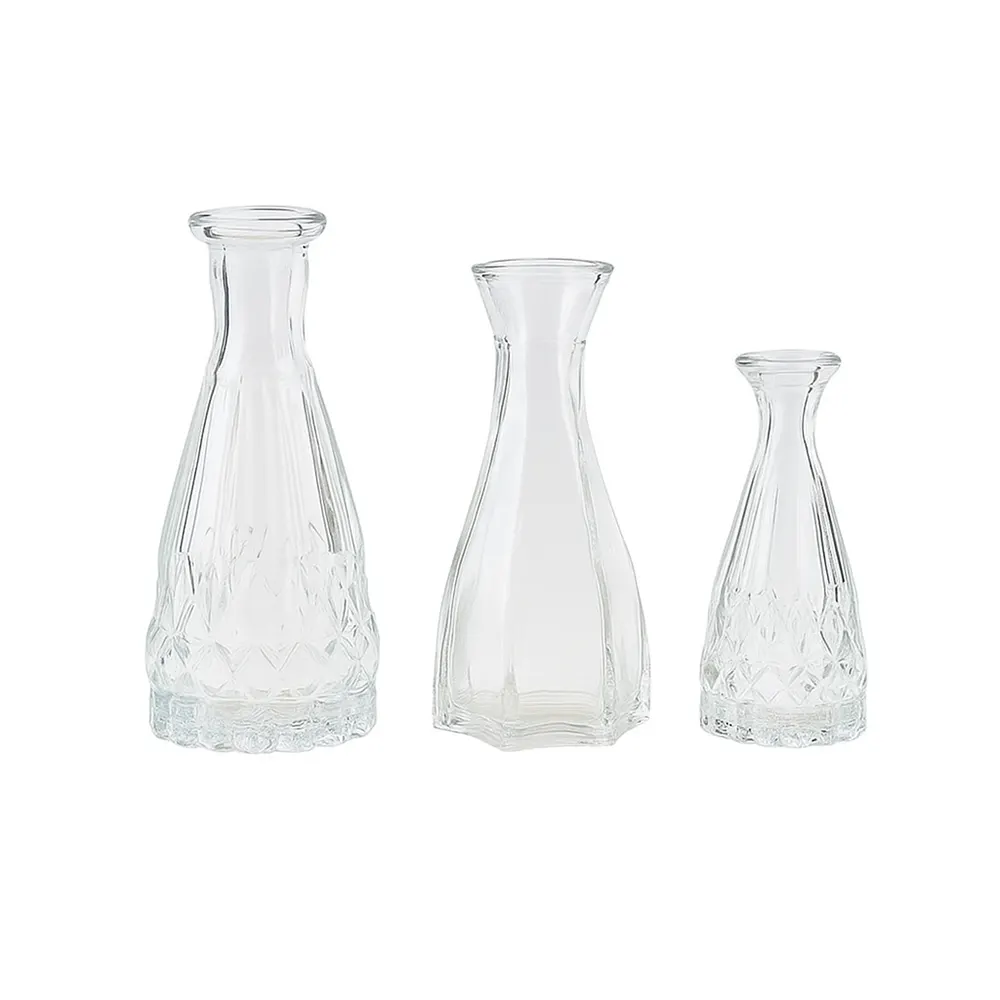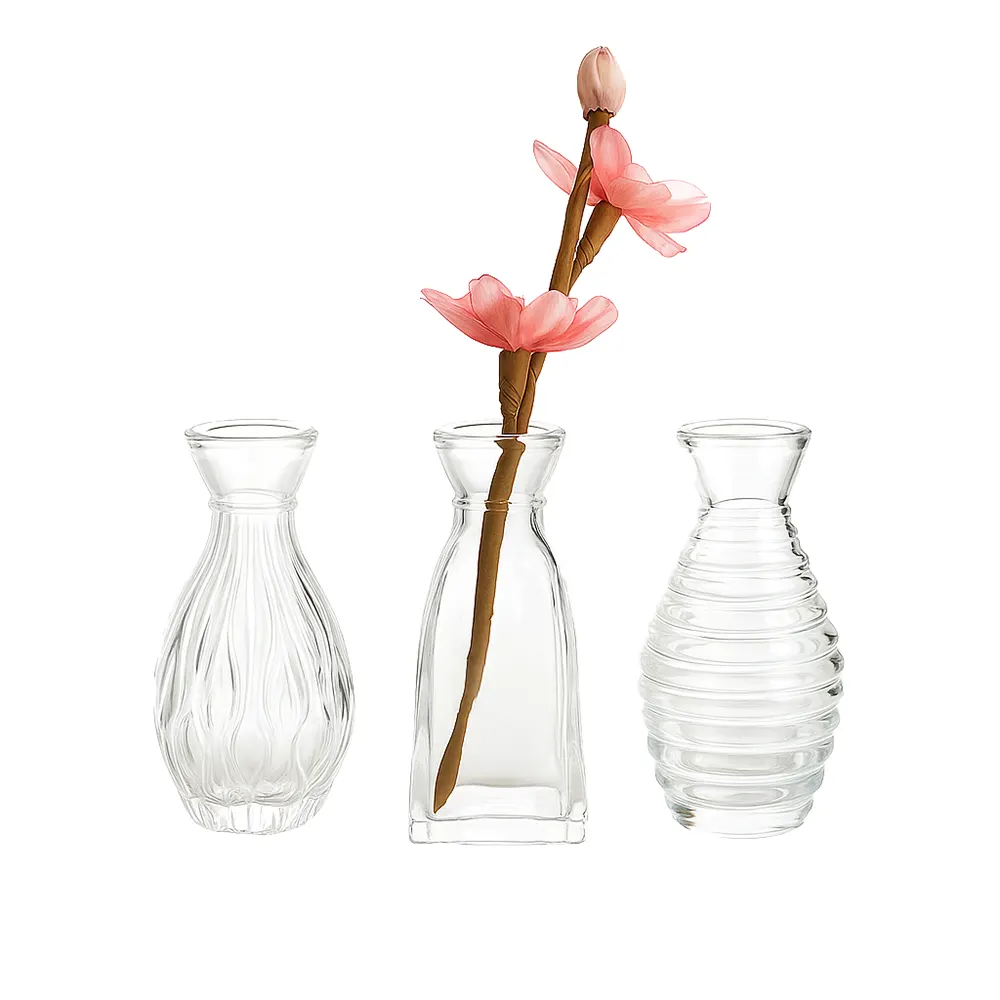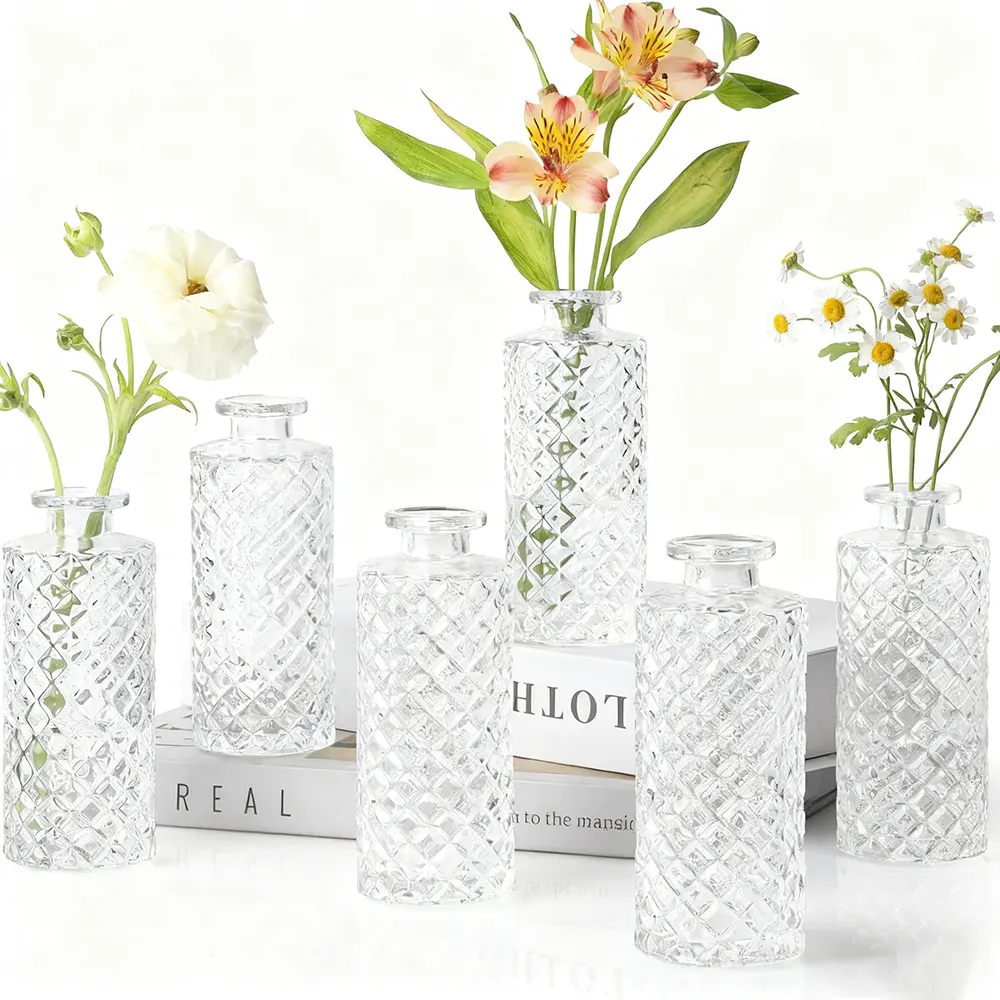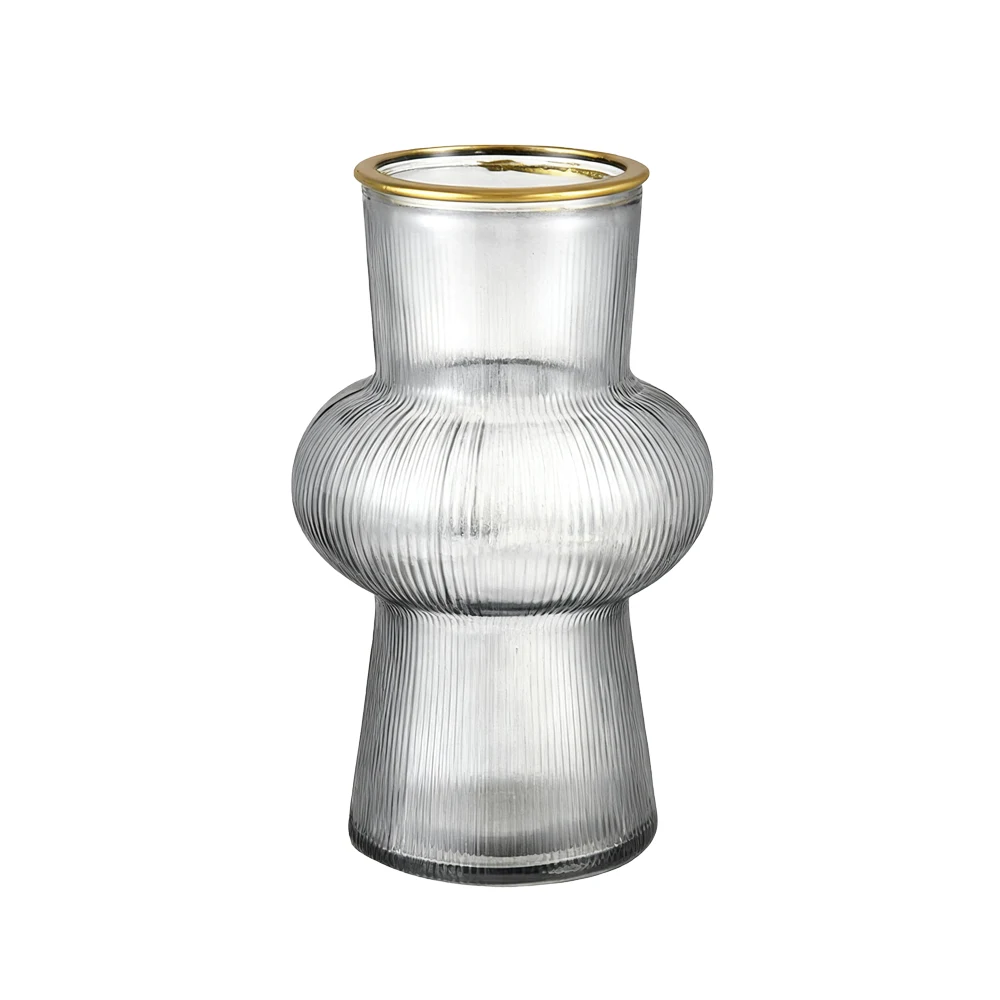
The demand for high wholesale glass diffuser bottles consistency calls for close monitoring of the entire process from materials sourcing, through manufacturing to post-production treatments. Uniformity is essential for brand identity and consumer trust of the brands that are in high-volume. This document expounds on the managerial and the on-the-ground measures that are needed to attain not only superlative visual consistency but also functional consistency in large-scale production runs.
1. Defining the Consistency Mandate and Quality Baseline
Establishing a definite consistency mandate necessitates deciding the production volume in relation to the market tier that is targeted, which in turn determines the Acceptable Quality Limits (AQL). The luxury brands will have a lot more stringent tolerance levels and will require that the defect rates be a lot lower as compared to the mass-market products.

1.1. Volume Scaling and Market Tier Alignment
An increase in production volume calls for very tight controls so as not to allow the small variations to accumulate resulting in considerable discrepancies of the inventory and brand dilution.
- Luxury Tier (Mosteb): Almost visually defect-free (seeds, stones, blisters) areas are a must and dimensional tolerances should be very tight (most of the time $\pm 0.1$ mm). The stress is laid on the perceived quality—clarity, weight distribution, and perfect surface finish.
- Mass-Market Tier: It is possible to have normal AQL levels (e.g., AQL 2.5/4.0) with an emphasis on the functional side of the product rather than the absolute aesthetic side.
1.2. Establishing the Acceptable Quality Limit (AQL) Baseline
AQL standard is expected to be quite detailed describing Critical, Major, and Minor defects. For Mosteb, which targets the high-end market, we implement stricter criteria and thus require that nearly 100% of the inspections be automated for the critical parameters.
| Defect Category | Definition for Diffuser Bottles | Recommended AQL (Luxury/Mosteb) |
|---|---|---|
| Critical | Leakage, sharp edges, structural failure, incorrect neck finish. | 0.0% (Zero Tolerance) |
| Major | Functional failure (cap won’t seal), significant dimensional deviation, severe visual flaws (cracks, large seeds). | 1.0% |
| Minor | Small seeds/blisters, minor scratches, slight color variation, minor height deviation. | 2.5% |
2. Mitigating Material Variation through Strategic Sourcing
Consistency is the starting point at the earliest stage of the production chain–the raw material one. One of the most critical factors to clarity and the metal color of the glass is the glass composition, more specifically the iron oxide content. Keeping this variation under control throughout the production runs is extremely important.
2.1. Sourcing Strategy and Material Control
The decision to single-source or dual-source is a matter of giving up consistency control for supply security. While single-sourcing provides the highest consistency, it carries more supply risk. On the other hand, dual-sourcing reduces the risk of supply but makes it difficult to get the same natural glass color and clarity from different furnaces.
Proactive Solution: In case dual-sourcing cannot be avoided, establish a Master Sample system. Both suppliers should compare their products to a physical and spectrophotometric standard. Impose the use of low-iron silica sand for ultra-clear glass so that the natural green tint is at its minimum.
2.2. Controlling Inherent Glass Properties
Consistent inherent glass properties (refractive index, thermal expansion) are necessary for the bottle wall to have an equal thickness and for the glass to be strong.
- Compositional Audits: CoA (Certificates of Analysis) should be required for all raw materials and a consistent ratio of the cullet (recycled glass) should be maintained. When the cullet ratio is high, the likelihood of contaminants that cause seeds or stones is also high.
- Annealing Curve Standardization: The annealing step which is aimed at stress relief should be the same for all runs. Different annealing can result in the product having different birefringence (optical distortion) and the product will be more prone to thermal shock, which will be a problem for bottles that will undergo coating at high temperatures later on.
3. Ensuring Functional Integrity: Critical Dimensional Control
Functional integrity largely depends on exact dimensional control, mainly the bottle‘s neck finish which is the part that determines the quality of the seal and the compatibility of the closure.

3.1. Precision in Neck Finish and Closure Tolerance
The neck finish is the most crucial part of a function; hence, defects in this area will result in leakage and customer dissatisfaction directly. The most important features of the product should be:
- Thread Profile: The profile should strictly follow the GPI/GCMI standard (for example, 18/410).
- Sealing Surface (Land): The surface has to be absolutely even and without any chips or hollows to guarantee a tight seal.
- Outer/Inner Diameter (OD/ID): Adjusted so that the closure is neither too shaky nor too tight, but a perfect fit is achieved.
Different samples should be taken very often and the defect level should be as close to zero as possible, thus, a full in-line, continuous control with laser micrometers or profile scanners right after forming is necessary.
3.2. Tooling Management for Uniform Geometry
Most of the dimensional changes in large-scale production are due to the wearing out of the mold.
- Tooling Lifecycle Protocol: A very precise replacement or refurbishment timetable should be established based on the number of cycles (for example, the inspection every 500,000 to 1,000,000 cycles).
- Gob Weight Control: The weight of the molten glass gob has to be very consistent, in order to ensure uniform wall thickness distribution. If there are any variations they will affect bottle height, base thickness, and stability. To be able to keep the temperature and the weight of the gob constant the advanced suppliers have to use servo-driven feeders and thermal imaging.
4. Standardizing the Aesthetic Finish and Durability
The consistency of these products is challenged by the different post-production treatment processes (frosting, color coating, etching) that may be applied to them. It is very important that the uniform application of the treatments is maintained across the batches for the brand look.
4.1. Achieving Uniformity in Coating and Frosting
The color consistency can be precisely defined by the use of spectrophotometers. When talking about Mosteb diffusers or any other premium products, the color variation target should be Δ E < 1.0$ between batches.
- Coating Control: The main factors for the coating to be consistent are the viscosity, temperature, and flow rate of the material to be coated, the speed of the conveyor, and the pressure for the atomization. None can be missed if a high consistency in volume is to be achieved – automatized robotic spraying systems are a must.
- Frosting Uniformity: For chemical frosting the acid concentration and the time of immersion have to be tightly controlled to avoid a patchy or uneven surface texture.
4.2. Durability and Adhesion Testing Protocols
The aesthetic enhancers should be of a quality that they can go through handling, filling, and shipping without any problems. If the adhesion is poor, then it will result in the flaking, which is a very serious aesthetic defect.
- Cross-Hatch Adhesion Test (ASTM D3359): This test must be done on the samples taken from each batch in order to confirm that the proper adhesion of the coating to the substrate has been achieved.
- Abrasion Resistance: The rate at which the wearing of the material is being done will be the main criteria in measuring the extension of the limitation of a given coating to put up with abrasive agents using a Taber Abraser or similar equipment.
- Chemical Resistance: One should test the coating using the diffuser oil solvent (e.g., DPG) to check if the coating is resistant to that or if it dissolves or degrades in the case of accidental contact during the filling process.

5. Advanced Quality Assurance and Supplier Audits
Consistency over a long period of time necessitates the use of quality assurance measures that are proactive, technologically equipped, and deeply integrated with the supplier.
5.1. Implementing Automated Inspection Technologies
Automated inspection systems provide an objective and a repeatable quality check, which is a replacement for the subjective human inspection in high-volume demands.
- Machine Vision Systems: The machine vision system includes high-resolution cameras and special lighting, which by illuminating the object and using the image processing algorithms, can discover very tiny defects (seeds, stones, scratches, and small cracks) quickly in the whole surface and base of the object.
- Laser Gauging: Used for complete 100% checking of the main measurable features (neck finish, height, diameter) so as to get rid of functional defects that impact users in any way.
- Automated Polariscopes: Very useful in localizing and measuring the quantity of the internal stress (bad annealing) in millimicrons and, thus, being able to assure the material’s binding strength and optical clearness.
5.2. Proactive Supplier Audits and Process Control
Strong agreements consist of necessary, planned audits that concentrate on process control and serve as a means to track quality drift even before it influences the output.
- Process Control Audits: During this type of audit the monitor takes a look at the supplier’s Statistical Process Control (SPC) data for the main variables (gob weight, furnace temperature, annealing curve) to spot the negative trends before the production goes beyond the specification limits.
- Tooling Management Review: Check the supplier’s record of tooling replacements and mold maintenance procedures since inconsistent maintenance is the prime mover of future dimensional issues.
- Contingency Planning: Require the supply of documented steps of dealing with furnace shutdowns or contaminated materials to be able to assure the continuity and stability of the supply.
Through these strict controls from purchasing raw materials, accurate tool making to sophisticated automated examinations, Mosteb is able to maintain the visual and functional quality that is consistent with its brand image for glass diffuser bottles supplied wholesale.