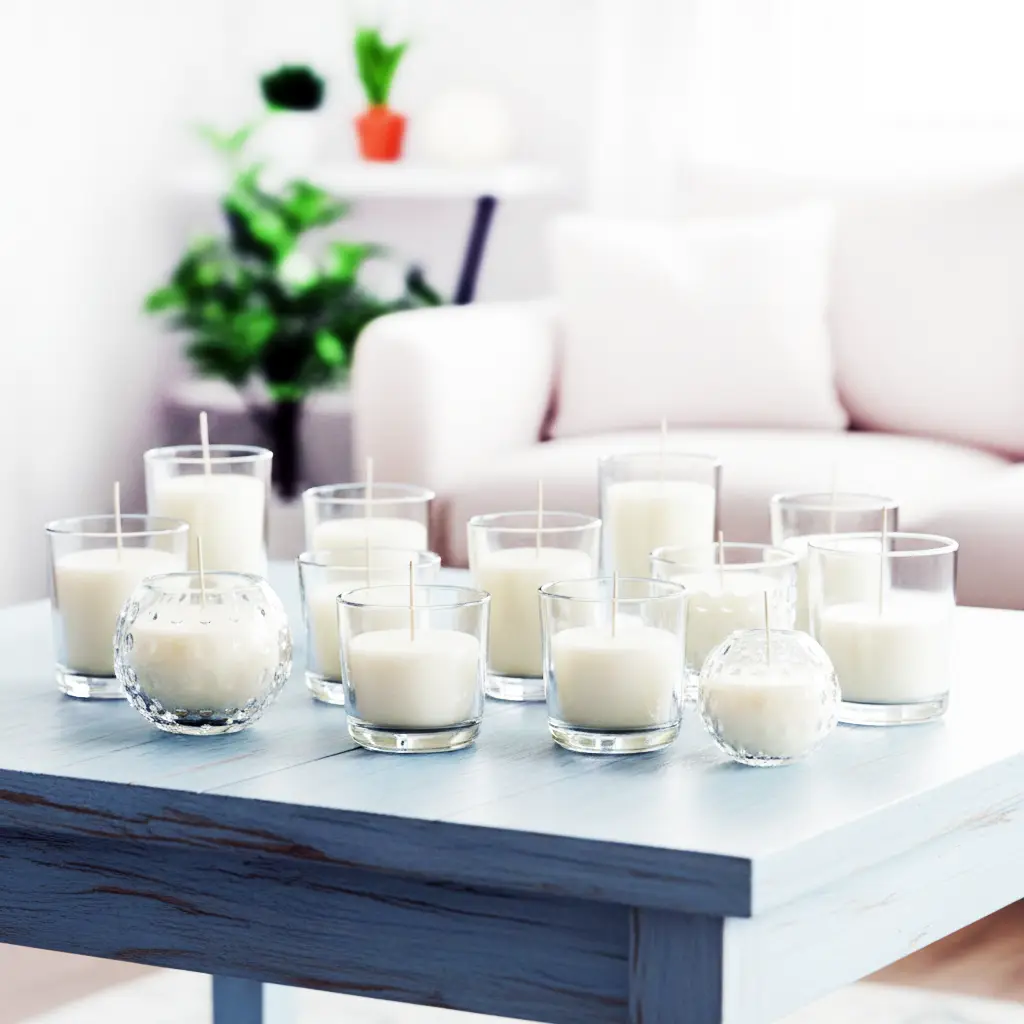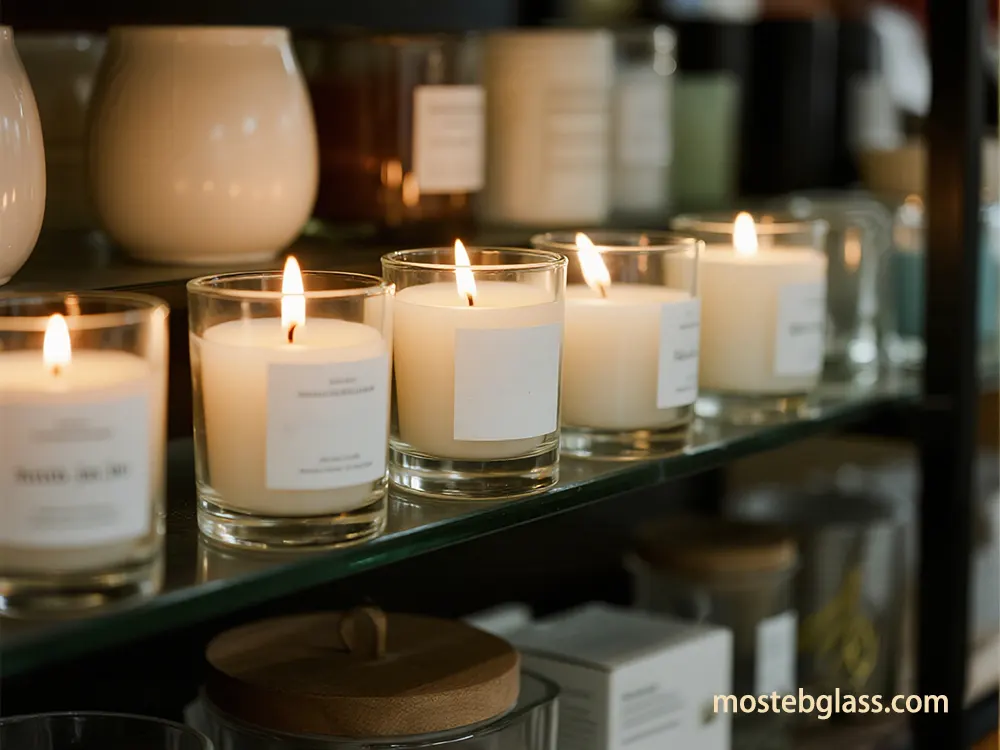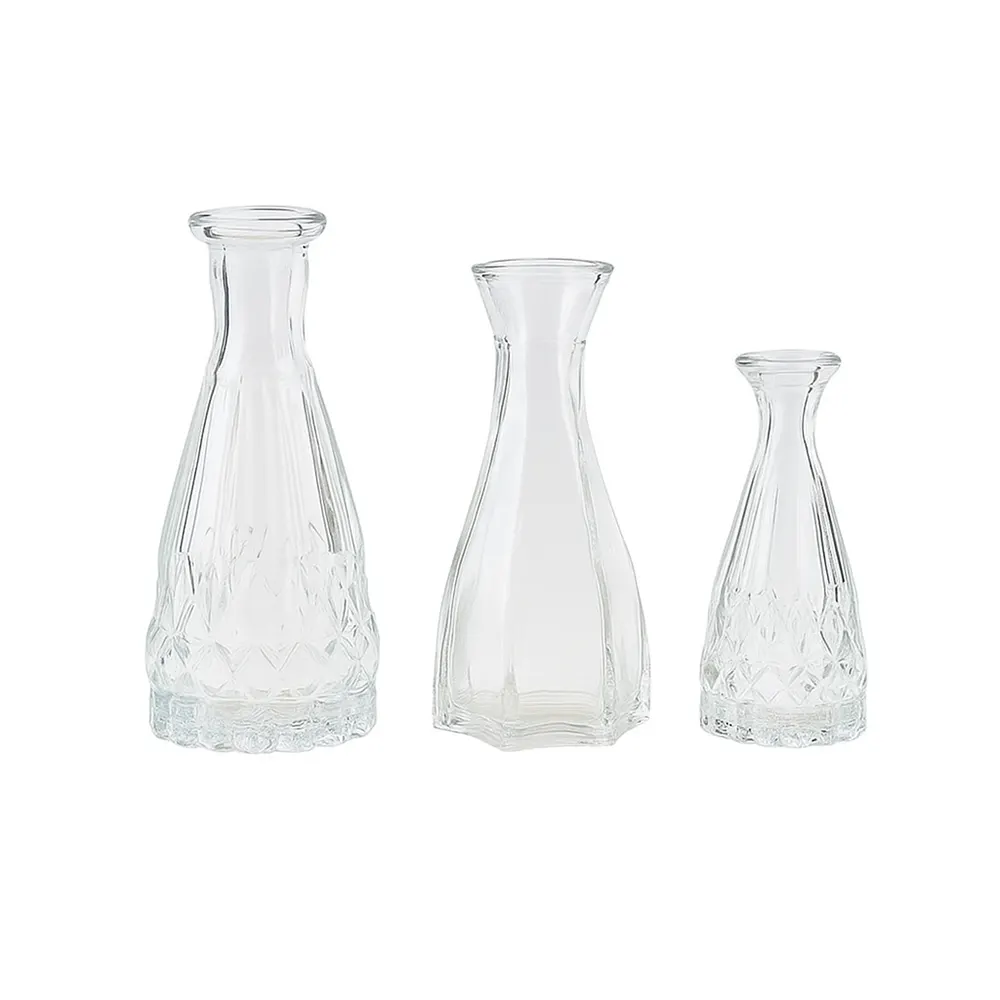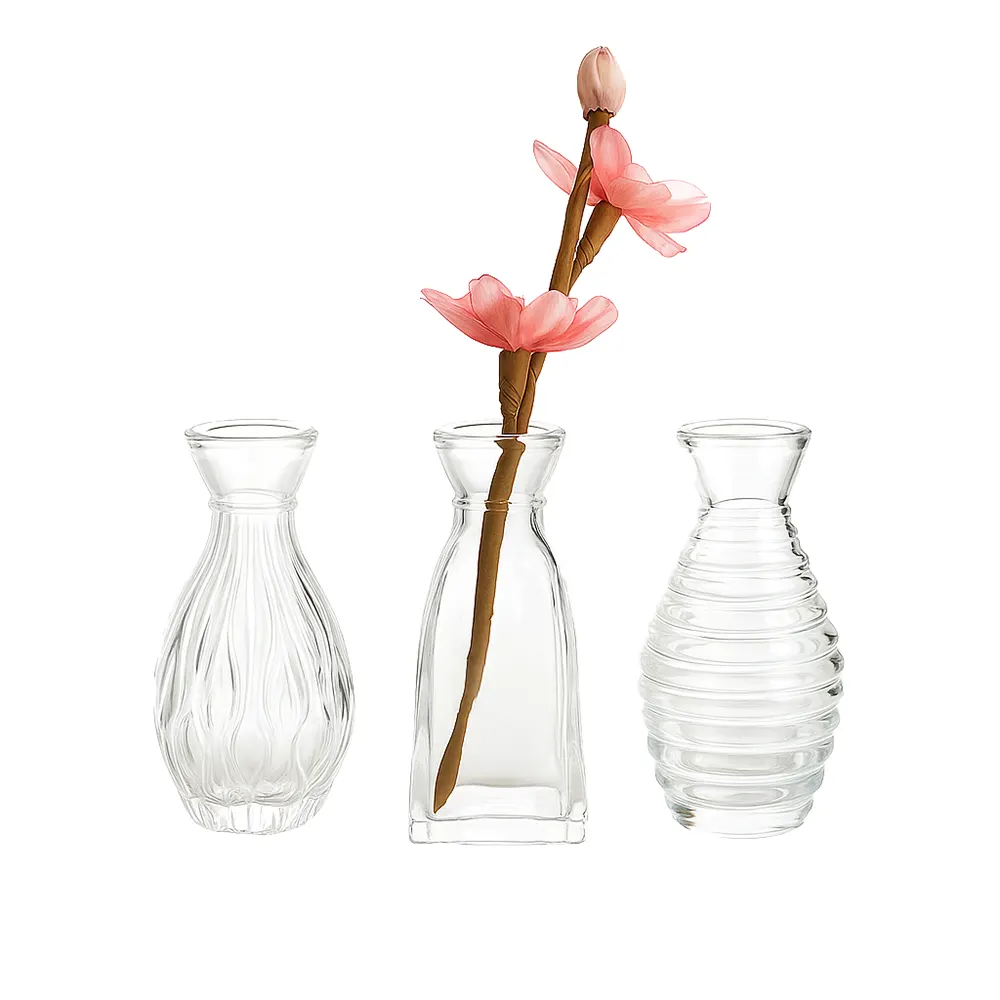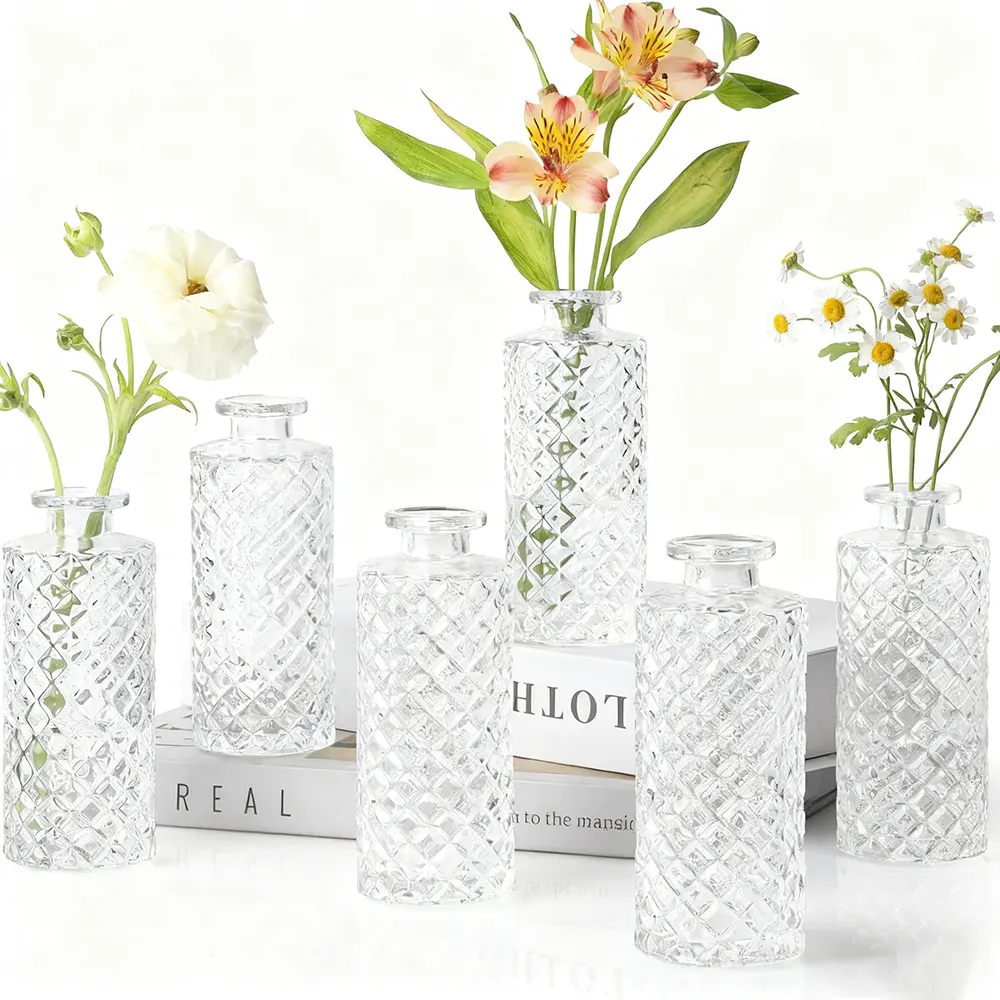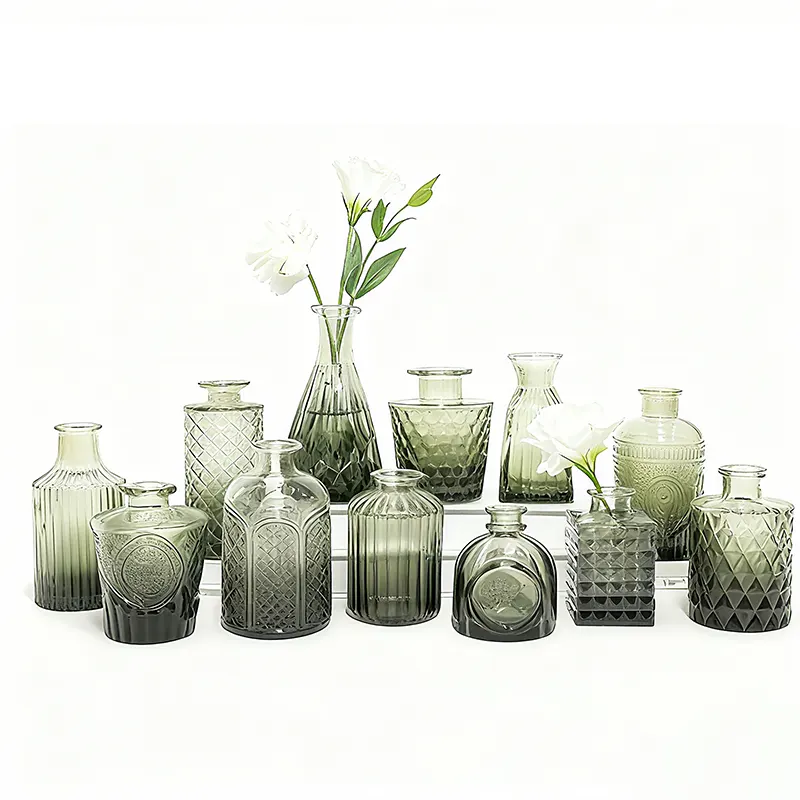
The results are determined by annealed vs tempered glass. I have fifteen years of experience in embedded service in candle factories and glass supply chains, and here is the ugly secret: the majority of tealight holder failures are not related to design, fragrance oil chemistry, or even the diameter of the wick, they are connected to one material decision made several months prior in what passed as a twenty-minute procurement meeting.
So. Which glass does not melt in a candle?
1. The Industry Reality Nobody Says Out Loud
Annealed glass dominates.
It is selected because of the facile nature of the annealed glass manufacturing process since molten soda-lime glass (SiO2 =72%, Na2O =14%, CaO =10%) slowly solidifies by cooling in the annealing lehr at approximately 540-600 degC, eliminating the internal stress. Cheap. Predictable. Fast.
Heat however alters the equation.
The flame of a tealight burns at the wick up to 800-1000 degC, with the casing surface cooled to between 120-250 degC, depending on the thickness of the walls and the airflow. It is then that the difference between annealed and tempered glass do come into play.
At 40-60 degC difference, annealed glass fractures at thermal shock.
Tempered glass? Often tolerates 200 degC+.
That’s not marketing copy. That’s physics.
And–I have witnessed the results.
In 2024, the U.S Consumer Product Safety Commission registered several recalls of candle containers cracking due to thermal stress. An example was a recall of more than 1 million units of candles because of fire hazards, as reported in a government recall notice by U.S. Consumer Product Safety Commission.
The trigger?
Container failure.
Not fragrance. Not wick.
Glass.
2. Annealed Glass: Cheap, Flexible, Risky
Short sentence. It’s everywhere.
The bulk of decorative tealight holders available in the world market operate with an annealed glass due to its ease in bending to thin forms, embossing designs or even form large decorative batches without secondary processing.
However, here is the trade-off, which no one in procurement will like to talk about.
In the case of the failure of annealed glass, it shatters into big sharp shards.
That matters legally.
With a case on product liability, following a candle container explosion case reported in the news by Reuters, product liability lawyers repeatedly cited the material selection as one of the factors that led to the fracture of the container resulting in injuries.
and lawyers admire physical certainty.
3. Tempered Glass: The Safety Upgrade
Now the other side.
Tempered glass is simply annealed glass that is re- heated to approximately 620-650 degC and then it is blasted with high-pressure air to cause it to cool very fast.
Result?
Surface compression.
Internal tension.
Which gives safety characteristics with tempered glass, so known:
4-5 times stronger mechanically Thermal shock much greater Additional fractures into tiny granular particles rather than blades.
But there’s a catch.
It is through tempering that design freedom is restricted.
Thin embossing patterns? Difficult. Complex decorative shapes? Risky. Ultra-thin walls? Often impossible.
So industry tradeoff reoccurs.
Decoration versus safety.
4. What Is Tempered Glass Used For in Candles?
Let’s be blunt.
Premium candles.
Large containers. Multi-wick jars. Outdoor candle lanterns.
Actually, the international candle market was worth over $13 billion in 2024 based on market statistics that have been documented by Statista and the premium segment, where consumers believe that they are buying safer packaging, has been the most growing category.
Tempered glass is practically invariably named in those brands.
Not because it looks better.
Because lawsuits cost more than glass.
5. The Hard Data: Side-by-Side Comparison
| Property | Annealed Glass | Tempered Glass |
| Manufacturing Method | Slow cooling through annealing lehr | Reheated then rapid air quench |
| Thermal Shock Resistance | ~40–60 °C | Up to ~200 °C |
| Mechanical Strength | Baseline | ~4–5× stronger |
| Breakage Pattern | Large sharp shards | Small granular fragments |
| Cost | Lower | 20–40% higher |
| Design Flexibility | Excellent | Limited after tempering |
| Typical Use | Decorative holders, budget tealights | Premium or safety-focused candle jars |
One sentence – Physics wins.
6. Best Glass for Tealight Holders (The Honest Answer)
People want one answer.
There isn’t one.
The annealed glass often works fine if you have a seasonal retail production of cheap decorative tealights where you have the wall thickness not less than 2.5-3 mm and the flame distance is kept.
But if you’re producing:
volume exports luxury candles large diameter tealights hospitality candles (restaurants, hotels)
Tempered glass is safer.
And regulators are all coming to the same opinion.
Individually, European EN 15493 fire-safety standards of candle fire-containers suggest that the container material should be able to withstand repetitive heat cycles without fracture- many thin annealed holders cannot.
7. How to Choose Glass Types for Tealight Production
Ask three questions:
- What will be the temperature of the container? The multi-wick burns a lot more heat than tealights.
- How thin is the glass? Beneath 2.5 mm thickness, the annealed glass exposes itself to high risks.
- Where will the candle be sold? The U.S. and the EU product liability are extremely unforgiving as compared to emerging markets.
Those questions you can ignore and you are not making candles. You’re gambling.
8. Synonyms for Tempered Glass in Home Decor
Instead, they write:
hardened glass safety glass Thermal strength glass Heat strengthened glasses.
Same material – Different marketing.
FAQs
1. What is the difference between annealed and tempered glass?
Annealed vs tempered glass is a comparison between two processes of glass processing in which annealed glass is allowed to cool gradually after being formed, and tempered glass is again heated to about 620 degC then air-quenched, to form compressed outer surfaces that greatly enhance strength, heat resistance, and safer breakage behaviour.
2. What is the best glass for tealight holders?
Glass to be used in tealights can vary depending on the safety factor and the design but usually tempered glass can be used since it can withstand greater thermal shock, candle heat cycles (over 150 degC) more than normal glass, and when failure occurs, it breaks into smaller granules and not sharp objects.
3. Are tempered glass candle holders heat resistant?
The reason is that the outer surface temperature of glass material becomes heat resistant as a result of the thermal tempering process where the material is compressed and the container can endure the difference in temperature of up to approximately 200 degC without cracking, much better than the case of glass candle containers failing due to temperature variations.
4. Is annealed glass unsafe for candles?
Annealed glass is not necessarily unsafe to candles but would be unsafe in thin holders, multi-wick designs, or holders with inadequate ventilation due to its much more limited ability to withstand thermal shock than tempered glass and cracks or breakages would be more probable with frequent heating cycles.