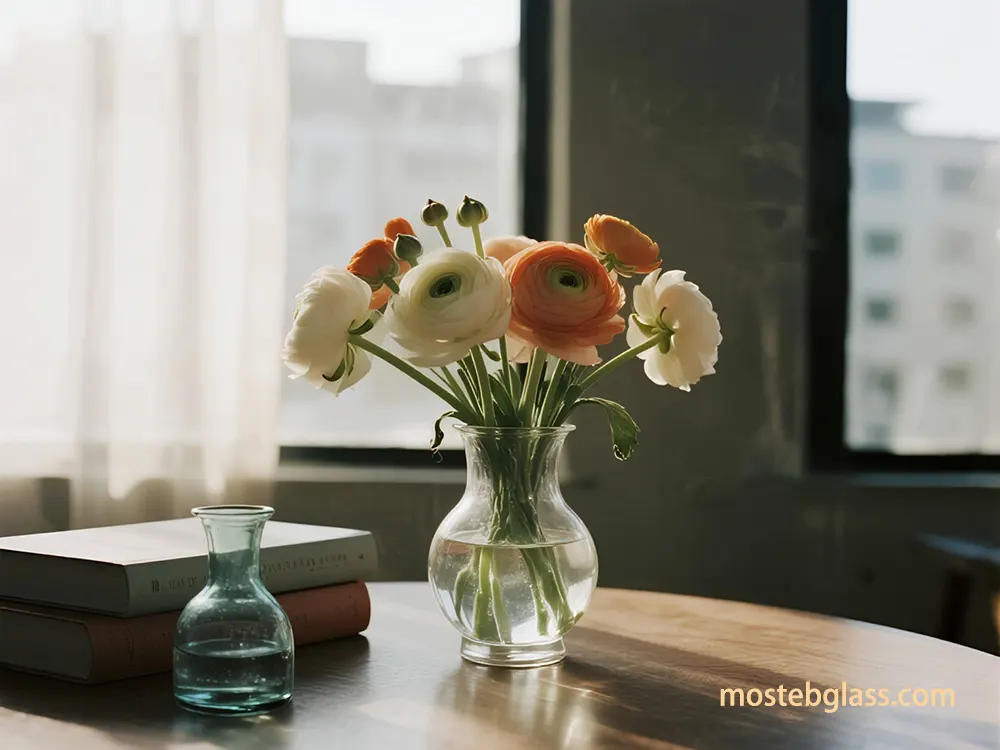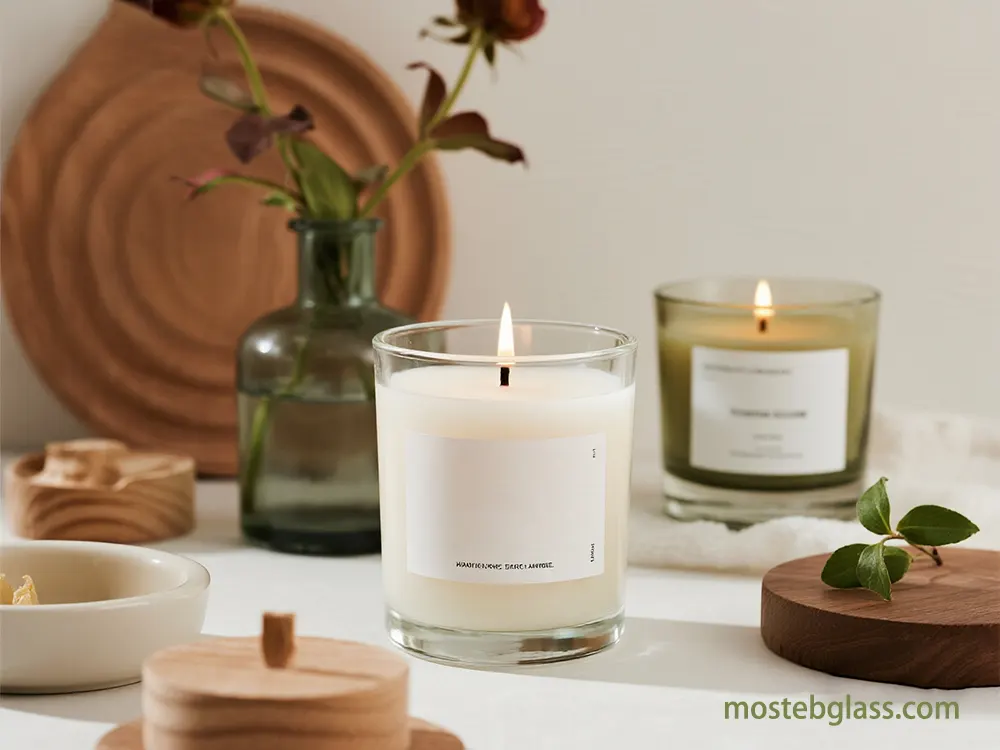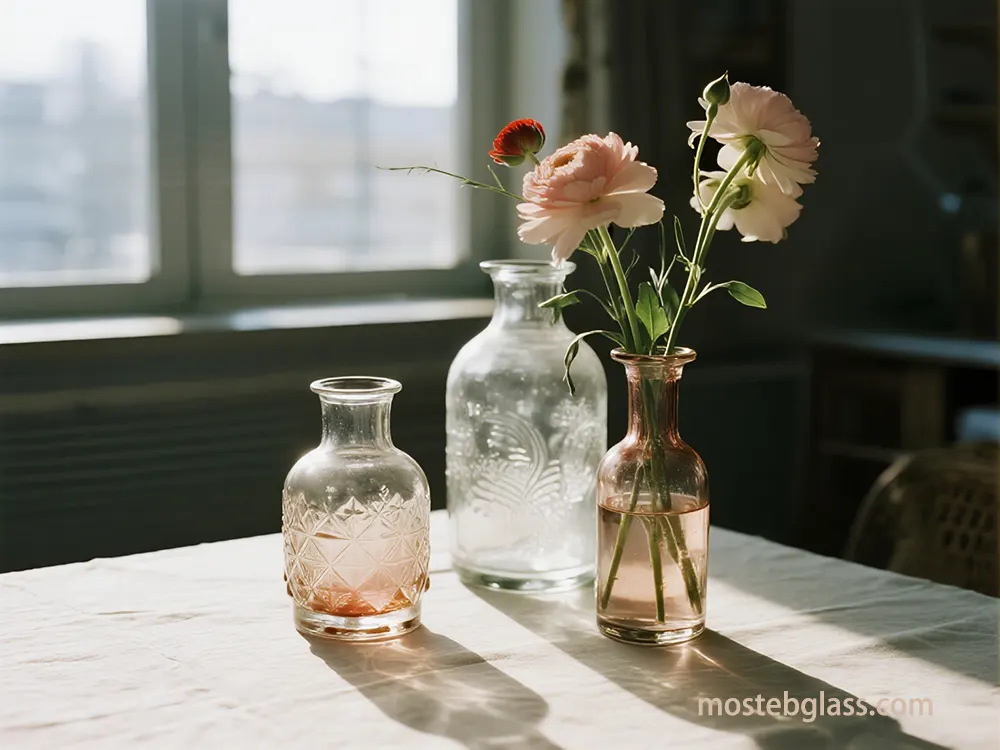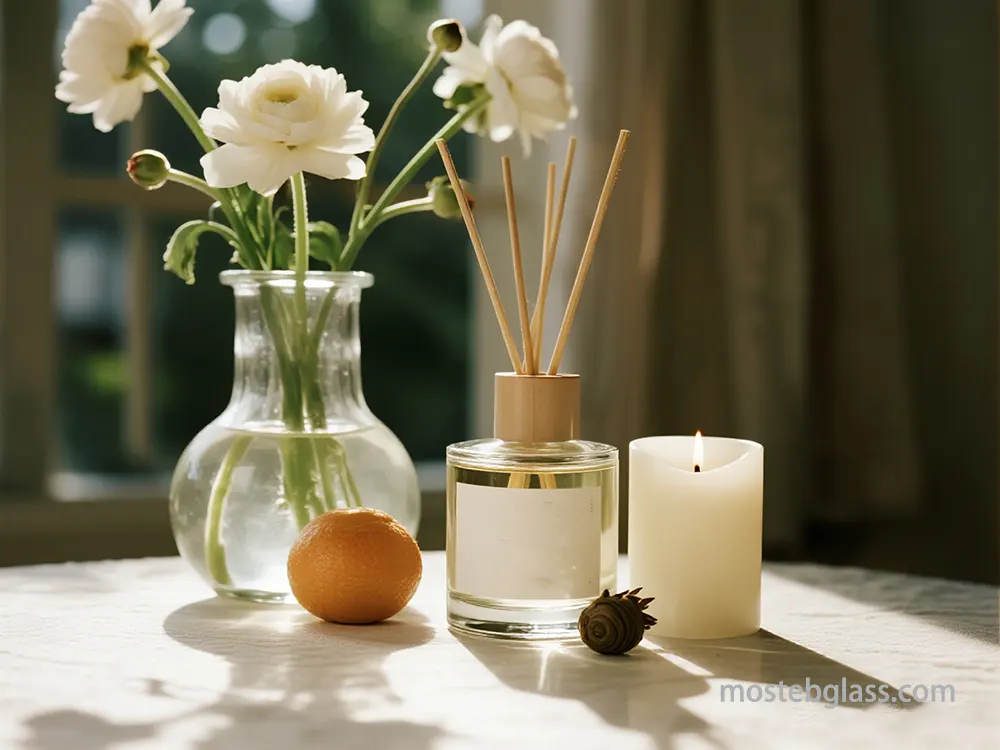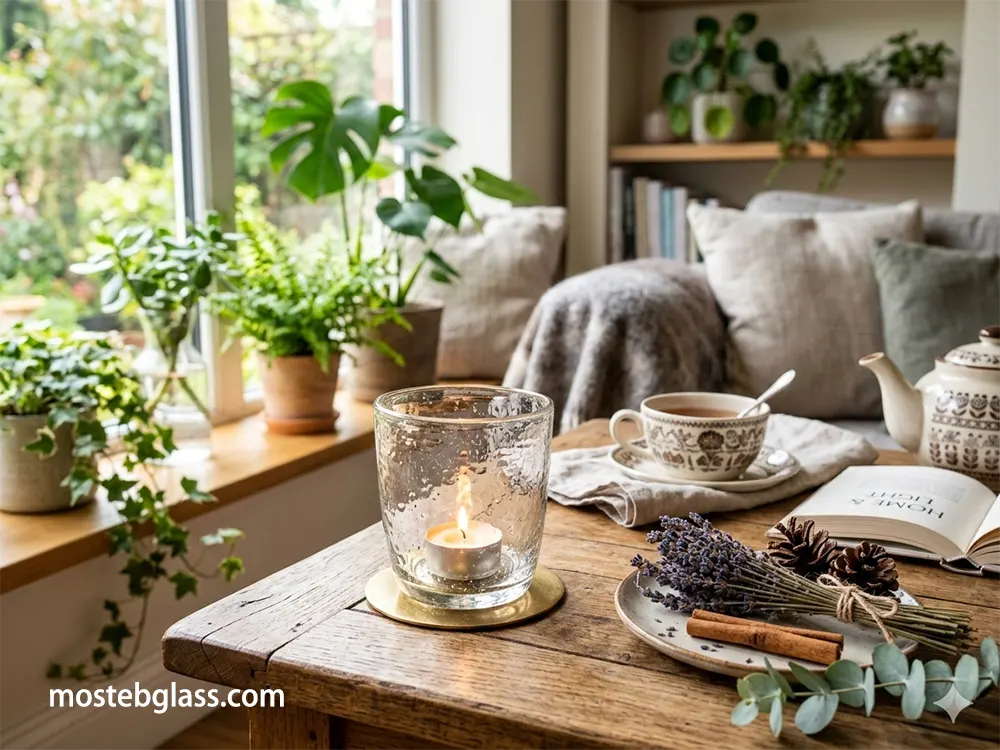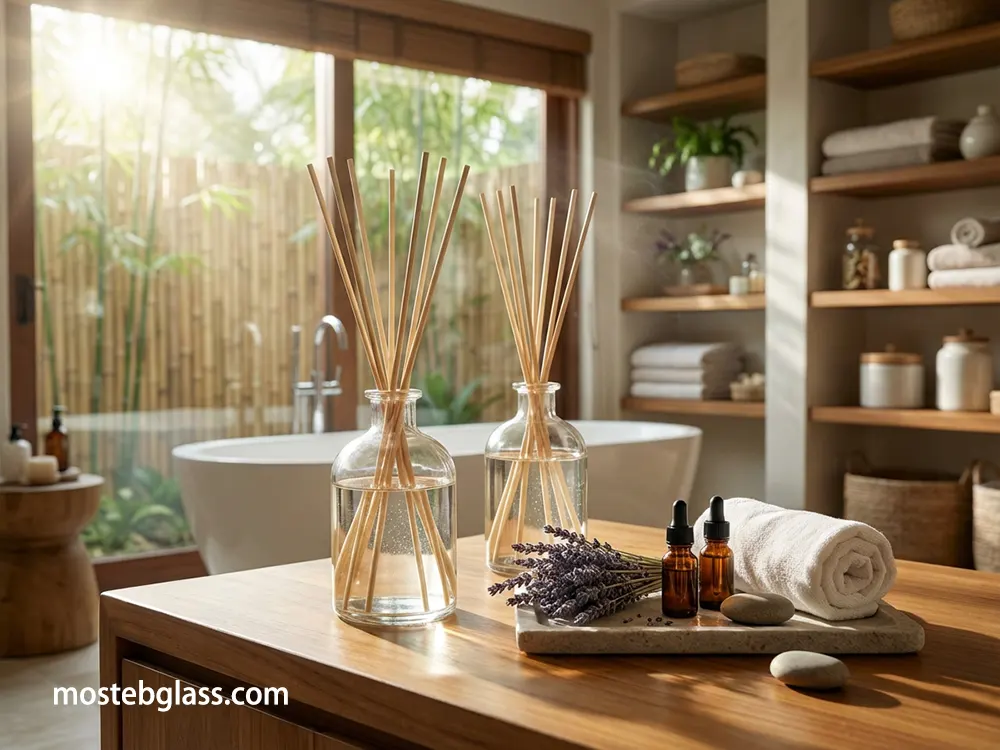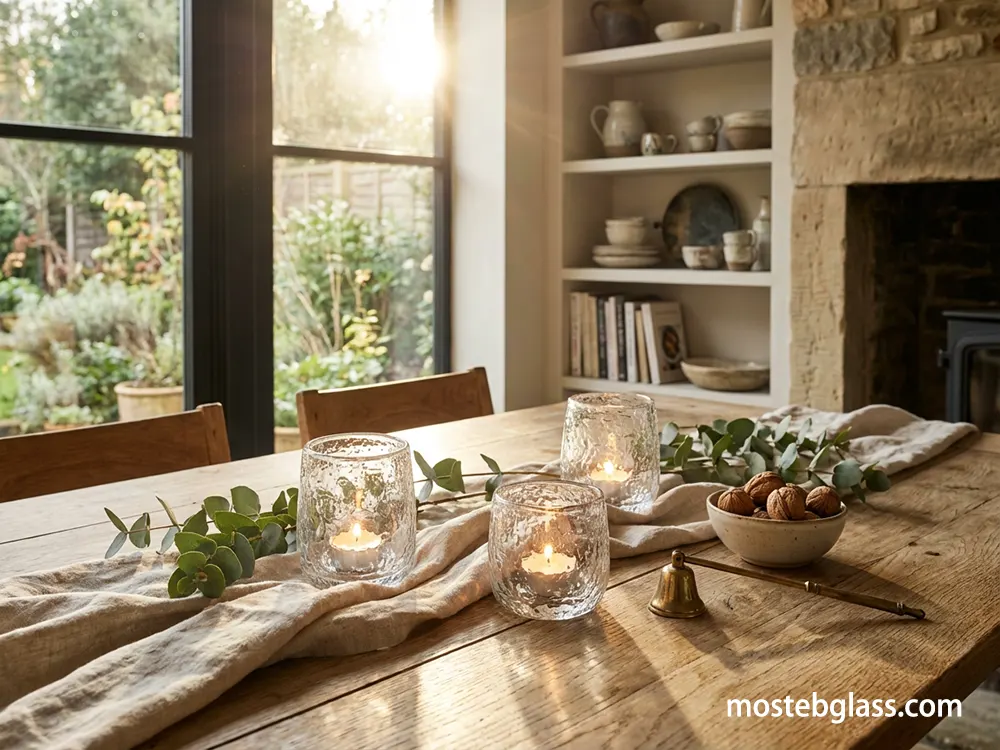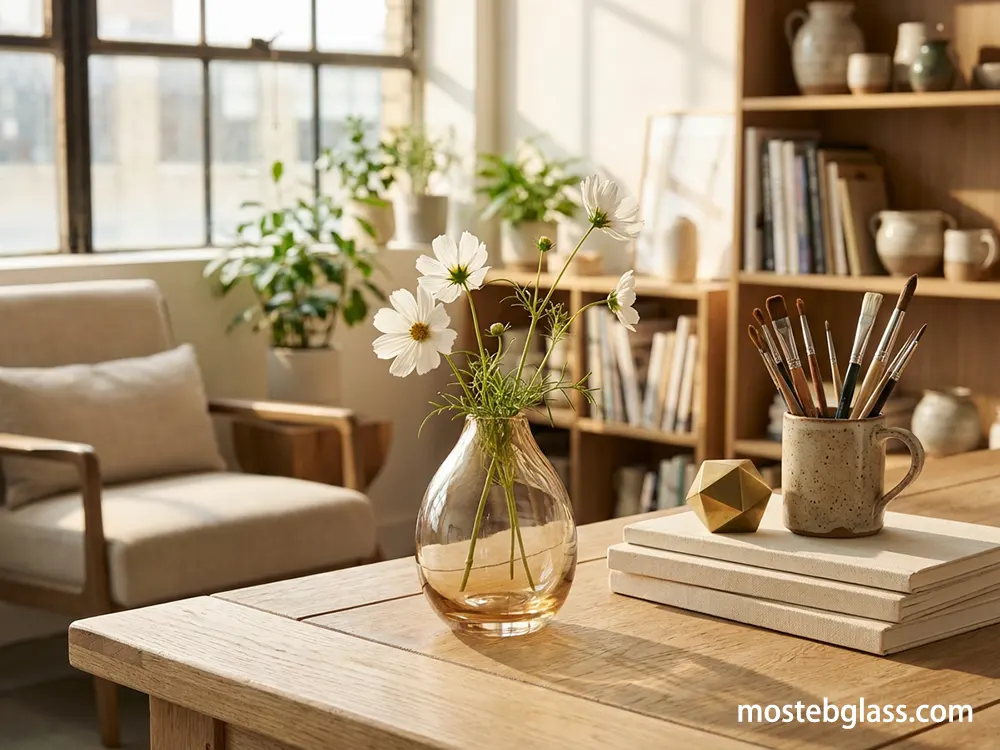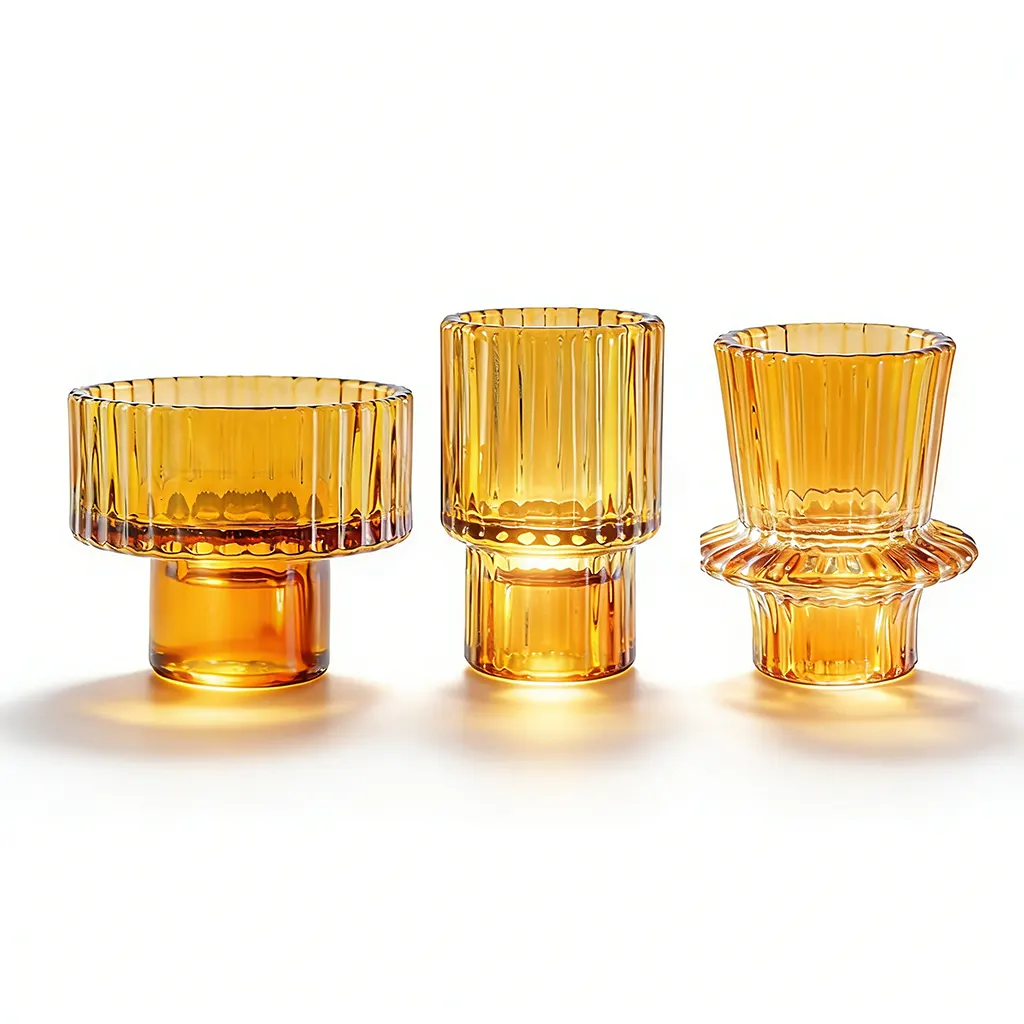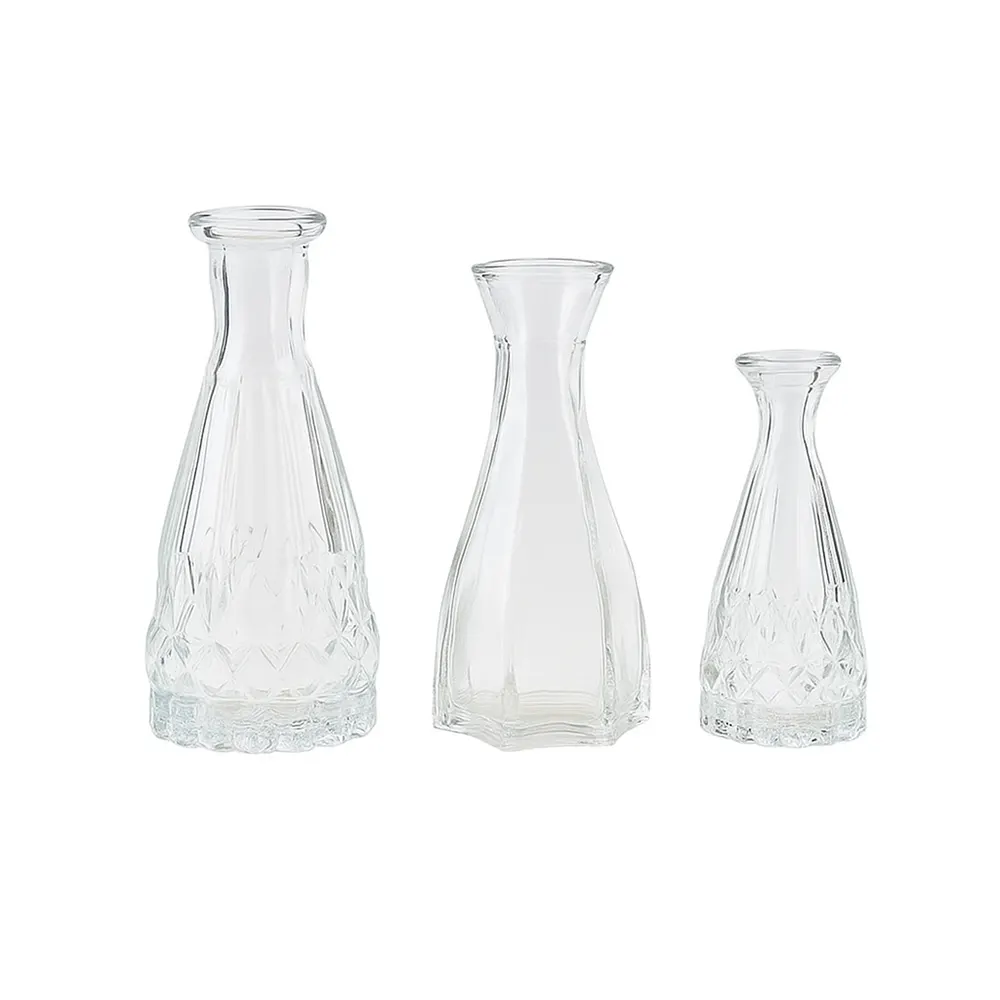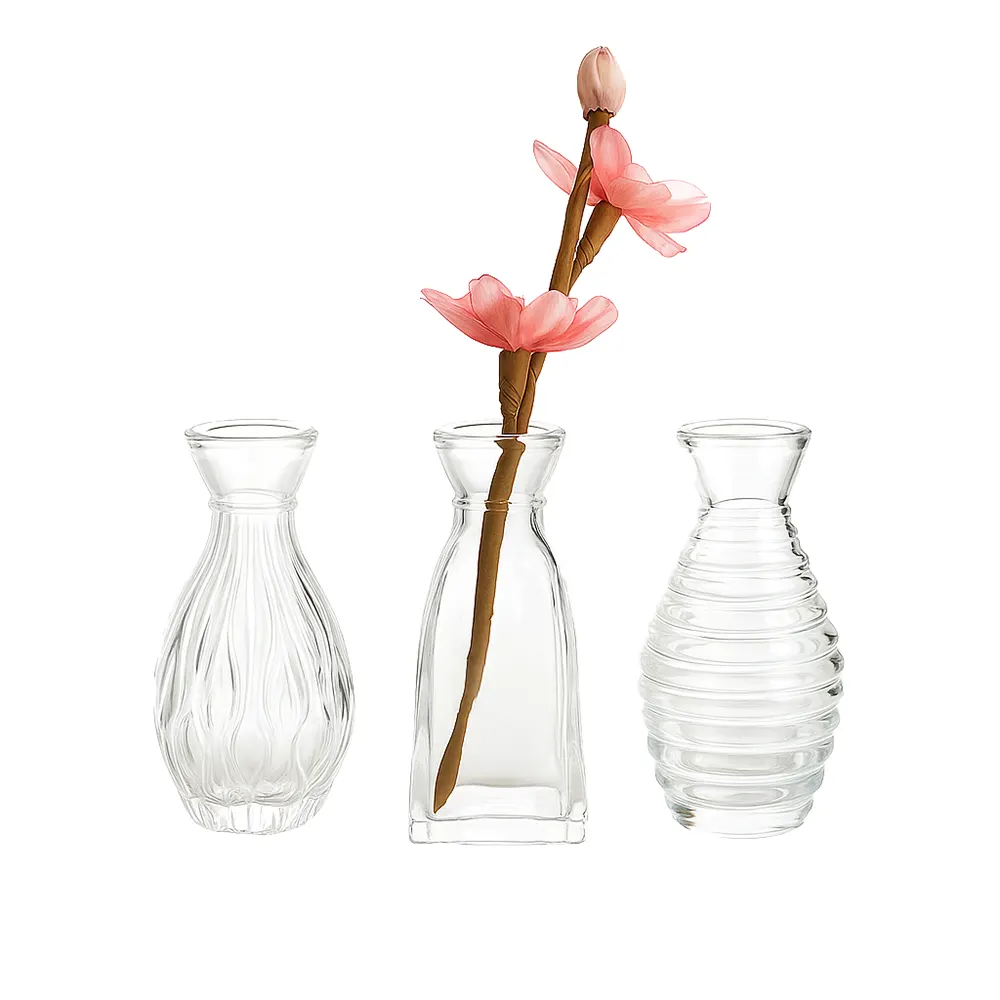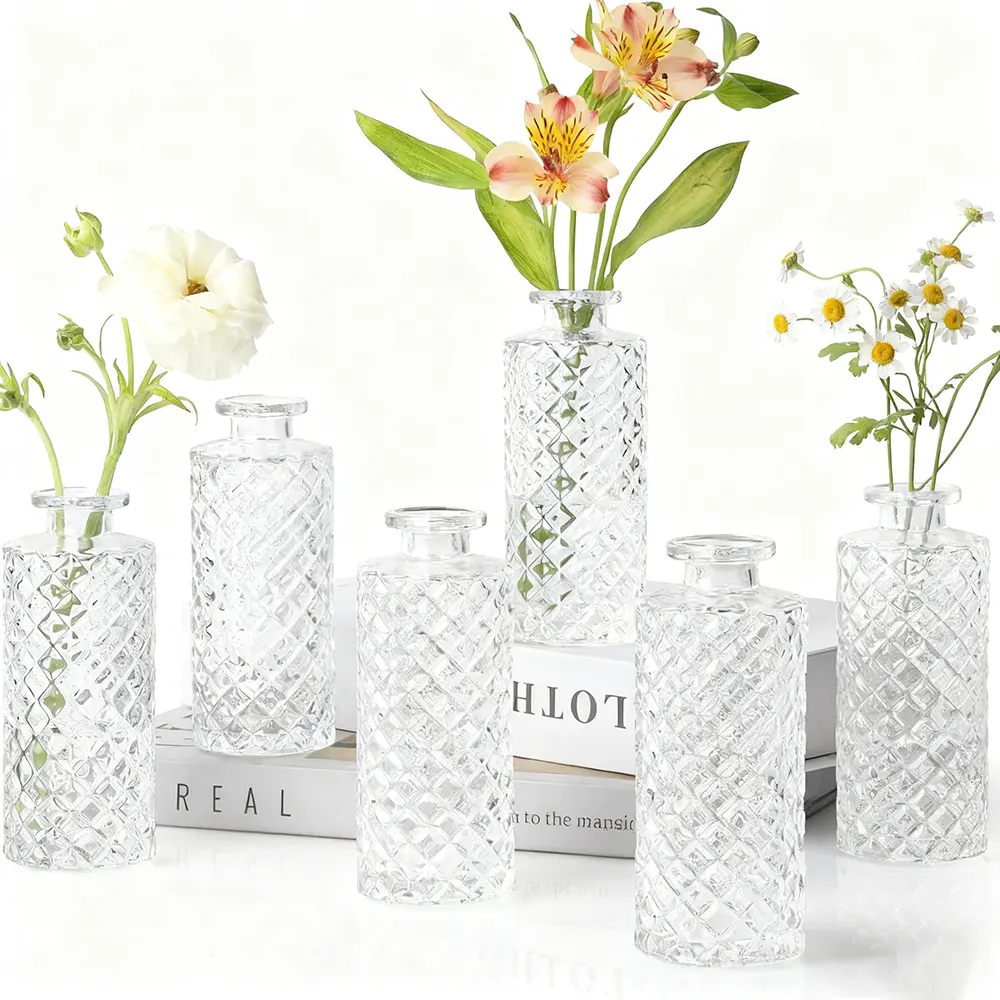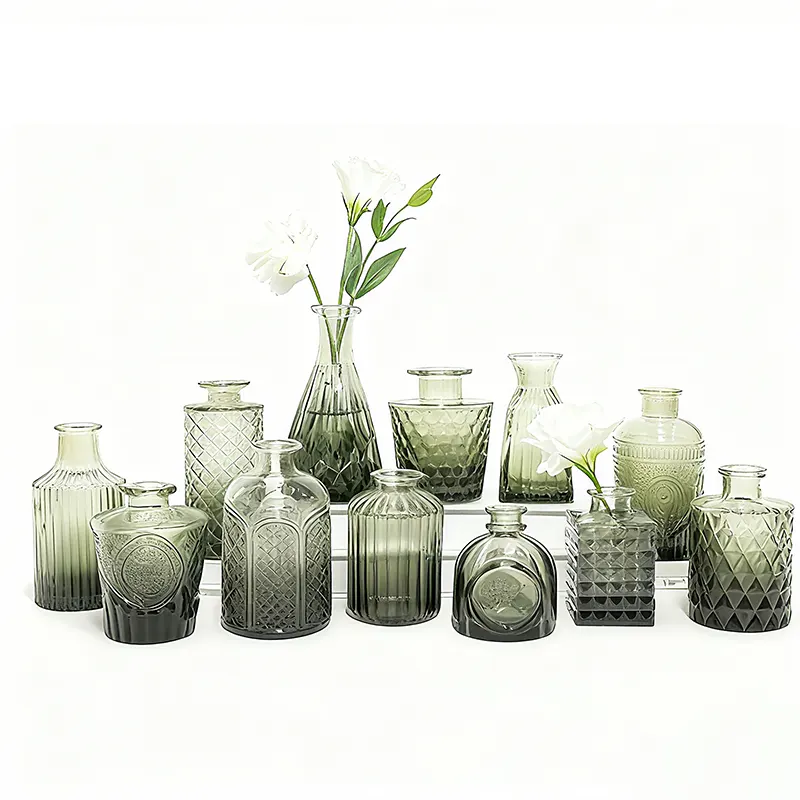
Die derzeit wettbewerbsintensive Branche für botanische Dekorationen bietet vielfältige Individualisierungsmöglichkeiten, die sich durch die Zusammenarbeit mit einem professionellen, aufstrebenden Vasenvertrieb realisieren lassen und Ihre Marke hervorheben. Vermehrung oder Knospenvasen Diese sogenannten Knospenvasen erfreuen sich zunehmender Beliebtheit, da immer mehr Menschen Wert auf Pflanzenpflege und Nachhaltigkeit legen. Die Zusammenarbeit mit dem passenden Vertriebspartner bietet den Vorteil umfassender Individualisierungsmöglichkeiten, mit denen sich gewöhnliche Vasen in einzigartige Markenbotschaften verwandeln lassen.
Als professioneller, aufstrebender Vasenhändler erkennt man, dass Individualisierung neben ästhetischen Aspekten auch strategische Zwecke erfüllt. Von der Materialwahl bis hin zu Branding-Anwendungen – all diese Faktoren tragen zur Marktpositionierung und Markenbekanntheit bei. Der ideale Partner bietet Designkompetenz, Produktionsflexibilität und Marketingdaten, die die Entwicklung von Produkten unter Ihrem Markennamen fördern.
1. Material- und Designanpassung
1.1. Auswahl von Glasart und -qualität
Die Wahrnehmung von Produkten basiert auf der Qualität der verwendeten Materialien. Händler von professionellen Brillen bieten verschiedene Modelle an:
- Borosilikatglas: Erstklassige Haltbarkeit, kristallklar, Top-Positionierung.
- Natronkalkglas: Preiswert, für den Massenmarkt geeignet, angemessen.
- Recyceltes Glas: Umweltfreundliche Nachhaltigkeitskommunikation.
- Kristallglas: Hochwertiges Image, Positionierung im Geschenkartikelmarkt.
Die Dicke des Glases hat großen Einfluss auf Ästhetik und Funktionalität. Überraschenderweise wirken dünnwandige Vasen (2–3 mm) zerbrechlich, während dickeres Glas (5–8 mm) Qualität vermittelt. Mosteb steuert die Materialauswahl unter Berücksichtigung von Markenpositionierung, Preisen und Funktionalität.
1.2. Form- und Größenvariationen
Junge Vasen gibt es in verschiedenen Ausführungen:
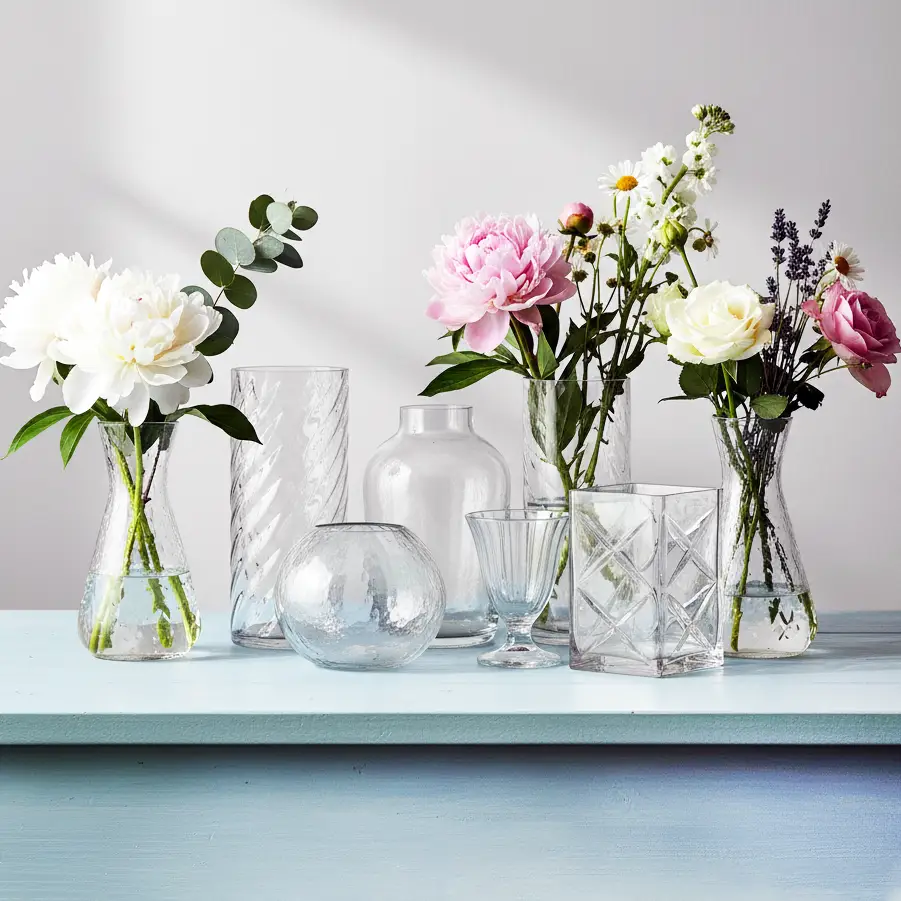
- Die einsprossenigen Ausführungen: Minimalistische Reagenzglas-Designs, die Form einer Glühbirne, die länglichen Formen.
- Vasen mit mehreren Öffnungen: 2-5 Öffnungen mit Mehrfachschnitten.
- Zu Wandmontagelösungen: Vertikale, platzsparende Displays.
- Tischplattenstile: Die Höhen variieren zwischen 10 cm und 30 cm.
- Geometrische Formen: Sechseckige, dreieckige oder individuell angefertigte Winkelformen.
Die vollständige Formindividualisierung erfordert zwar höhere Investitionen in die Formenentwicklung, bietet aber eine deutliche Differenzierung. Halbindividuelle Strategien verändern bestehende Formen zu geringeren Kosten und eignen sich daher ideal für neue Marken.
1.3. Funktionale Merkmale
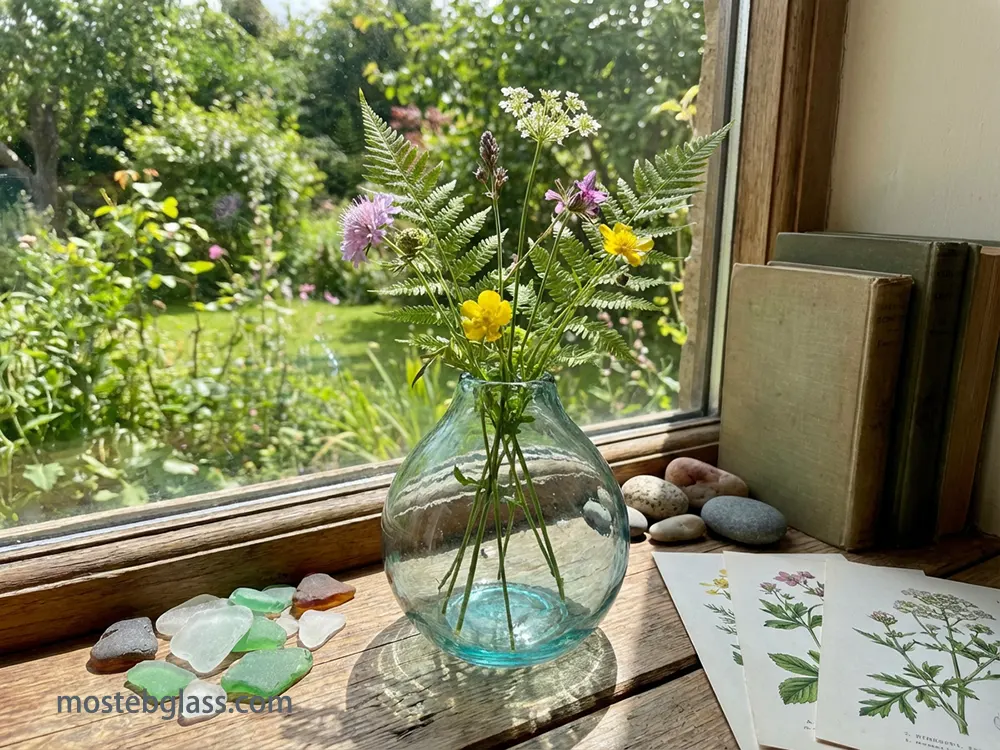
Neben einer schlichten Form können funktionale Details die Nutzung des Produkts komfortabler gestalten:
- Optimierung des Öffnungsdurchmessers: Die Größe ist auf bestimmte Pflanzenarten abgestimmt.
- Indikatoren für die Wasserkapazität: Geätzte Füllstandsanzeigen.
- Stabilitätseigenschaften: Kippschutz, beschwerter Sockel, Gummifüße.
- Einfach zu montieren: Abnehmbare Halterungen, austauschbare Sockel.
- Probleme mit der Entwässerung: Übergangskonzepte für die Wasser-Boden-Bewegung.
Diese Eigenschaften machen gewöhnliche Vasen sehen aus wie aussagekräftigere botanische Instrumente, für die es sich lohnt, hohe Preise zu zahlen.
2. Oberflächenbehandlung und ästhetische Optionen
2.1. Farb- und Oberflächenauswahl
Farbe hat einen enormen visuellen Einfluss und passt hervorragend zur Marke:
Farb-/Oberflächenoption | Visueller Charakter | Ideale Markenpositionierung |
Klar und transparent | Klar, modern, zeigt Wurzeln | Zeitgenössisch, minimalistisch |
Mattiert | Sanft, raffiniert | Skandinavisch, elegant |
Bernstein-/Braunton | Vintage, inspiriert von Apotheken | Handwerkliche, natürliche Marken |
Grün getönt | Botanisch, biologisch | Umweltbewusst, mit Gartenthema |
Blau-/Türkisfarben | Küstennah, ruhig | Vom Strand inspiriert, beruhigend |
Farbverlauf/Schattierung | Künstlerisch, einzigartig | Premium-Geschenkartikelmarkt |
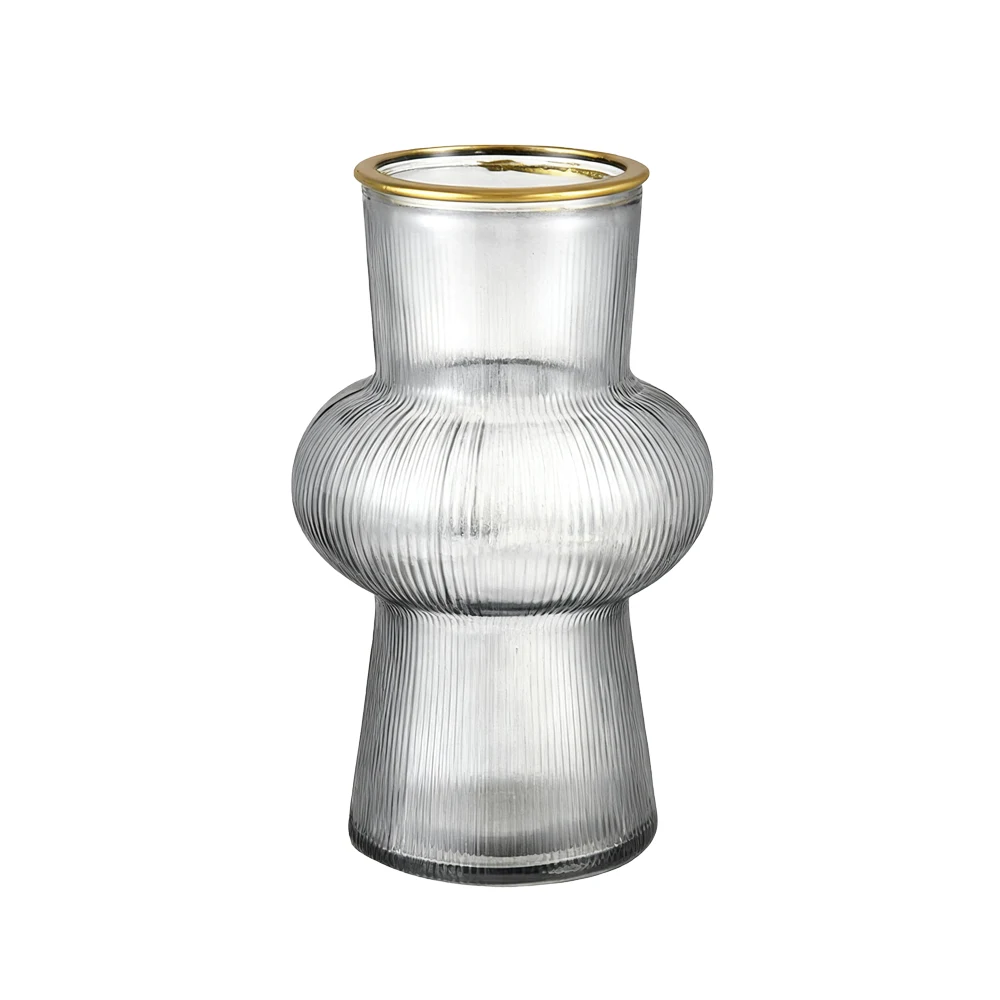
Metallische Akzente | Luxuriös, glamourös | Luxuriös, zeitgenössisch |
Die individuelle Farbabstimmung auf spezifische Pantone-Referenzen ermöglicht eine perfekte Markenausrichtung über alle Produktlinien hinweg.
2.2. Anwendungen von Texturen und Mustern
Durch das Bemalen der Oberfläche entstehen Oberflächeneffekte und Textur:
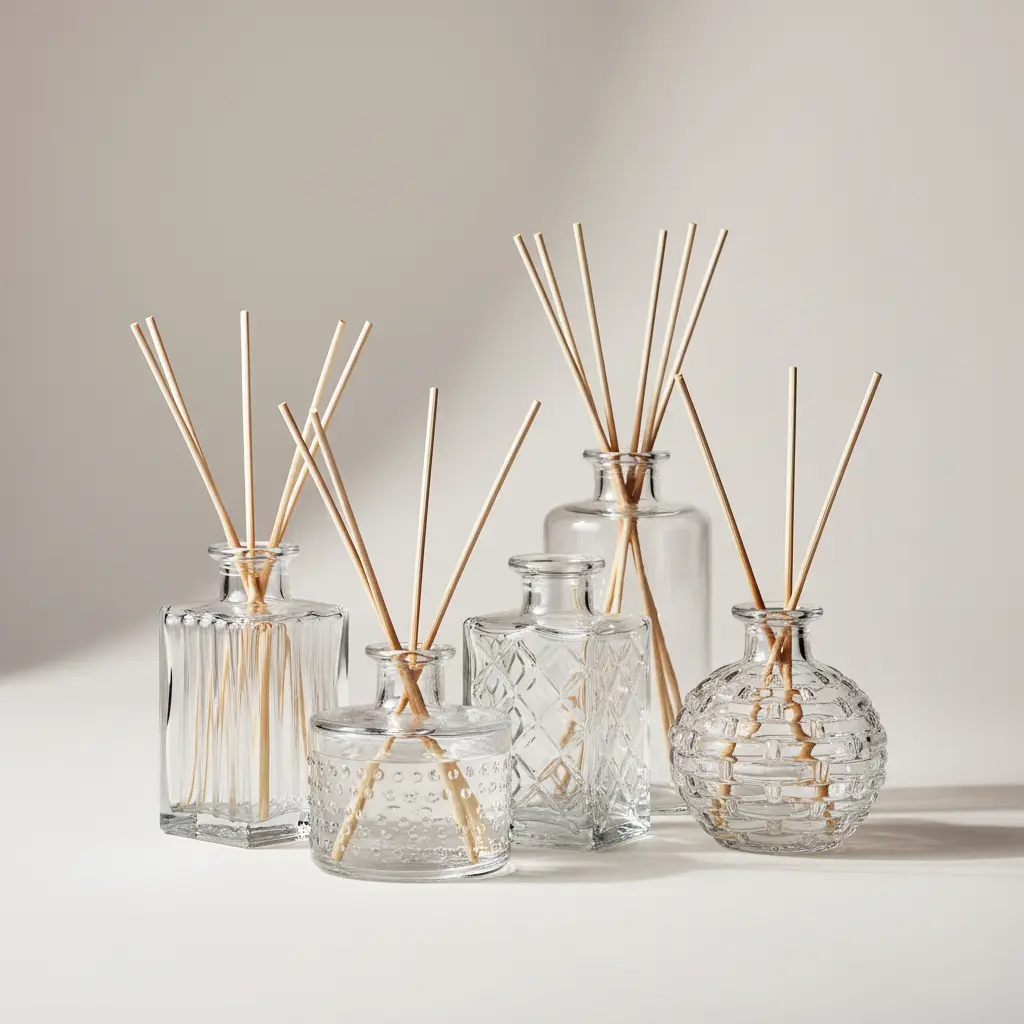
- Geprägt: Botanisches Design, geometrische Formen, Logos (Marken).
- Geätzte Muster: Feine Linienführung, Verzierungen.
- Gerippte Texturen: Bemaßung vertikaler oder horizontaler Rippen.
- Blaseneffekte: Bemannte Luftblasen, die wie handgefertigt aussehen.
- Antikisierte Oberflächen: Vintage-Look mit natürlich abgenutztem Aussehen.
Durch diese Behandlungen werden schlichte Glasstücke zu hochwertigen Dekorationsgegenständen, die auch ohne Pflanzen ausgestellt werden können.
2.3. Fortgeschrittene Oberflächenbehandlungstechniken
Das Licht interagiert mit den Oberflächenbeschaffenheiten:
- Hochglanz: Optimale Transparenz, modernes Design.
- Satinierte Oberfläche: Leichte Haptik, elegante Optik.
- Matte Beschichtung: Moderne Haptik, keine Fingerabdrücke.
- Schimmernde Behandlungen: Regenbogenfarbener Schimmer wird präsentiert.
Die Veredelungsoptionen von Mosteb umfassen sowohl permanente Veredelungen als auch Spezialveredelungen für limitierte Editionen.
3. Markenbildung und Verpackungsanpassung
3.1. Methoden zur Logoanbringung
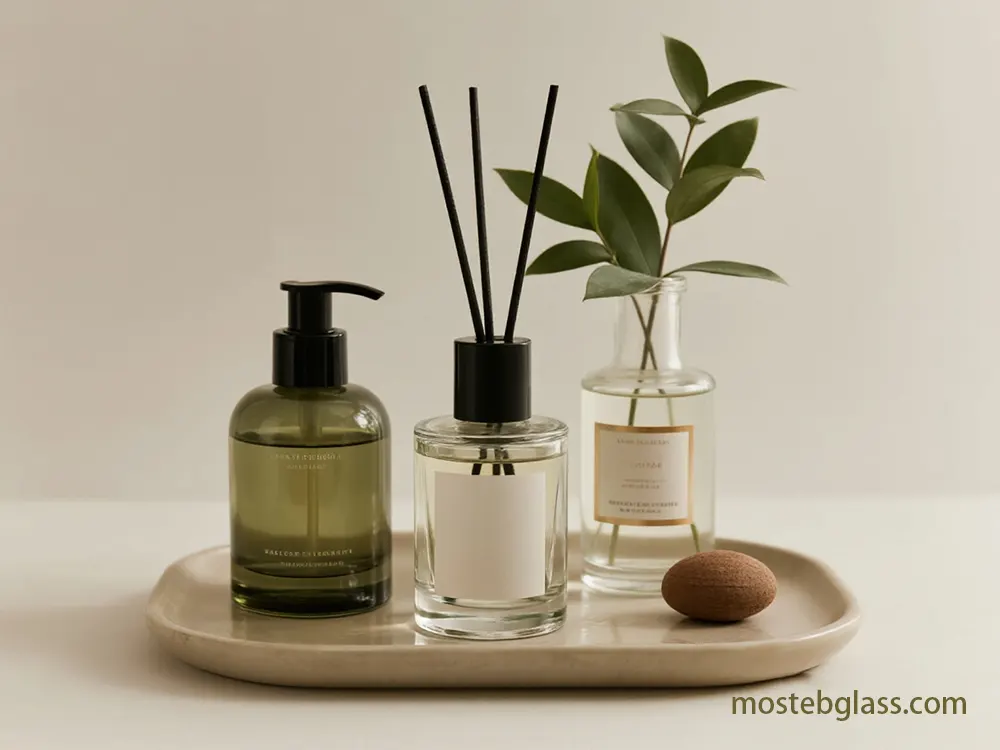
Um aus markenlosen Vasen ein Markenprodukt zu machen, sind die richtigen Dekorationsmethoden erforderlich:
- Siebdruck: Langlebig und wirtschaftlich, wenn nur 1-4-farbige Logos benötigt werden.
- Gravur: Dauerhaft, stilvoll, hochwertig – ein erstklassiges Erscheinungsbild.
- Verwendung von Aufklebern: Volle Farbmöglichkeiten, individuell gestaltbar.
- Heißprägung: Folien aus Metall, die Luxus erzeugen.
- UV-Digitaldruck: Komplexe, mehrfarbige Designs.
Die Komplexität des Designs, das Volumen und das Budget einer Budgetvase werden von professionellen, aufstrebenden Vasenhändlern vorgegeben.
3.2. Ergänzende Markenelemente
Neben der Verzierung der Gläser können zusätzliche Berührungspunkte zur Präsentation beitragen:
- Anhängeetiketten: Produktdetails, Pflegehinweise, Markengeschichte.
- Basisbezeichnungen: Artikelnummer (SKU), Markenidentität, Pflegesymbole.
- Halswickel: Dekorative Markenverpackungen.
- Anleitungskarten: Vermehrungsanleitung, Pflegetipps.
- QR-Codes: Videos zur Nutzung, Marken-Communities.
Diese bieten zahlreiche Branding-Möglichkeiten, ohne dass das Glas dauerhaft verändert werden muss.
3.3. Verpackungslösungen
Schutzverpackungen haben zwei Funktionen: sicheren Transport und Markenpräsentation.
- Personalisierte, individuell gestaltete Boxen: Markenfarben, visuelle Elemente und Markenbotschaft.
- Fensterverpackung: Tabula rasa-Designs mit Produkten.
- Geschenkfertige Präsentationen: Erweiterte Optionen mit dekorativen Elementen.
- Grüne Alternativen: Recycelte Materialien, wenig Plastik.
- Mehrfachpackungsangebote: Koordinierte Gruppen mit höherem Transaktionsvolumen.
Co-packaging prolongs brand experience and increases the perceived value.
4. Component Customization and Value-Added Options
4.1. Metal Holder and Stand Customization
Metal parts present a wide scope of customization:
- Materialien: brass, copper, stainless steel, iron, zinc alloy.
- Finish treatments: Polished, brushed, powder-coated, antiqued, electroplated
- Styles of design: Minimalism geometrical, organic, vintage.
- Functional differences: Miniature clamps, height-adjustable, removable inserts.
- Branding integration: Metal engraved logos.
These parts bring about structural interest as well as premium appearance, and other branding surfaces.
4.2. Base and Support Options
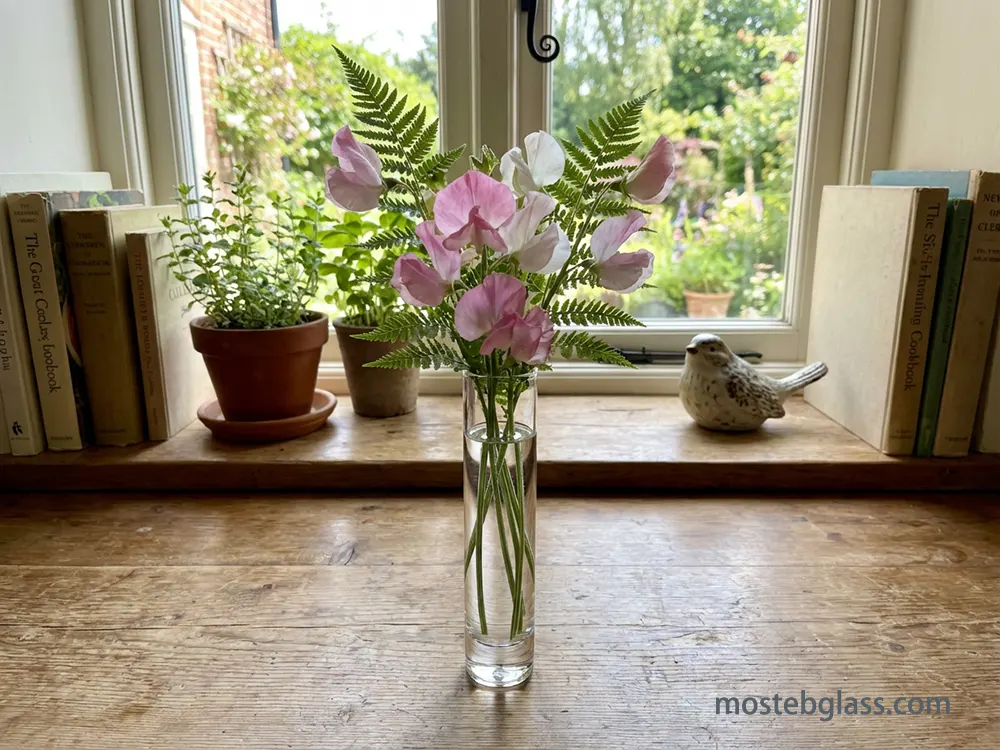
Foundation design impacts on stability, cosmetics and cost:
- Material finishes: Wood floors, concrete floors, marble details.
- Variations of shape: Circular, square, hexagonal, custom geometric.
- Height: Low profile systems to high pedestal systems.
- Finishes on the surface: Painted colors, natural finishes, distressed effect.
By blending the material design, the visual effect is achieved and the price point range is increased.
4.3. Plant Starter Kits
Value-added bundling is not about vases only:
- Propagation apparatus: Rooting hormone, scissors, plant food.
- And materials of care: branded guide, care calendar, and tip cards.
- Ornamental material: stones, water beads, moss.
- Gift packages: Several vases, including matching gifts.
- Offering subscriptions: Seasonal delivery with regular deliveries.
The solutions raise the value of transactions and offer recurring revenue opportunities.
5. Customization Process and Investment
5.1. Design Development and Sampling
An effective customization process starts with the realization of brand positioning, target market, price goals, volume estimates, and schedule considerations. Professional distributors create ideas such as 3D drawings, material suggestions, decoration simulation and price quotations of different volume levels.
Physical samples can be assessed before production is committed. Quality emerging vase distributors take up agreeable sampling expenses, but bespoke moulds might need deposits.
5.2. Production Timeline and Costs
Custom order production is 30-60 days, new mold development is even longer. Depending on the level of customization, minimum order quantities are between 500-5,000+ units.
Investments in customization depend: the development of a mold costs between 2,000 and 25,000 dollars, the decoration setup costs between 200 and 3,000 dollars, the design of packaging costs between 500 and 5,000 dollars, and the unit costs decrease significantly with volume.
5.3. Quality Assurance
Total quality management involves testing of raw materials, during processing, decoration, functional testing and final pre shipment inspection of consistency and compliance to specifications.
5.4. Return on Investment
Der langfristige Wert der Individualisierung besteht in der Markendifferenzierung, die höhere Preise rechtfertigt, in der Kundenbindung durch einzigartige Produkte, in der Bevorzugung exklusiver Produkte im Einzelhandel, in der Marketingeffizienz, da die Produkte organische Bekanntheit erlangen, und in der Sicherung der Wettbewerbsfähigkeit durch Produktexklusivität dank des Designs.
6. Auswahl Ihres Vertriebspartners
6.1. Bewertungskriterien
Bewerten Sie die potenziellen Vertriebspartner anhand folgender Kriterien:
- Produktauswahl und individuelle Anpassung ihrer Funktionen.
- Produktionsbeziehungen und Qualitätsmanagement.
- Kreativität und technische Supportfähigkeiten.
- Flexibilität bei Mindestbestellmengen
- Sensibilität für Kommunikation und Kultur.
- Referenzen aus dem Kundenportfolio mit nachweisbaren Referenzen.
Bitten Sie darum, Ihnen Beispiele früherer Sonderanfertigungen anstelle von allgemeinen Katalogen anfertigen zu lassen.
6.2. Überlegungen zur Partnerschaft
Suchen Sie nach Partnern, die proaktive Designempfehlungen geben, die eine Expansion mit skalierbaren Lösungen ermöglichen, Branchenerfahrung teilen, faire Zahlungsbedingungen bieten und in Beziehungen investieren. Unternehmen wie Mosteb sind hervorragende Beispiele für diese Kooperationsstrategie, da die Leistung des Vertriebspartners mit der Leistung des Kunden synchronisiert ist.
6.3. Warnzeichen
Zu den Vertriebspartnern, die Sie meiden sollten, gehören solche, die keine Muster herausgeben wollen, deren Preisgestaltung intransparent ist und Kosten verschleiert, die schlecht kommunizieren und über unzureichende Mittel verfügen, keine Qualitätsgarantien bieten und die hohe Anzahlungen verlangen. Vertrauen Sie Ihrem Instinkt – Probleme entstehen oft in der Anfangsphase der Geschäftsbeziehung.
Abschluss
Die Zusammenarbeit mit einem professionellen und aufstrebenden Vasenvertrieb wie Mosteb ermöglicht es, Standardprodukte durch professionelle Individualisierung, flexibles Design und fundierte Marktkenntnisse in ein strategisches Markenprodukt zu verwandeln. Obwohl eine Anfangsinvestition erforderlich ist, sichert diese Partnerschaftsstrategie eine Spitzenpositionierung und Kundenbindung, indem das einzigartige Produktangebot optimal auf das Markenimage abgestimmt wird. Mit einem Partner, der umfassende, offene und transparente Unterstützung bietet, können Marken sicherstellen, dass ihre neuen Vasen einen bleibenden Eindruck bei den Kunden hinterlassen und sich langfristig einen Wettbewerbsvorteil im Pflanzenmarkt sichern.