Client Background
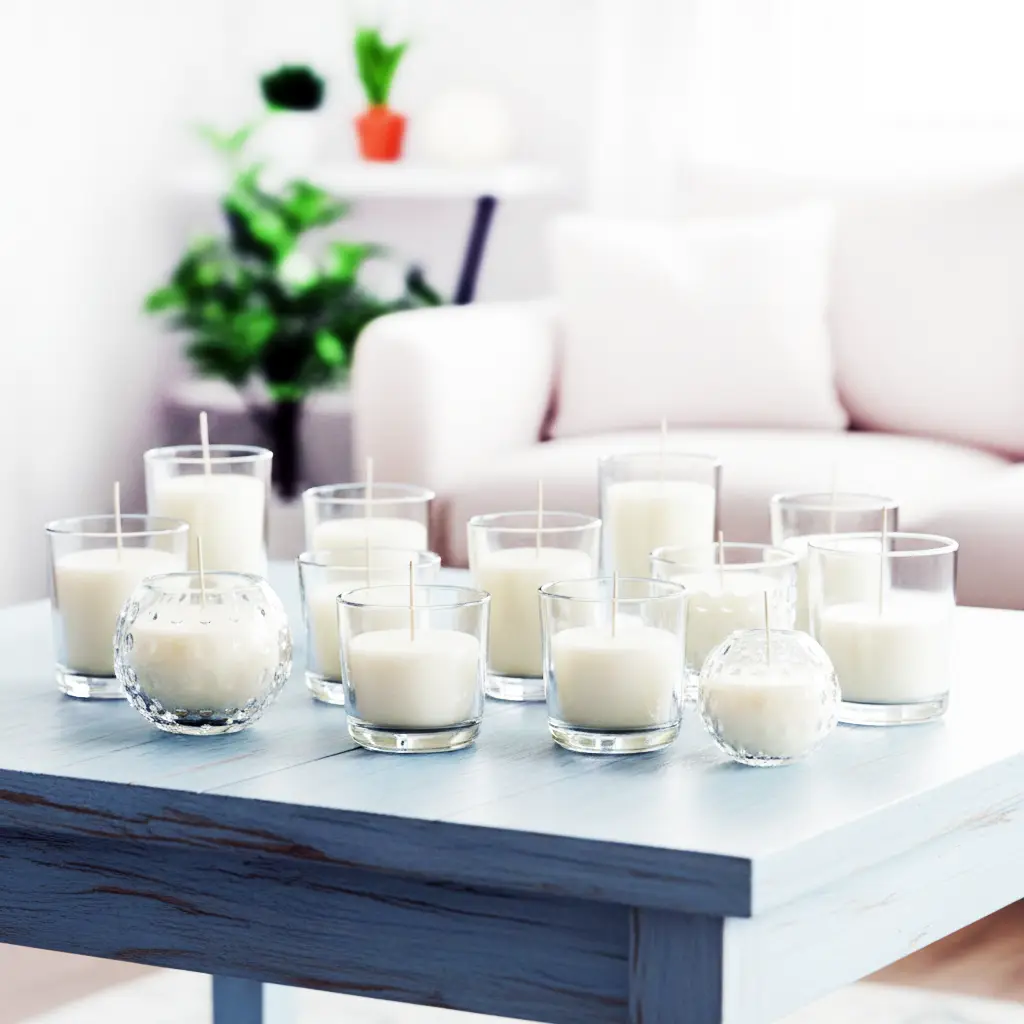
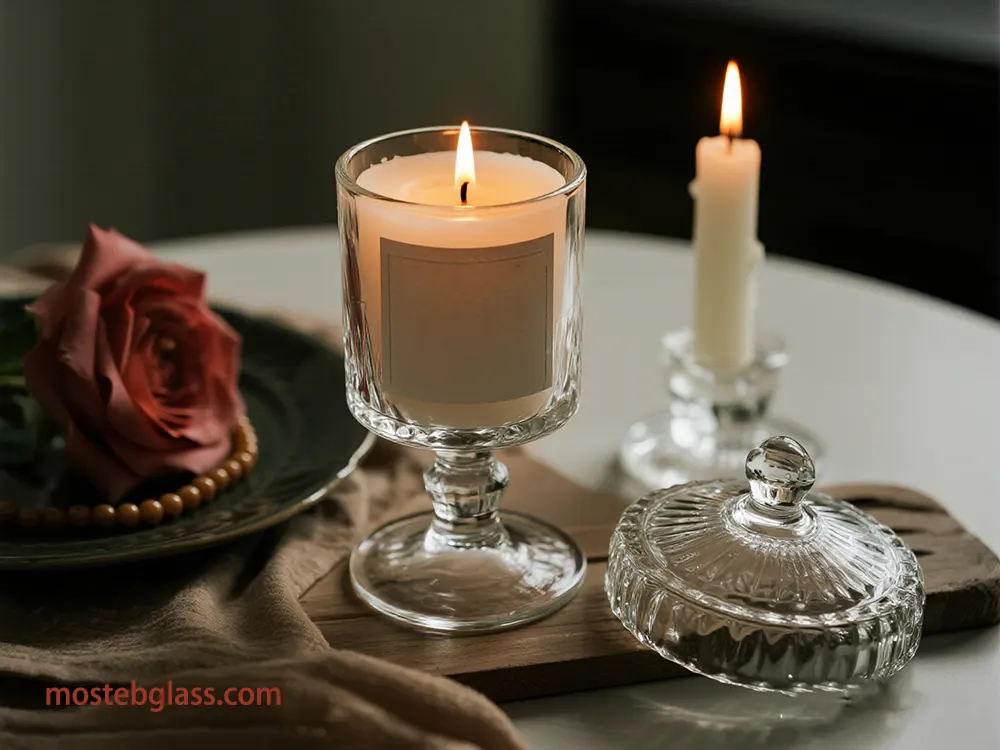
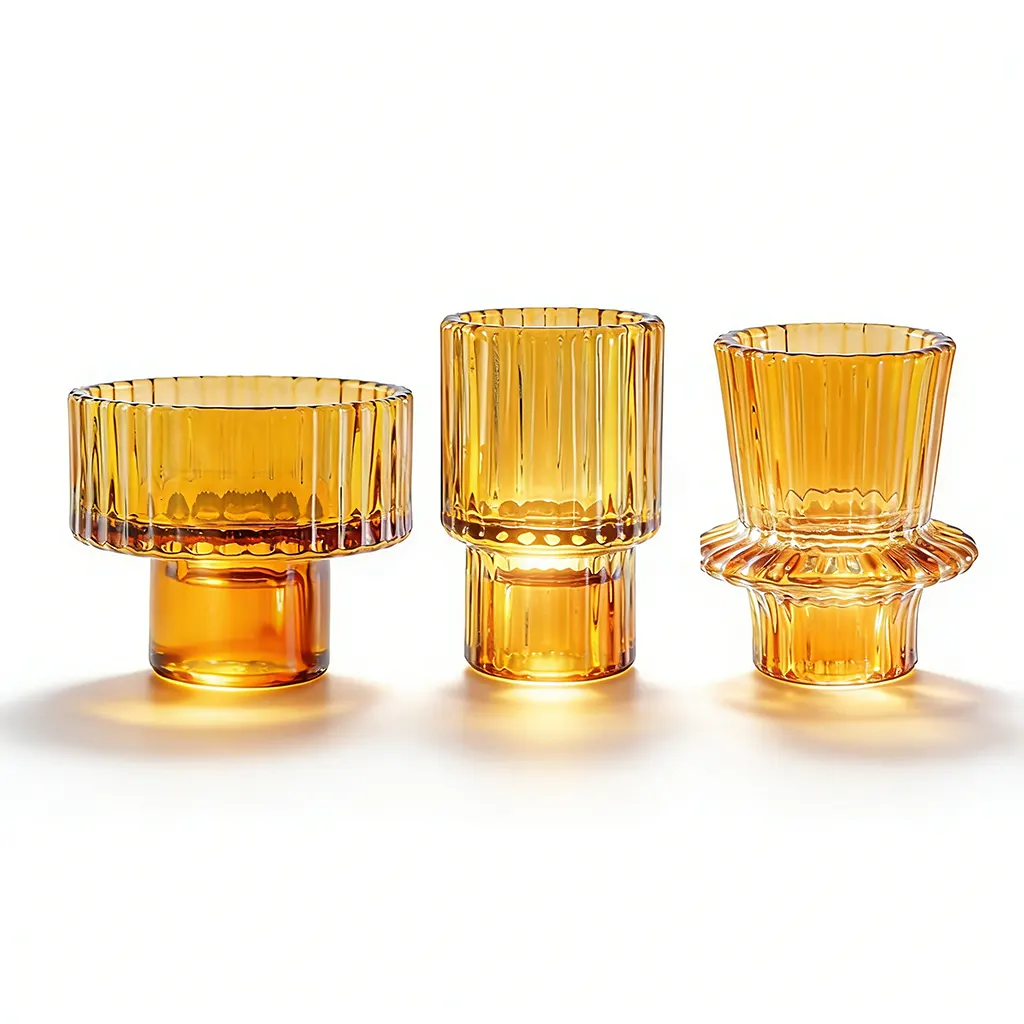
A candle manufacturing company located in Stockholm, Sweden (Mosteb tea-lights holder company) approached Tealight holder company, which was on the point of bringing a new line of fragranced candles to the Scandinavian home decor retailers. The client wished to create the unique glass tealight holder that would reflect his/her minimalist Nordic design framework, but at the same time would be safe in the time of burning.
The company has considered a number of suppliers and settled on Mosteb, a professional tealight holder company, based on the following reasons:
- Good knowledge in glass candle containers manufacturing.
- Sophisticated designs such as frosting, spray coating and embossing.
- Large seasonal order production capacity on a stable level.
- Good communication and experience in export to the European markets.
Mosteb was the best fit company to collaborate with on their project because of our capability to integrate designs, safety performance, and production quality uniformity.
Challenges
When the process of the creation of the customized tealight holder was going on, two issues came into view.
- Minimalist Nordic Design without the loss of structural integrity
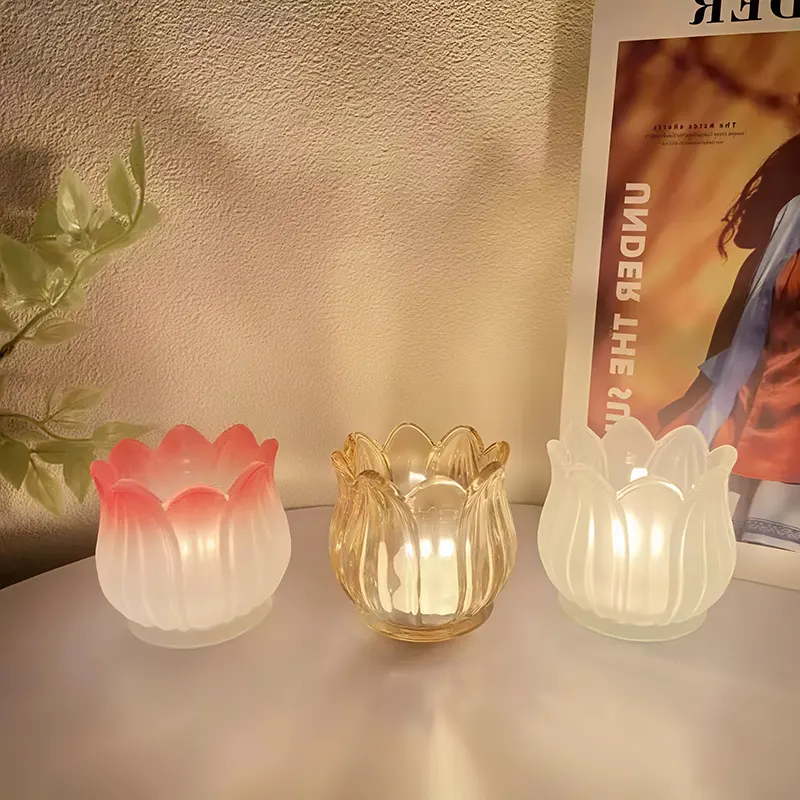
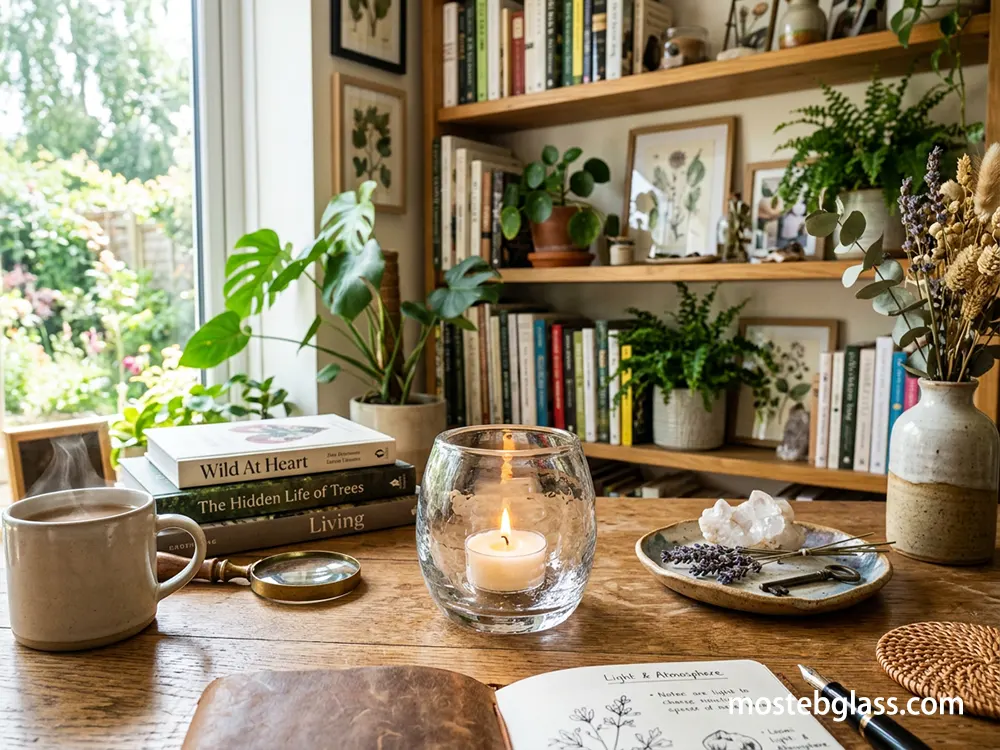
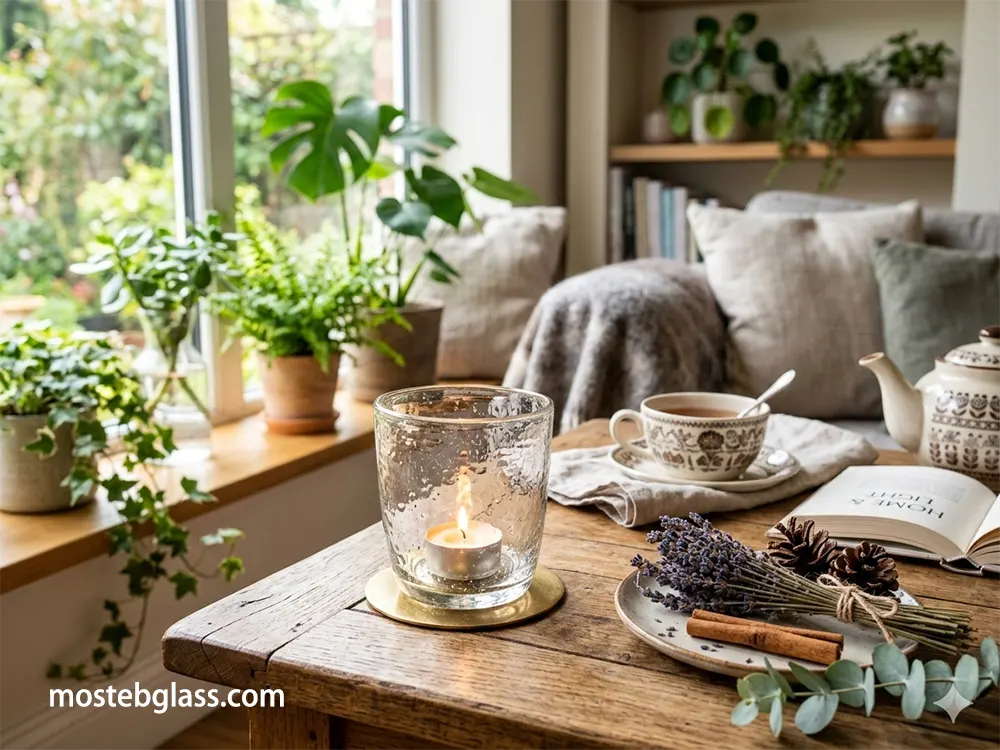
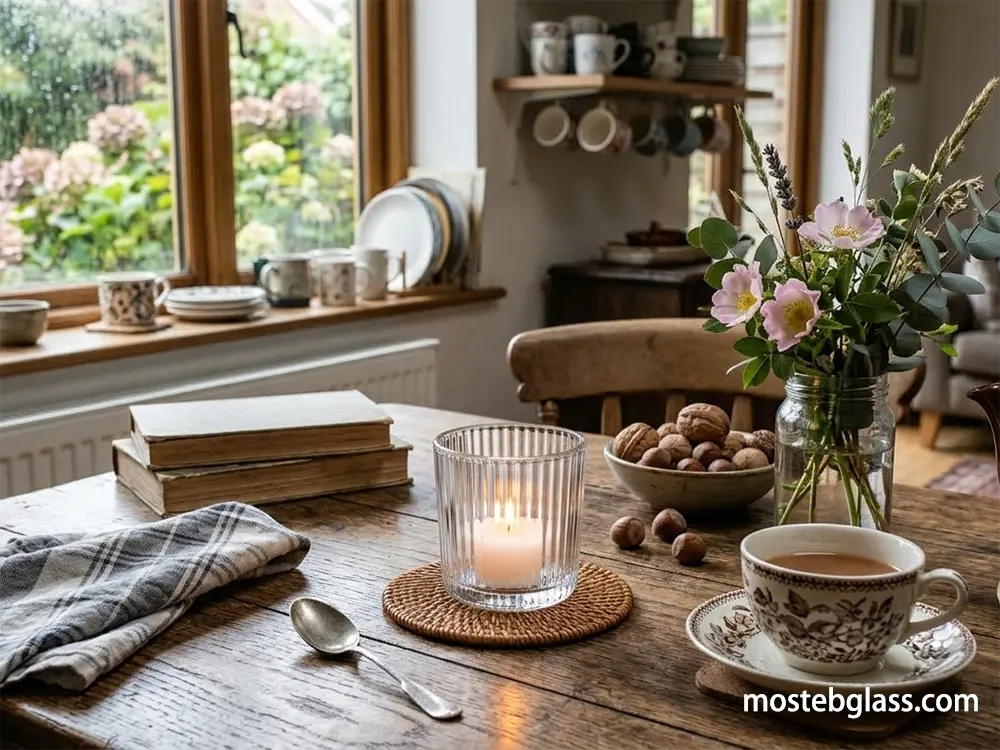
The Swedish brand required a sleek, small holder of the frosted glass tealight in a glass wall, which had slight vertical texture and which would give a gentle ambient light when the candle was burned. Nevertheless, the thinness of the walls to make it look sophisticated may compromise the structure, and when subjected to heat, probability of cracking may occur.
The vertical ribbed texture was also to be uniformly spread over the surface with no concentration points where the stress would accumulate during the cooling and annealing process. A balance between the delicacy, aesthetic qualities and the heat-resistance of the package demanded a fine craft of mold engineering coupled with a strict control of glass thickness.
- Heat Safety and Consistency of Burn Performance
The client was going to match the tealight holders with good quality tealights, which were to burn within a number of hours with paraffin and soy wax. This implied that the holder could not be subject to constant heat exposure and discoloration, cracking or deformation.
Meanwhile, the inside diameter was required to be equal to standard aluminum tealight cups in order to ensure a stable positioning of the candle and adequate airflow. Even the minor dimensional difference may influence the burn efficiency or lead to the candle tipping when it is used.
Creating a visual beauty and assuring working safety demanded several trials of technical perfectionism.
Result
Mosteb adopted a design optimization and technical test as a solution to these challenges.
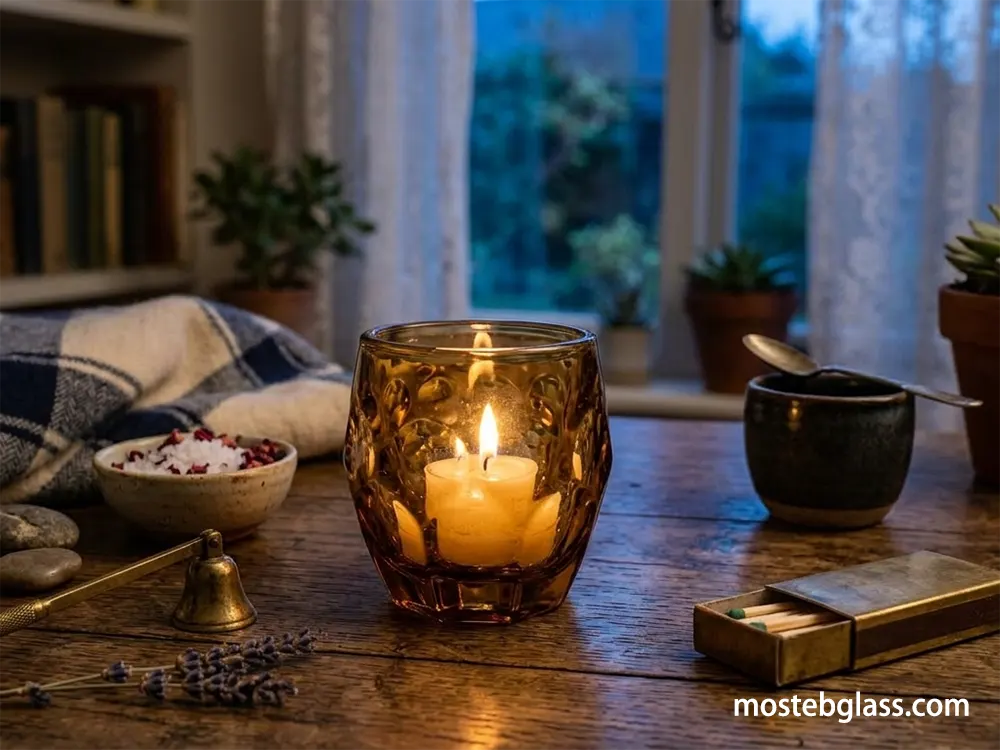
The engineering team modified the composition of both the mould and the thickness distribution of the glass to ensure that the appearance will be delicate as desired yet the base and heat exposed part will be strengthened. The frosting process was also optimized to give us a smooth surface that was homogenous and was matte making the candlelight even stronger.
We have also done heat-resistance and-dimension checks to make sure the tealight holders would be able to safely house standard tealight candles during prolonged burning periods.
During the project, we were in close contact with the client who was provided with prototype samples, testing feedback, and updates on production. This teamwork approach was followed to make sure that the eventual design design met the aesthetic vision and the safety needs of the brand.
The completed tealight holders were able to combine the Nordic aesthetic with durability, glass construction, and reliability of production and offered them a consistent quality of production, which could positively contribute to the successful introduction of the product by the client in the European home decor stores.
How We Did It
- Pre-Production Plannin: Our first step was to cooperate with the client to learn about their design idea, the need to fit candles, and positioning in the market. Technical feasibility was assessed by our engineering team and elaborate mold designs and production plans were worked out.
- Sample Production and Optimization: Samples of prototypes were made and submitted to be tested. We revised the molding and frosting process based on the feedback of our clients about the glass thickness, surface texture, and light diffusion until the final sample is up to the expectations of the client.
- Economy of Scale and Mass Production: Once we got final approval we optimized the production workflow so that we could strike a balance between cost effectiveness and high-quality standards. Quality checks were introduced in all the processes such as forming, annealing, surface finishing, and packaging.
- Constant Communication and Delivery Assurance: In the mass production process we kept in constant contact with the client updating on the production and delivery dates. This guaranteed transparency and contributed to the provision of on-time delivery and customer satisfaction.