1. The Evolving Landscape of Custom Glassware and Glass Candle Holders Manufacturing
Impacting by consumer consumer demand for personalized products, the glass candle holder market is changing in such a way that the glass candle holders manufacturers are facing both the challenges and the opportunities. The “Simple custom options” that used to be just clear or frosted glass have now become a complex array of design, material, and production considerations. So, brands, retailers, and artisans are the ones who look for the next generation of bespoke solutions. This report is a study of the custom production of glass candle holders, including personalization, strategic market implications, and global sourcing. For Mosteb, a brand that is committed to providing tailored solutions, understanding these elements is the key to leveraging customization.
1.1 Defining "Simple Custom Options" in Modern Glassware
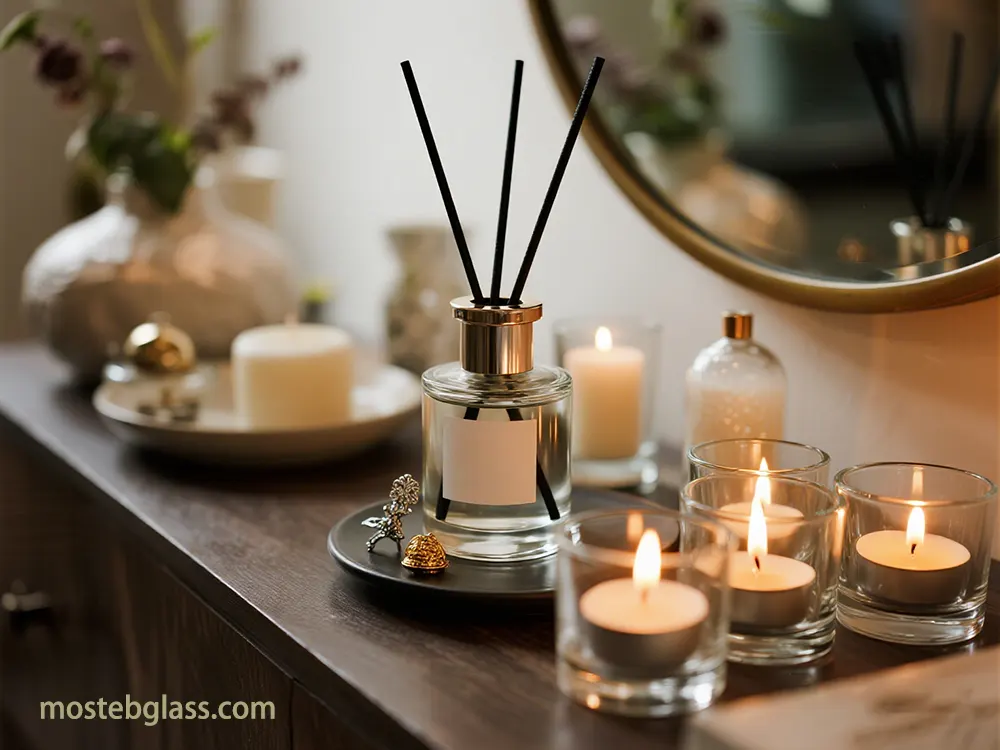
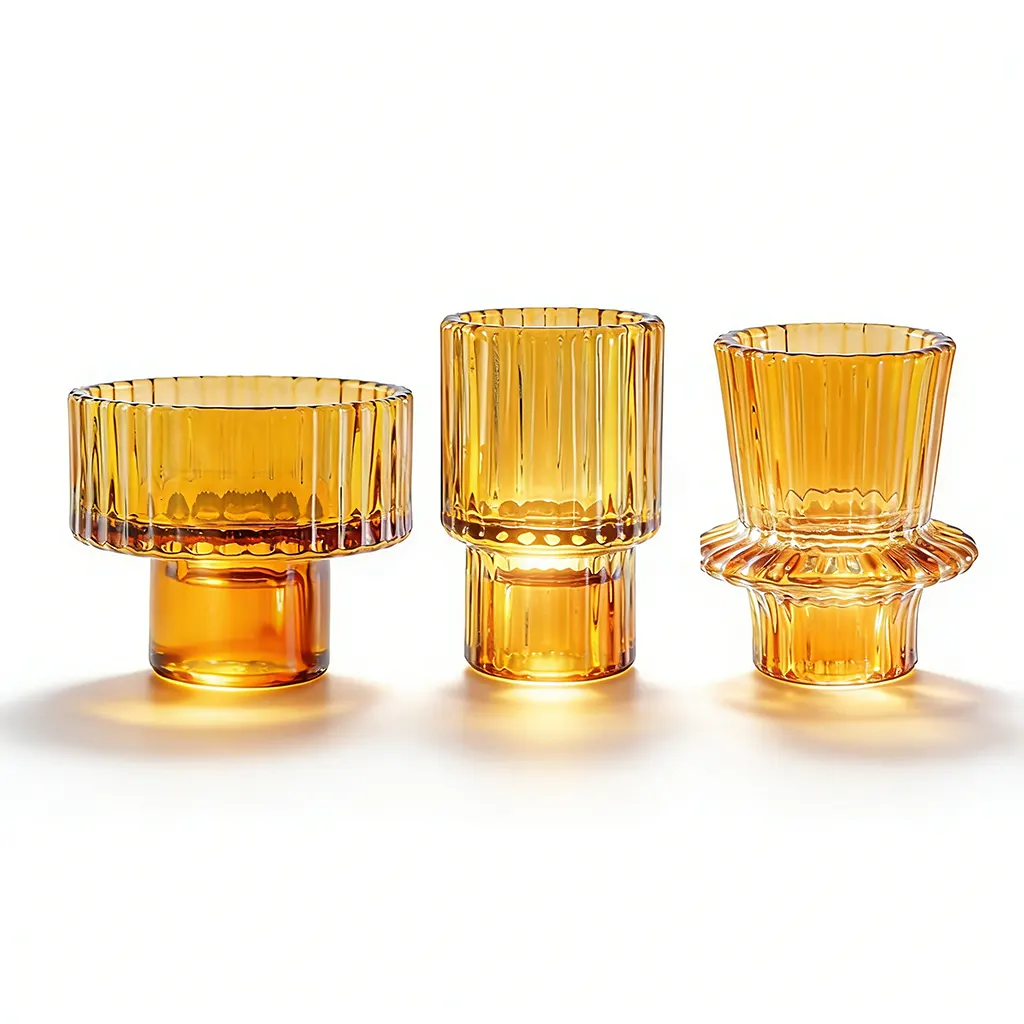
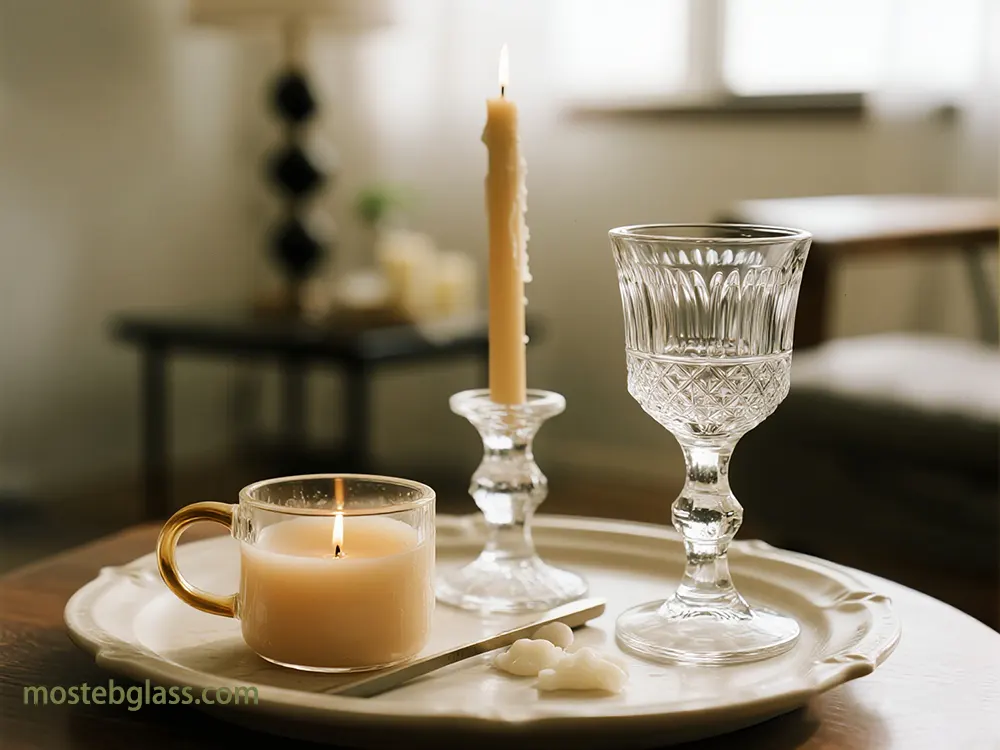
In the past, simple customization referred to a few molds and basic finishes. At present, it involves minor aesthetic changes, structural modifications, custom colors, unique surface treatments, dimensional adjustments, and embedded branding. The objective of the work is still to fit with the client’s idea, but the methods are now much more developed and widespread.
1.2 The Growing Demand for Personalized Products
The general consumer trend towards personalization has a deciding influence on home decor and the fragrance market. Consumers want products that mirror their personal style, values, or brand identity, which means that candle holders will take on the form of unique shapes, specific colors, and sustainable materials. This demand is not only for the luxury segment but also for the mass markets where slight customization brings the perceived value and exclusivity.
2. Customization Options and Material Science
Nowadays, arise glass candle holder production is vastly based on the customization options that largely define the creation of the tailor-made items which fulfill the varied customer demands and the needs of the market.
2.1 Design & Aesthetic Personalization
The aesthetic personalizing aspect of the product doesn’t only refer to the color but also the complete visual look as well as the tactile feel of the holder are taken into consideration.
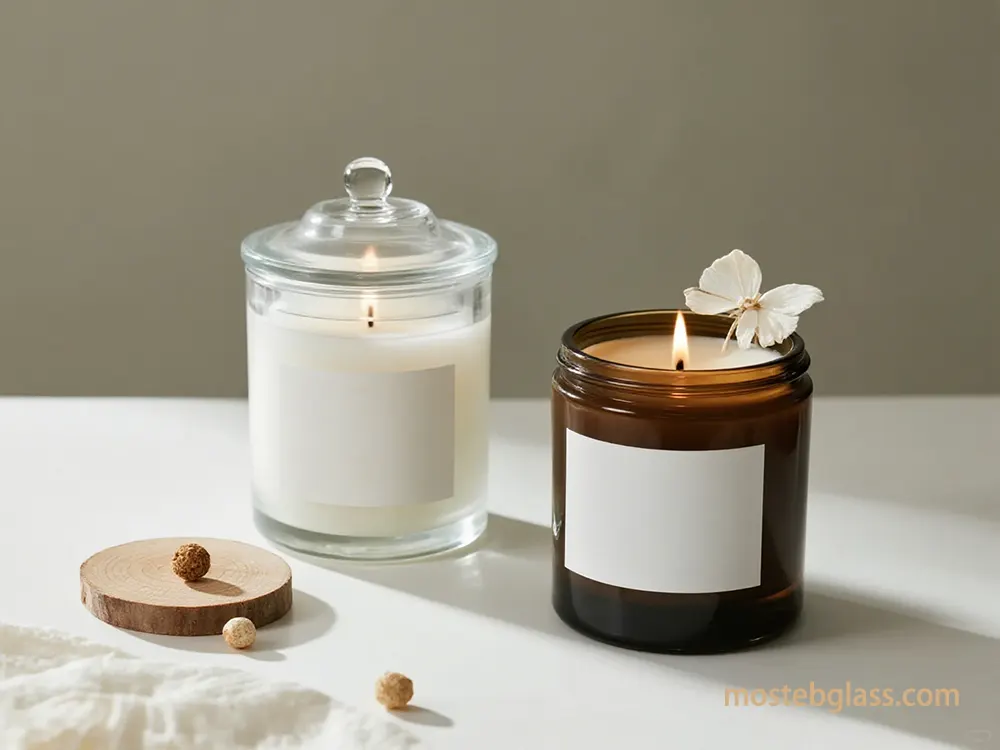
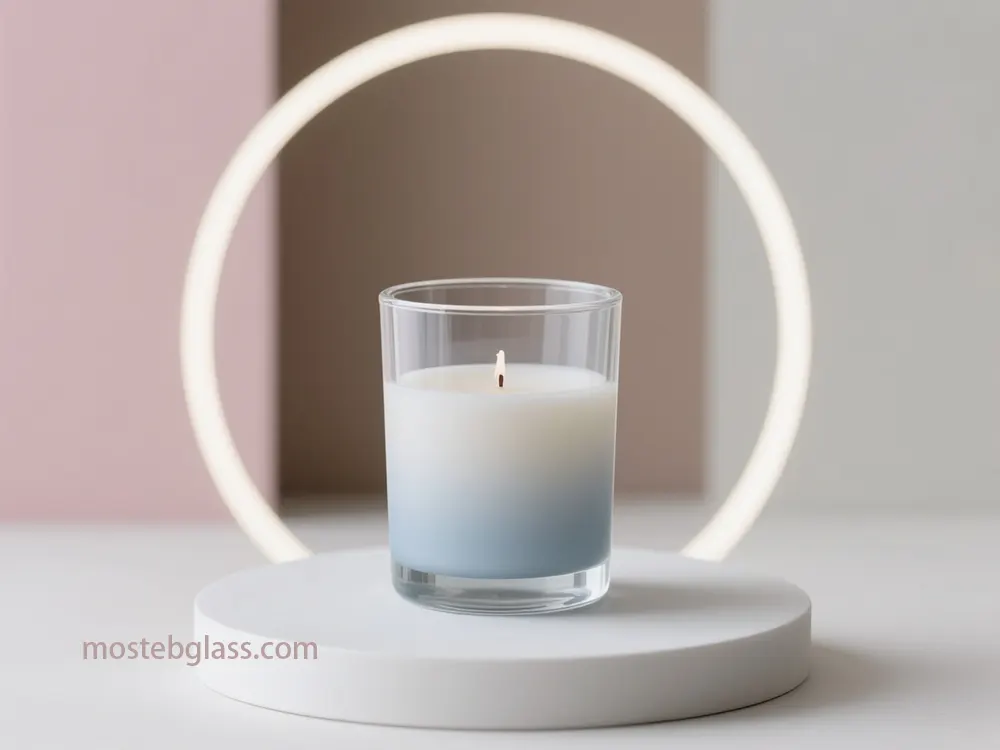
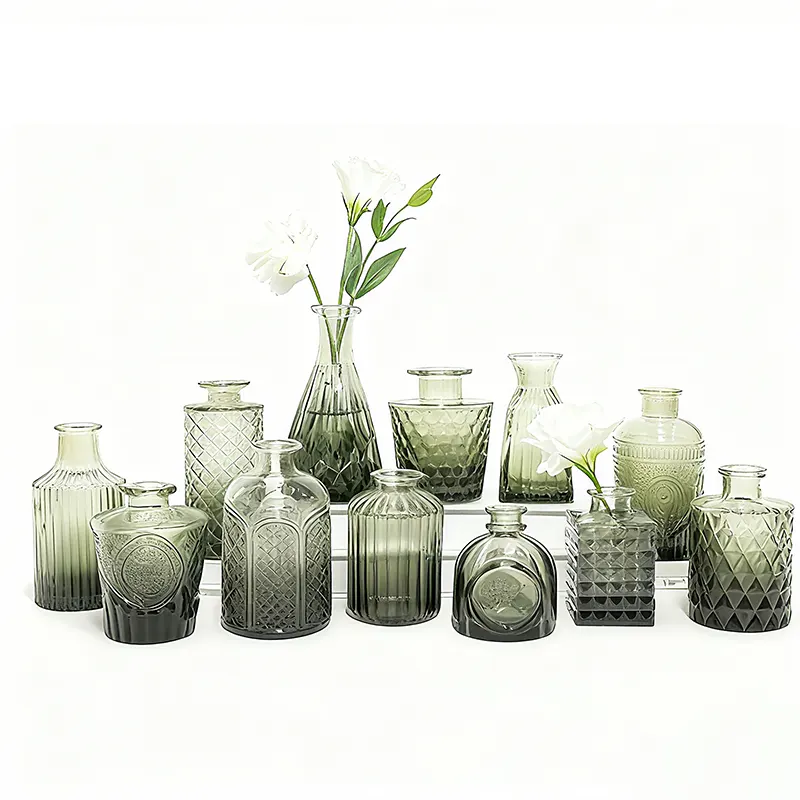
- Color and Surface Finishes: Practically, there are no limitations in the color of a product: one can get translucent tints as well as opaque hues by batch coloring, spraying, or dipping.
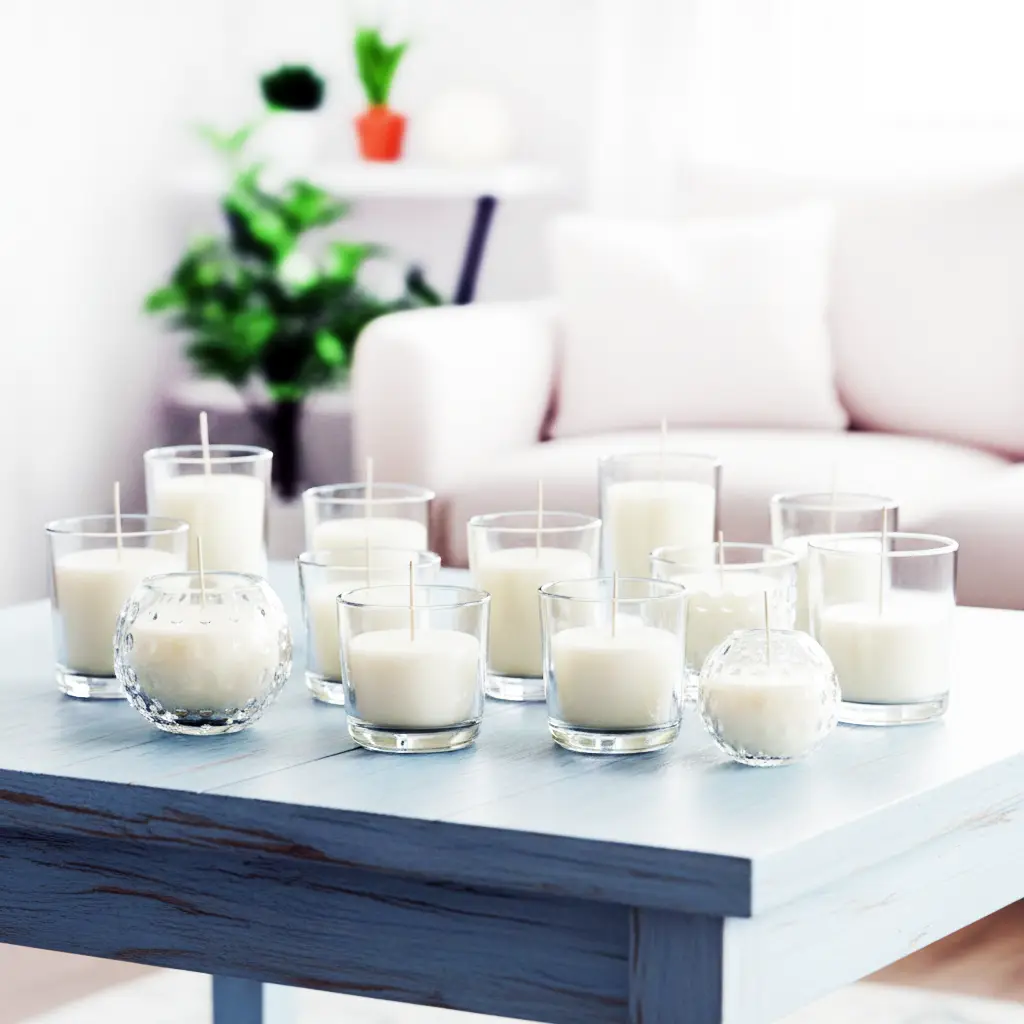
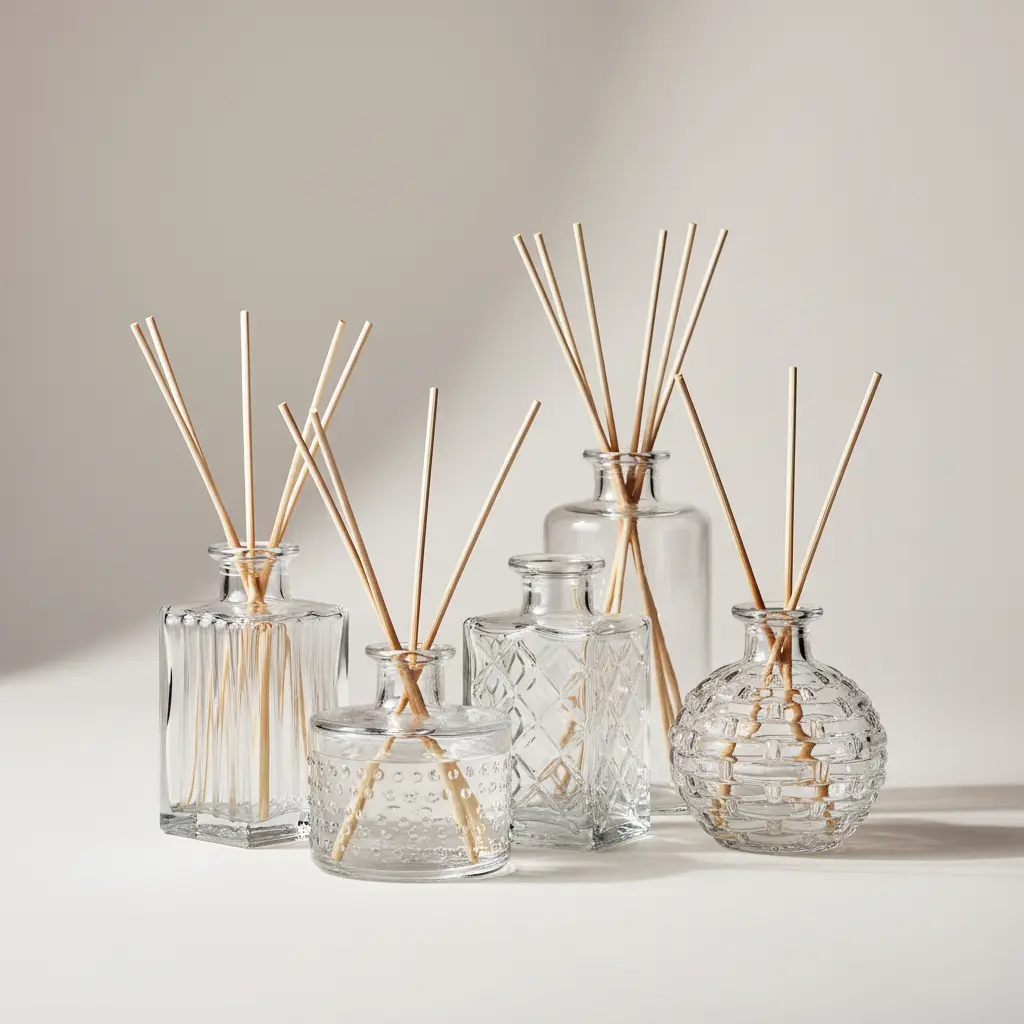
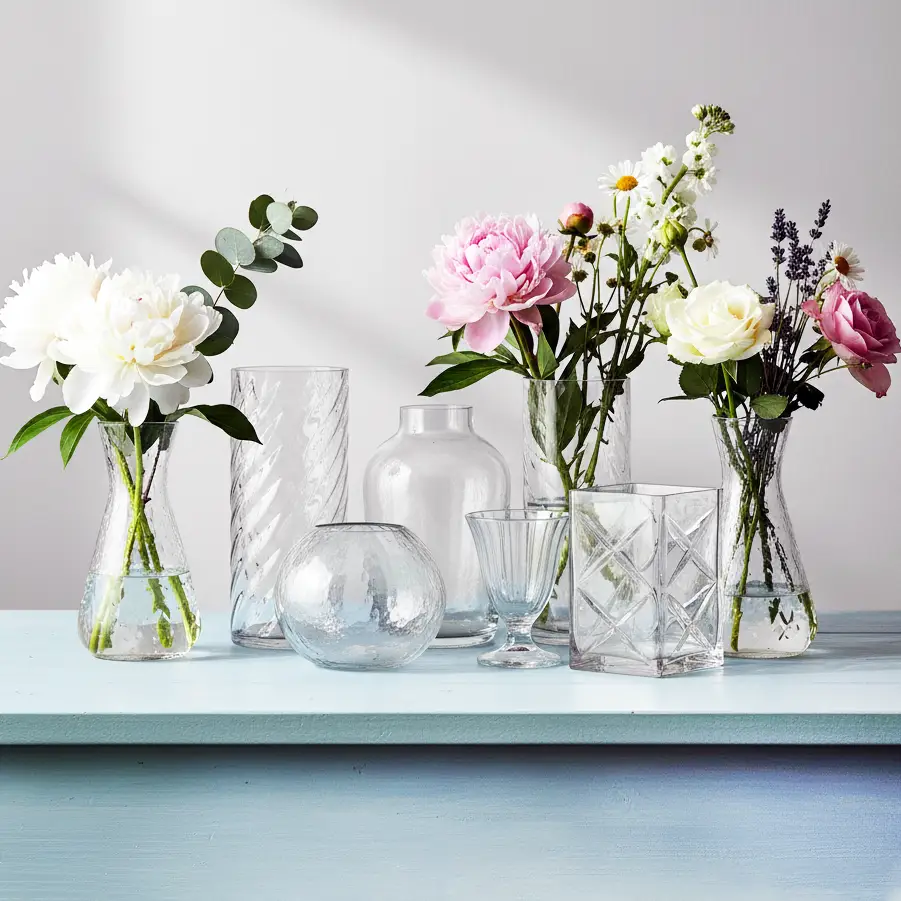
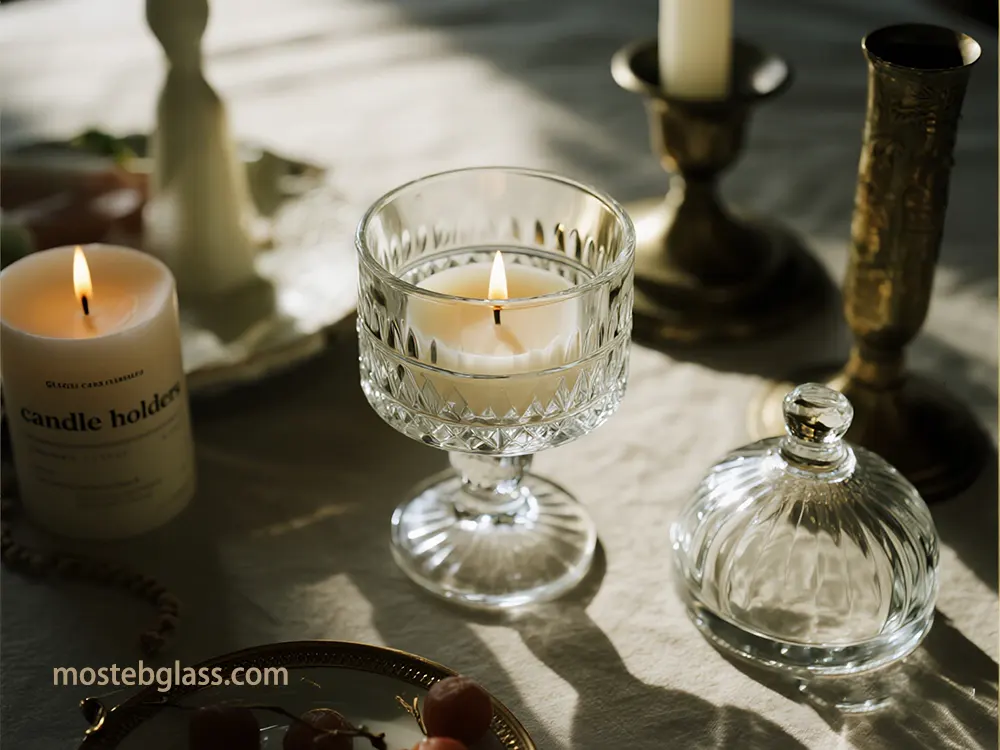
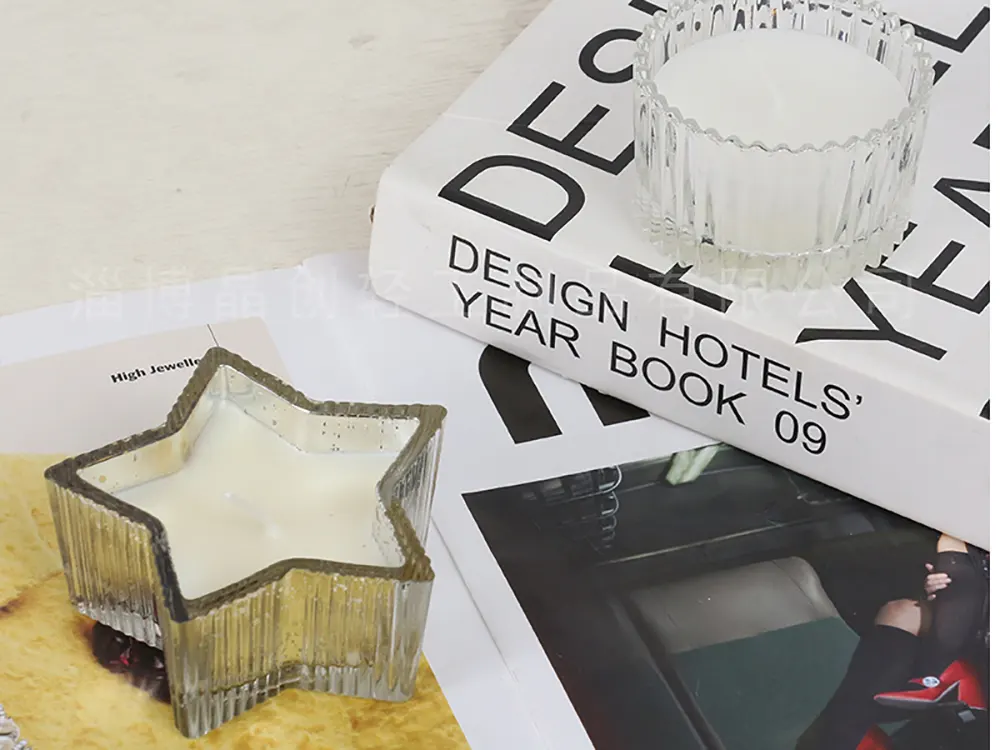
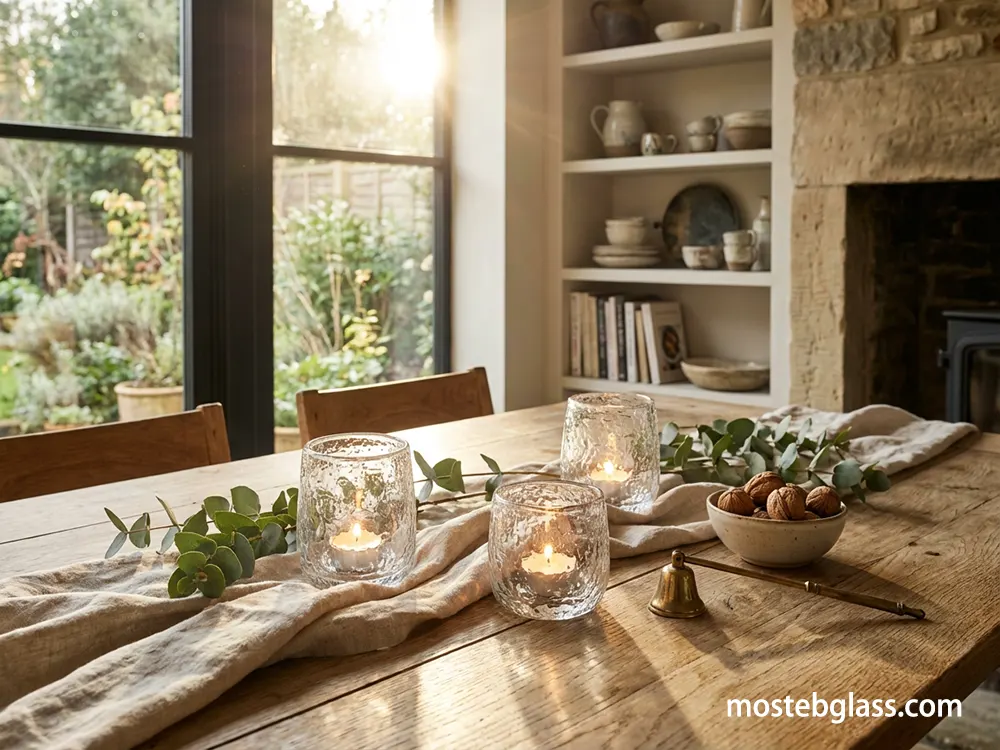
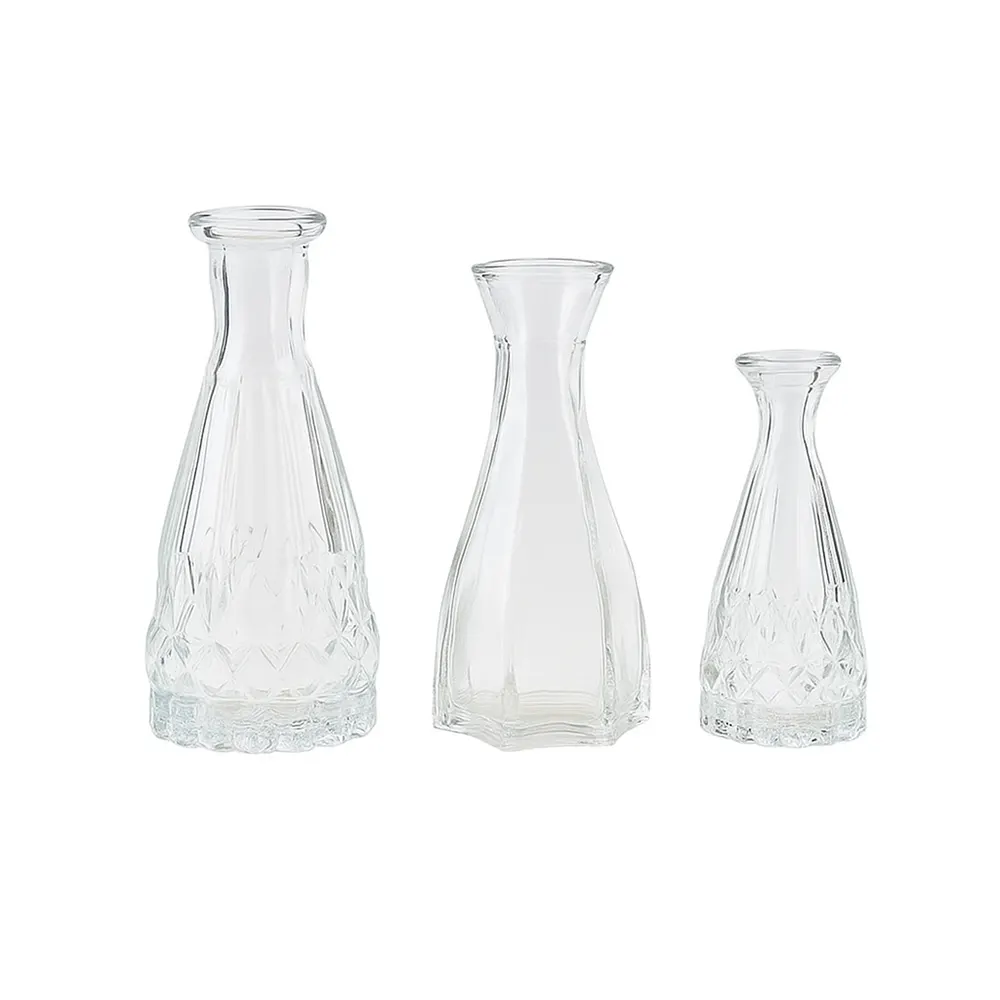
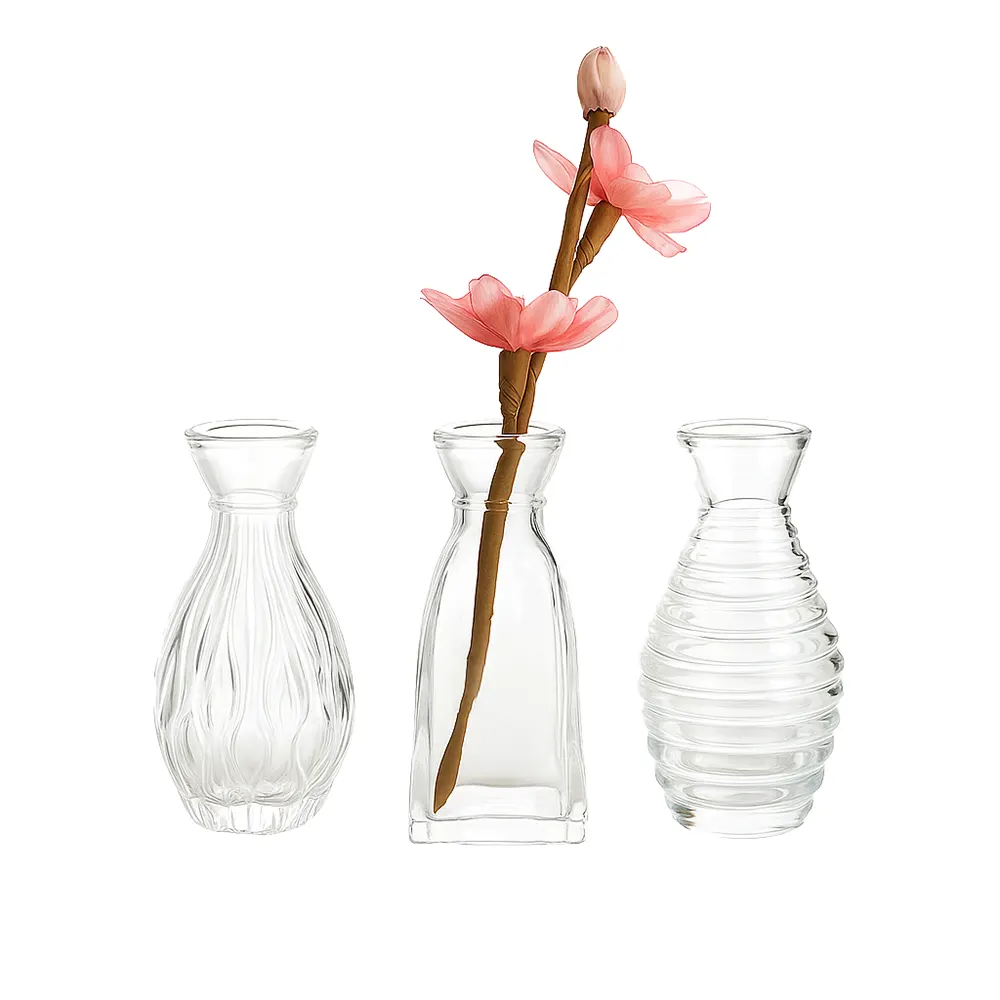
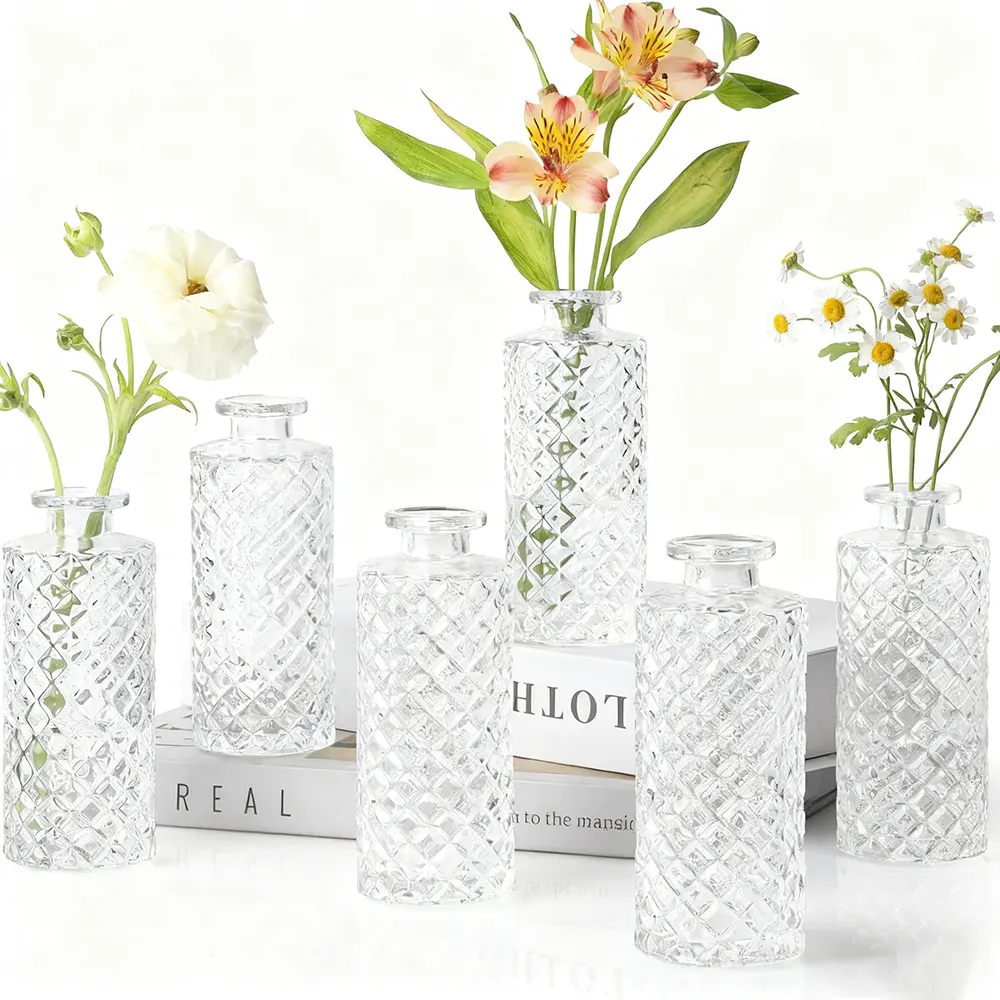
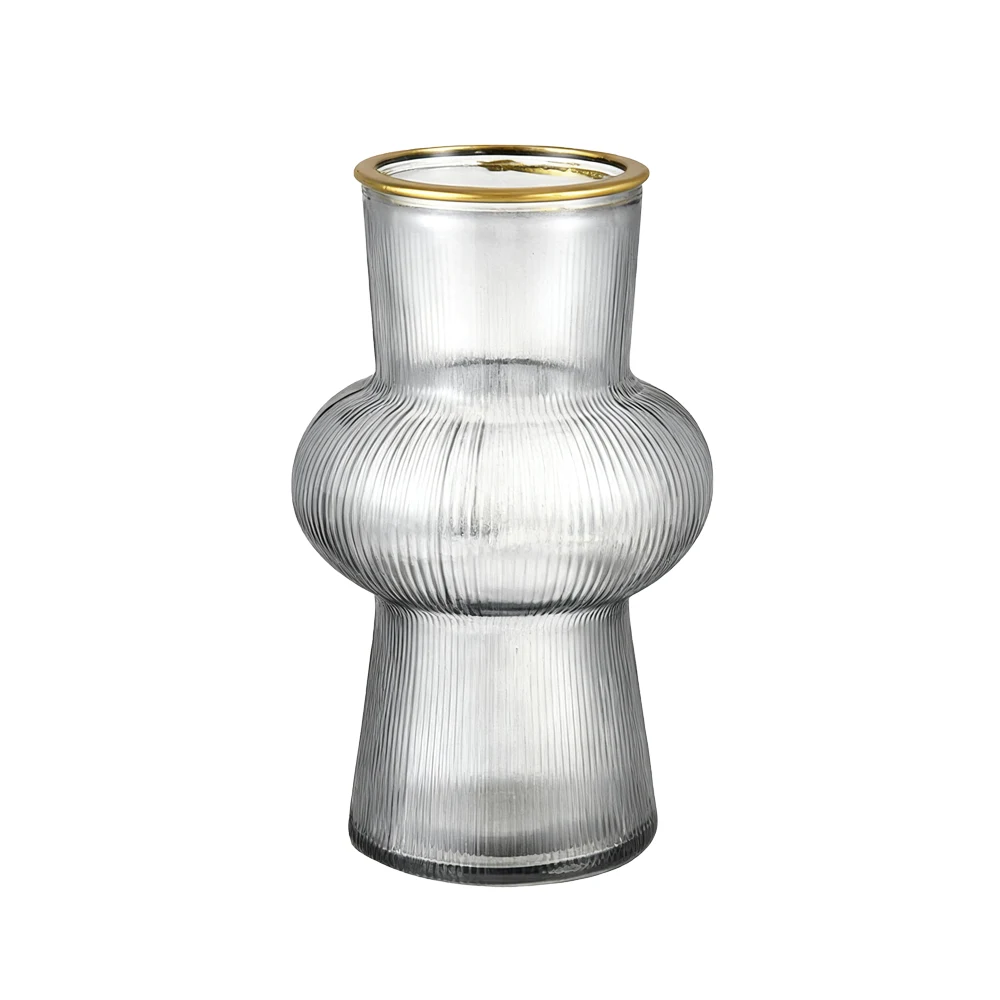
- Unique Shapes and Integrated Branding: One of the main features that set the candle holder apart is its shape. Unique shapes can be made by custom molds, ranging from geometric to natural, depending on the look of the brand. Integrated branding (debossed logos, embossed patterns, custom bases) is brand identity that is very closely linked with the product, hence the brand is not just a container but a higher thing. Custom packaging is also a great tool to upgrade the unboxing experience and promote the brand message even more.

2.2 Material Innovations and Sustainable Choices
The type of glass together with its properties is basically what sets the photogenic, functional, and ecological aspects of a candle holder.
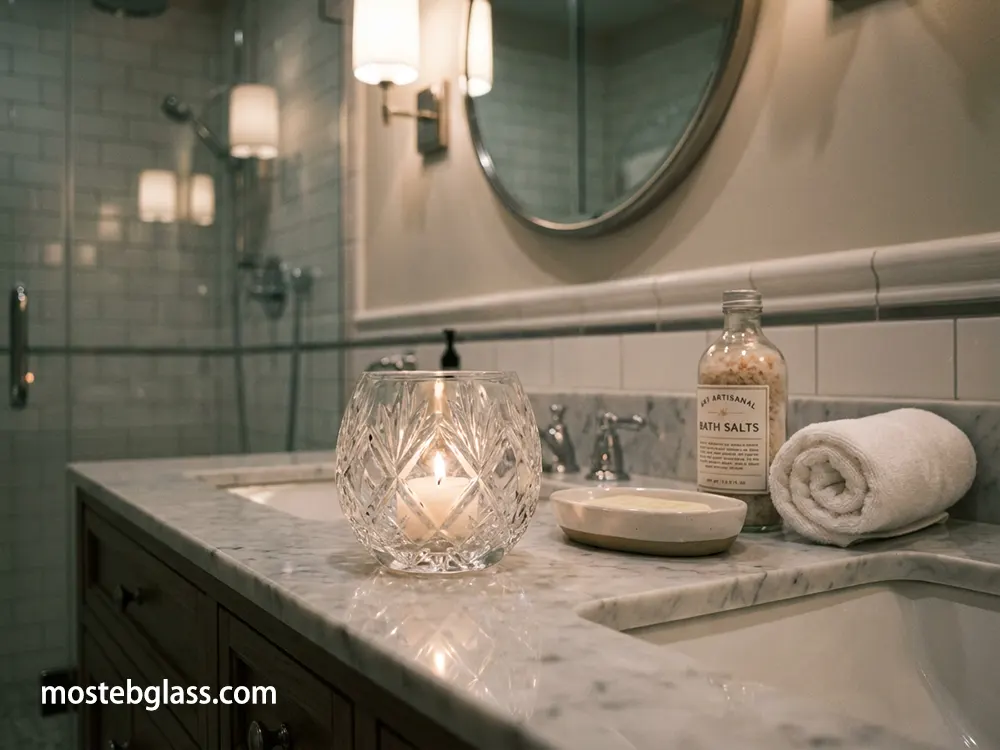
- Glass Types and Properties: Various glass compositions lead to different attributes. Soda-lime glass is the most common one and the cheapest. If the intention is to have a product that is both heat resistant and durable, borosilicate glass (Pyrex) is definitely the right choice, especially if the product is close to the flame or for long burning sessions. Crystal glass (usually lead-free), due to its excellent clarity and brilliance, is hence used for luxury.
Glass Composition Factors=f(Silica,Soda,Lime,Alumina,Boron Oxide)
Their precise ratio determines characteristics like melting point, viscosity, thermal expansion, and chemical resistance.
- Recycled Glass and Sustainable Practices: The main reason for the use of recycled glass (cullet) has been the sustained demand for environmentally friendly products, thus leading to less energy consumption, fewer raw material costs, and reduction of landfill waste.Simultaneously, manufacturers do not stop there; they also put efforts into optimizing their furnaces for greater efficiency, reducing their water consumption, and making closed-loop recycling more easy. Products with a significant percentage of post-consumer recycled glass are specifically desirable to eco-conscious brands.
3. Production & Supply Chain Dynamics
One must possess the know-how of production scale-up and global purchasing if they wish to optimize cost, quality, and delivery in the market of custom glass candle holders.
3.1 Manufacturing Scalability and Order Volume Considerations
The different levels of production volume are supported by different manufacturers, and each of these volumes affect lead times, prices, and the degree of the performed customization.
- Small-Batch Artisanal Runs: The scope of small-batch production is the most suitable for niche brands, limited editions, or prototyping and is distinguished by the predominance of manual processes and the involvement of a highly-skilled craftsman. It offers the maximum freedom of the design, but the price per unit is high and the time necessary to complete the order is long. MOQs can be even a few hundred units.
- Medium-Volume Specialized Orders: The mentioned segment is for brands that are maturing or for collections that are seasonal and need from a few thousand to a few tens of thousands of units. The production is performed by a fully automated line with some stages done by a semi-automated line, thus achieving a balance between customization and efficiency. Pricing is closer to that of small-batch runs, and the waiting times are almost half as long as those of artisanal runs. Brands that want to do a lot of customization but don’t want to commit to a large-scale volume are the right ones for this.
- Large-Scale Mass Production: The mentioned large-scale production is for long-established brands as well as for mass-market retailers and is done through the use of highly automated lines. Thus the output can be from hundreds of thousands up to millions of units. Along with it, is the cost per unit the lowest one, and the production cycle is the fastest one, after the molds are ready. Typically, customization is limited to surface treatments, colors, and branding of standard shapes. However, custom molds are possible if the volume is high enough. MOQs are from 50,000 to 100,000+ units.
| Production Scale | Typical MOQ (Units) | Customization Flexibility | Per-Unit Cost | Lead Time (Approx.) | Best For |
|---|---|---|---|---|---|
| Small-Batch Artisanal | 100 – 1,000 | Very High | High | 8-12 Weeks | Prototyping, Niche Brands, Limited Editions |
| Medium-Volume Specialized | 1,000 – 50,000 | High | Medium | 6-10 Weeks | Growing Brands, Seasonal Collections |
| Large-Scale Mass | 50,000+ | Moderate to High | Low | 4-8 Weeks | Established Brands, Mass Market |
3.2 Global Sourcing and Production Hubs
- North America and Europe:These two regions are known for products of high quality made by skilled workers, have advanced technologies and very strict standards for the environment and labor. They are also very often leaders in innovation and sustainability. While the unit price is higher, the advantages are a shorter shipping time for local markets, better IP protection, and better communication.
Asia (e.g., China, India, Vietnam):Asia remains the leader in the number of glass factories globally, can offer cheap products, has large production capacities, and a well-established supply chain. China is a very versatile country, capable of doing everything from simple to very complex. However, although the starting costs are low in many cases, the factors being considered are longer shipping times, possible communication difficulties, and varying quality control, although quite a few Asian manufacturers are now certified to international standards. The size and flexibility of Asia are the reasons why most large volume orders are placed there.
4. Strategic Customization for Diverse Market Segments
Customization cannot be considered as a single approach, it has to be differently applied depending on the objectives of the specific market segment.
4.1 Luxury Market: Brand Differentiation and Exclusivity
Within the luxury segment, customization is a must for the brand and exclusivity. Brands can use one-off designs, luxurious materials (e.g., leaded crystal, specially treated surfaces), and extremely detailed to create what is basically art. The idea is to be different through the best possible quality and design, thus being able to justify the higher price. In addition, luxurious and usually handmade packaging serves as a way of elevating the experience even more. For Mosteb it is providing the luxury market with perfect workmanship, design that breaks the mold, and a flawless client journey.

4.2 Mass-Market: Cost Optimization and Broad Appeal
The consultation for the mass market revolves around the aspects of appealing to mass and cutting the costs. This typically means one or more of the following: custom colors, simple branding, or popular finishing applied to volumetric standard glass shapes. The purpose is that of both value and personalization at nearly no extra cost per unit. Manufacturers must carefully weigh the design extensiveness against production scalability, thereby they can plan the integration of their lines that are capable of high- volume efficiently.
5. Conclusion: Future Trends in Bespoke Glass Candle Holders
Several factors, including technology, changing consumer expectations, and the need for sustainability, are redefining the custom glass candle holder market. Those glass candle holders producers who can significantly and quickly bring about a change—by means of faster prototyping, intelligent automation, clear sourcing, and eco-friendly design—will have the advantage of being the leaders.
While consumers demand authenticity, sensory appeal, and refillable or sustainable packaging, there are significant opportunities for the companies which blend creative design, agile production, and digital tools such as configurators and rapid sampling to attract customers.
In the end, the glass manufacturers who decide to go along with the trends of collaboration, customization, and sustainability will not only be the ones to shape the future of bespoke glass candle holders but also be able to stay afloat in a rapidly changing global market.