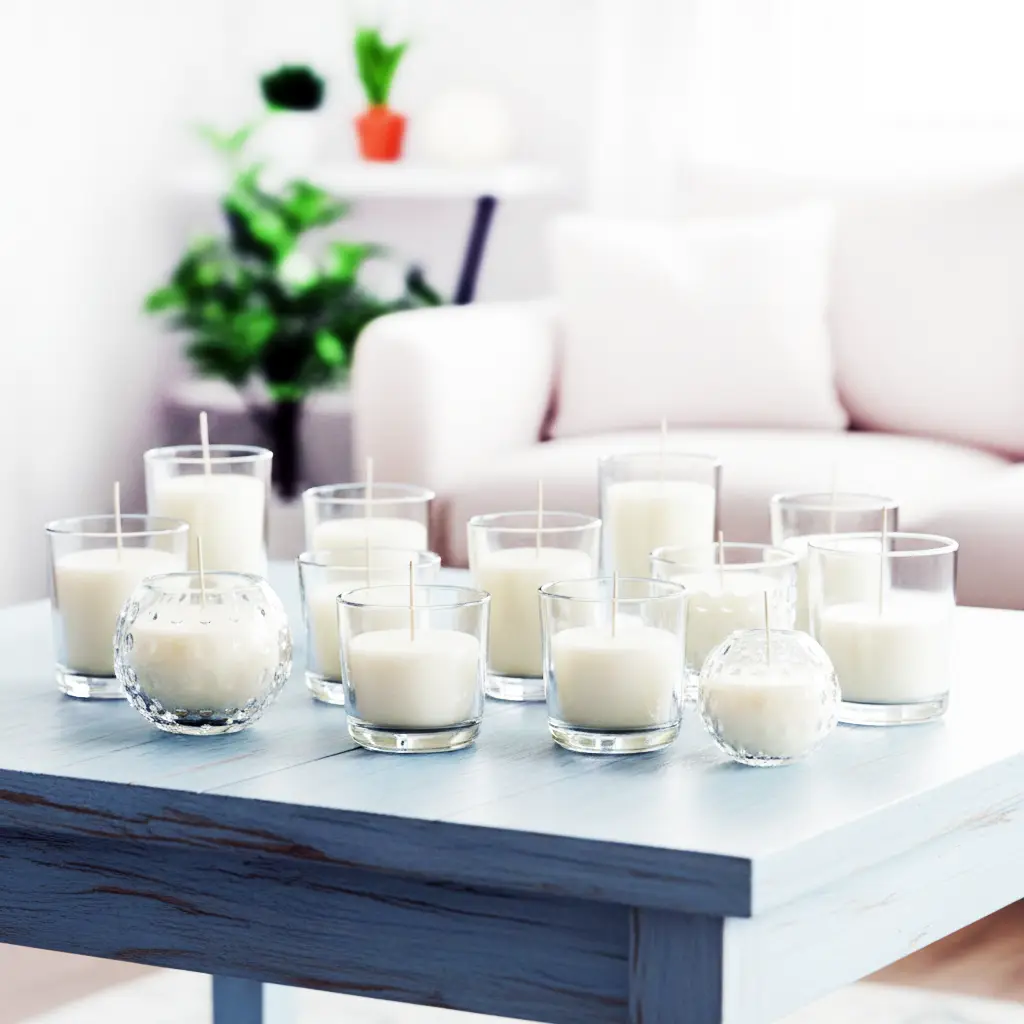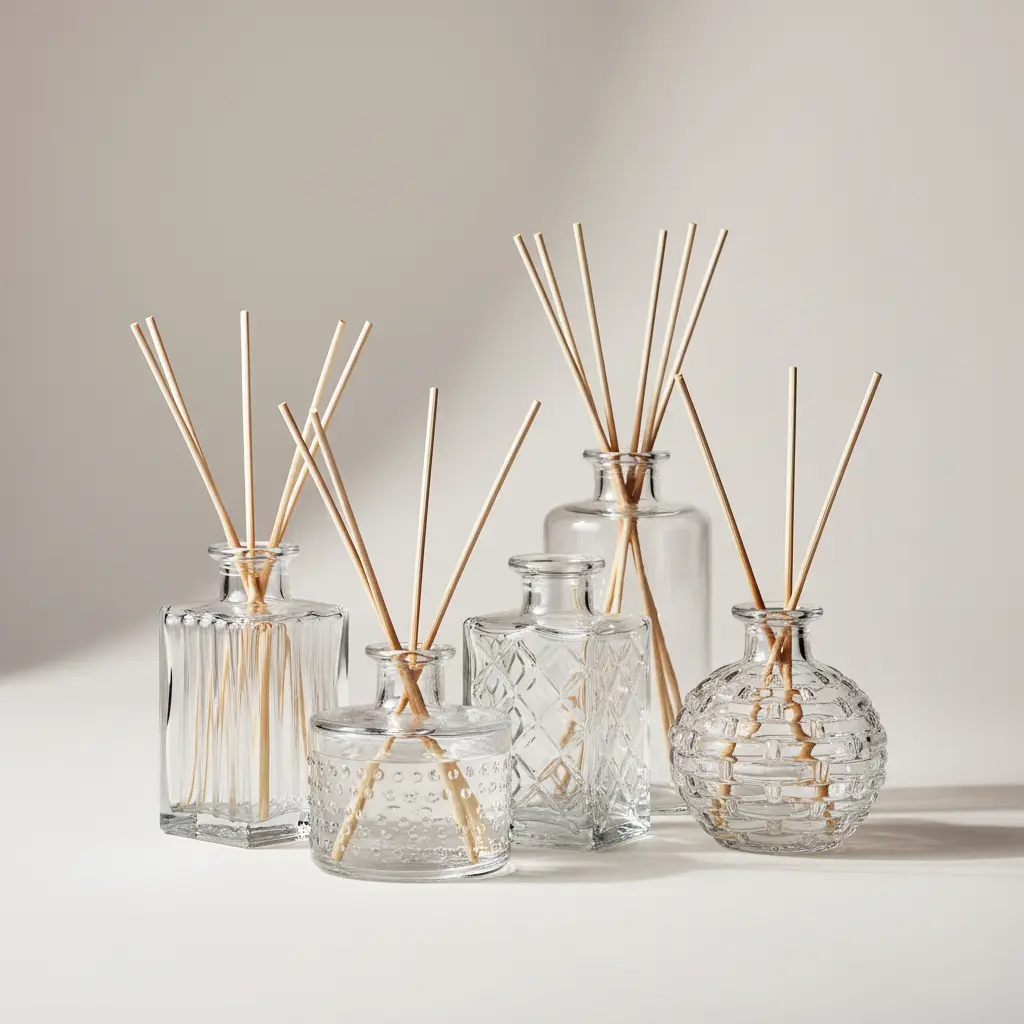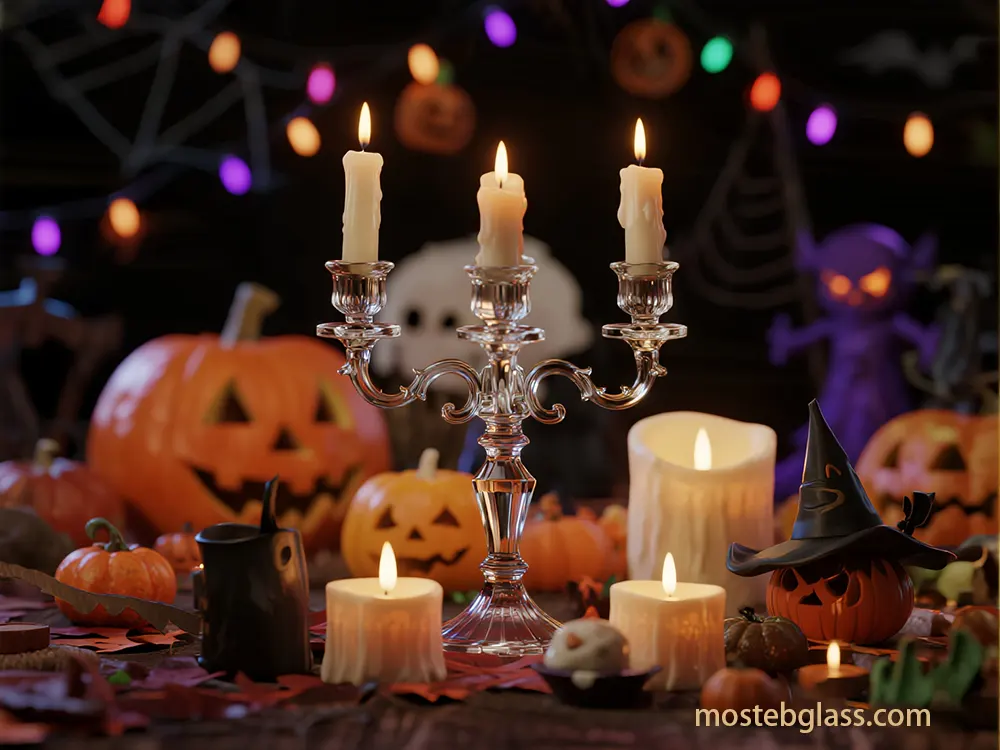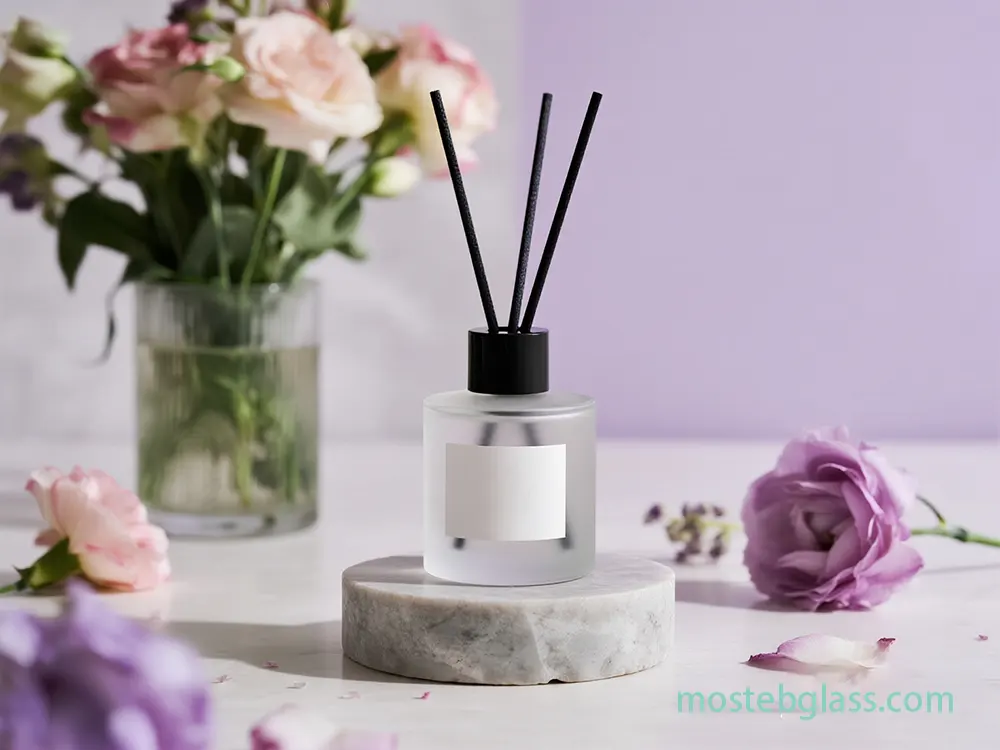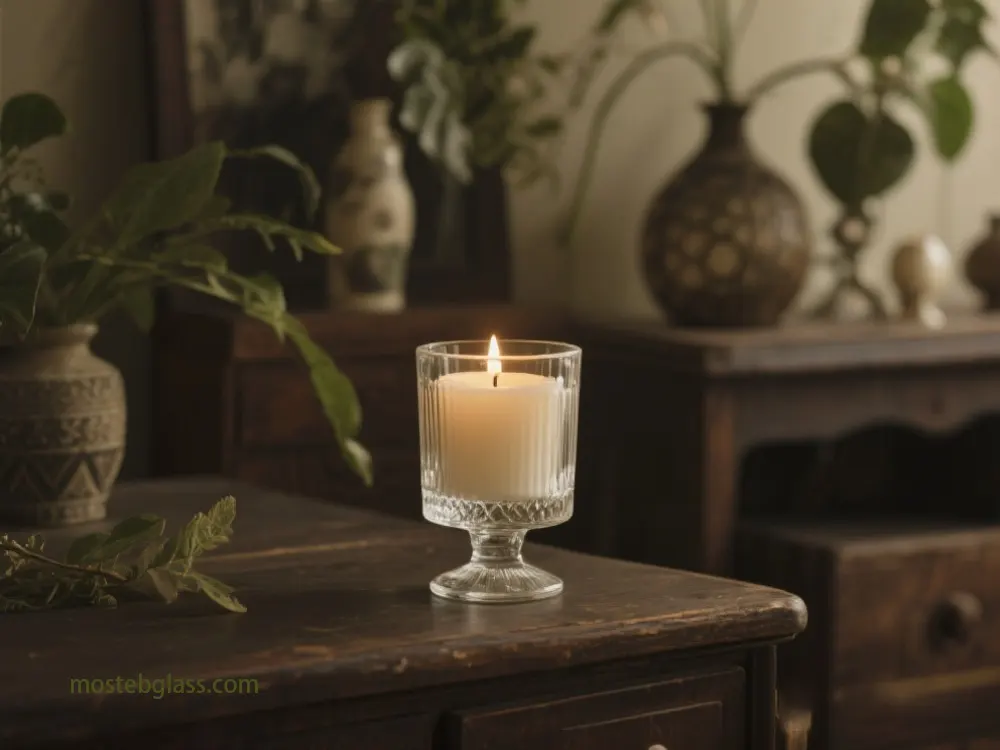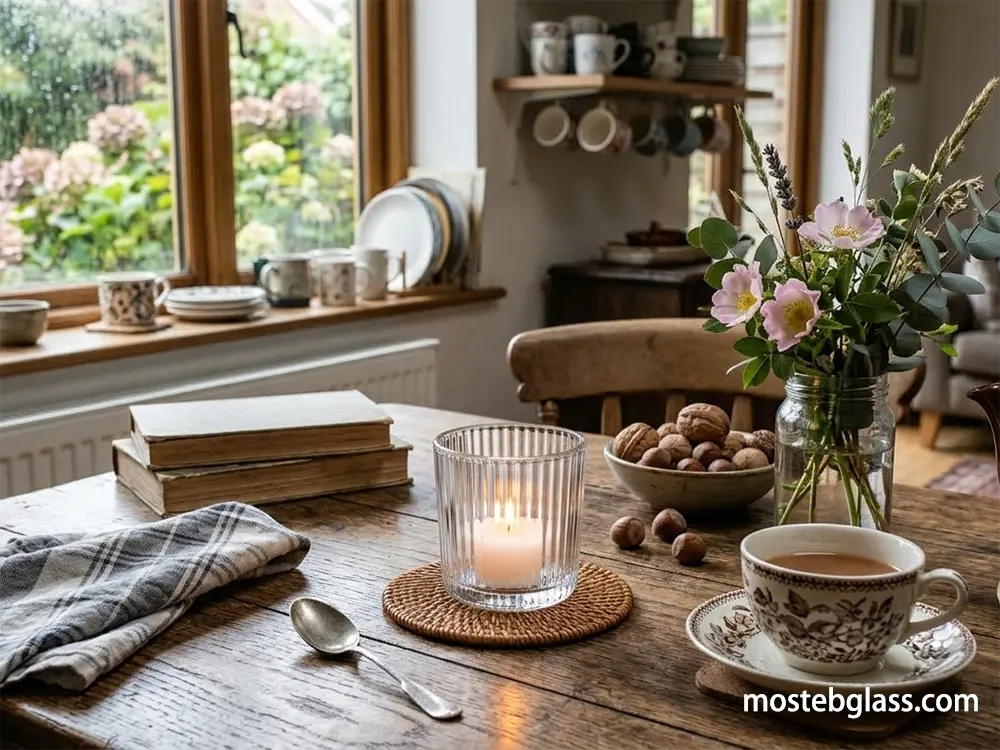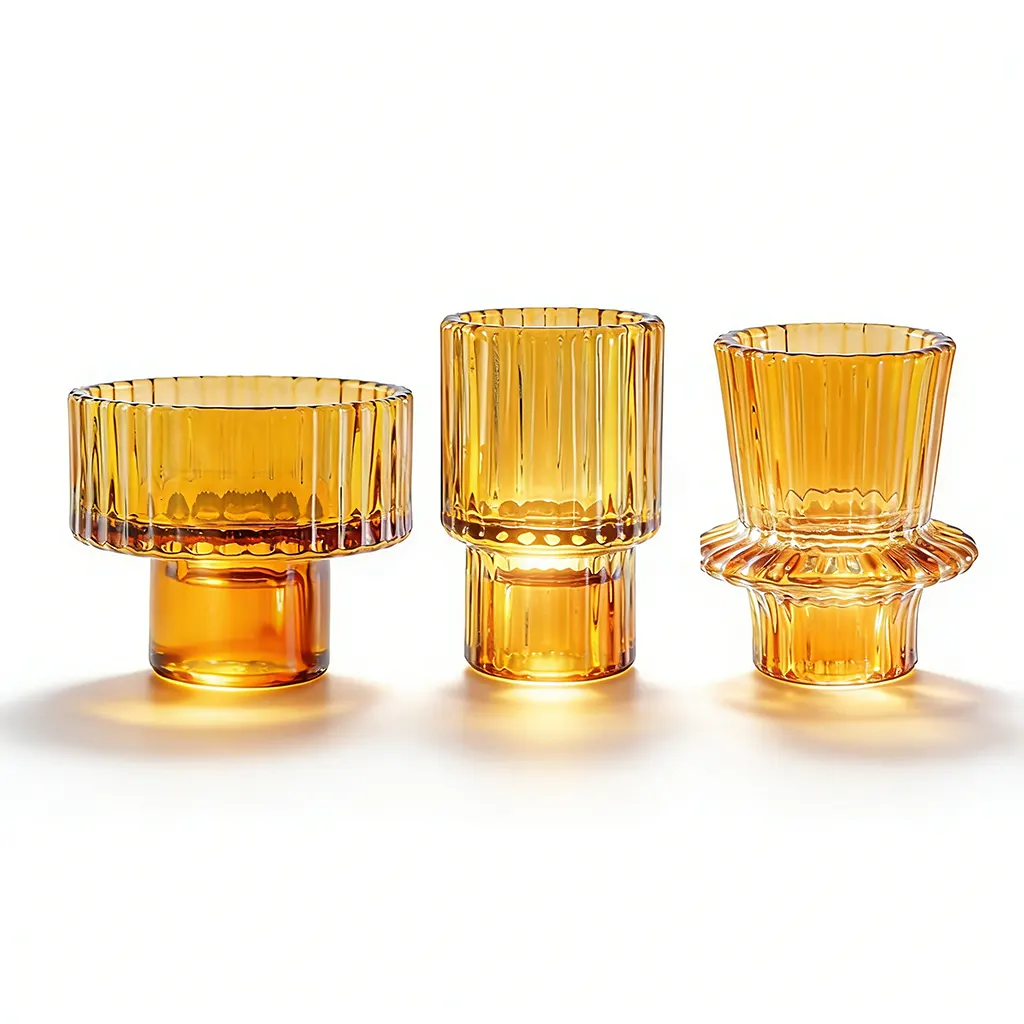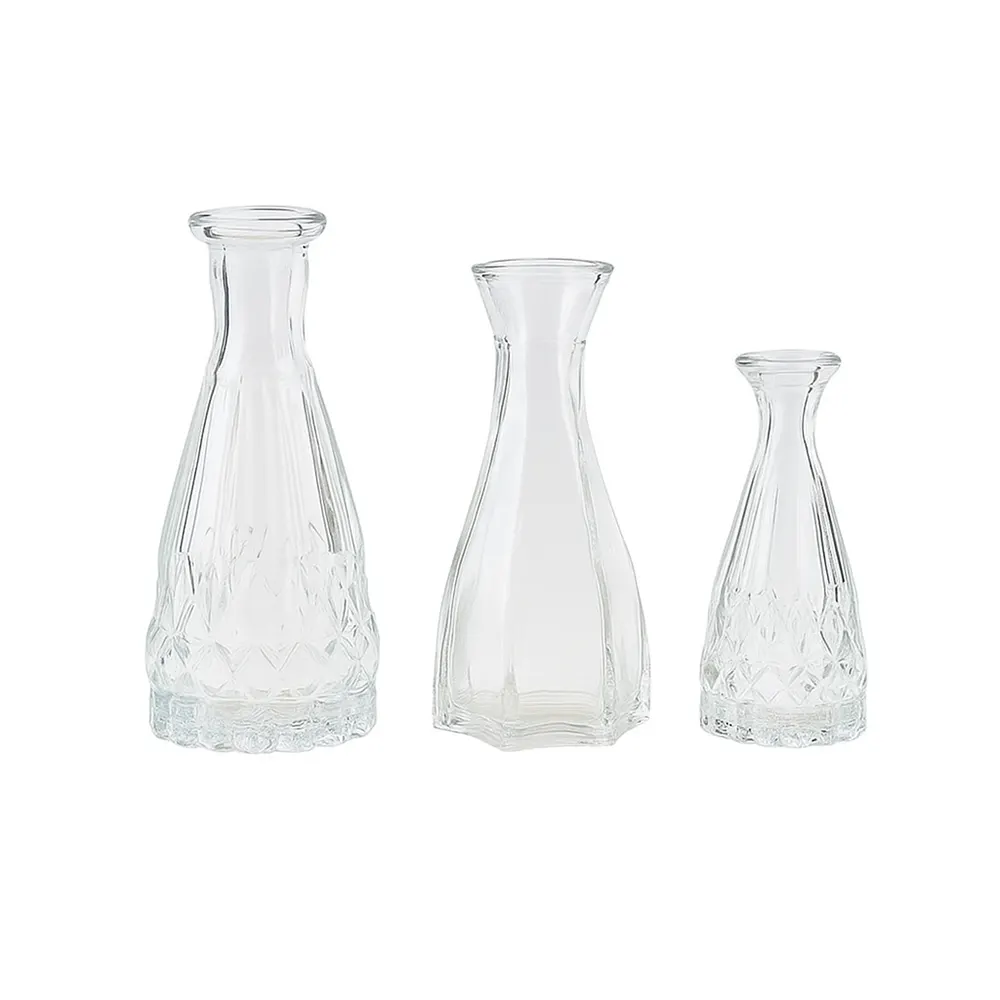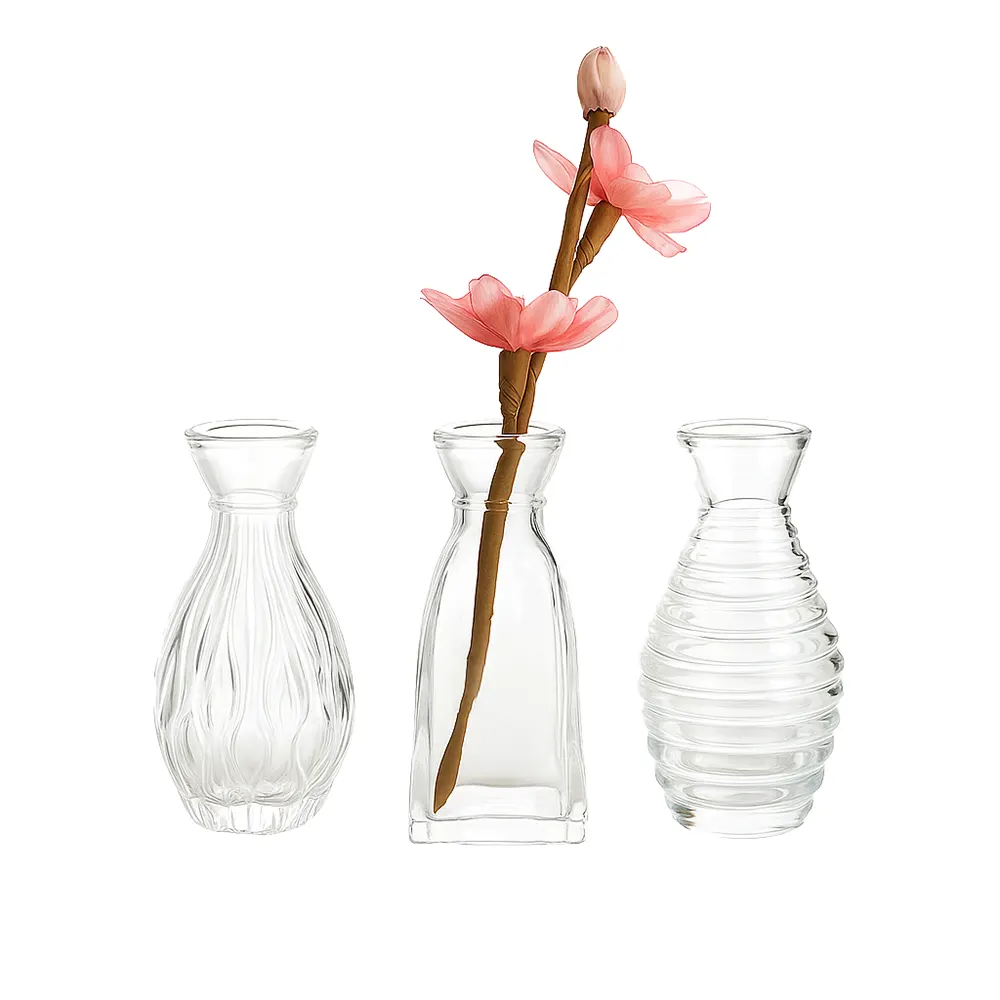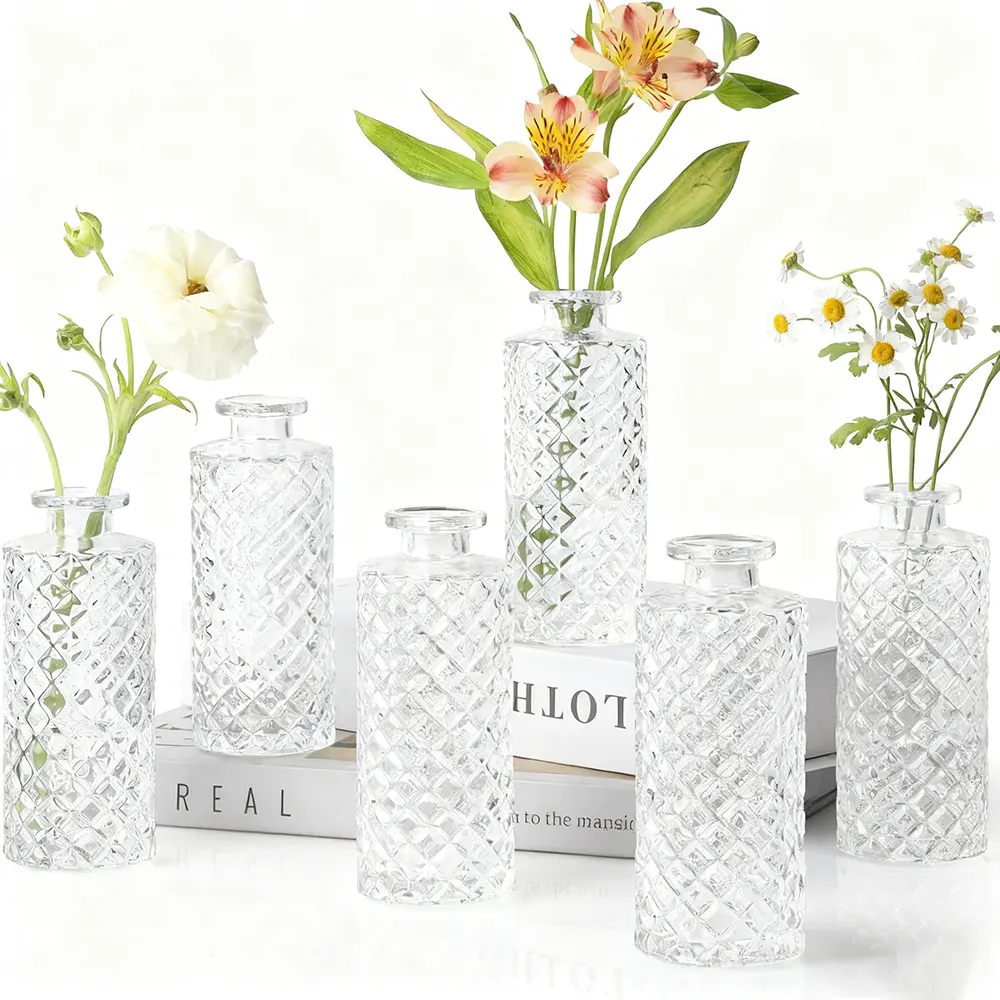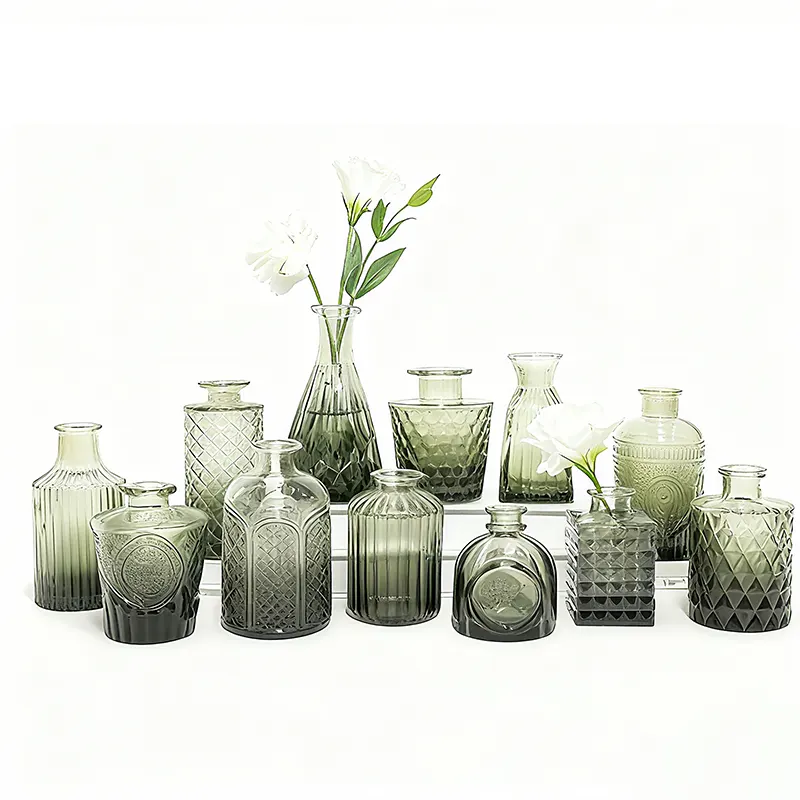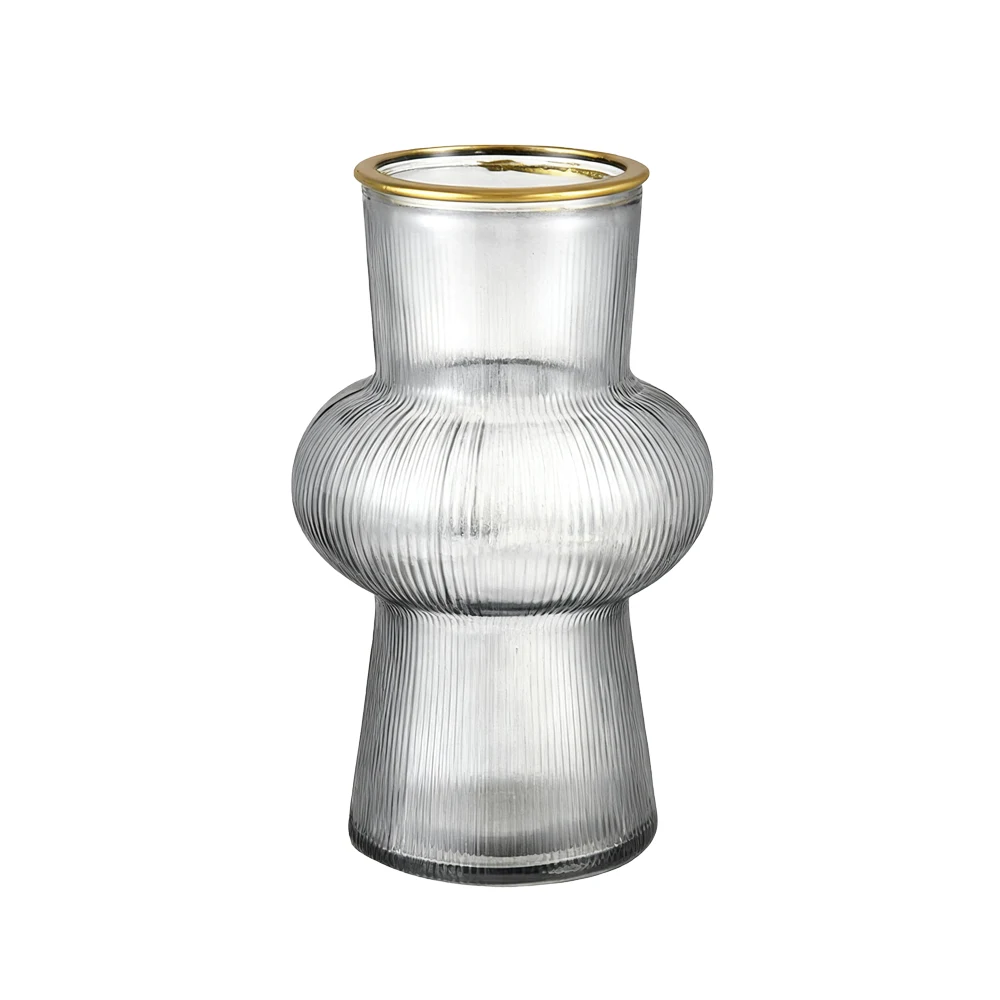
В условиях современной конкурентной среды в сфере товаров для дома, выбор компании-производителя подсвечников для чайных свечей является важнейшим стратегическим решением, определяющим рыночную траекторию и качество продукции. Это касается как начинающих, так и уже состоявшихся брендов, таких как [название бренда]. МостебЗамысел дизайна переходит в процесс производства и может как способствовать успеху продукта, так и превратить его из товара массового потребления в культовое произведение функционального искусства. В этом отчете представлен всесторонний анализ производственной экосистемы, включая технические, логистические и этические параметры, которые должны быть соблюдены для достижения партнерства, гарантирующего долгосрочную масштабируемость и высокое качество изготовления.
1. Визуальная идентичность и позиционирование на рынке
Первым шагом в поиске поставщиков станет тщательное сопоставление художественного творчества производителя с визуальной ДНК бренда. Портфолио производителя — это не описание того, что было сделано в прошлом, а скорее заявление о его технических возможностях и о том, что он считает эстетически привлекательным.
1.1. Согласование художественных возможностей с философией бренда.
В случае с таким брендом, как Mosteb, где акцент может быть сделан на определенных дизайнерских решениях: простоте линий скандинавского минимализма или сложности необарочной роскоши, производитель должен продемонстрировать мастерство в создании форм и отделки. При выборе производителя подсвечников одной из первых задач является проверка его способности воспроизводить определенные виды отделки, такие как матовые порошковые покрытия, реактивная глазурь на керамике или прозрачность стекла с высоким показателем преломления. Производитель должен быть соавтором, преобразующим двухмерную структуру в трехмерную модель, которая сохранит суть первоначальной идеи.

1.2. Ориентирование в ценовых категориях и оптимизация затрат
Себестоимость реализованной продукции (COGS) неразрывно связана с позиционированием на рынке. Компания, производящая предметы роскоши высокого класса, такие как изделия из выдувного стекла или латуни, не будет использовать те же технологии, что и партнер, ориентированный на массовый рынок, например, стекло, изготовленное машинным способом из натриево-кальциевого сплава или цинковых сплавов. Оптимизация затрат – это процесс, в ходе которого производитель предлагает изменения в материалах или конструкции, которые снижают затраты без потери воспринимаемой ценности. Передовой партнер предоставит информацию о том, как даже незначительное изменение толщины стенок или корректировка формы существенно влияют на цену за единицу продукции, чтобы бренд мог достичь желаемого диапазона розничных цен и при этом сохранить высокую рентабельность.
2. Специализация производителя подсвечников на определенных материалах.
Наиболее распространенный способ оценить техническое совершенство производителя подсвечников — это мастерство работы с определенными материалами. Каждый материал имеет свои особенности с точки зрения термостойкости, рассеивания света и прочности.
2.1. Мастерство работы с материалами у производителя подсвечников для чайных свечей
Наиболее популярным материалом является стекло, поскольку оно прозрачно и отражает свет. Но разница между обычным производителем и производителем высокого класса часто заключается в процессе отжига — постепенном охлаждении стекла для снятия внутренних напряжений. В производстве керамики в первую очередь важны качество глины и температура обжига; высокотемпературная каменная керамика или фарфор гораздо прочнее и имеют лучшую отделку, чем низкотемпературная фаянсовая керамика. Даже производители металлических изделий (особенно те, кто работает с латунью или нержавеющей сталью) должны проявлять точность при сварке и полировке, чтобы обеспечить качество. подсвечник Безопасен и приятен на вид даже после длительного воздействия высоких температур.
2.2. Собственные инструменты против гибкости, предоставляемой по принципу «белой этикетки»
Отличный производитель подсвечников должен предлагать два разных подхода: разработку собственной оснастки и дизайн под собственной торговой маркой (OEM). Разработка собственной оснастки подразумевает создание специальных пресс-форм, принадлежащих конкретной марке, что дает бренду сильное конкурентное преимущество и защиту. Дизайн под собственной торговой маркой, с другой стороны, позволяет бренду выбирать из существующих дизайнов и создавать индивидуальную отделку или брендинг. Обычно это идеальная возможность для экспериментов с новыми сегментами рынка. В следующей таблице показаны компромиссы между различными категориями материалов и последствия их производства.
| Категория материала | Общие методы | Термостойкость | Возможности индивидуальной настройки | Типичные сроки выполнения заказа |
|---|---|---|---|---|
| Боросиликатное стекло | Выдувание стекла вручную, ламповое стеклоделие | Отлично (термический шок) | Высокая (сложные формы) | 45–60 дней |
| Натриево-кальциевое стекло | Машинное прессование, центробежный | Умеренная степень твердости (требуется отжиг) | Средний размер (стандартные формы) | 30–45 дней |
| Керамика/Каменная керамика | Литье в шликерную форму, ручная глазурь | Высокий (изолирующий) | Высокий (текстура/глазурь) | 50–70 дней |
| Металл (латунь/железо) | Литье в песчаные формы, литье под давлением | Высокая (проводящая) | Высокий (изысканные детали) | 60–90 дней |
| Бетон/Смола | Литье в форму | Умеренный | Средний (индустриальный стиль) | 30–40 дней |
3. Масштабы производства и географическая логистика.
Расширение производства должно осуществляться с учетом влияния объема на качество и географического положения на общую себестоимость продукции с учетом доставки.
3.1. Балансирование минимальных объемов заказа с прогнозируемыми годовыми объемами.
Основная проблема для небольших брендов обычно заключается в минимальных объемах заказа (MOQ). Производитель подсвечников для чайных свечей Для определения возможности установки автоматизированных линий может потребоваться минимальный объем заказа от 3000 до 5000 единиц на каждый артикул. Тем не менее, кустарные фабрики могут устанавливать минимальный объем заказа всего в 300-500 единиц. В случае с компанией Mosteb решение должно заключаться в поэтапном подходе, при котором более мелкий и гибкий производитель будет использоваться для выпуска лимитированных серий или флагманских товаров, а более крупные фабрики — для основных и высокообъемных запасов. Это позволит сбалансировать угрозу избыточного производства с необходимостью повышения эффективности производства.
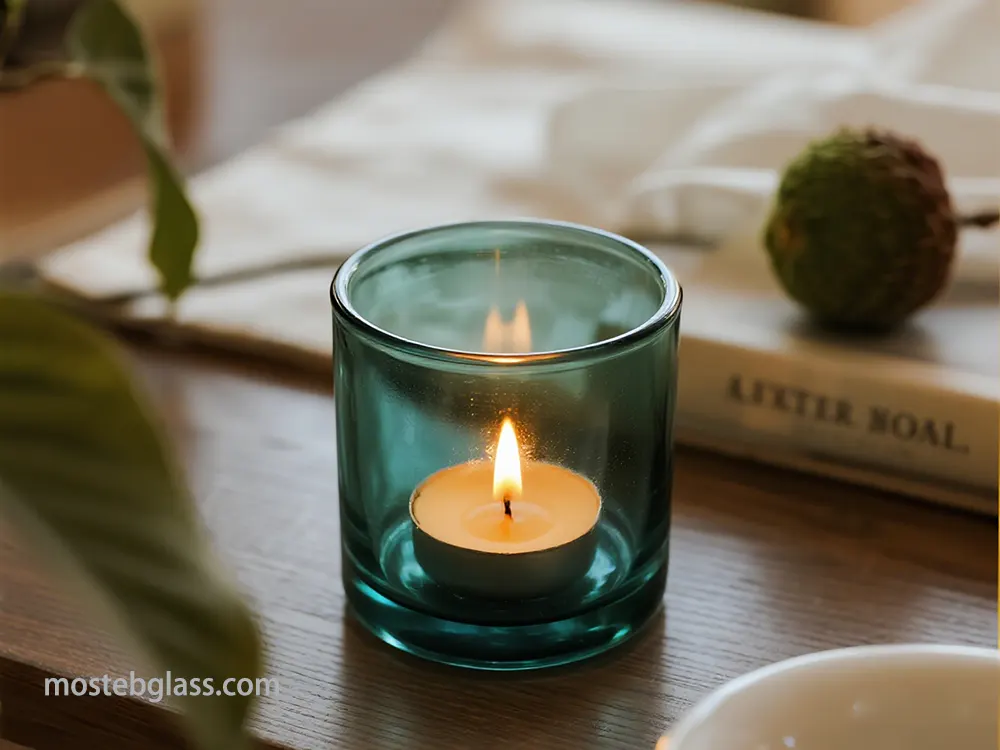
3.2. Географические центры: скорость внутренних перевозок против эффективности международных перевозок
При выборе географического региона необходимо учитывать компромисс между стоимостью и скоростью выхода на рынок. По состоянию на 2010 год Китай является мировым лидером по производству стекла и керамики, особенно в таких провинциях, как Цзянсу и Гуандун, благодаря своей непревзойденной инфраструктуре и разумным ценам. Лучшее место для поиска металлических подсвечников для чайных свечей — Индия, в частности, регион Морадабад, известный своим ручным литьем и изделиями из латуни. Преимущества отечественного производства (например, в Европе или Северной Америке) заключаются в более коротких сроках выполнения заказов и более дешевой доставке, что становится очень важным на нестабильном глобальном рынке логистики. При выборе производителя международных подсвечников для чайных свечей необходимо учитывать не только цену за единицу продукции, но и общую стоимость доставки, которая включает пошлины, фрахт и стоимость капитала, связанную с длительным временем транзита.
4. Соблюдение экологических и этических норм.
В современном мире сила бренда напрямую зависит от качества его поставщиков. Этичные методы закупок – это не выбор, а часть ценности бренда.
4.1. Устойчивое снабжение и целостность материалов
Если производитель подсвечников пользуется хорошей репутацией, он должен быть прозрачным в отношении источников сырья. К ним относятся переработанный стеклобой, керамическая глазурь, бессвинцовые покрытия, а также металлы, полученные из экологически чистых источников. В случае таких брендов, как Mosteb, необходимо подтвердить эти заявления сертификатами сторонних организаций. Кроме того, сам производственный процесс, а именно энергоемкий обжиг в печах и плавка стекла, предпочтительно должен осуществляться с использованием возобновляемых источников энергии или компенсироваться за счет программ углеродных кредитов.
4.2. Этичные трудовые практики и углеродная нейтральность
Помимо экологических проблем, первостепенное значение имеет социальная ответственность. От этичного производителя подсвечников ожидается соблюдение международных трудовых стандартов, включая стандарты Business Social Compliance Initiative (BSCI) или Sedex (аудиты SMETA). Эти аудиты гарантируют справедливую оплату труда, хорошие условия работы и отсутствие детского труда. В условиях растущего числа нормативных актов в мире, касающихся отчетности по выбросам углерода, производители, активно отслеживающие и сокращающие свой углеродный след, станут предпочтительной группой прогрессивных брендов.
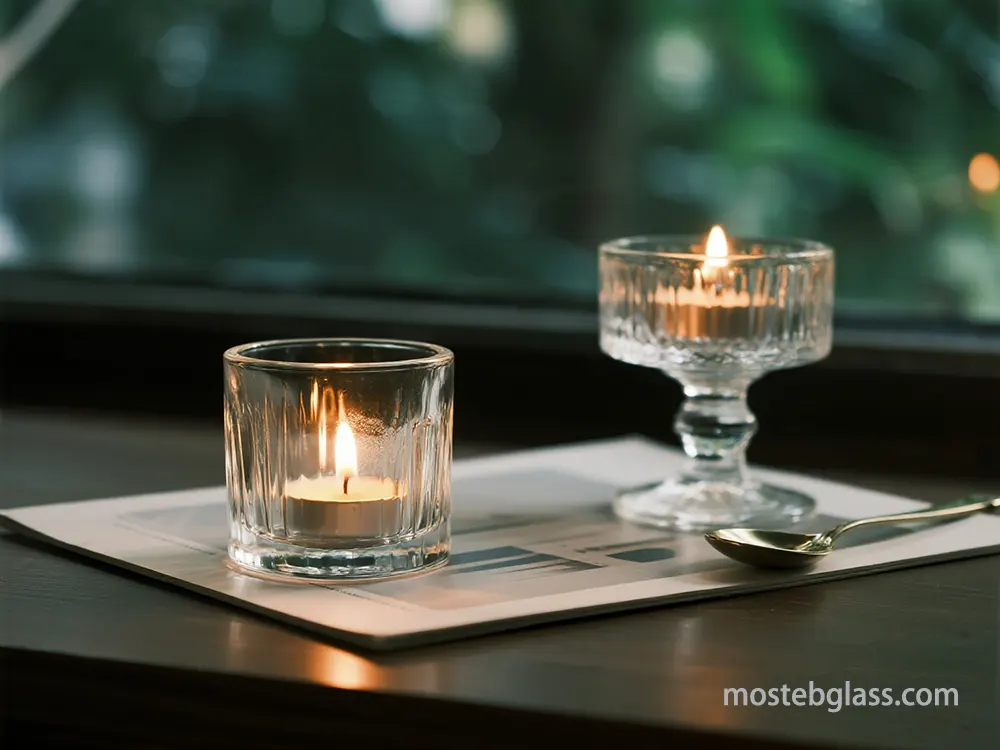
5. Структура для окончательного отбора
Выбор партнера-производителя должен быть окончательным результатом хорошо организованной процедуры проверки, которая будет уделять особое внимание надежности и стабильности.
5.1. Процесс проверки и обеспечение качества
Для обеспечения бесперебойного производства подсвечников необходим многоступенчатый процесс отбора образцов при выборе производителя. Он начинается с «прототипного образца для проверки», а затем переходит к предпроизводственному образцу (ППО), который отражает фактическое качество продукции. Протоколы обеспечения качества (ОК) должны быть внедрены на раннем этапе и включают в себя испытания на термостойкость стекла (стандарты ASTM F2179-14) и испытания на стабильность, чтобы убедиться, что подсвечник не опрокинется и не перегреется. Настоятельно рекомендуется проводить проверку продукции на промежуточных этапах производства и перед отгрузкой независимыми экспертами, чтобы предотвратить риск появления дефектных изделий.
5.2. Обеспечение долгосрочной устойчивости цепочки поставок
Эффективный производитель подсвечников — это не просто поставщик, а долгосрочный деловой партнер в развитии бренда. Открытая коммуникация, совместное прогнозирование и инвестиции в инновации — вот некоторые из способов обеспечения устойчивости. Это может быть совместное инвестирование в новую пресс-форму или многолетняя сделка по поставкам продукции с приоритетным правом производства для компании Mosteb. Создавая тесную связь с брендом, производитель может быть более гибким в отношении изменений на рынке и в цепочке поставок, и его продукция будет продолжать радовать покупателей, предпочитающих аналогичное качество и стиль.
Наконец, процесс поиска производственного партнера — это процесс тщательного баланса искусства, науки и этики. Бренды могут убедиться, что их подсвечники для чайных свечей не только красивы, но и производятся экологичным и надежным способом, сосредоточившись на владении материалами, географических преимуществах и строгом соблюдении норм.