1. Executive Summary
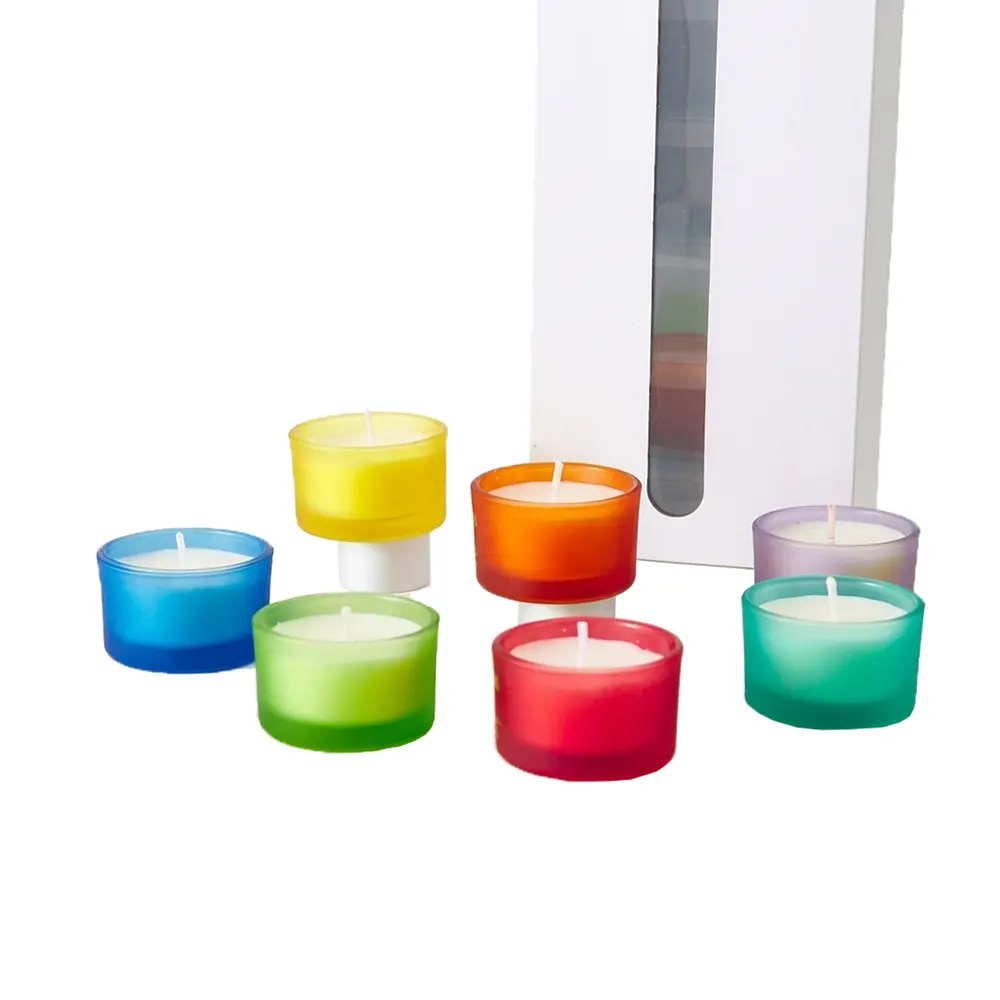
This report analyzes the permanent practices in glass tea light holders production and supply. It addresses challenges like energy-intensive manufacturing, extraction of raw materials, waste and moral sourcing. Major findings emphasize the recycling of glass, quite integration, advanced furnace technologies and innovative recycling for small, contaminated objects. The report also highlights supply chain transparency, moral labor and circular models (reuse/re -filling). Manufacturers, policy makers, retailers and consumers are provided strategic recommendations to promote a permanent, circular economy for glass tee light holders.
2. Introduction: Durable Glass Tea Define Light Holders
Glass Tea Light holders require global demand to check their environment and social footprint in the supply chain. This report defines permanent practices, focusing on carbon footprint, waste deficiency, moral sourcing, energy efficiency, water use and social equity. Life cycle evaluation (LCA) is a fundamental method for evaluating environmental impacts, in which the cradle-to-cardle LCA is the most accurate for the carbon footprint of the glass industry. Adherence for ISO 14040/44 continuously ensures LCA functioning.

3. The Sustainability Profile of Glass as a Material for Tea Light Holders
Glass is a permanent option for tea light holders, due to 100% endless recycled without quality loss, enables a closed-loop system. The inert nature prevents the decline like plastic, which takes centuries to decompose.
However, glass production faces environmental challenges. Furnace melting is the most energy-intensive phase, which contributes significantly to its carbon footprint. The weight of the glass, the raw material and the calculat transport account affects the total energy in container glass production for less than 10% of the total energy, often offset by recycled glass energy savings.
4. Sustainable practice in glass manufacturing (upstream)
The upstream segment covers source of raw materials and glass manufacturing, providing important stability opportunities.
4.1. Source of responsible raw materials
Glass production depends on silica sand, soda ash, and limestone.
| Sustainability Initiative | Benefit |
| Recycled glass (cullet) | Lower energy consumption |
| Oxy-fuel furnaces | Reduced CO₂ emissions |
| Closed-loop water systems | Reduced water usage |
| Renewable energy | Lower carbon footprint |
| Local sourcing | Reduced transportation emissions |
5. Permanent practices in assembly, packaging and logistics (midstream)
It is important to reduce environmental effects, covering the midstream segment, assembly, packaging and logistics.
5.1. Efficient and Low-Impact Assembly Processes
While specific details for glass tea light holder assembly are limited, general permanent manufacturing principles are applied. These include optimizing production lines for waste deficiency, reducing energy in machinery and implementing lean manufacturing for efficiency. The brand integrates these principles, which environmentally ensures sound assembly from decrease in material scrap, to energy adaptation.
5.2. Permanent packaging materials and design
Traditional packaging often uses non-ecological plastic and acid-dhoy cardboard, causing significant environmental damage. Sustainable solutions are important for delicate glass tea light holders.
- Compostable and biodegradable materials: Cruise foam (wheat/corn-based) environmentally friendly options quickly degrad.
- Recycled materials and re -purposes: Corrugated cardboard bubble rap, made from recycled cardboard, provides protection.
- Innovative design: Custom molded paper pulp packaging provides better, form-fitting protection. Sasanded box systems use stressful films for delicate objects.
- Logistics optimization: Disassemating multi-piece items for shipping reduces movement and location, allowing them to cut off per shipment and pollution.

5.3. Optimizing Transportation and Distribution Networks
Glass tea light holder is the logistics optimization paramount to reduce the carbon footprint of distribution, which is looking at the fragility and weight of the glass.
- Route optimization: AI-in-operated software identifies skilled routes by considering drop-off clustering, vehicle capacity, real-time traffic and customer windows. To reduce fuel and emissions, it can cut the distance of the journey up to 10–30%.
- Modal Shifts: Transfer of long-halls to rail or intormodal freight can cause 70% versus road transport cuts in emissions.
- Local production and distribution: Regional production and sourcing transport of local raw materials significantly reduce the risk of breakdown and carbon emissions.
- Efficient warehousing: automated warehouses, robotics, and warehouse management system (WMS) streamline glass handling, reduce errors, and optimize the inventory. In-time management further cuts additional stock.
- Last-Meal Distribution Solutions: This section contributes significantly to logistics emissions. Strategies include electric/hybrid vehicles for urban delivery, green options such as local micro-hub and bicycle courier.
- Technology and AI: Transport Management System (TMS) improves cube use and reduces deeds trips. The AI is integrated for real -time inventory with ERP and WMS and demands forecast, powers maintain the future, and the supply chain provides visibility.
6. End-of-Life Management and Circularity for Glass Tea Light Holders (Downstream)
Effective end-life management is important to achieve circularity.
6.1. Challenges in consumer-level collection and recycling
Tea light holders such as small, wax -filled glass items recycling offer unique challenges:
- Contamination: Food residues, labels, and non-listening material (wax, wicks) ruined glass batch.
- Small size: Small items can be captured incompetently with broken glass in recycling processes.
- Collection and pruning infrastructure: disable collection and high contamination range glass recycling capacity. In some areas, there is a lack of Carbside glass collection due to cost or contamination. Single-stream recycling may contaminate other recyclables.
- Transport Cost: Glass is heavy and expensive for transportation, the recycling program affects viability.
- Lack of public awareness: Many consumers are unaware of proper glass recycling guidelines, including removing wax residues.
6.2. Innovative approach to achieve circularity
To promote a circular economy for glass tea light holders, many innovative solutions are emerging:
- Advanced sorting technologies: high-technical optical sorting (camera, AI) accurately distinguishes glass from color and type. X-ray fluorescence, LED, and Vision AI CSP and CSP as CSP detect the contaminant.
- Glass cleaning system: The machine provides the system using tromell with mechanical and air separation to remove light material from broken glass.
- Consumer Education: Educating the public on proper settlement and removal of wax reduces contamination. Methods include cold, hot water or stovetop techniques.
- Deposit-Return Schemes (DRS): DRS adds a refundable deposit to the container, receiving high collection rates (up to 40% for glass beverages) through reverse vending machines (RVMs). Most of the global DRS include glass.
- Industrial Ceramics: Use waste/by-products from one industry as raw materials for another, creates circular resource flows, reduces waste and saves energy.
- Alternative uses for recycled glass: Beyond new containers, recycled glass concrete, tiles, fiberglass insulation, pipe beds, road sub-surfs, and collected in Mulch.
- Reusing and re -filling models: obtaining traction in beauty and beverage industries. Verlias discovered re-purpose glass bottles with 95% less carbon footprints than single-use.
- Extended Manufacturers Responsibility (EPR) Schemes: EPR plans (eg, PEPR of UK) encourages producers to fund the recycling of life at the end of packaging.
7. Ethical Sourcing and Social Equity in Supply Series
The human dimension of stability ensures proper labor, safe position, transparent supply chain and positive community engagement.
7.1. Moral source of raw materials
Ethical sourcing ensures that raw materials are extracted and processed by respecting human rights, environment and fair labor. Silica sand and limestone extraction effects (erosion, habitat destruction, GHG emission) require sustainable practices.
7.2. Supply chain transparency and traceability
By 2025, buyers expect transparency on physical origin, processing, labor and environmental announcements. This includes the origin of the material (eg, “Ontario to Feldspar”), KILN Energy, Transport, and Labor Certificate (SA8000, Rap). compliance.
7.3. Fair labor practices and safe work status
Ensuring fair labor practices is an important responsibility that affects the worker’s welfare, prestige, and legal status. Glass industry workers face risks such as cut, burn, harmful dust breathing (respectable crystalline silica or RCS), and ergonomic stress.
- Workers Safety: Comprehensive Safety Guidelines are necessary, covering equipment, PPE, chemical management, and fire protection.
- Suppliers Audit: Comprehensive audit implements fair labor standards, ensure supply chain stability, and verify compliance with rules such as the fair labor standard Act of 1938.

7.4. Community involvement
Active community engagement is important for mining and manufacturing, involving diverse stakeholders in planning, execution and monitoring. 2025 trends include satellite remote sensing and AI-powered environmental monitoring.
8. Major challenges and strategic recommendations
Glass tea light holders cope with many obstacles, requiring a multi-interest approach.
8.1. Key Challenges
- High energy consumption: Melting is highly energy-intensive, contributing significantly to carbon footprint.
- Raw material extraction effect: Silica sand and limestone extraction causes habitat destruction and erosion, requiring careful management.
- Cullet contamination: In small objects such as tea light holders, contamination obstructs the contamination efficient recycling and increases the cost.
- Infrastructure interval: Disable collection and advanced sorting/processing infrastructure deficiency, especially small, limited glass recycling for contaminated objects.
- High capital and operational expenditure: Infection for climate-plate production demands adequate capital for new technologies (hybrid furnaces, CCS), requiring public sector support.
- Supply chain transparency: The origin of materials in complex global supply chains, lack of transparency on labor and environmental impacts remains a challenge.
- Consumer behavior: Proper glass tea light holders, including wax removal, leads to low public awareness, contamination of recycling.
- Regulatory complexity and discrepancies: separate rules (eg, inclusion of DRS glass) create inconsistencies. Some EPR plans may unknowingly punish the glass due to weight, in favor of less durable materials.
8.2. Strategic Recommendations
Meaningful change requires cooperative efforts from manufacturers, policy makers, retailers and consumers for driving.
- For manufacturers:
- Invest in advanced technologies: Oxy-fuel combustion, electric/hybrid furnaces and priority to the recovery of waste heat for cutting energy and emissions.
- Maximum Cullet Integration: Apply advanced (optical, AI-operated) and preheat, reduce virgin material and energy to promote recycled glass use.
- Circular design: design holder for durability, reusing and easy disassembly. Explore low melting glass compositions (eg, lionglass) and use waste materials.
- Increase supply chain transparency: Use blockchain and strong supplier audit for moral source, fair labor and environmental compliance.
- Optimize logistics: Plan the AI-Inaculated passage optimization, shift to the rail, and install regional production to reduce transport emissions. Invest in efficient warehousing and reusable racks.
- Adopt water saving measures: closed loop systems, advanced waste water treatment, and filtration for low freshwater intake and zero liquid discharge (ZLD).
- For policy makers:
- Coordination Regulations: Constant EPRs and DRS structures that recognize the environmental benefits of glass and encourage without circular in favor of less durable materials.
- Provide financial incentives: Offer tax incentive, grant and R&D funding for permanent glass manufacture (low temperature melting, CCS) and advanced recycling infrastructure.
- Invest in recycling infrastructure: Support nationwide, high quality glass collections and processing features including advanced sorting for small/contaminated items.
- Apply moral sourcing and labor standards: Ensure strong oversight, strengthen and implement rules on moral sourcing, struggle minerals and fair labor.
- For retailers:
- Prefer permanent products: Stock and promote glass tea light holders with high recycled materials from permanent manufacturers.
- Support re-use and refill models: Apply refill or tech-back schemes for glass tea light holders, encourage return for cleaning and reuse.
- Educate consumers: Provide clear information about product stability, proper settlement, and preparing holders for recycling (eg, wax removal).
- Adapt the packaging: To reduce waste and transit damage, demand permanent, minimal and protective packaging from suppliers.
- For consumers:
- Choose Sustainable Products: Opt for Glass Tea Light Holders made from recycled materials by committed permanent companies.
- Practice responsible settlement: completely clean holders (remove wax/Vicks) before recycling).
- Support the initiative of reuse: Participate available refill/tech-back-box programs or revival holders.
- Advocate for change: Supporting policies and initiatives promoting permanent manufacturing and strong recycling infrastructure.
9. Conclusion
Getting a fully durable glass tea light holders demands an overall, integrated supply chain approach. Despite the underlying recycling benefits of the glass, the production and life management faced complex challenges. By adopting advanced manufacturing, maximizing Kalleta integration, recycling recycling for small/contaminated items, ensuring moral sourcing and social equity and promoting circular business models, industry can cut its environmental footprint. The collective efforts of manufacturers, policy makers, retailers and consumers are important for changing glass tea light holder production and consumption, giving up circular economy principles for a permanent future.