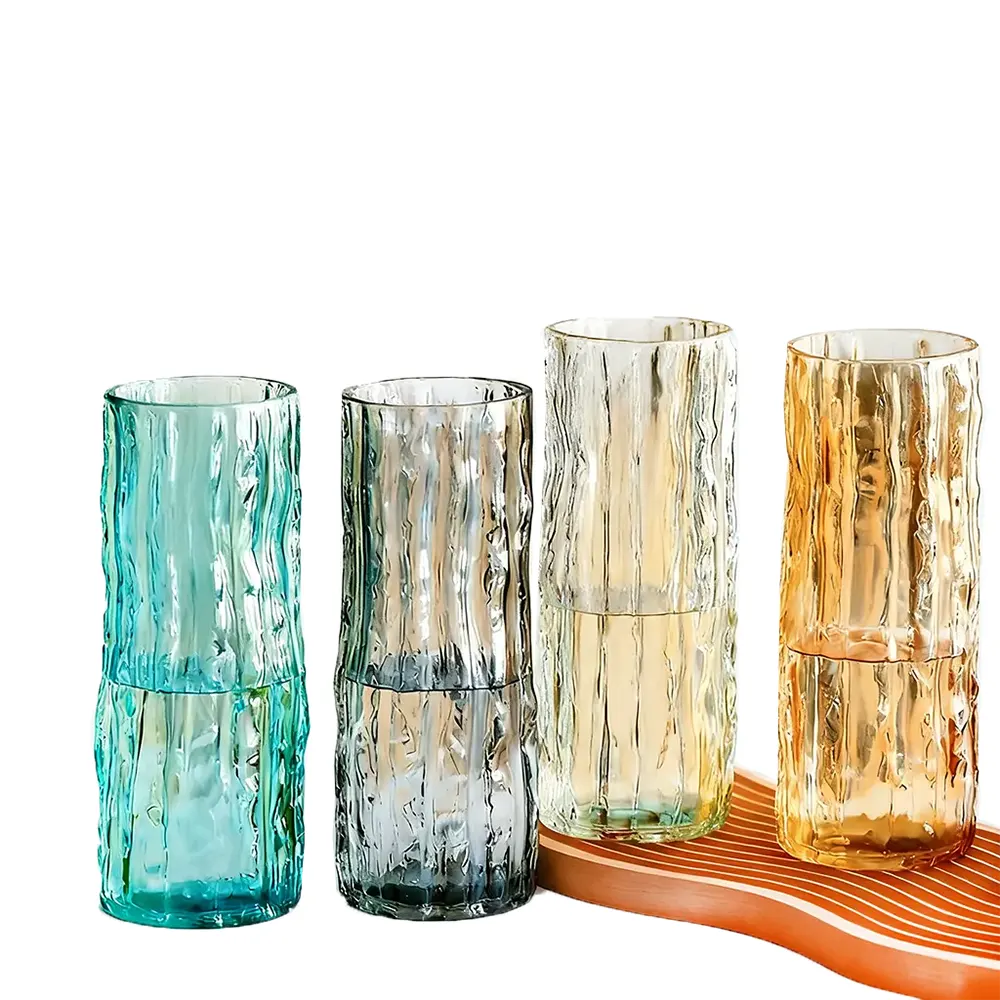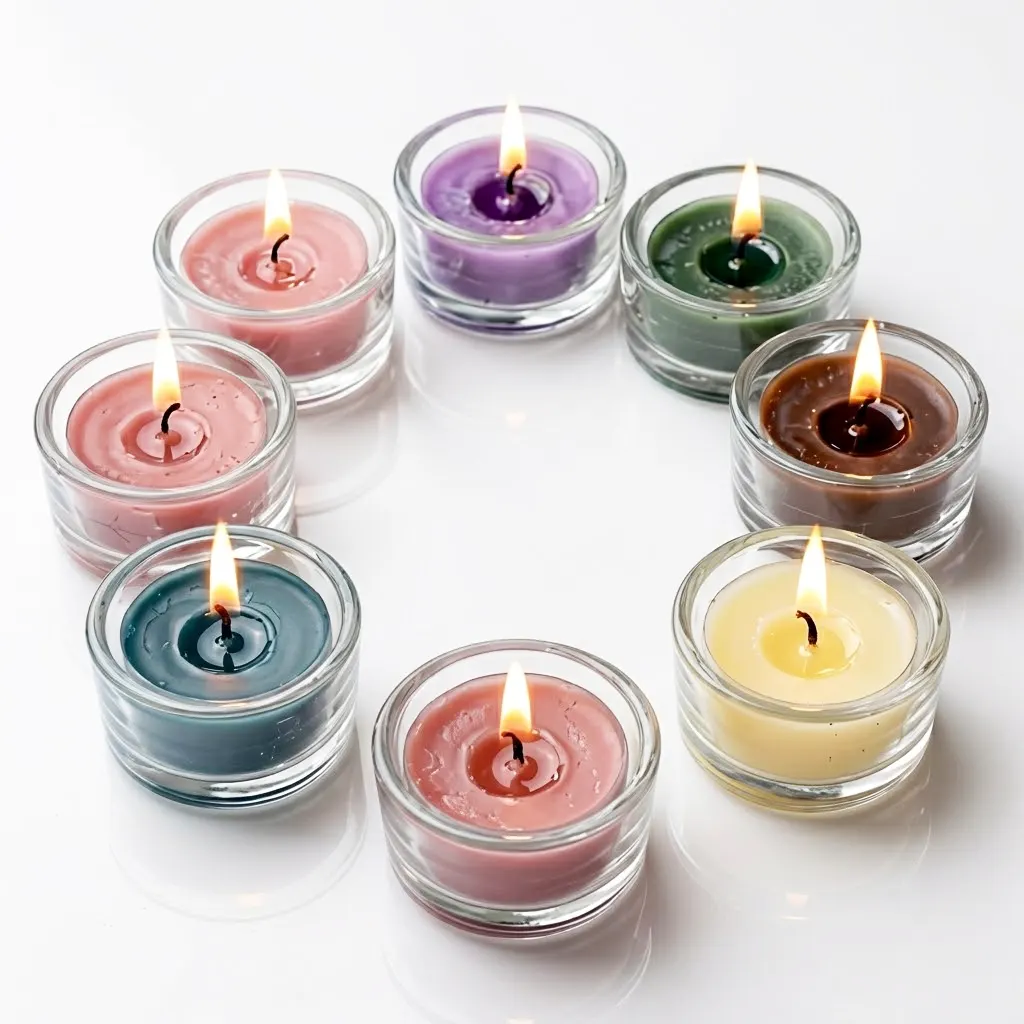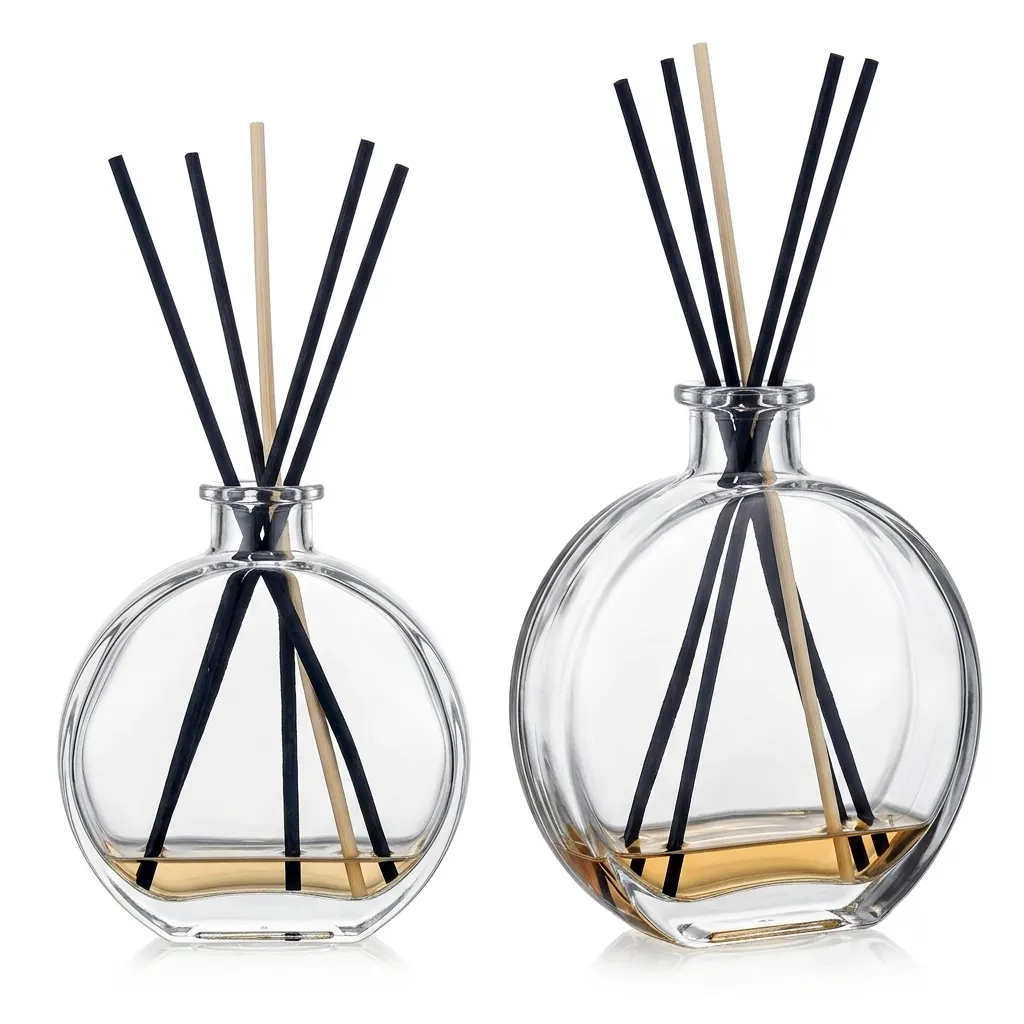
Custom glass decorations can help brands create a distinctive identity and memorable customer experiences. Glass provides beauty appeal, functional versatility and sensory engagement from architectural installation to product packaging. This article explains how custom glass decoration can help brands differentiate their products and create a more recognizable visual identity.
1. Why Custom Glass Decorations Matter for Brand Identity
In today’s saturated market, custom glass decorations are a powerful medium for attracting attention and creating permanent connections. This report establishes the strategic value of custom glass decorations as a tangible and experienced medium to discover the brand identity, its forms, psychological effects, average benefits, permanent technologies, permanent practices, and implementation ideas.
2. Typology of Custom Glass Decorations and Application Contexts
Custom glass decorations provides huge techniques and applications for diverse brand manifestations.
2.1. Types of Custom Glass Decorations for Branding
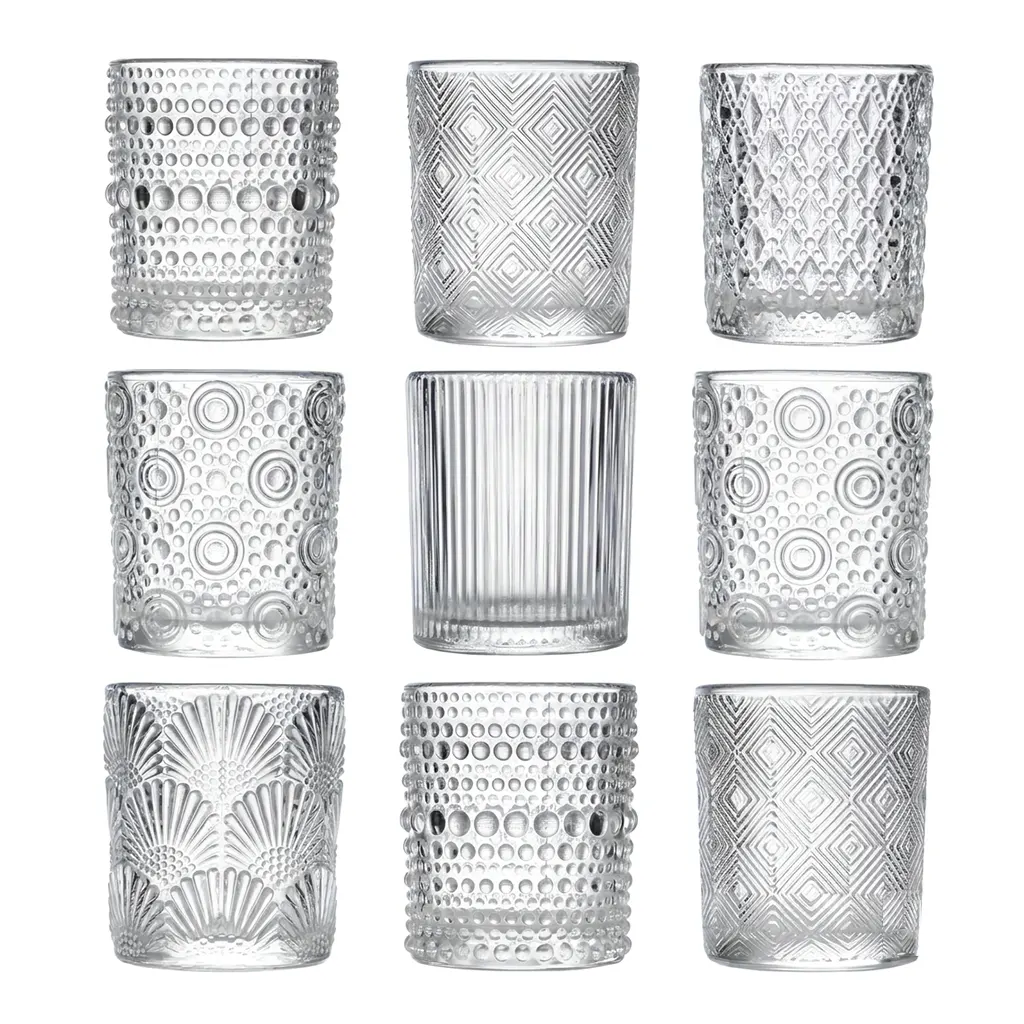
Engraving, etching, and sandblasting can create frosted, textured, and detailed decorative effects on glass surfaces. Laser engraving allows detailed text, logos, and patterns to be applied with a clean and durable finish. Sandblasting provides a permanent frosty effect for privacy. Applications include corporate interiors (division, logo), retail performance, hospitality (shower enclosure), and product component (engraved logo).
2.2. Glass Printing and Color Finishes
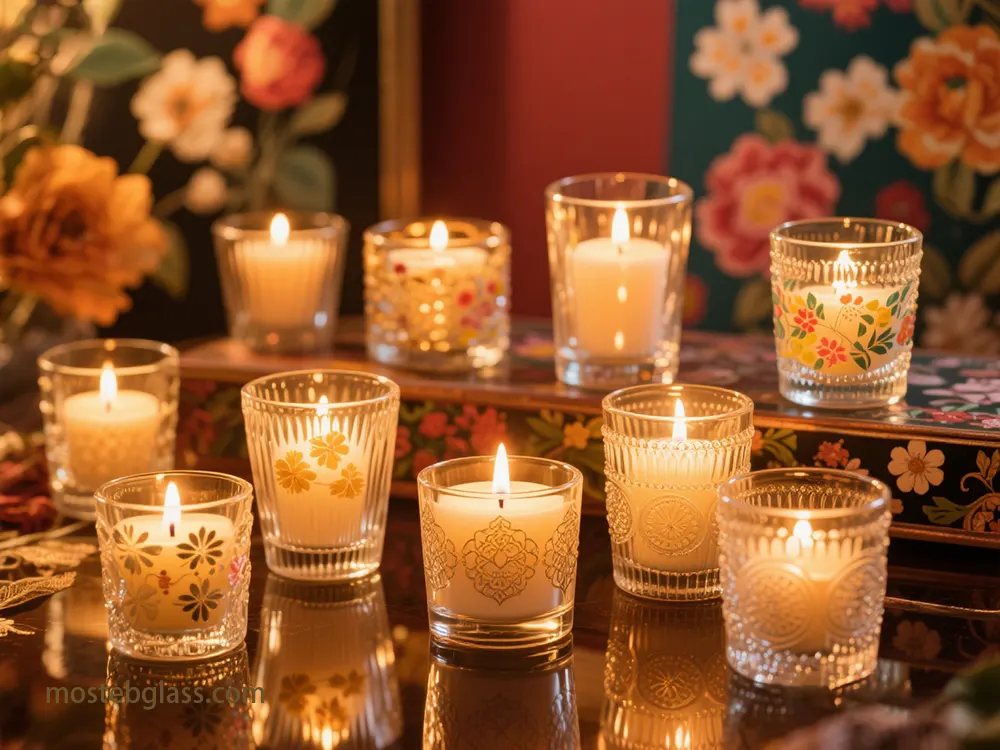
Glass printing offers flexibility in color, graphics, and design scale. Digital ceramic printing fuses ceramic ink in glass for extraordinary durability, resistance to scratches, UV exposure, and fading, supports high-resolution images for internal and external use. UV printing uses UV lights to cure ink, produces vivid, durable and scratch-resistant prints. Screen printing is a proven decoration method that offers consistent and durable results, particularly for larger production runs. Applications include retail storefront, corporate mural painting and high-resolution graphics on product packaging.
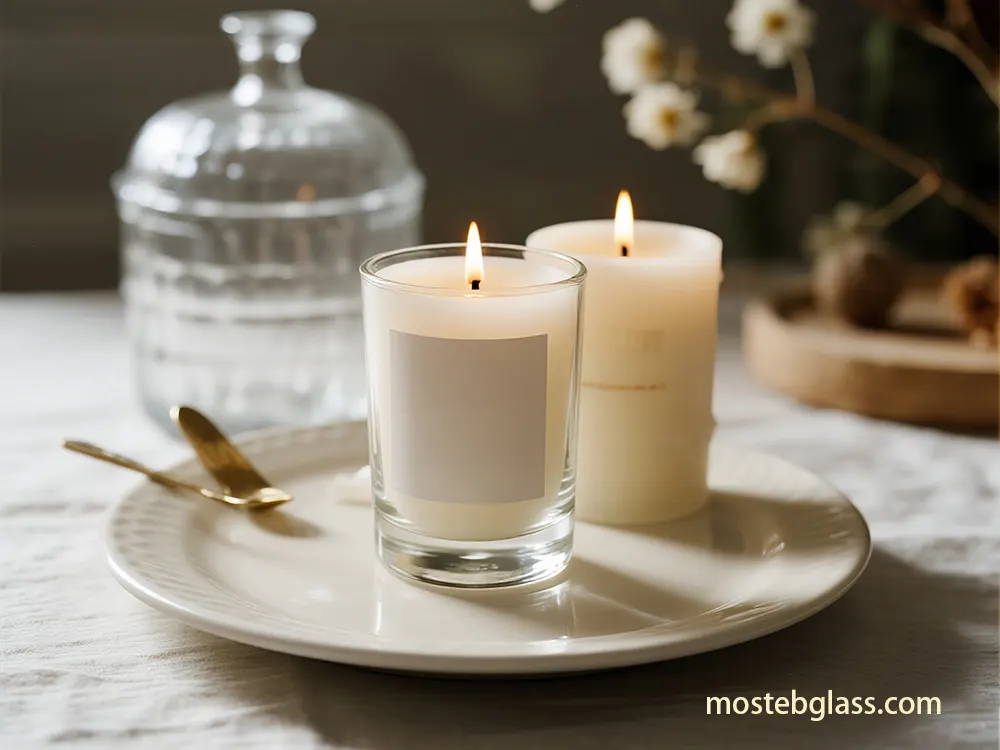
2.3. Decorative Glass Packaging and Product Components
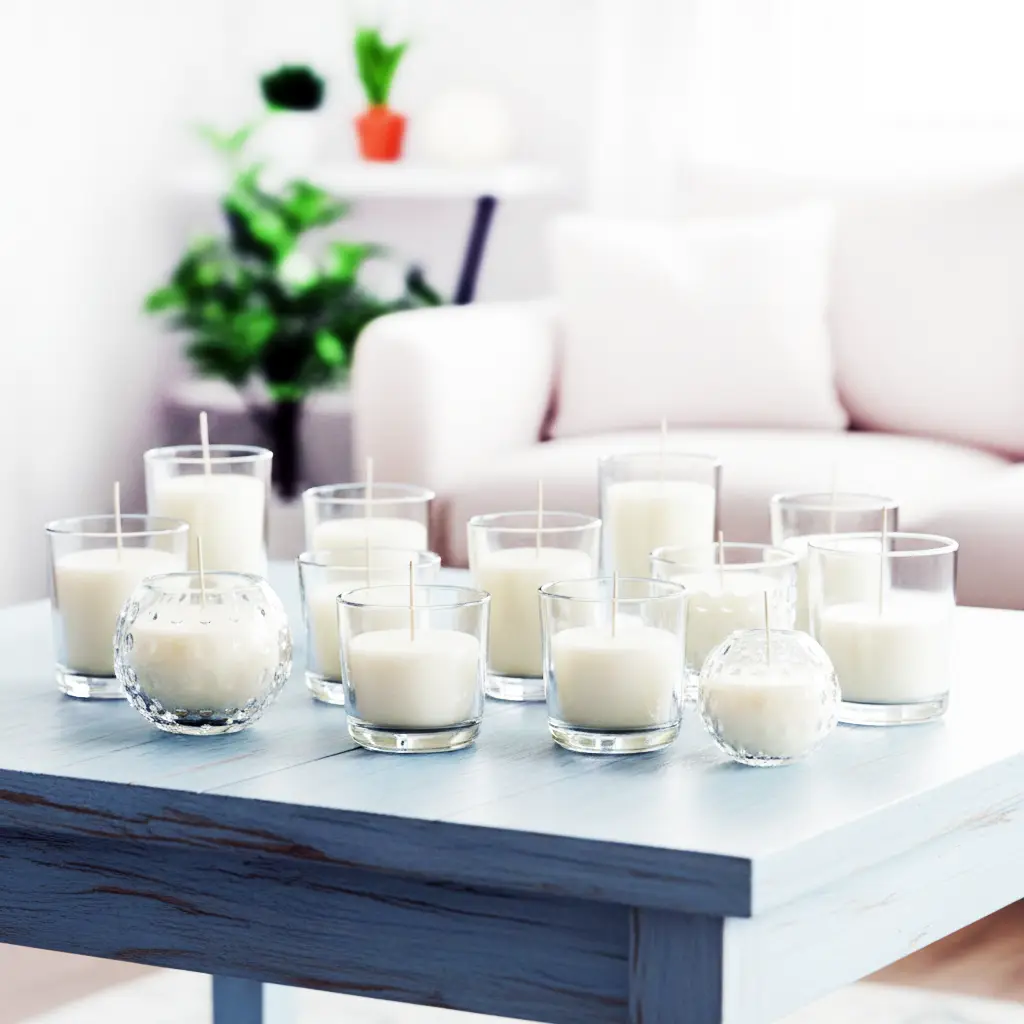
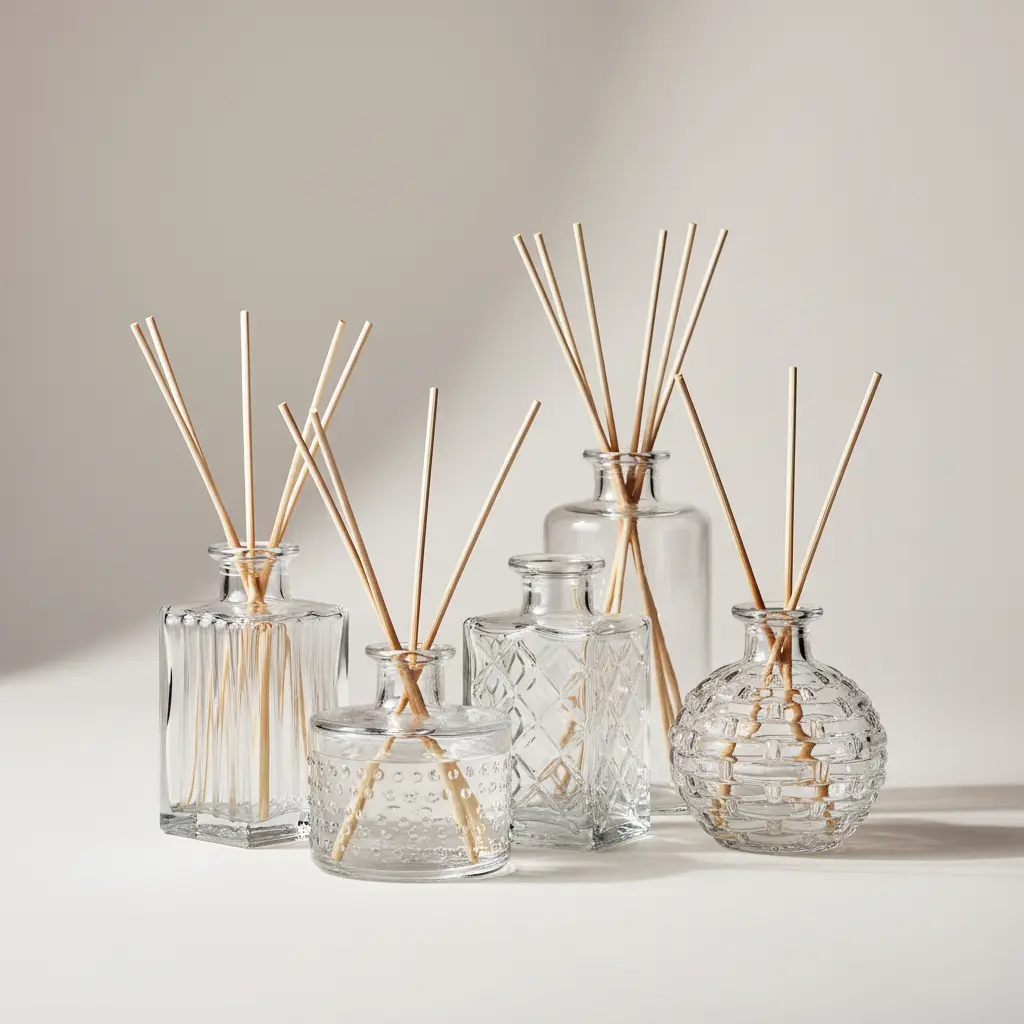
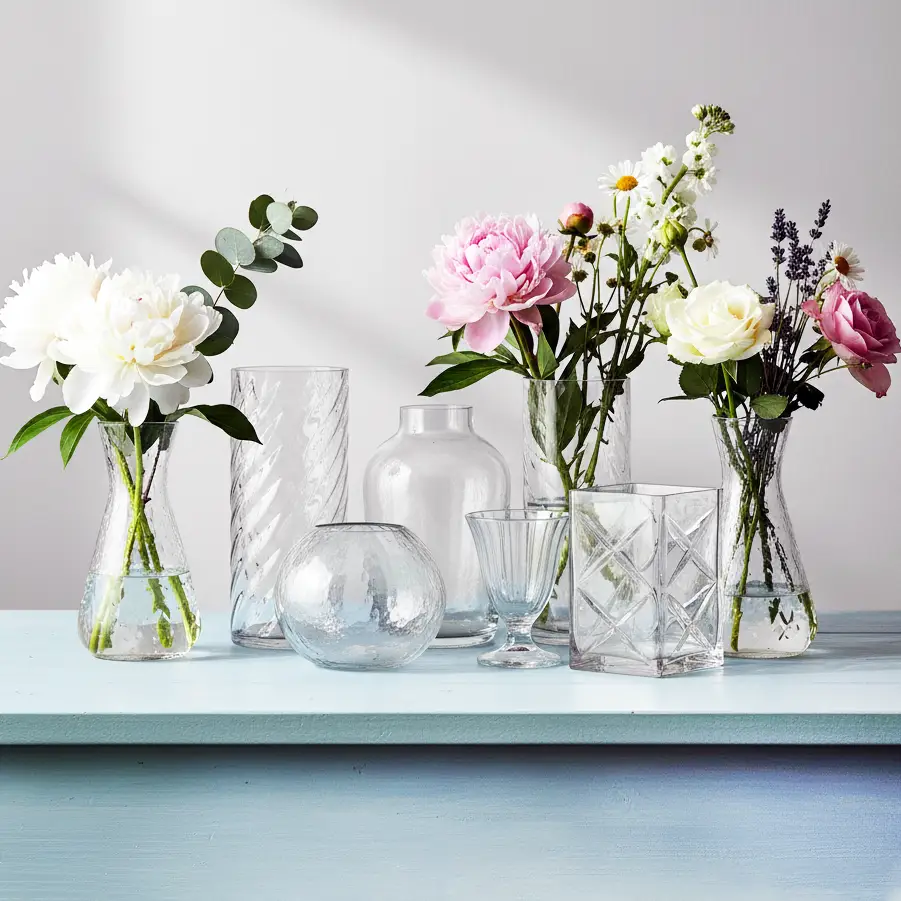
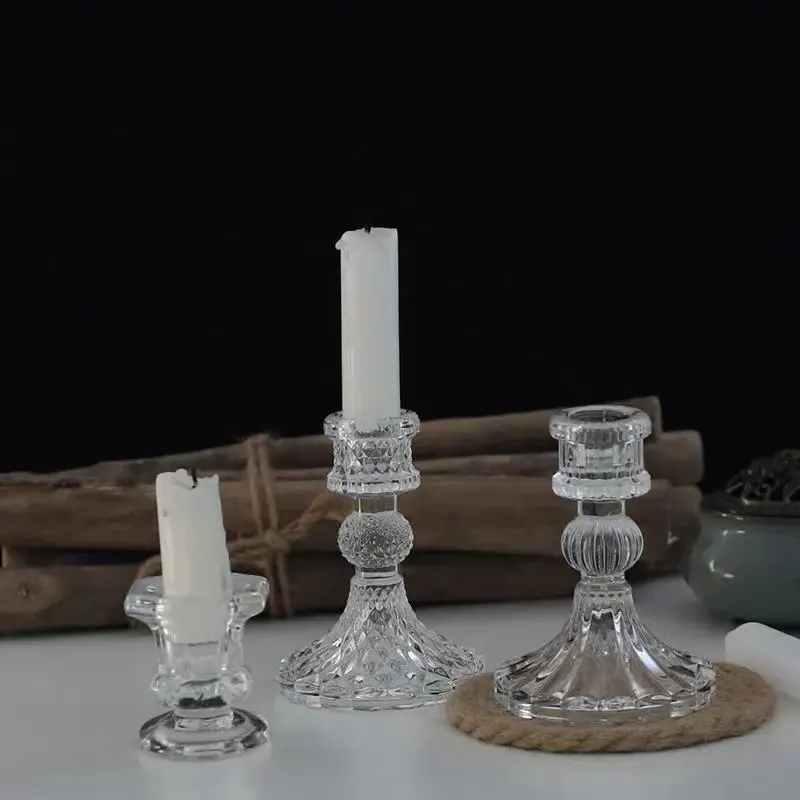
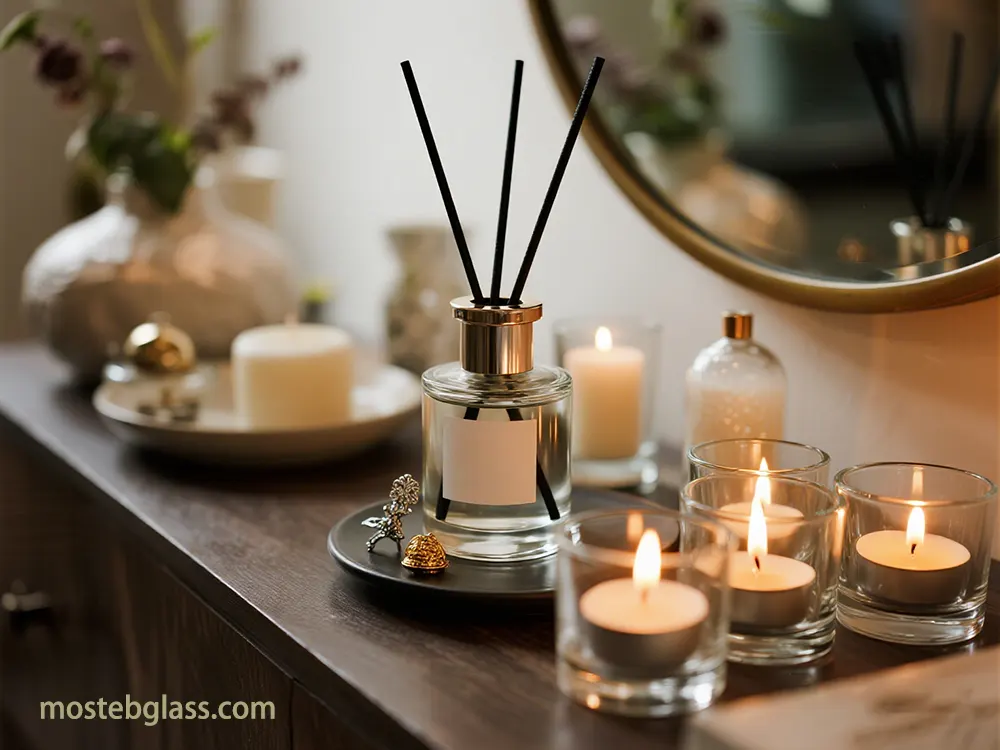
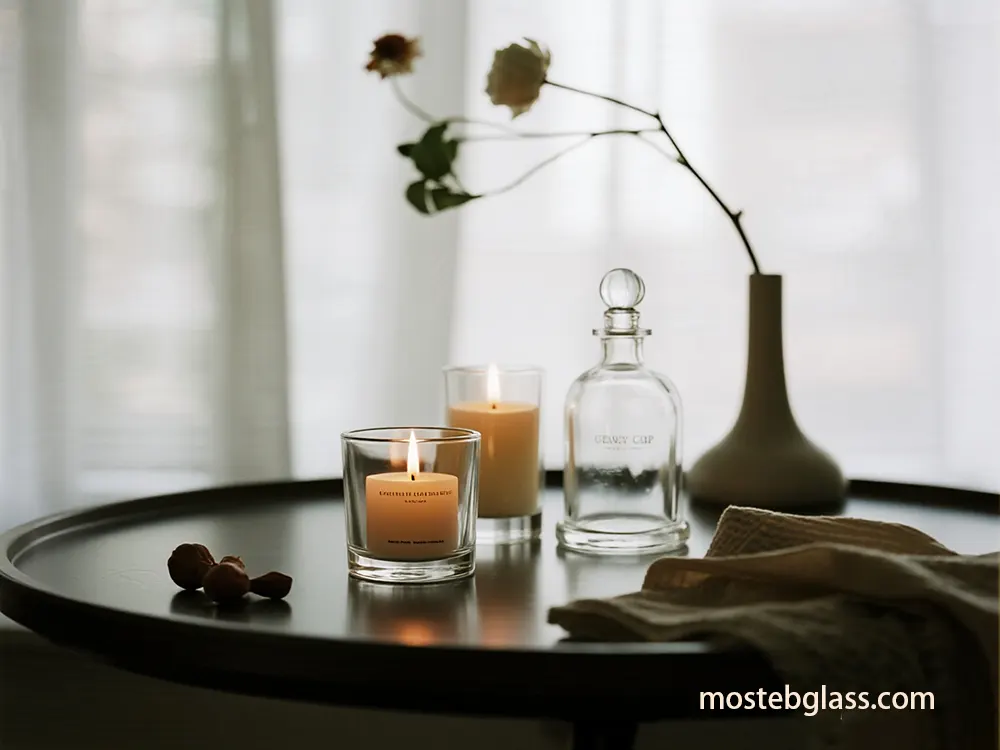
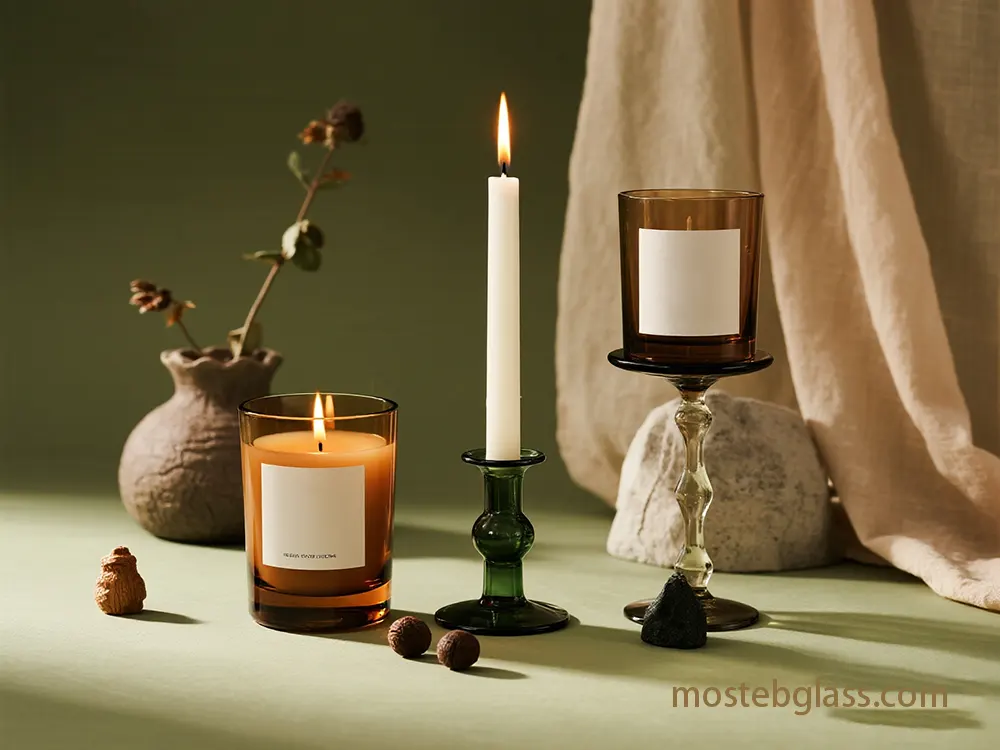
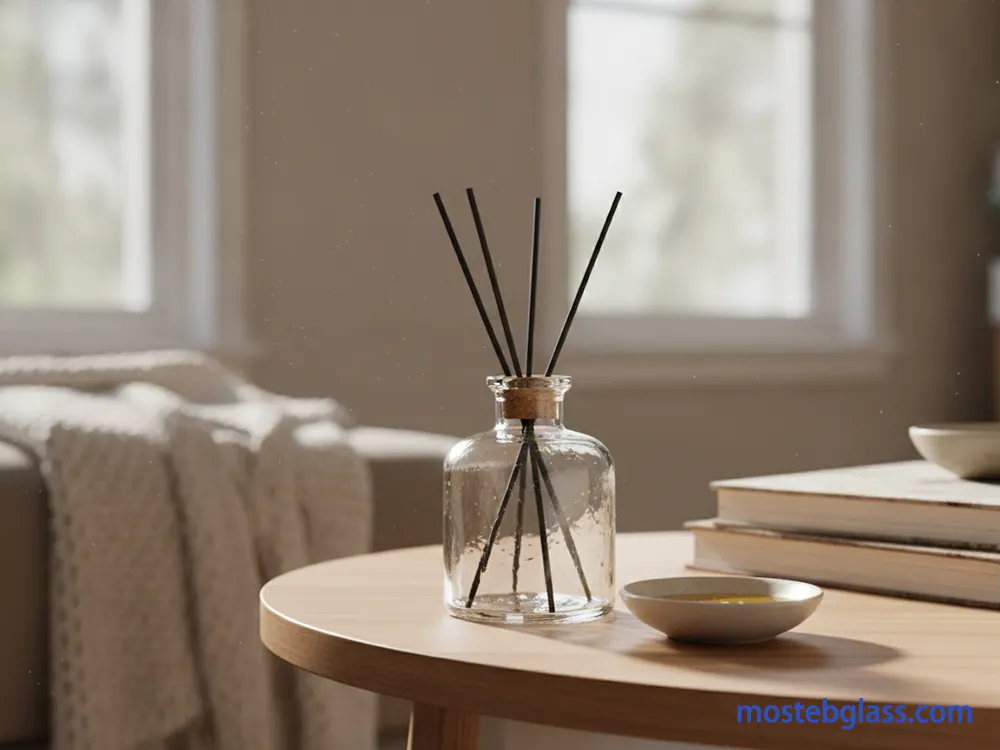
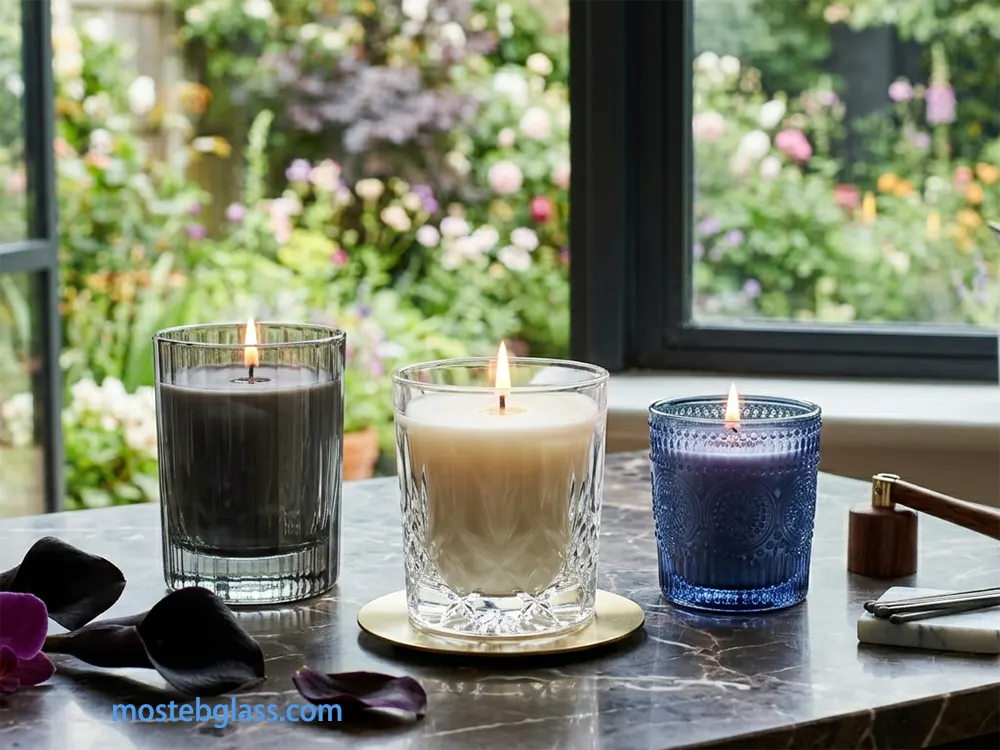
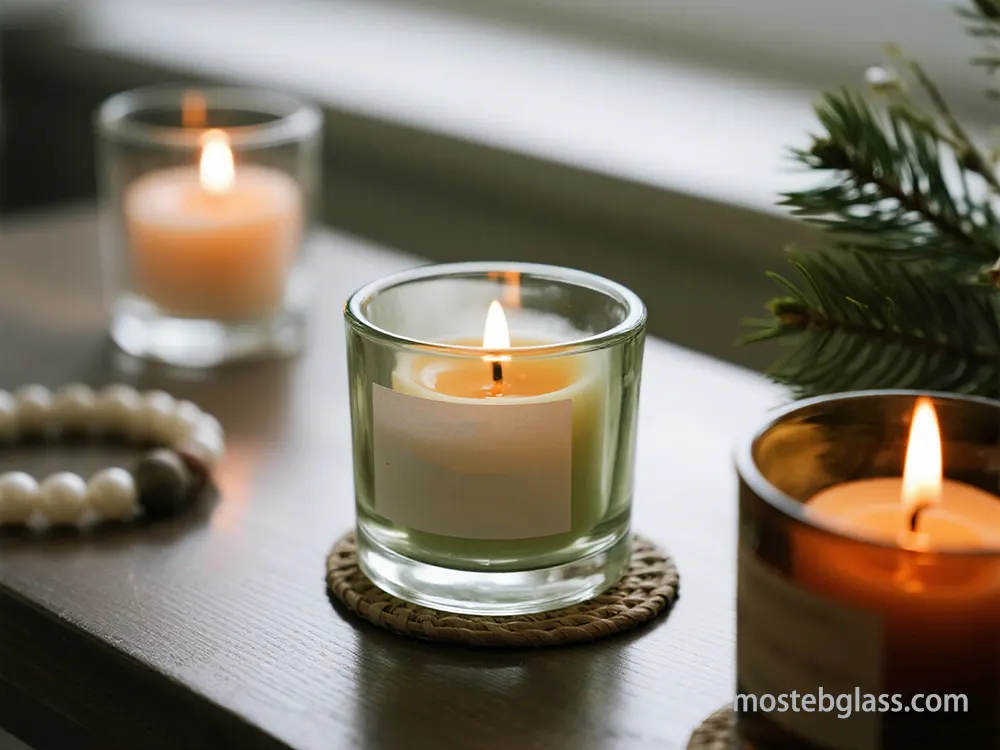
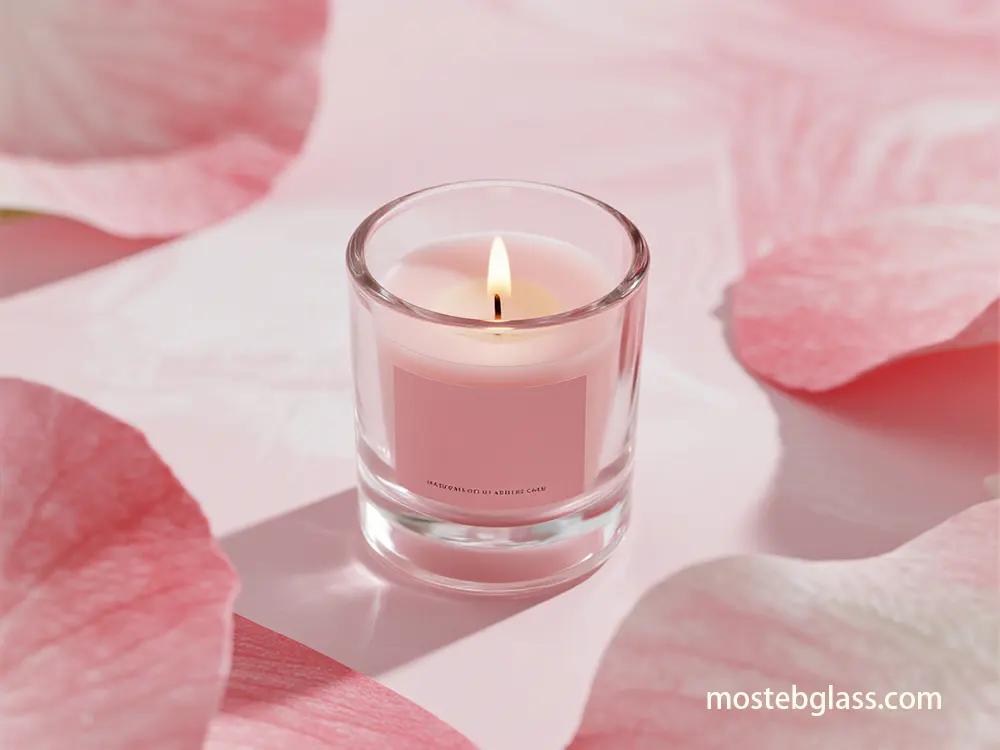
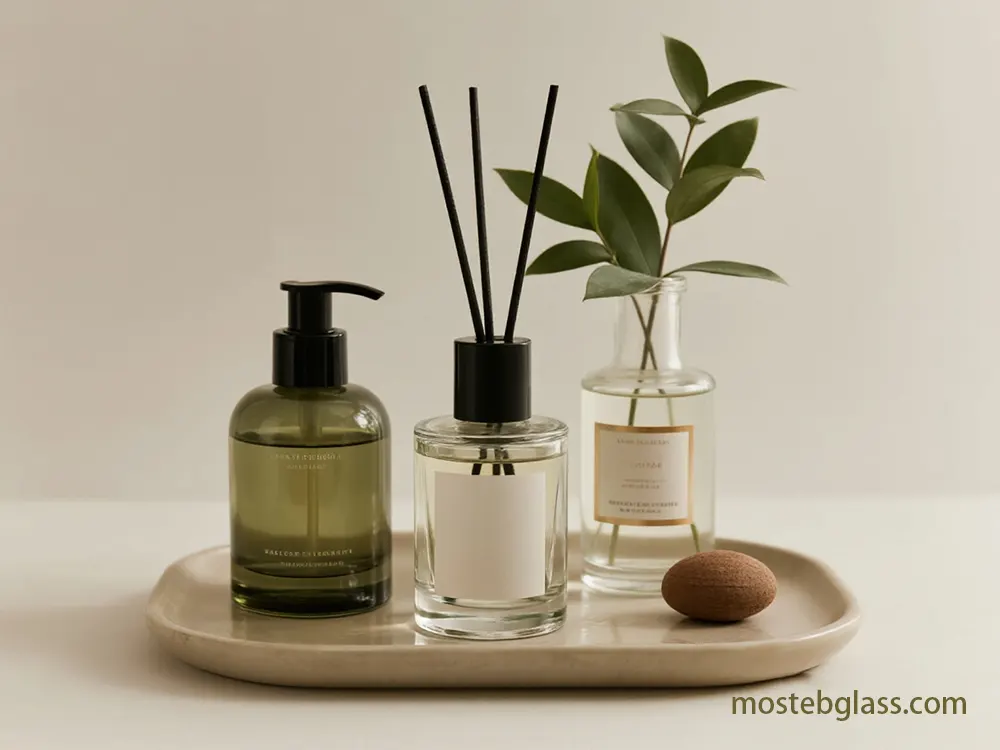
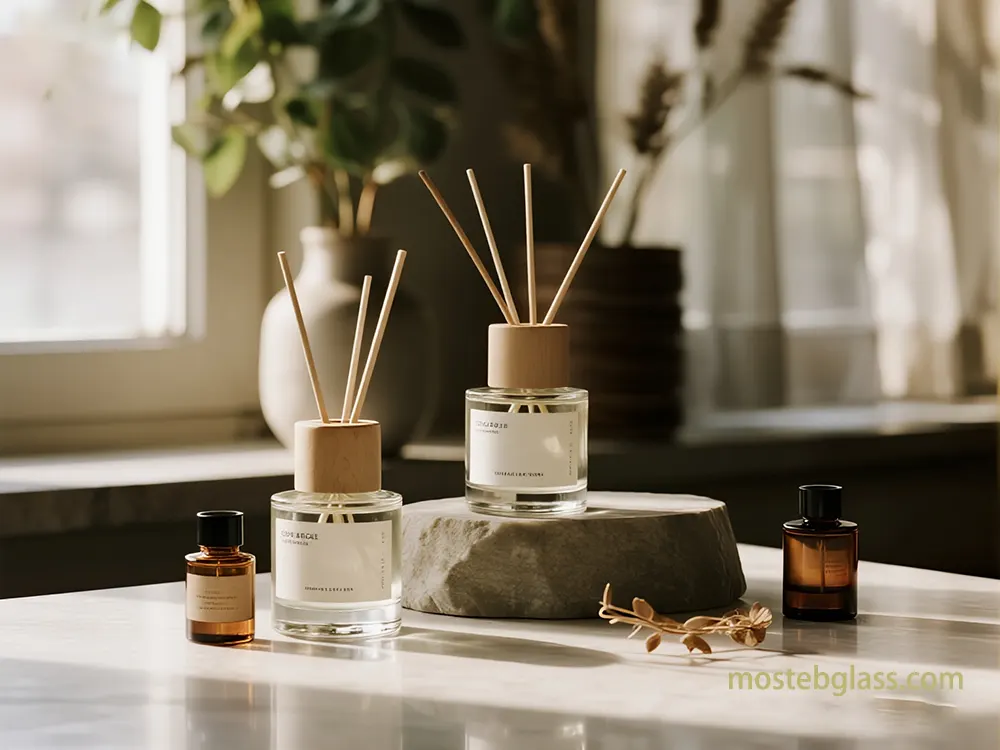
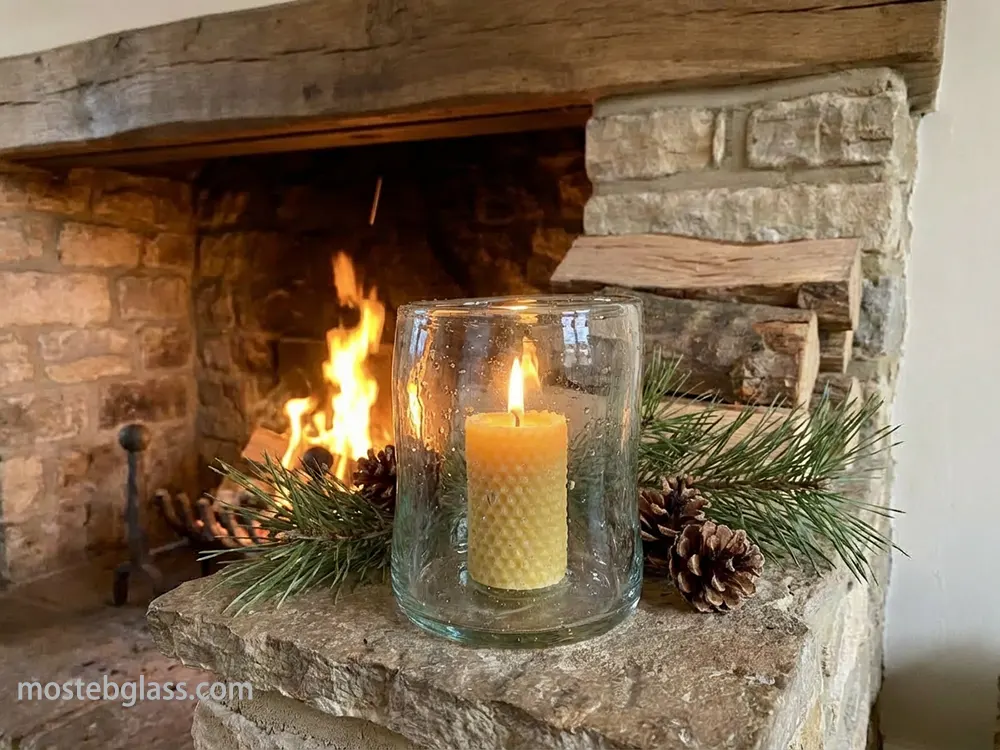
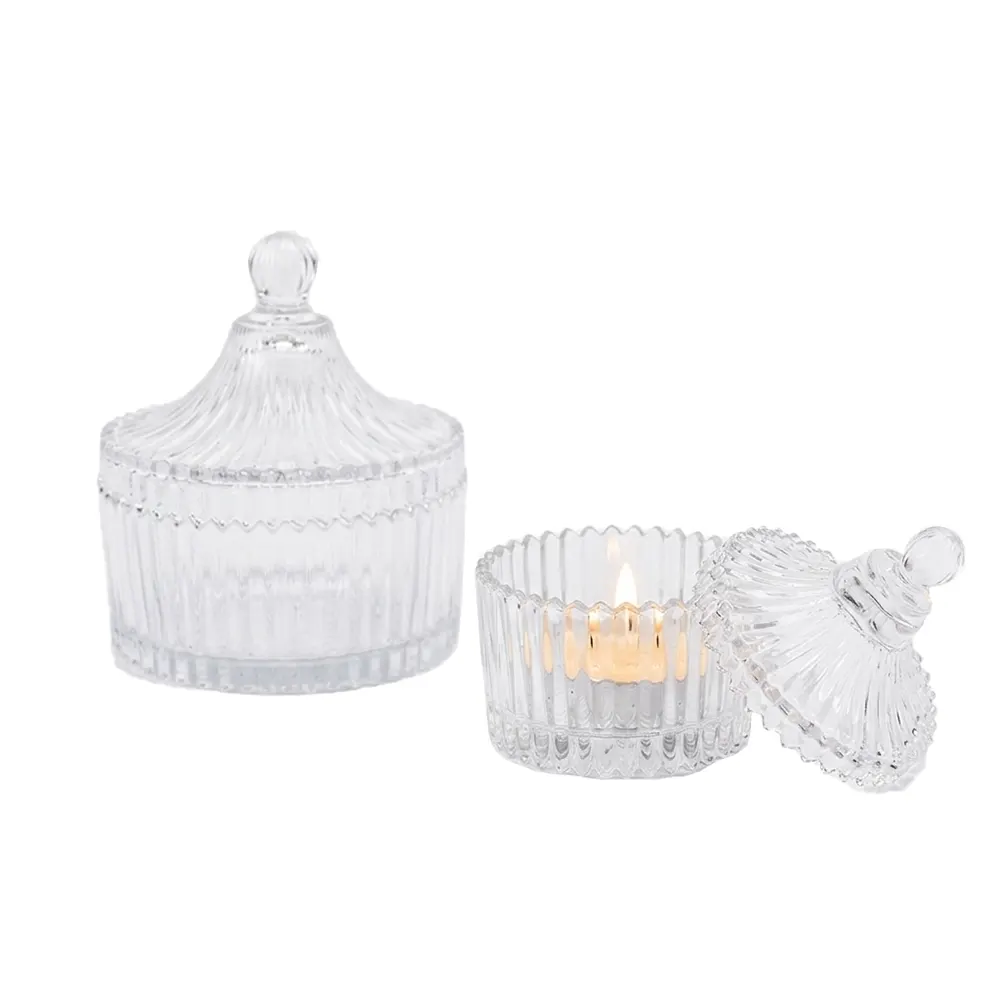
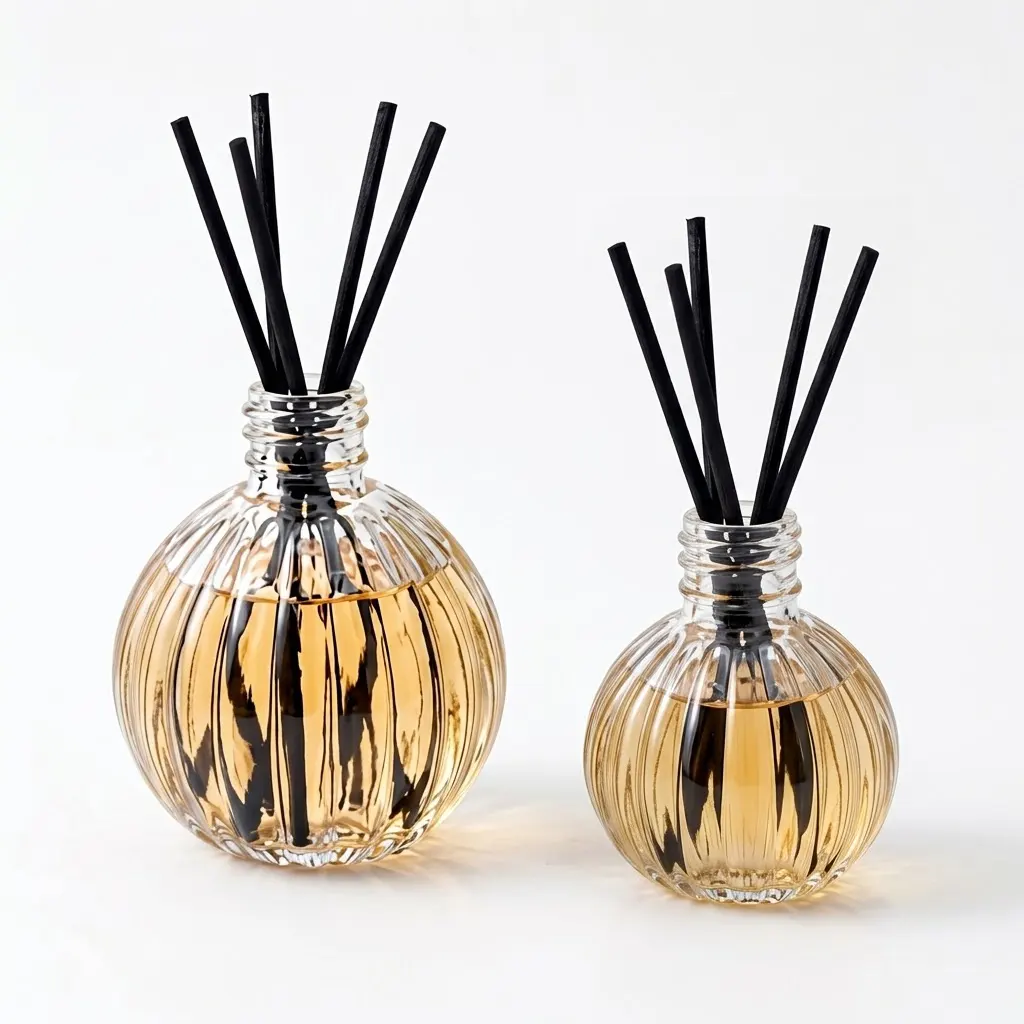
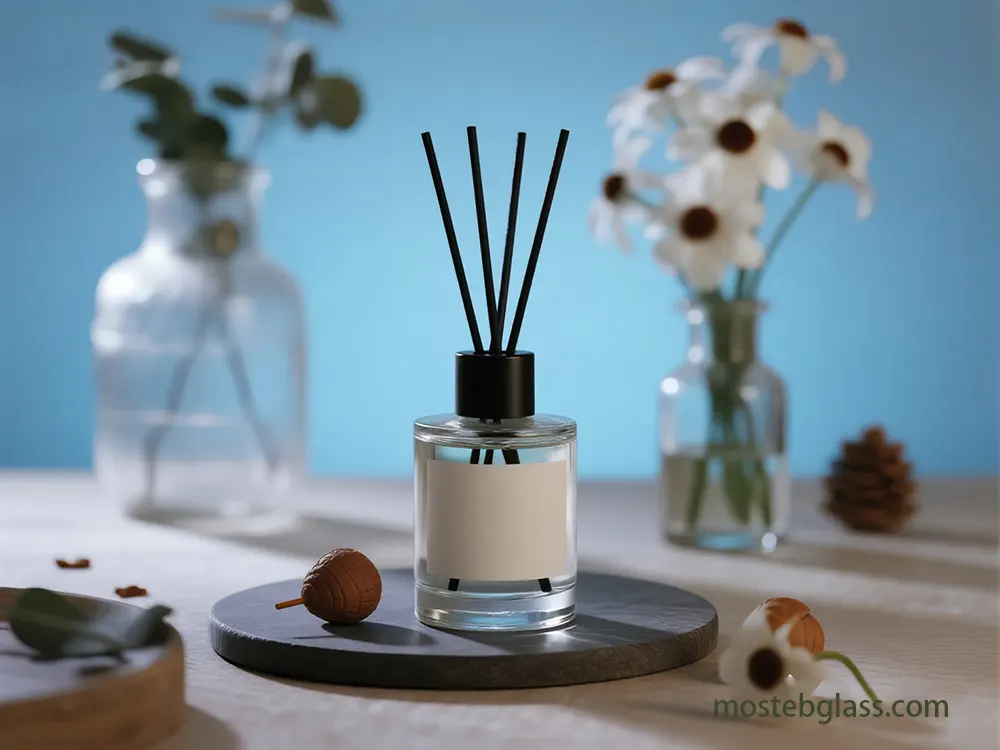
Custom glass is important in design. The unique shapes on bottles and containers, color and decorative finished drinks are paramount for cosmetic and food brands, which create memorable, collectable brand experience. Fusted metal inclusion and novel content combinations (eg, foil, organic materials, thermocomic coatings) unique designs, textures, and multi-sensitive brand experiences connect luxury, natural subjects or innovation.
3. How Custom Glass Decorations Strengthen Brand Identity
The strategic effect of custom glass decorations on brand identity lies in the framework, stating how physical elements affect perception, emotion and consumer behavior.
3.1. Visual Recognition and Perceived Quality
Sensory branding attachs many senses; custom glass naturally engages multiple senses. Visual appeal develops emotions and curiosity. Haptic perception (weight, temperature) makes products premium. Attaching many senses creates more immersive and memorable experiences, strengthening memory encoding. Experiential marketing, including custom glass installation, can contribute to stronger engagement and a more memorable brand experience.
3.2. Semiotics and Brand Storytelling
Semiotics explains how glass elements express brand messages. Transparency is a symbol of honesty and authenticity, promotes faith. The color in the glass substance is a strategic semi -element, which provokes emotional tones and category signs. Forms and textures express different brand characteristics, shaping identification and emotional reactions. Consistent custom glass designs contribute to a consistent visual identity, promoting recognition and emotional connections.
3.3. Brand Equity Models
Custom architectural glass installed brand affects the brand value through the equity model, affecting awareness, perceived quality and associations. Glass packaging naturally combines products with better quality and safety. Custom design increases this premium perception, suggesting craftsmanship. Custom glass installations in high-profile areas form permanent impression, building trusts and loyalty.
4. How Custom Glass Decorations Differentiate a Brand
Custom glass decorations deeply affect the brand identity, contribute to strong recognition, alleged quality, deep emotional resonance, clear discrimination, hypnotic story tell and effective stability messages.
4.1. Brand Recognition and Perceived Quality
Custom architectural glass enhances the identity of the brand by reflecting unique brand imagery and values, contributing to discrimination and positive perception. Customized glass designs, including unique elements, colors and logo, help stand out a brand, strengthen identity and raise awareness. Glass packaging naturally combines products with better quality and safety, further enhances this premium perception with custom designs.
4.2. Product Differentiation and Emotional Appeal
Architectural glass enhances brand identity by creating a memorable, aesthetic attractive and functional locations that convey the brand values non-verbally. The versatility, elegance and transparency of the glass expresses professionalism and modernity. The eye -catching glass packaging design is important for the purchase of repeat, sparks, spark curiosity and positive emotions. Custom glass installation in high-profile areas creates permanent impression, promoting trusts and loyalty.
4.3. Storytelling and Sustainability Positioning
Custom architectural glass expresses the identity of the brand on the external and interiors, serving as a versatile material for corporate branding. Design options directly express brand values, ensuring brand stability with accurate color matching. Transparent LED technology converts the aspects of glass to “glass multimedia canvas”, which displays high-effects, redefines digital advertising. Glass is considered as a more durable packaging option than plastic, which attracts environmental conscious consumers and holds brands responsible.
5. Emerging Trends in Custom Glass Decoration
The future of custom glass decorations has been shaped by a growing imperative for rapid technological progress and stability.
5.1. Emerging Technologies in Glass Decoration
- Smart Glass Integration: Electrockromic, thermocromic, SPD, and PDLC smart glass dynamically change light transmission, offer light control, energy efficiency, privacy, and turn retail windows into interactive advertising screens, unified AR and AI for personal advertisements.
- Advanced digital printing and laser capture: Digital ceramic printing provides high-resolution, durable and versatile branding. The laser carvation provides accuracy for detailed, permanent brand manifestations, in which robotized systems enable high mass production.
- Dynamic display and interactive glass: Transparent LED displays combine LED technology with transparent screen for high-language view. Interactive glass and AR overlay converts surfaces into multi-touch screen for real-time 3D information, distributing scalable immersive 3D holograms without a headset with a holooluminous display.
- AI-operated adaptation and generic AI: AI replaces the material branding through hyper-customization, analyzes consumer preferences for analog designs, generates initial design, and produces realistic visualization. The generative AI creates a novel glass aesthetics, offering the new creative path.
5.2. Sustainable Practices in Glass Decoration
Stability is important, pursuing greenery manufacturing with glass industry and end of life.
- Recycled Material (Cullet): Using recycled glass reduces energy consumption and saves raw materials.
- Advanced water management and ideas of the end of life: Water conservation is important, with closed loop systems. Supporting a circular economy, the glass is 100% recycled endless.
- Innovation in permanent decorative glass: Low carbon reduces glass emissions. Provide non-toxic options for bio-based composite coatings. The 3D-charged options cheat the stained glass with cost savings and better insulation.
6. Practical Considerations When Ordering Custom Glass Decorations
Integrating custom glass decorations includes complex designs, material science, logistics and long -term management.
6.1. Design Complexities and Material Selection
Complex custom glass designs increase the cost of the project due to special skills and time. Complex design or oversized units can lead to long replacement lead time. The initial participation of the installer is important for structural glazing. Glass type affects the cost, safety and performance from depth, including safety glass (tempered, laminated), display glass (IGUS, low-E coatings) and decorative glass. Full-size mock-up is recommended for custom fabrication.
6.2. Cost Implications and Lifecycle Cost Analysis (LCCA)
The total cost of ownership includes initial installation, maintenance, energy performance and long -term replacement. The initial cost is affected by complication, size and type of glass. Durable, low maintenance, investing in energy-efficient glass leads to significant long-term savings. A comprehensive life cycle cost analysis (LCCA) evaluates the total economic impact on the lifetime of a project. Value maximizes functionality and performance by optimizing engineering (VE) resources and receiving long -term value.
6.3. Installation Logistics and Project Management
The installation of glass, especially for structural glazing or high-growing buildings, is complex and high-risk, requiring detailed planning, special equipment, and coordination. Pre-installation planning, bus-in-time delivery of pre-fabricated components, and specialist raised equipment for large panels are required. Effective project management requires careful planning, deep content understanding, and active communication to navigate tight tolerance and complex interdependence.
6.4. Maintenance Requirements and Durability
Regular maintenance preserves visual clarity, aesthetics, functionality and structural integrity. Regular cleaning with light soap and water prevents dirt buildup. Protective coatings (hydrophobic/oleophobic) prevents stains, rust and carvings, which significantly reduces the time of cleaning. Periodic inspection of sealant and early repair of chips or cracks is important. Environmental factors such as prolonged rain or hard sea air can cause damage, requiring UV -resistant materials and coatings.
7. Conclusion and Future Trajectories
Custom glass decorations are powerful, strategic tools to enhance brand identity. The synthesis of diverse typology provides brands a unique palette for visual and sensory story telling, taking advantage of sensory branding, semiotics and environmental psychology to elevate emotional connections and perceived quality. Empirical evidence consistently shows the effect of average impact on brand recognition, customer engagement and ROI.
The strategic value of custom glass decorations in building robust brand identities will intensify, offering brands a powerful, enduring, and increasingly intelligent medium to connect with audiences and shape future narratives.