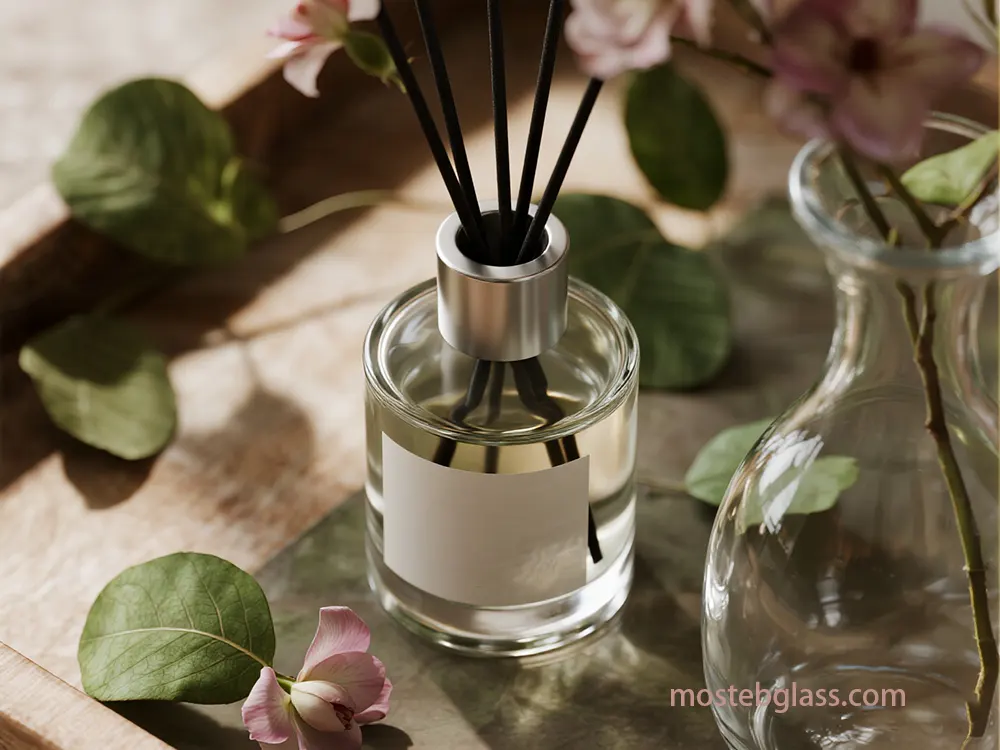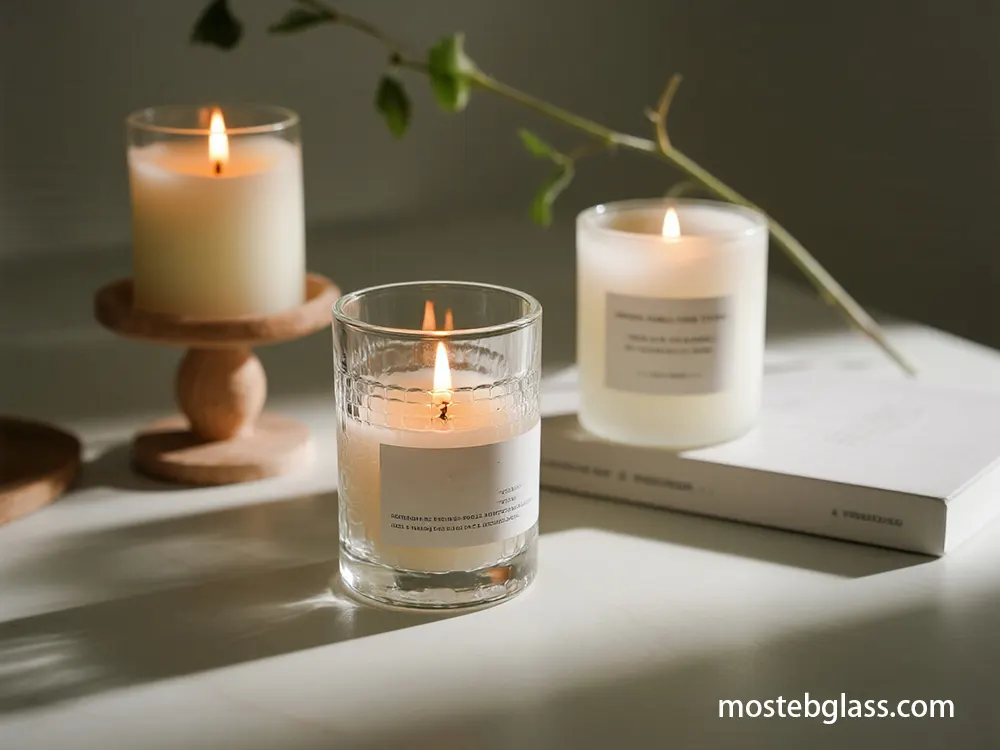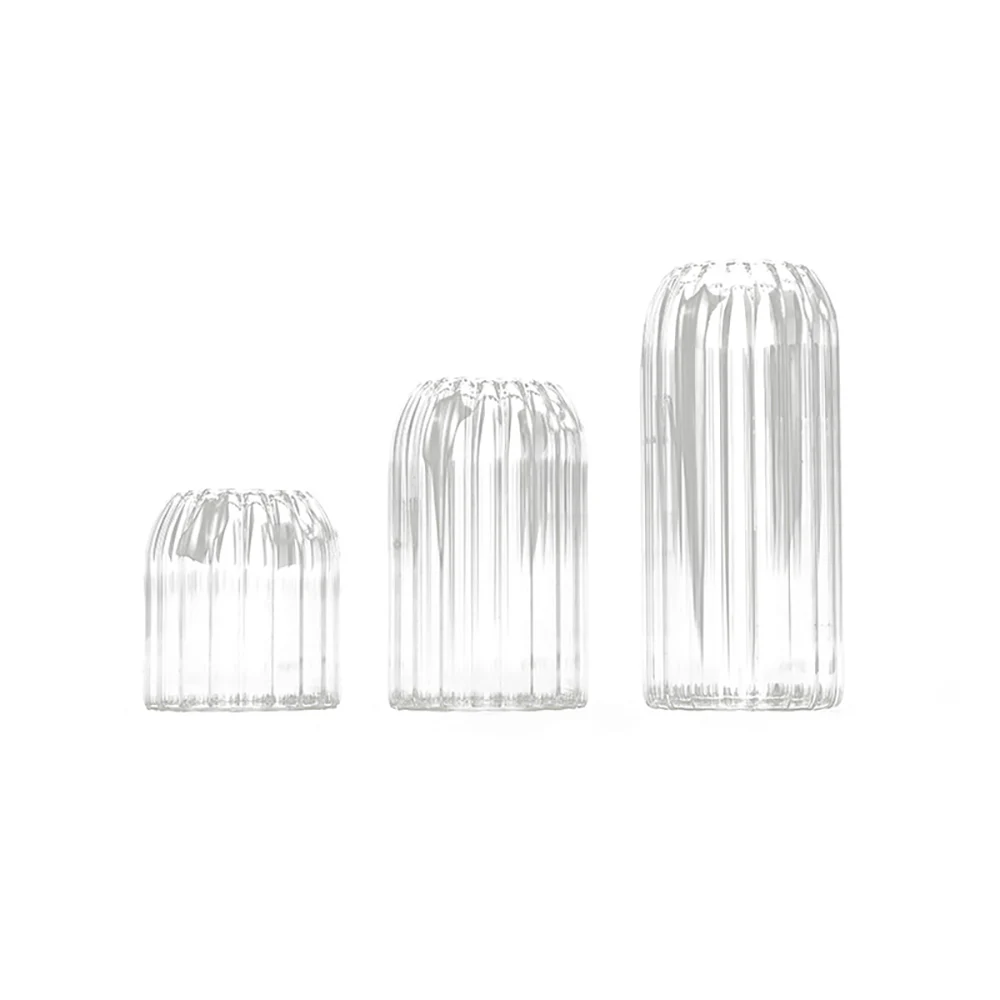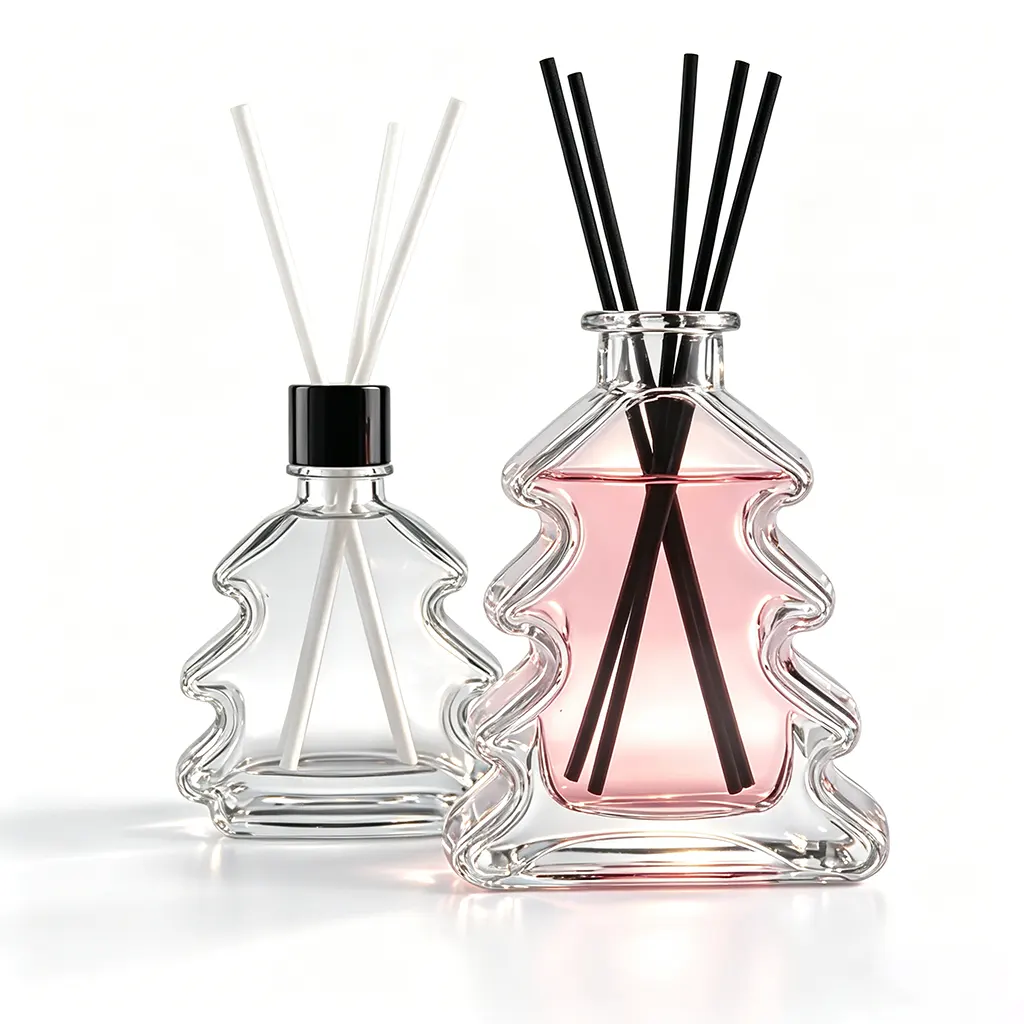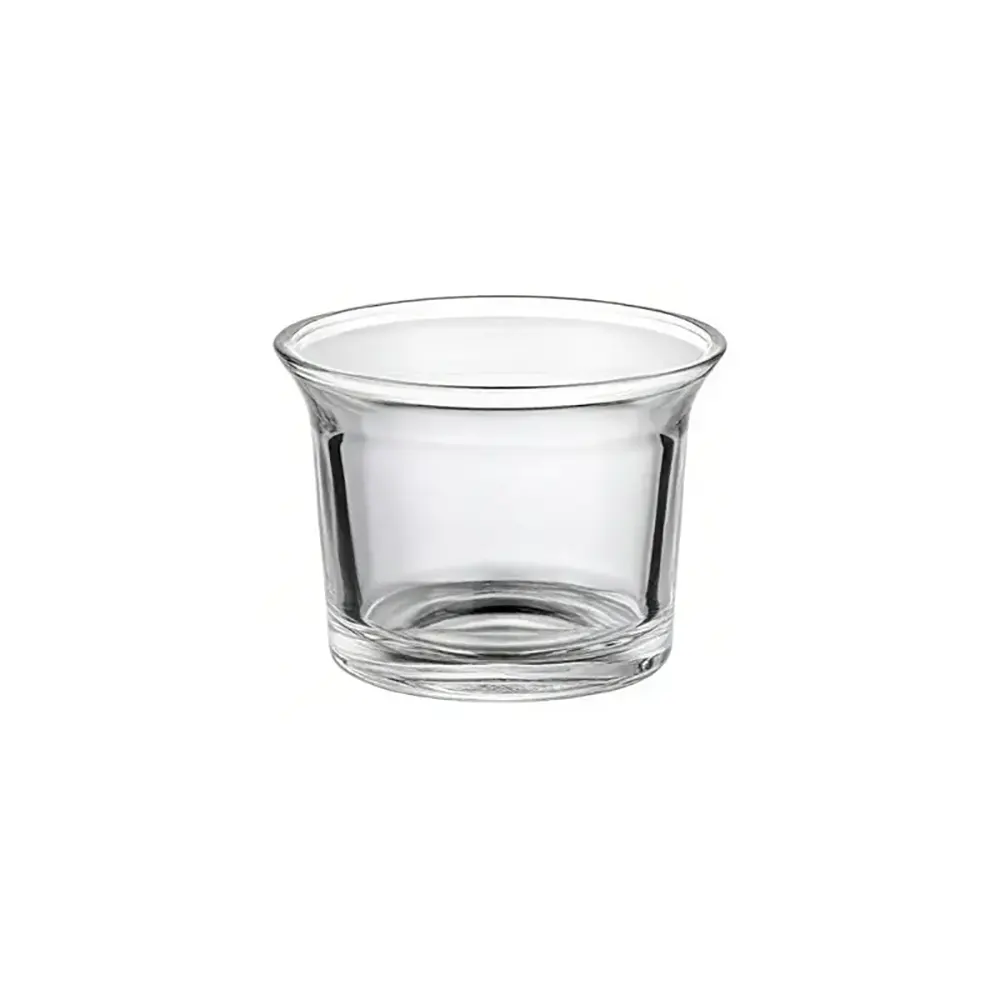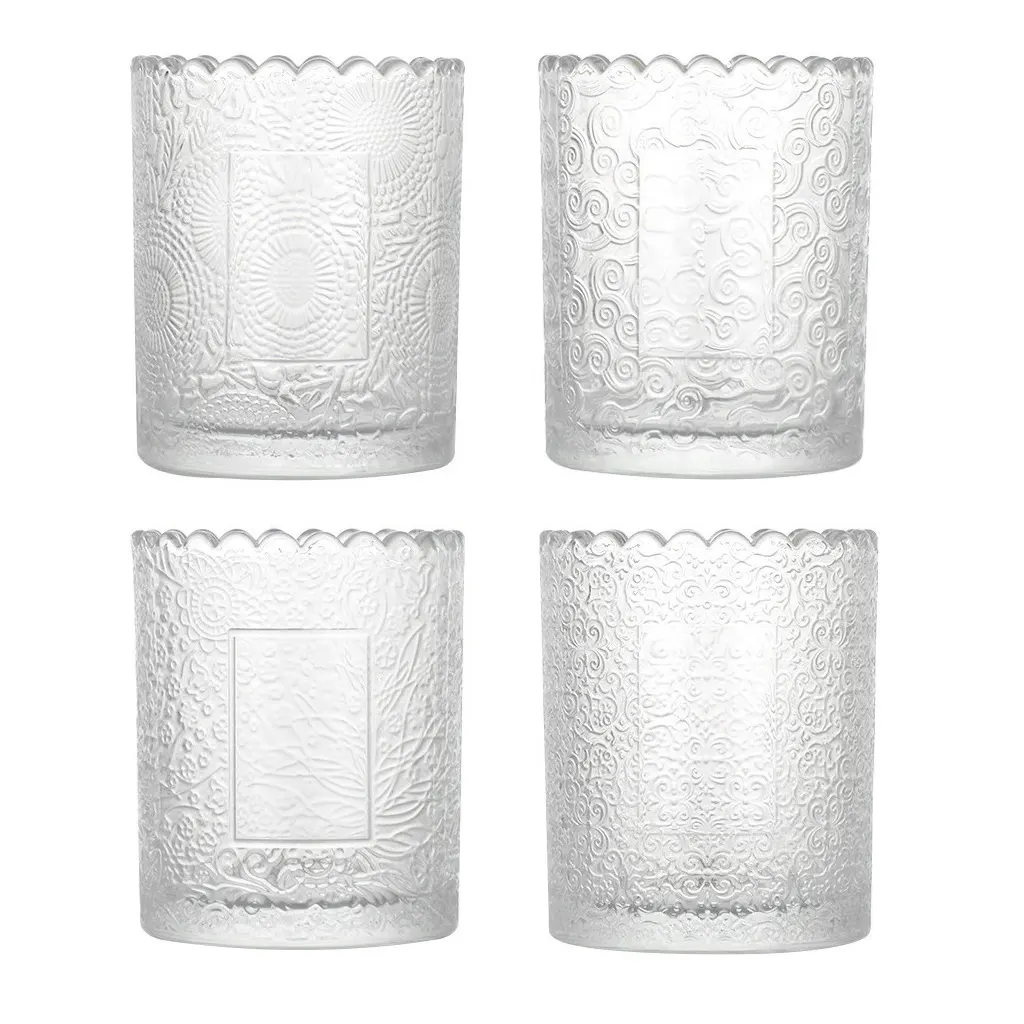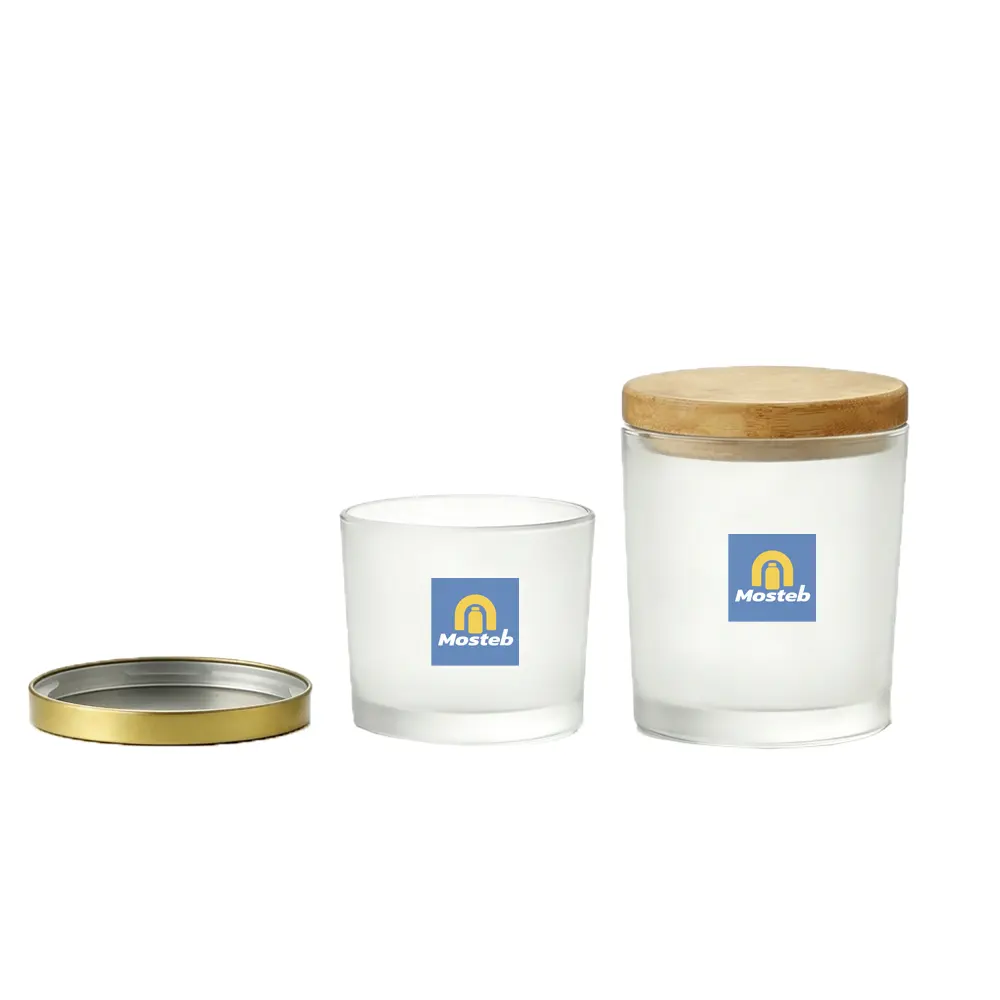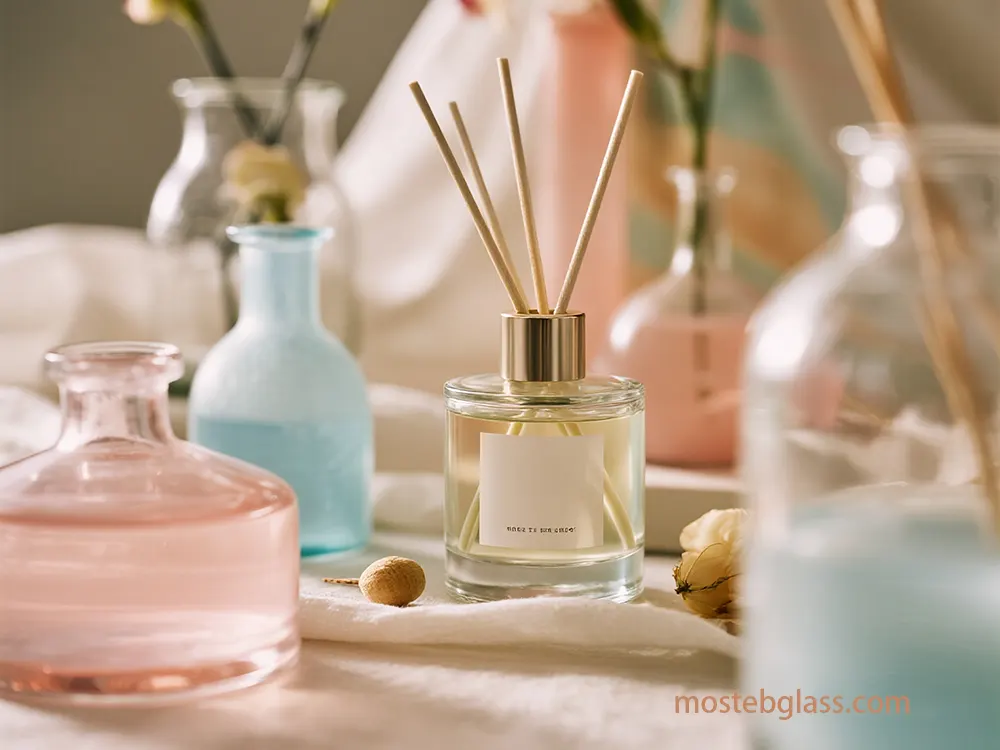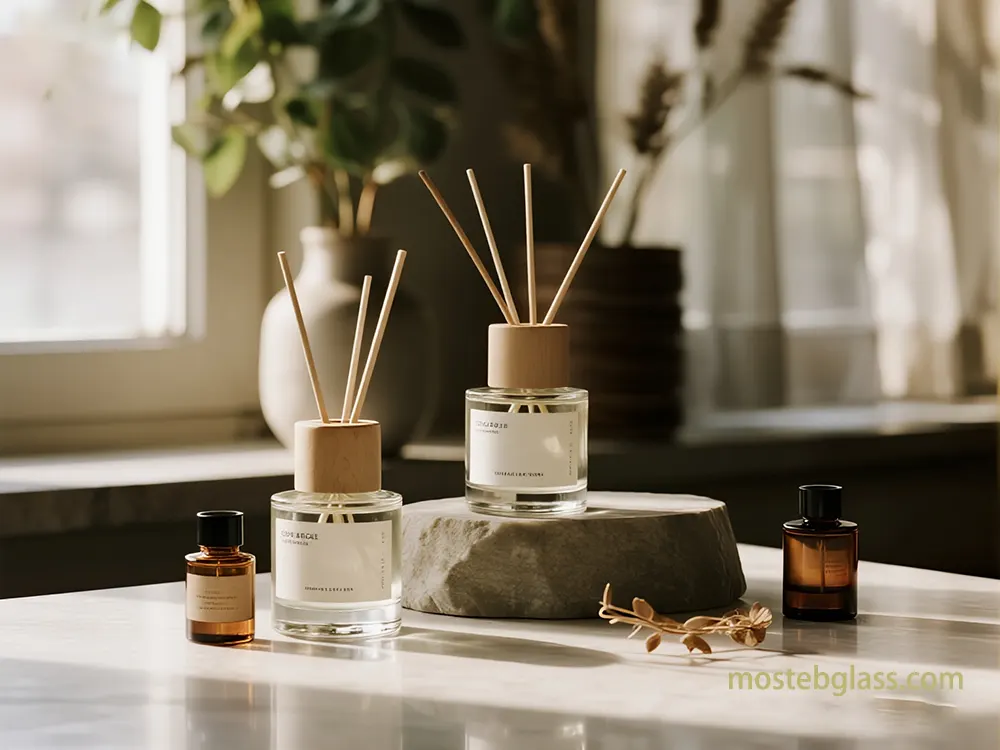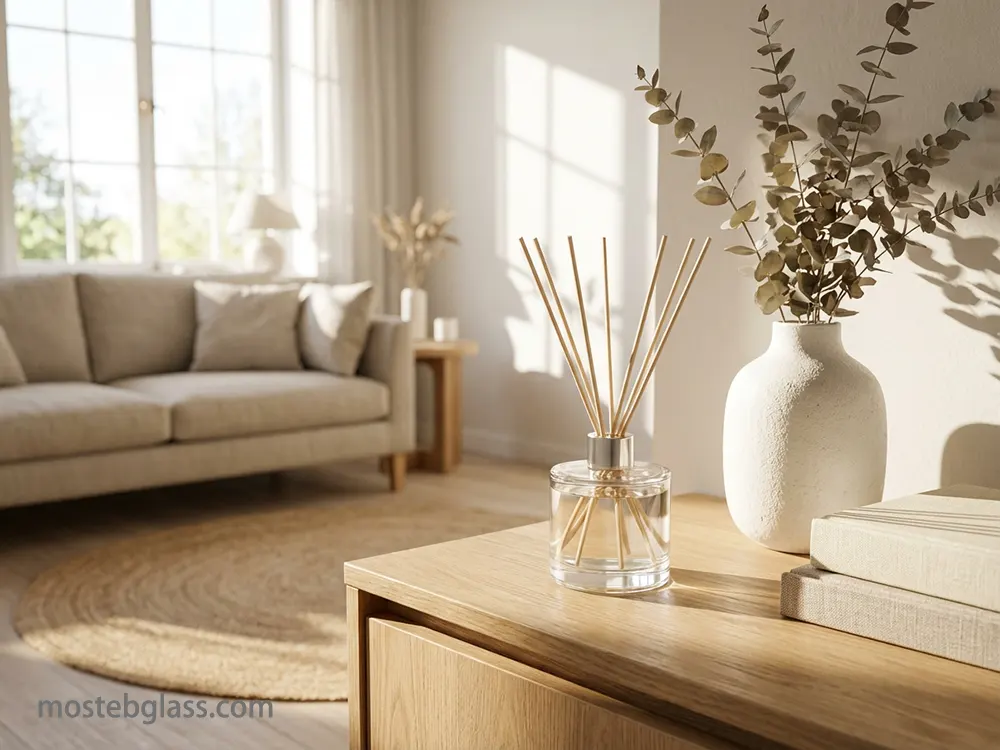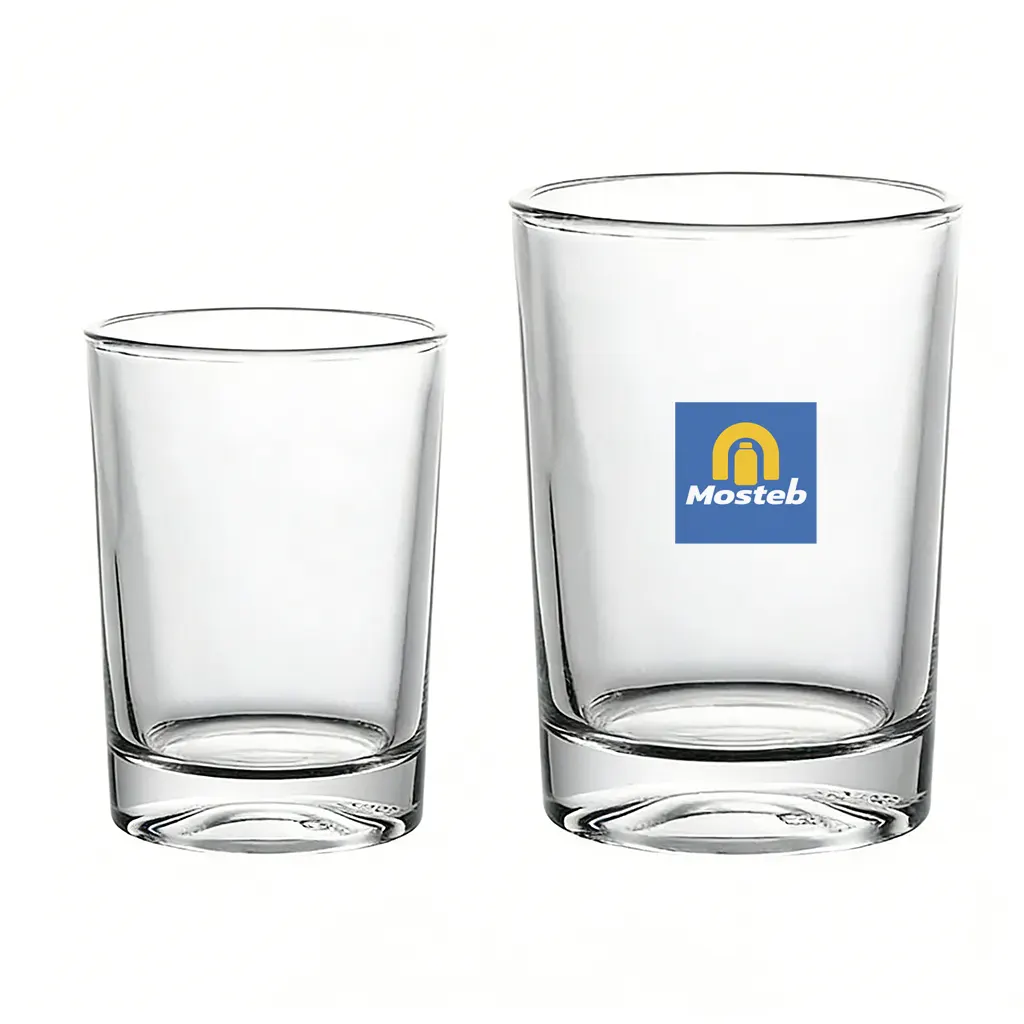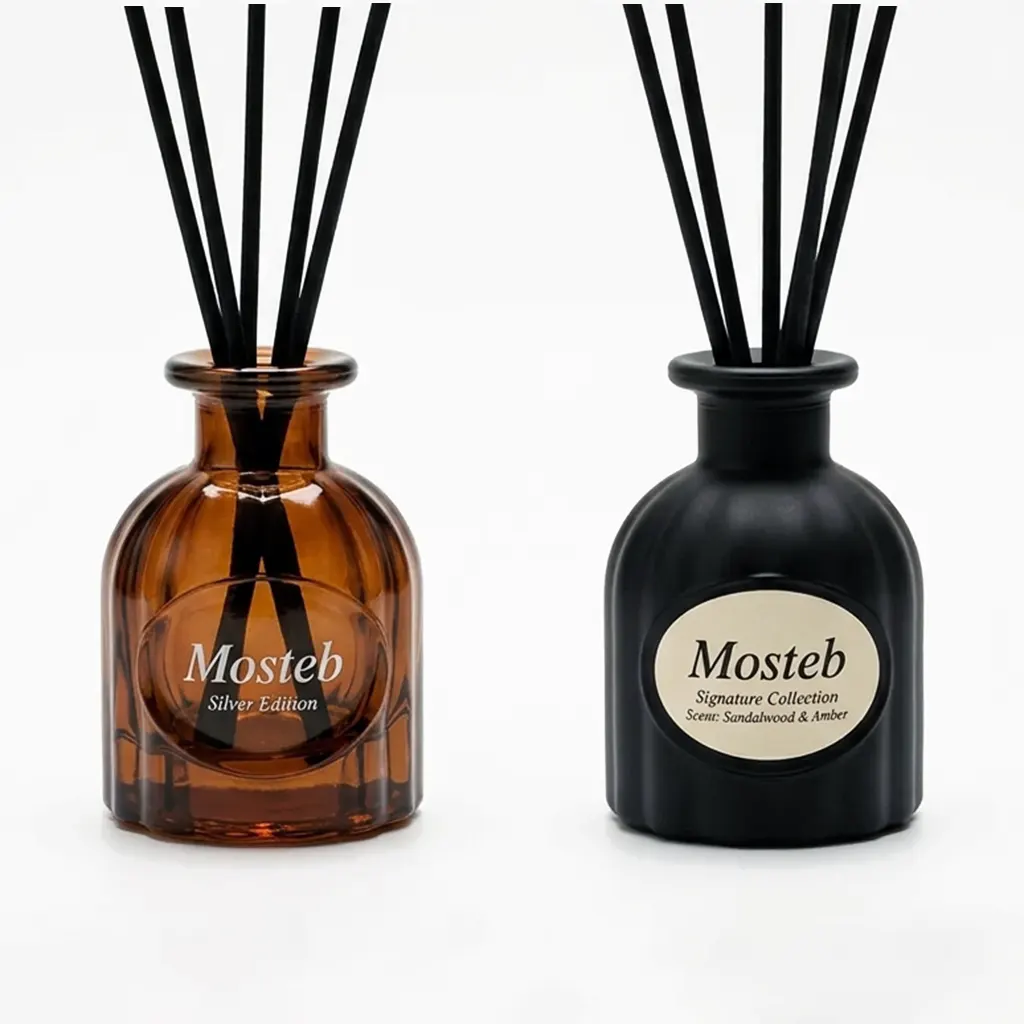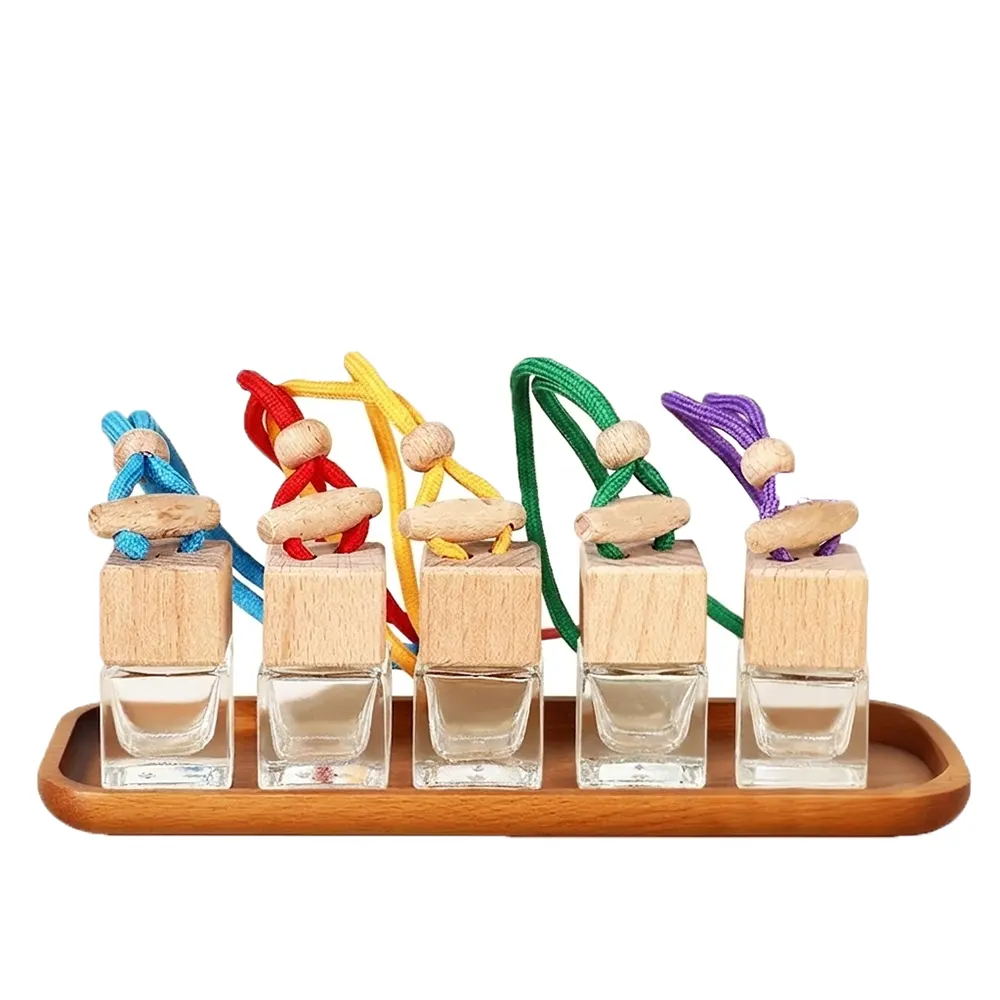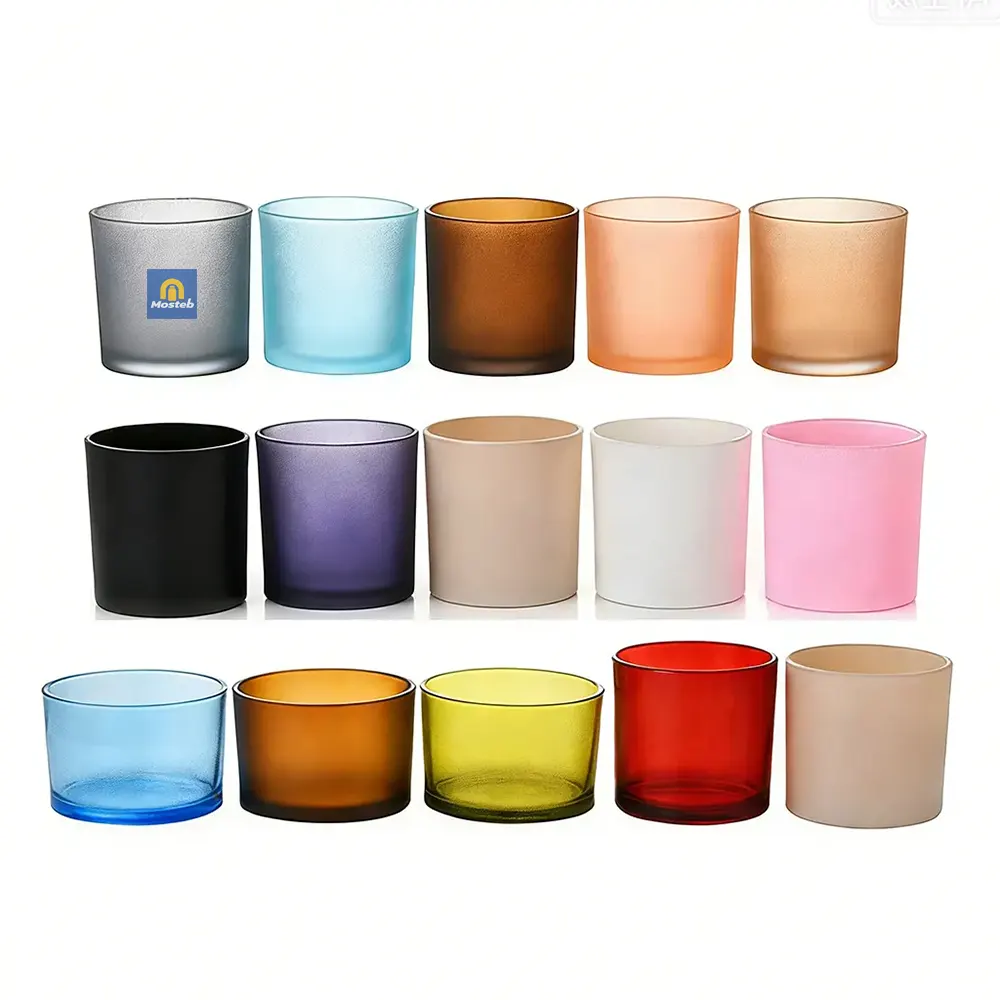
The selection of the ideal glass candle jars factory can impact your products’ uniformity, personalization possibilities, manufacturing expenses, and delivery dependability. A qualified manufacturing partner should do more than just provide standard glass containers for candle brands, wholesalers and buyers of packaging. The degrees of mold growth, glass formation, annealing, surface finish, decoration, quality control and packing for export must all be coordinated to produce uniform jars on a commercial scale.
Mosteb offers glass candle jars to meet various shapes, sizes, finishes and decoration needs for wholesale and custom packaging applications. The process for making glass candle jars, what one should keep in mind when choosing a glass candle factory and the usual steps from a design to bulk production of a custom project are discussed.
1. Precision Manufacturing & Technology at a Leading Glass Candle Jars Factory
Mosteb employs the most up-to-date glass container manufacturing methods to assure utmost dimensional accuracy and structural integrity of its candle jars.
The Narrow-Neck Press-and-Blow (NNPB) method is very efficient in obtaining the exact glass distribution control because it can reduce the glass weight by as much as 33% without the glass losing its mechanical strength.
In the case of wide-neck jars, cups, and containers that need the wall to be evenly distributed, the Press-and-Blow (P&B) method is the one used.
Both NNPB and P&B methods comprise the initial formation of molten glass by a plunger in a blank mold to obtain a parison, after which the parison is transferred to a blow mold for the final shaping with compressed air.The efficiency of these operations is further improved by servo-controlled units, real-time observing, and digital control interfaces which are some of the features that the facilities use for carrying out these operations.
2. Designing for Desire: Aesthetics, Function, and Innovation
This chapter highlights consumer behavior aspects and design psychology that used strategically in Mosteb luxury candle jars by means of the artistic conception, ergonomics, and functional features to take market trends.
2.1. Psychological Triggers and Emotional Engagement through Packaging
At Mosteb, luxury candle packaging not only performs the basic function of product protection but also is an emotionally exclusive experience that makes the brand-customer relationships last. The design communicates stories and emotional power, which make the product be perceived as rare and of high quality, thus, as a result, its value goes up. Consumers who get a positive emotional reaction from the packaging are more likely to repurchase the product, as they subconsciously link the feeling with the product itself.
2.2. Color Psychology in Luxury Candle Design
Colors are great mental triggers. Mosteb chooses colors carefully to not only cause certain feelings but also reflect the brand. The use of the same colors in each of the products is what creates a cohesive brand image.
2.3. The Significance of Shape and Form in Perceived Luxury
One of the most potent factors that influence consumer perception of a candle jar is its shape. Consumers associate round shaped jars with smoothness, stylishness, special, and premium characters, whereas square jars are thought to be modern, simple aesthetically. Apart from noting that, Mosteb also delves into the realm of shapes for sculptures to make their products more distinctive and intriguing. In addition to that, the company is taking into account the influence of features of the past, like for instance, having broad formations for masculine products and subtle curves for feminine ones.
2.4. Tactile Feedback and Perceived Weight as Luxury Indicators
Mosteb directs their attention to the selection of materials and application of finishing techniques that give users a feel of handcrafted and luxury indulgence. Through consumer research, it is revealed that the public perceives heavy packaging as quality packaging, while the act of touching packaging may increase the chances of buying because it gives the consumer the feeling of possessing it.
2.5. Transparency and Finish in Glass Jar Aesthetics
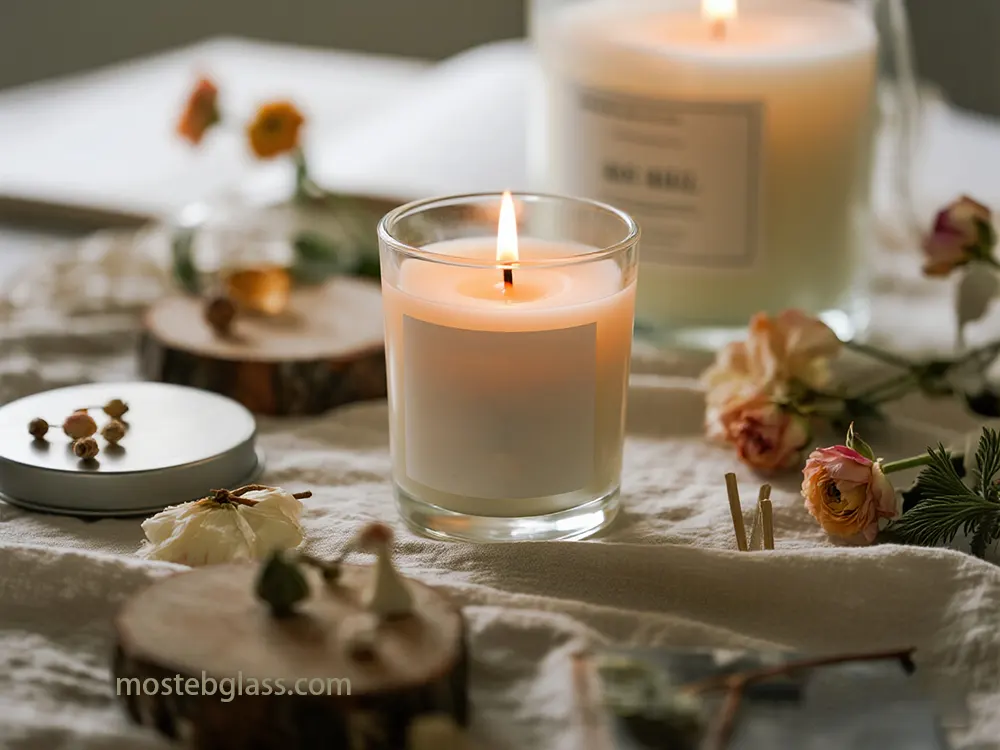
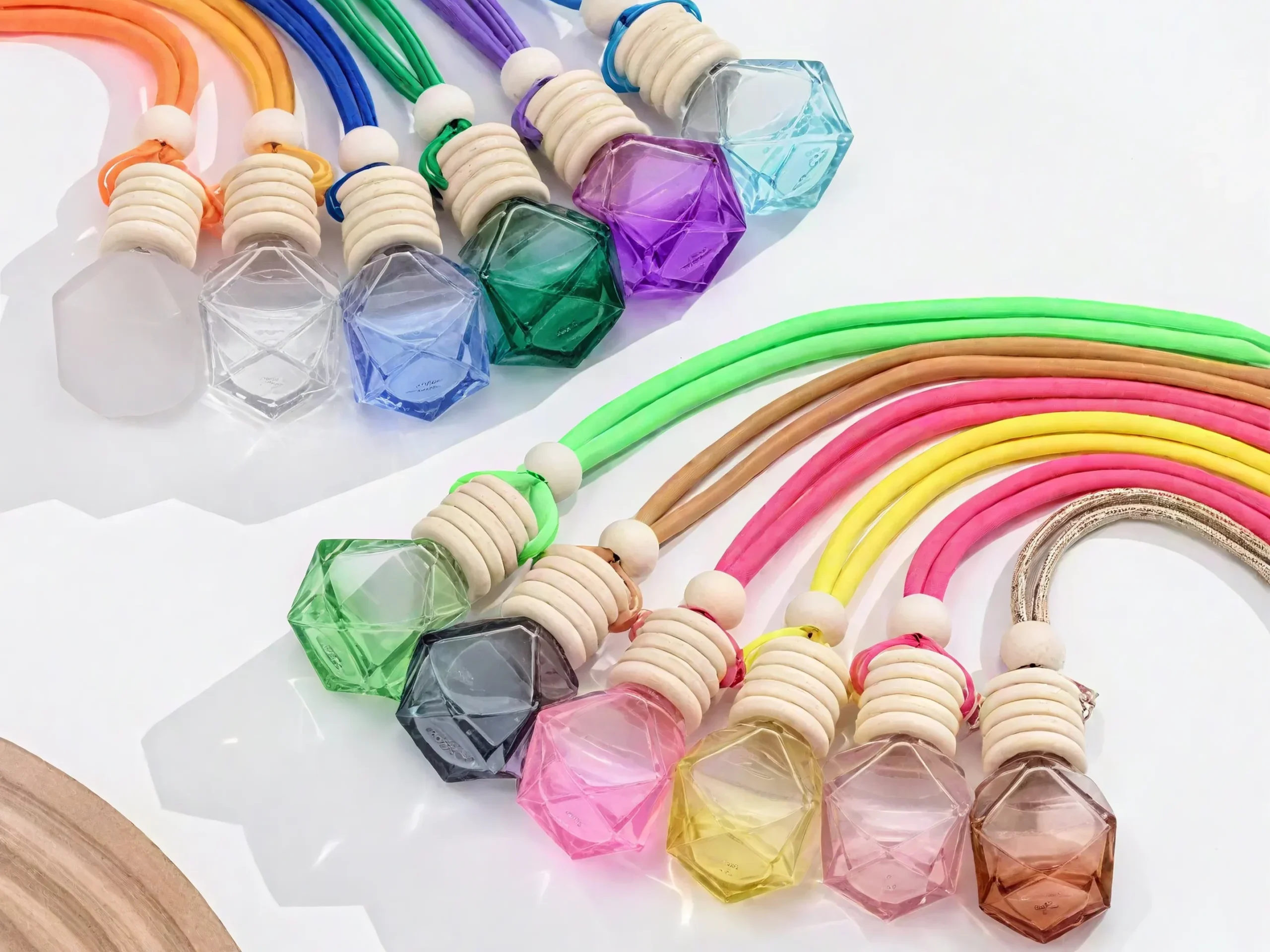
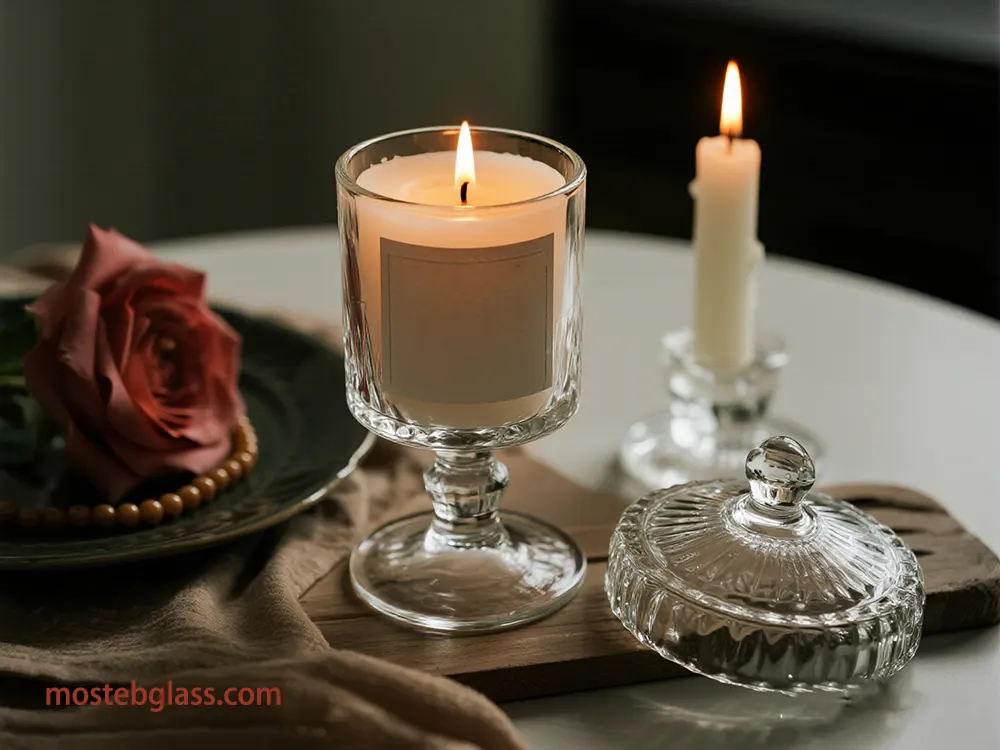
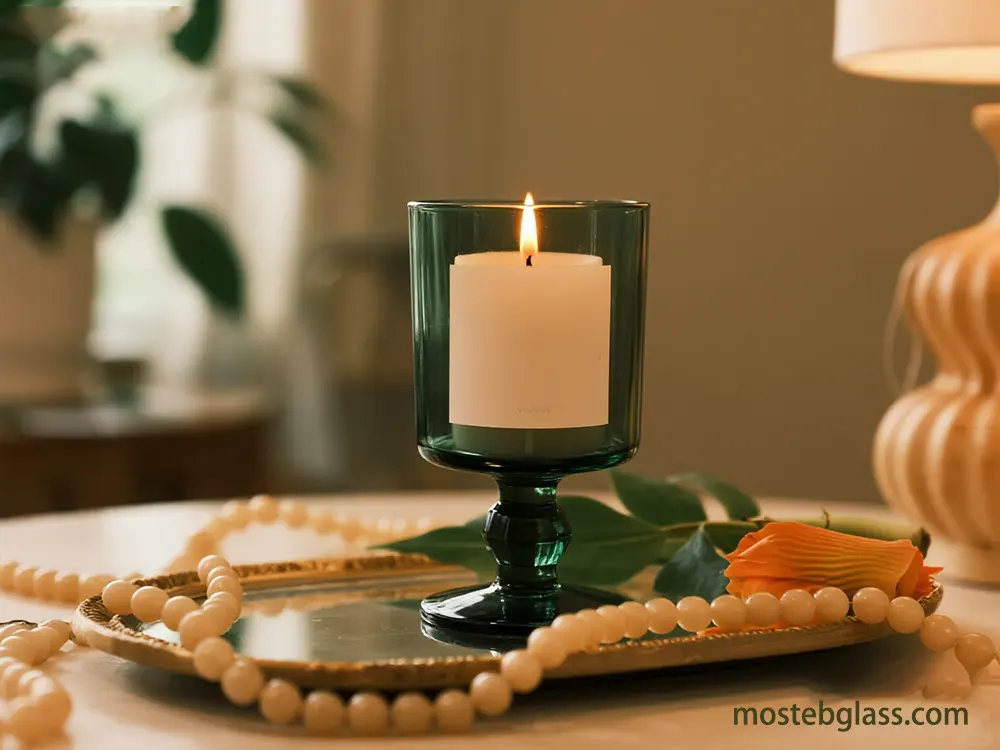
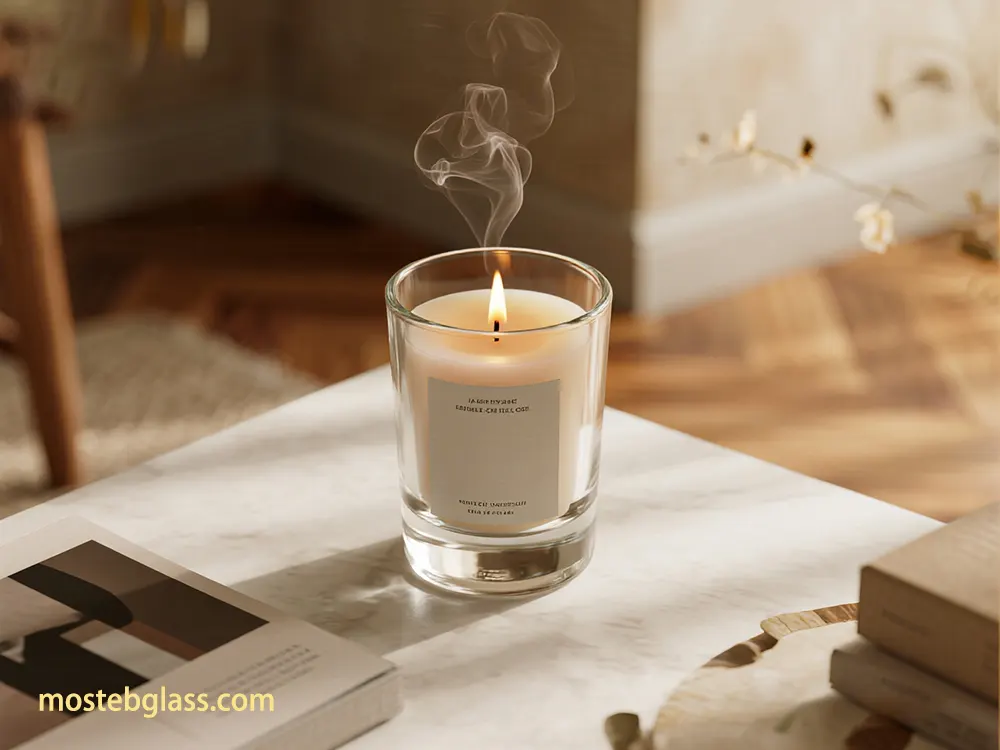
The trendiest candle holders are the transparent ones as they not only make the most of the available light, but they also are the best for showing off the color and the texture of the candle and can easily blend in with any kind of room style.Frosted glass is characterized by simple and elegant qualities, and it provides a warm tone for the decorated room by dimming the light coming from the candle, which finds its place among the latest spa and wellness trends.Colored glass holders are fabulous and cool looking, and besides this they can also be vibrant complementing for the decor.
2.6. Dominant Aesthetic Trends: Minimalism, Artisanal, and Biophilic Design
Mosteb exhibits designs leaning on luxury indus-try trend.
- Minimalist Aesthetics: Clean lines, simple shapes, and neutral palettes emphasize elegance and simplicity, as seen in brands like Glasshouse and Ecoya.
- Biophilic Design: A growing trend for 2025, integrating nature-inspired elements, natural light, and materials (organic textures, warm neutrals, soft greens) to create calming environments.
2.7. Personalization and Customization as Key Value Drivers
The consumers nowadays demand uniqueness of products. Mosteb allows a wide range of customization options such as personalized fragrances, vessel designs, labels, and engraving of the names or patterns on jars and lids, which effectively promotes deep emotional bonding that makes the candles become memorable tokens. The use of custom silicone molds gives an unlimited creative freedom for unique shapes and textures.
2.8. The Unboxing Experience and Sensory Marketing Beyond the Jar
Mosteb is thinking about the inclusion of high-end fittings and closures, to transform the moment of unpacking into an unforgettable experience, thus, raising the product’s perceived value. The delighting “click” sound of a cap closing is also among the factors that help build up the perception of luxury and high quality.
3. Optimizing the Value Chain: Efficiency from Source to Shelf
This part delves into how essential it is for the firm to remain fit by sharpening the supply chain, managing the logistics well, and keeping the operations flexible to satisfy the triple demands of being cost-effective, punctual, and responsive to the ever-changing market requirements.
3.1. Raw Material Sourcing and Cost Drivers (2025 Outlook)
The production of glass Mosteb’s market is going to be very much dependent on factors such as the prices of raw materials and the supply chain optimization in the year 2025 out of which have to be four primary sources of silica sand, soda ash, limestone, and cullet (recycled glass). Prices of silica sand remain stable, while soda ash production is becoming more expensive because of the energy market. At the same time, the availability of cullet varies in different areas, and its consumption is the most energy-saving process with energy consumption and costs. The defining factor in the glass production process is the energy used for the method of melting the glass, which comes especially from natural gas and electricity.
3.2. Production Scheduling and Inventory Optimization
Mosteb plans the inventory in a perfect way, which is mainly achieved by data-driven forecasting, so they can distribute raw materials equitably for production and also inventory levels are kept to a minimum. Demand forecasting is done by AI which uses such models as ARIMA and Prophet to be at par with real-time sales and external factors thus production is adjusted on the spot, so the same does inventory optimization which is also outputted in the dialogue can levels and waste is minimized.
3.3. Optimized Packaging Solutions for Fragile Glass
The best method of packaging the fragile glass candle jars is by using a comprehensive tactic. Among these, it is recommended to wrap each item separately as well as to use materials like bubble wrap, foam, packing peanuts (also, there is eco-friendly cornstarch), shredded cardboard or gel wax for proper cushioning of the product. Dividers in the pack keep the items away from each other and the voids inside the box are filled to avoid the movement of the package. It is advised to use the double-boxing method for a long journey. Apart from this, the proper taping of the lids and also the use of words like “Fragile” and “Handle With Care” will help a lot.
3.4. Efficient Transportation Modes and Carrier Selection
One of the ways of lessening the glass jar damage during the time when the goods are delivered is the parcelization which must include an effort like the use of good-quality pallets and also the use of such things as stretch film and other like corner boards to wrap the load tightly but when you still need to make sure the product is not exposed to the influence of bad weather, then that moment should surface-conditioned. Mosteb selects the dependable carriers, who have a history of good collaboration for transporting fragile goods and also thinks about shipping insurance. In case of large shipments, using the carriers who are skilled in handling the fragile freight and agreeing on volume discounts will help you in lowering the expenses. Glass is something that cannot be stacked or compressed to save the space thus making it less efficient and more costly to ship.
4. Pioneering Sustainable Practices: Eco-Conscious Production & Materials
The section reflects on how the factory incorporates environmentally friendly practices such as sustainable sourcing, energy-efficient production, eco-friendly materials, and circular economy models within the factory.
4.1. Significant Environmental Benefits of Recycled Glass
Mosteb gives first priority to the use of recycled glass (cullet) because of its clear-cut environmental benefits. In general, the use of cullet drastically lowers the primary energy demand (PED) and global warming potential (GWP) of the product compared to the use of virgin materials. The GWP advantage is the main reason of the energy saving that results from the consumption of energy and emissions of CO2.
4.2. Quantifiable Energy and CO2 Savings with Cullet
With every 10% increase in the fraction of the cullet the energy used in melting is typically decreased by 2-3% (or 2.5-3.3%) and the CO2 emissions are cut by approximately 5%. In a case like this, one hundred percent cullet may save 25.4% in melting energy as opposed to 100% virgin materials. Besides that, one ton of recycled glass stands for 1.2 tons of the virgin raw material thus the average CO2 saving is 0.67 tonnes in Europe.
4.3. Dominance of Melting in Environmental Impact and Raw Material Conservation
The production phase, especially the melting stage of glass in the furnace, is the one that accounts for the highest percentage of most environmental impact categories in glass container production. Glass recycling is thus significantly lowering the requisites for virgin raw materials like sand, soda ash, and limestone, that together with their respective amounts 1.17 to 1.2 tonnes, are figuring per each one-ton glass recycled. Besides helping to reduce the energy needs, it cuts the CO2 emissions, extends the life of the furnace, and lessens landfill waste.Glass recycling also contributes to reduced water usage.
4.4. Minor Impact of Transportation in Overall LCA
The energy impact of transporting glass packaging, including raw materials and cullet, is a small part of the total energy used in container glass production, typically less than 10% (or 4-5% in some studies). The CO2 savings from glass recycling are generally as large as, or larger than, the transportation emissions, offsetting any perceived environmental burden from shipping.