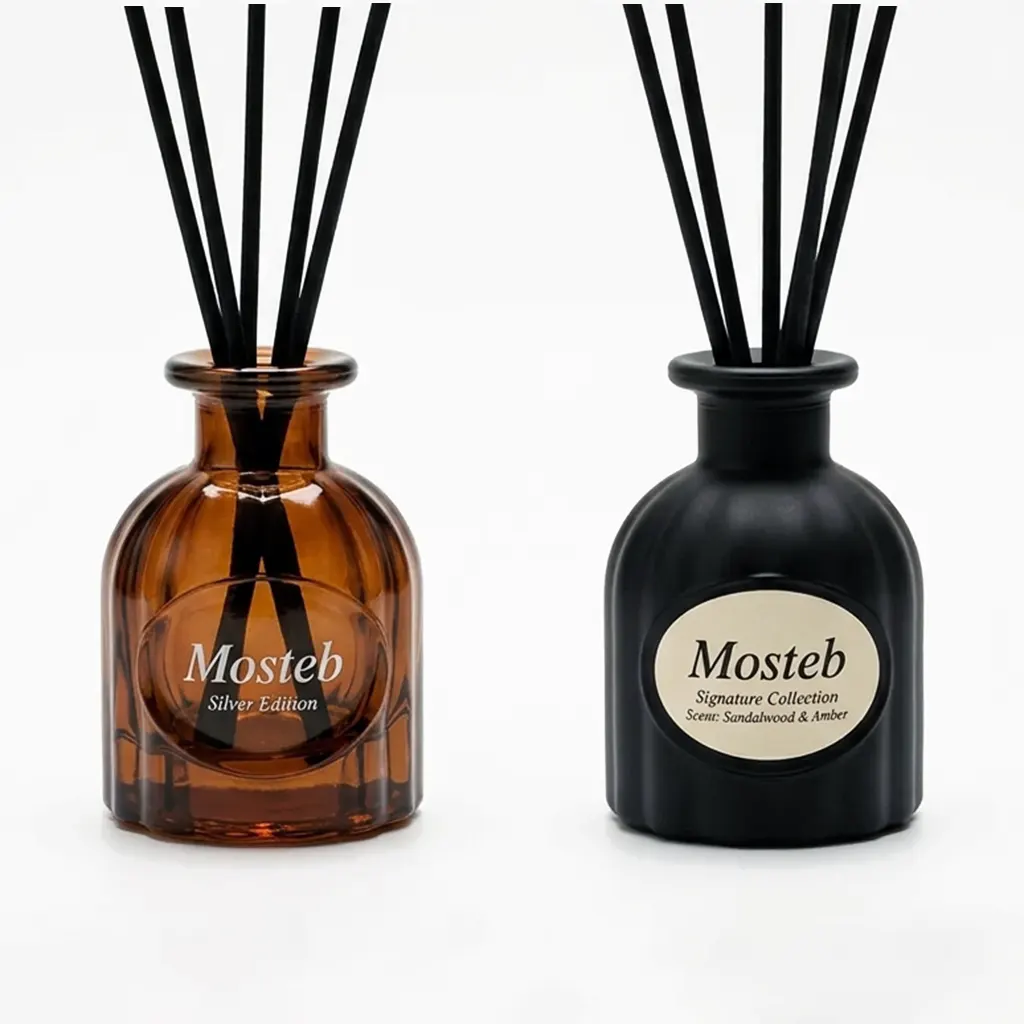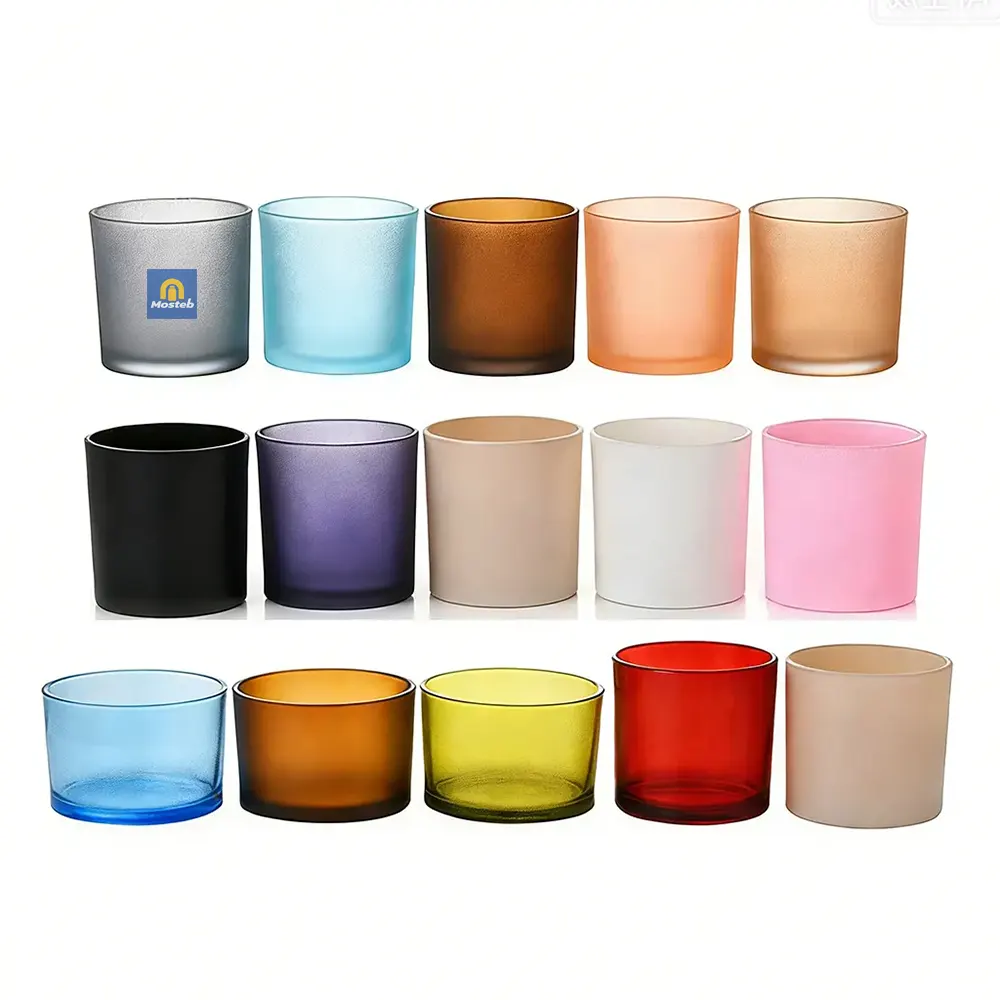
Glass diffuser bottles production tolerances are a crucial aspect of fragrance packaging quality, aesthetics, and function. While these differences in bottle sizes might be just a few hundredths of a millimeter, the slight variations in neck finishes, wall thickness and surface treatments can cause leaks, inadequate component fitment and inconsistent retail appearance. When choosing a glass diffuser bottle manufacturer, it is vital to have an understanding of production tolerances, especially for fragrance brands and private label suppliers. The guide describes the importance of dimensional control, frosting uniformity and accuracy of the neck finish for large volume production.
1. Understanding Glass Diffuser Bottle Production Tolerances
Let’s get specific. The typical production tolerances of standard glass diffuser bottle includes 50ml-200ml bottle neck diameter is within +-0.3 mm, body diameter is within +-0.5 mm, but the actual factory results tend to vary more, often reaching +-0.8 mm, because of the wear of the moulds, the imprecision with which gobs are cast, and variation in furnace temperature, and the cumulative effect of these tolerances when combined with those of the closures is that sealing the bottle cannot be reliably predicted, and the result is either a leakage This is not a hypothetical statement; One of the common reasons for filling issues, closure mismatch and rejection during quality check in commercial fragrance packaging is dimensional inconsistency of the packaging. Big consequences.

2. Frosting Uniformity Glass Diffuser Bottles: The Aesthetic Trap
Short sentence. Looks sell first. Frosting – achieved either by acid etching (hydrofluoric acid, HF) or mechanical sandblasting – relies on carefully controlled factors such as solution concentration, exposure time (usually 3-8 minutes), and rinsing, although what the average buyer does not realize is that base glass consistency also plays an equally key role, as any micro- Changes in surface constitution will lead to patchy finishes, gloss inconsistency, or uneven diffusion in case process control becomes less than perfect. A materials analysis of 2025 cited by the National Institutes of Health. Outlines the fact that light scattering behavior in treated glass is directly affected by surface inconsistencies, which supports the explanation of why two bottles of the same batch can appear visibly different when subjected to retail lighting. It’s not just decoration. It’s perceived quality.
3. Diffuser Bottle Neck Finishes: Compatibility Problems Nobody Warns You About
Short sentence. This is worse. Diffuser bottle neck finishes can either ensure that the caps or stoppers and reeds actually fit, whilst many suppliers claim a standardized specification for neck outer diameter or thread pitch, the fact is that a patchwork of semi-compatible systems where any slight difference in tooling specification between components can lead to loss of sealing integrity or create assembly friction during high-speed filling, especially when components are supplied by more than one factory with slightly different tooling standards. Based on supply chain disruptions by Reuters, 2024, the problem of component mismatch has been a long-standing trend in the packaging of consumer goods, and the diffuser bottles fit the general trend perfectly when the brands switch suppliers without confirming cross-compatibility in the production settings. Same spec. Different reality.

4. Glass Bottle Manufacturing Tolerances vs Reality
| Parameter | Standard Spec | Real Factory Range | Risk Level |
| Neck Diameter (OD) | ±0.3 mm | ±0.5–0.8 mm | High (leakage, misfit) |
| Bottle Height | ±0.5 mm | ±0.7 mm | Medium (label alignment) |
| Wall Thickness | ±0.2 mm | ±0.3–0.5 mm | High (strength variation) |
| Frosting Uniformity | Visual standard | Often inconsistent | High (aesthetic rejection) |
| Thread Precision | Standardized | Semi-variable | High (cap mismatch) |
One line. Specs lie sometimes. Technical drawings imply accuracy, although reality of production usually indicates compromise in the process, particularly when the maintenance cycles are excessively long or the sampling of quality control is overly shallow to detect drift in the early stages.
5. How to Ensure Uniform Frosting and Precise Neck Finishes on Glass Diffuser Bottles?
I’ll keep it practical. First, demand process transparency, request real data on acid concentration, frosting cycle times, and bath replacement intervals, rather than accepting samples based on how they look, because it is the only way to see the variation; second, set stricter QC limits such as AQL 0.65 on important dimensions such as neck diameter, rather than default limits that mask edge-case defects; and third, match your supply chain, by sourcing both bottles and closures with the same vendor whenever possible, to eliminate tolerance stacking; and lastly, simulate actual usage by testing filled, capped and This, forget about, and you are not controlling quality. You’re reacting to failure.

FAQs
1. What are glass diffuser bottles production tolerances?
The manufacturing tolerances of glass diffuser bottles are the acceptable dimensional changes in the production process, such as the neck diameter, thickness of the walls, and height, usually within +-0.3 mm to +-0.5 mm, which directly influence the performance of the sealing, compatibility between components, and consistency in the mass production.
2. Why is frosting uniformity important in glass diffuser bottles?
Frosting uniformity is applied to glass diffuser bottles in reference to the consistency of surface treatment on each unit so that its surface is evenly textured and capable of diffusing light, a factor that is directly applied in the retail context where surface uniformity and consistency are anticipated.
3. What are diffuser bottle neck finishes?
Diffuser bottle neck finishes are the structural design and dimensional requirements of the bottle opening, such as diameter, threading, and tolerance limits, that are used to establish the compatibility of the caps, stoppers, and accessories and contribute significantly to elimination of leakage and correct assembly.
4. How do manufacturing tolerances affect diffuser bottles?
The way diffuser bottles are manufactured impacts tolerances because too much variation results in leakage, misalignment, structural strength or uniformity, and varying look which make them more likely to be returned and less acceptable by the consumer.
5. How to ensure uniform frosting and precise neck finishes on glass diffuser bottles?
To achieve the desired homogeneity of frosting and the exactness of neck finishes, strict process control is necessary: similarity of the chemical treatment conditions, maintenance of molds, strict standards of dimensional control, and compatibility tests between the bottles and closures in actual production and consumption conditions.
Looking for high quality glass diffuser bottles that will deliver consistent sizes and finishes?
Mosteb specializes in custom glass diffuser bottle production and guarantees exact size, frosting quality and compatibility checks of the closures for fragrance companies from around the world.