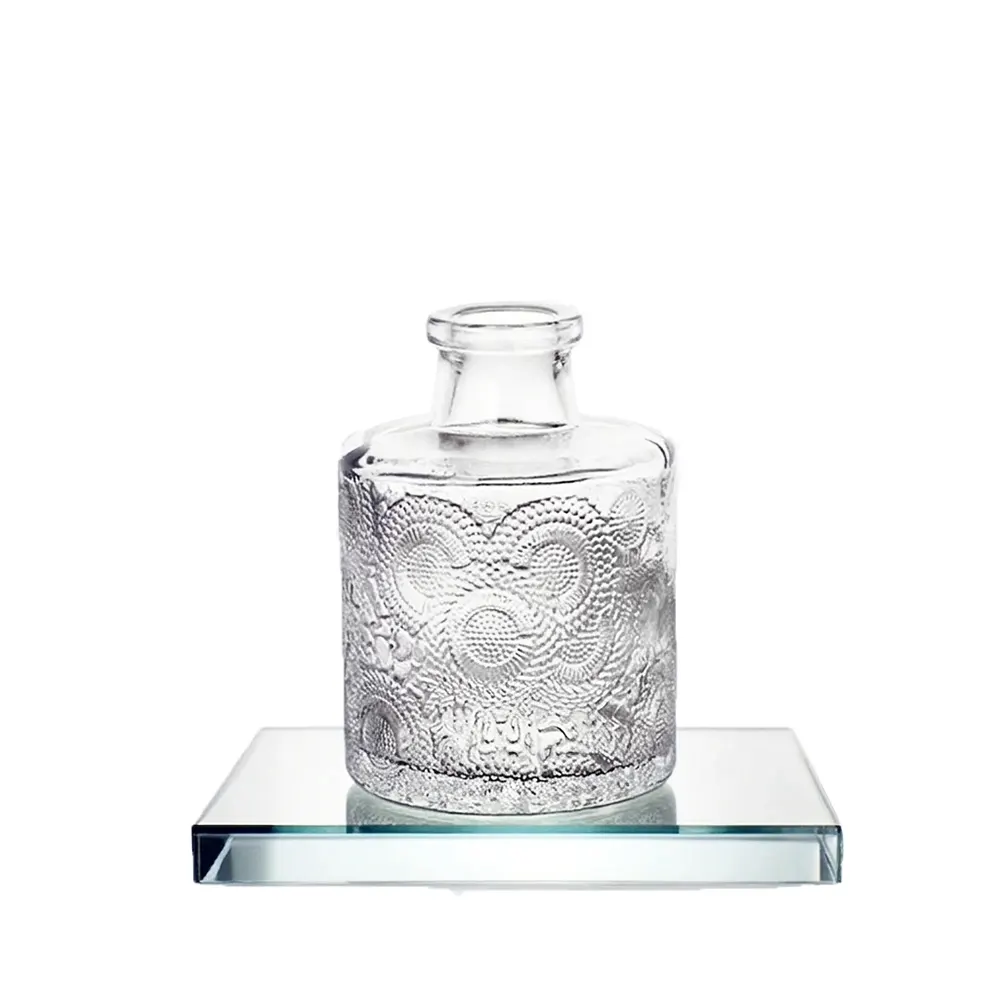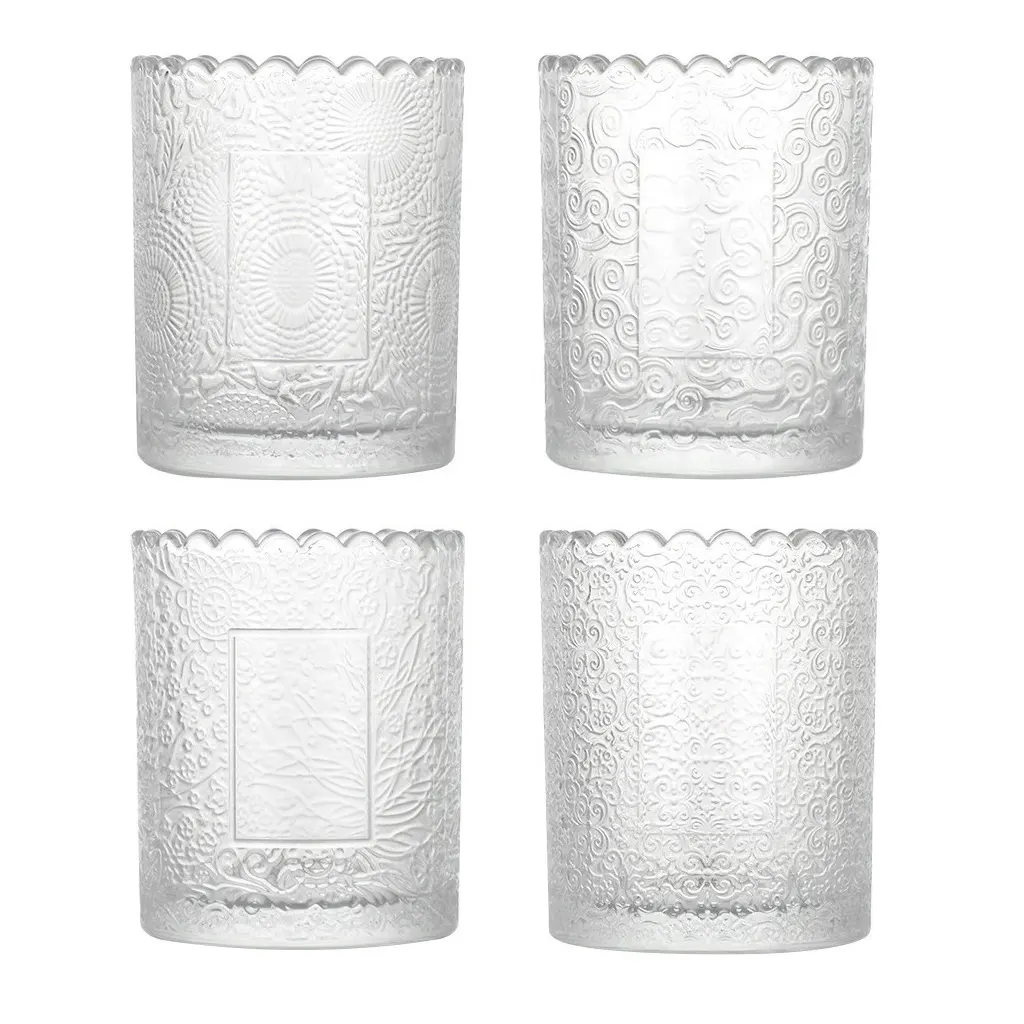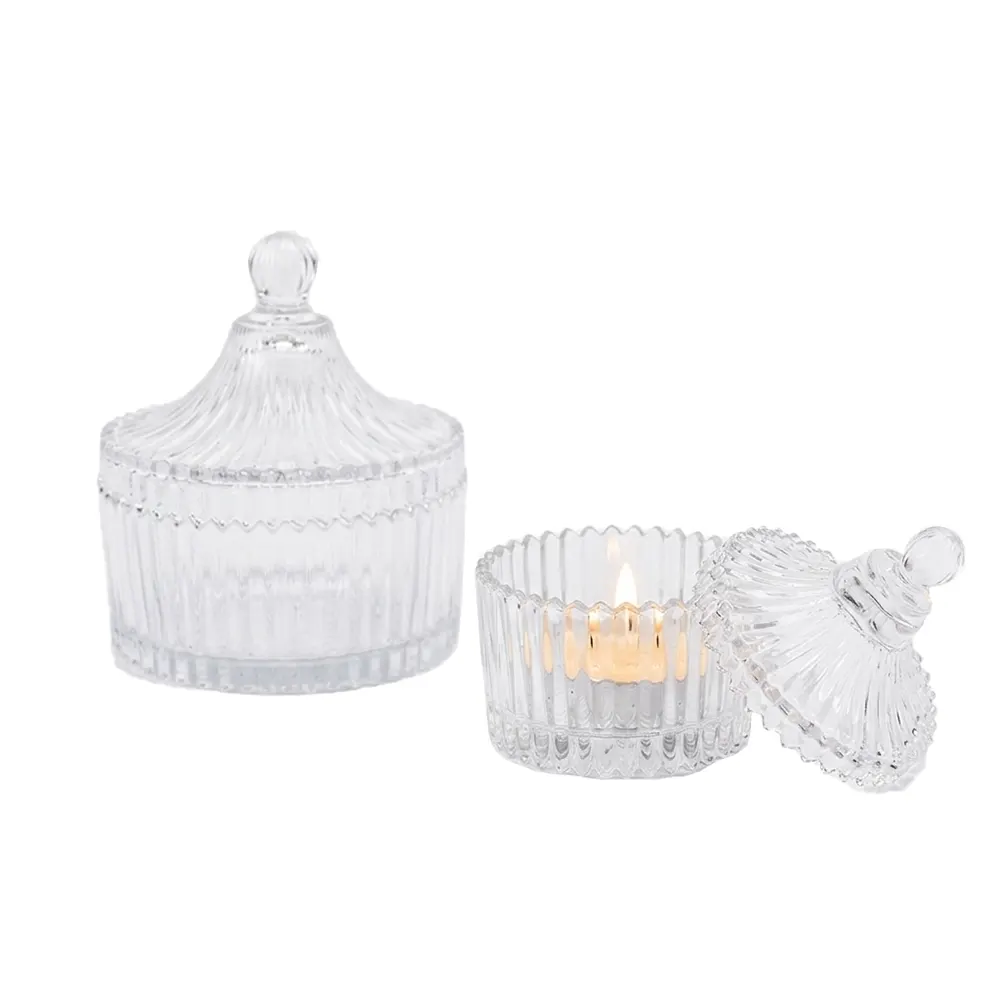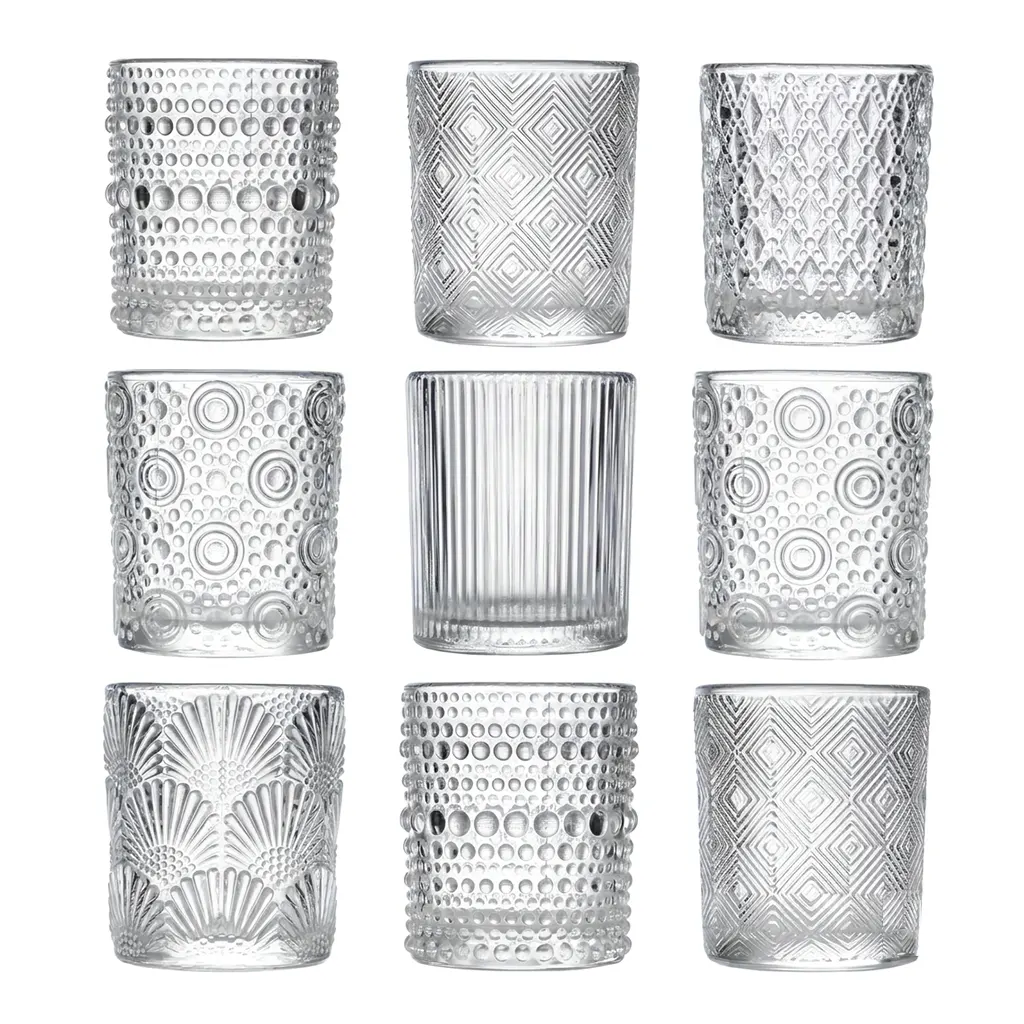
This guide explains how to clean wax out of candle jar at scale, while maintaining efficient throughput, consistent cleanliness, and responsible waste management. This guide outlines a practical framework for setting up and optimizing a bulk candle jar cleaning operation, covering equipment, process flow, quality assurance, safety, and waste management. The goal is to explain how to clean wax out of candle jars at scale while maintaining efficient throughput, consistent cleanliness, and responsible waste management.
1. Defining Your Bulk Operation's Specifics
Clearly defining “bulk” and your operation’s parameters is foundational for designing an efficient cleaning process. This involves quantifying volume, understanding wax types, determining intended next use, and prioritizing efficiency metrics.
Volume Definition and Throughput Targets: Bulk cleaning involves significant volumes beyond manual, small-batch methods. Depending on the equipment and process design, industrial or semi-automated systems can handle hundreds or even thousands of jars per hour.
For high-volume operations, automated or semi-automated equipment can improve throughput and reduce manual handling. Defining this volume is crucial for equipment selection and scaling.
Wax Types Encountered: Common wax types include:
- Soy Wax: Natural, biodegradable, often softer and easier to remove when cold.
- Paraffin Wax: Petroleum-based, widely used, can be stubborn when cold.
- Beeswax: Natural, harder, challenging due to adhesive properties.
- Blends: Proprietary blends exhibit varied removal characteristics. Understanding predominant wax types dictates cleaning methodologies (thermal, mechanical, chemical) and required detergents/solvents.
Intended Next Use for Cleaned Jars: Cleanliness level depends on subsequent application:
- Refilling with Candles: Requires complete removal of wax, wicks, and significant scent traces to prevent contamination.
- Food-Grade Storage: Food-contact applications require a much higher level of cleaning and must also meet applicable food-contact and sanitation requirements. Simply removing wax and fragrance does not automatically make a candle jar suitable for food storage.
- General Storage/Crafts: May tolerate minor imperfections or residual scent, allowing less aggressive cleaning.
Prioritized Efficiency Metrics: Defining and tracking efficiency metrics is paramount for any bulk operation:
- Minimizing Labor: Automation and streamlined workflows reduce manual intervention.
- Energy Consumption: Optimize thermal methods’ temperature and cycle times.
- Use of water: Water-intensive methods require efficient water recycling and treatment systems.
- Chemical waste: Reduce chemical use and apply closed-loop solvent recovery.
- Quality of Cleanliness: Ensure that jar meets standards, prevent work or rejection again.

2. Assessing Existing Infrastructure and Equipment
Evaluation of current features and equipment is required for optimal integration in a wholesale wax removal process, identifying property, hurdles and investment needs.
Current facilities assessment:
- Space Availability: Assess available floor space and designate separate areas for pre-sorting, wax removal, washing, drying, inspection, and storage.
- Utilities: Evaluate access to sufficient power, water (pressure, flow, temperature), drainage, and ventilation. Industrial washers may need significant steam.
- Environmental Controls: Consider existing ventilation for steam, heat, or chemical fumes.
Available Equipment Assessment: Categorize and evaluate existing equipment:
- Industrial Dishwashers/Washers:
- Tunnel-type machines: For washing, sterilizing, and drying glass jars, improving production efficiency.
- Top-loading bottle washers: Offer precise temperature control, advanced detergent systems, and customizable cycles using high-pressure jets.
- Multi-function bottle washers: Integrate washing and sterilization, with capacities from 200 to 1,200 bottles/hour.
- Rinsers/Sterilizers: Use hot, pressurized air or treated water for rinsing and sterilization.
Freezers:
For mechanical wax removal, industrial freezers chill jars, making wax brittle and easier to chip out.
Specialized Equipment:
- Wax Melting and Pumping Equipment: Various melters, pumps, and tanks with temperature control, adaptable for wax recovery.
Integration and Upgrade Potential:
- Automated Quality Control (AQC): Implement AQC systems using CNNs to identify defective or insufficiently cleaned jars.These achieve high accuracy (100% accuracy, precision, recall, F1-score, and AUC in classifying candle jars).
- Data Augmentation: For AQC, targeted data augmentation on defective images addresses data imbalance and improves model generalization.
- Multi-purpose Capabilities: Explore equipment performing multiple functions or handling various jar sizes.
Assessing existing infrastructure and equipment identifies optimization opportunities and strategic investments, ensuring an efficient and scalable cleaning operation.
3. Core Wax Removal Methodologies for Bulk Application
Bulk wax removal depends on wax type, jar material, desired hygiene and efficiency. A combination of thermal, mechanical and solvent-based approaches often gives the best results.
Thermal methods:
Thermal methods soften or melt the wax so it can be drained, scraped, or washed away.
- Industrial Oven: Jars can be gently heated to soften or melt residual wax, allowing it to drain into a collection tray before washing. Temperature control is important to avoid thermal shock or damage to the glass.
- Hot Air/Heat Gun: Industrial heat guns target specific residues.
- Ideas: Early wholesale removal can be effective, but energy-intensive and can leave a thin film or odor, requiring further refining.
Mechanical methods:
Physically remove wax, often after solidization or emissions.
- Freezing and chipping: Freezing jar makes the wax easy to brittle and chip out. Energy-intensive compared to thermal for primary removal may be slow for larger versions.
- High pressure water jets: very effective for stubborn residues, integrate in automatic washing lines with adjustable pressure.
Solvent-Based Approaches:
Chemical agents dissolve and remove wax and scent residues.
- Industrial Detergents: Alkaline or specialty detergents can help remove wax films, oils, soot, and other residues after the bulk wax has been removed.
- Specialized Cleaners: Commercial wax-removal products can be considered for stubborn residues, provided they are compatible with the glass and intended application.
- General Solvents: Vegetable oil dissolves wax .Isopropyl alcohol removes residue after scraping.Glycol ethers are industrial-strength for difficult grime.
- Ideas: extremely effective for residual wax and fragrance. There is a need for chemical handling, waste water discharge and careful management of potential residues. Closed loop solvent reduces recovery costs and waste significantly.
Hybrid approach:
The most effective bulk cleaning adds these methods. For example, an initial thermal for bulk wax melts, followed by mechanical scraping or high pressure, then for a final chemical wash (eg, ultrasonic with detergents) for residual film and fragrance. This multi-step approach ensures widespread cleaning, balance efficiency and resource consumption.

4. Process Flow and Equipment Integration for Efficiency
Optimizing process flow and integrating equipment are paramount to maximize throwput and reduce resource consumption.This section leverages lean manufacturing principles for a streamlined cleaning line.
Lean Manufacturing Principles for Cleaning:
Lean manufacturing, eliminating waste (“Mudas”), is highly applicable to industrial cleaning.Core tenets like 5-S (Sort, Set in Order, Shine, Standardize, Sustain), Kaizen (continuous improvement), and DMAIC methodology enhance efficiency.
Designing Streamlined Workflows:
- Value Stream Mapping (VSM): Map the current jar cleaning process to identify value-added and non-value-added steps (waste).Common wastes include motion, waiting, over-processing, defects, inventory, transportation, and overproduction. Identifying these “Mudas” enables efficient future state design.
- Batch processing technique: For bulk operation, batch processing is often more efficient than single-tukra flow, especially for thermal or chemical soaking. Determine the optimal batch size depending on the equipment capacity and cycle time. Nomine clear staging areas.
Integration of existing and new devices:
- Conveyor System: Automatic conveyor belts originally move the jar, reduce labor and improve throwputs.
- Robotics: Robot arms automatic loading, unloading and accurate handling, especially for delicate glass jars.
- Automatic dosage system: Integrate automatic pumps for frequent detergents/solvent concentrations, reducing waste.
- Real time data acquisition: Apply sensors and data acquisitions for overall equipment effectiveness (OEE), throwkut, energy consumption and real -time monitoring. This data is important for continuous improvement and future maintenance maintenance.
By applying these lean principles and integrating equipment thoughtfully, bulk candle jar cleaning operations can achieve significantly higher throughput, reduced resource consumption, and consistent quality.
5. Final Cleaning and Quality Assurance
To achieve desired hygiene for bulk re-use requires post-cleaning treatment for residual wax film, dull fragrance and other impurities, as well as with strong quality assurance protocol.
Removal of residual wax film:
A thin wax film can live after the primary removal.
- Chemical disintegration: Industrial-Shakti Detergent (Likwinox, Alconox, Detonox®), Glycol Ether, or Citrus-based cleaner effectively dissolve waxy residues.
- Ultrasonic cleaning with solvents: A combination of ultrasonic cavity with aquatic cleaner or solvents increases significantly in removing micro -wax films from complex surfaces.
- High-pavement rining: Rinse a final high pressure with warm water that removes loose wax film and detergent residues.
Elimination of residual fragrance:
It is important to remove fragrance for refilling with different aroma or food-grade storage.
- Enzymetic cleaner: It contains bacteria that digest organic materials, including smell compounds, effectively neutralizes the cynts continuously.
- Active carbon filtration: For air purification in the cleaning sector, active carbon filters absorb VOCs and smells, preventing the re -department of airborn fragrance molecules.
- Thermal deodorization (controlled): A controlled high -temperature bakes can volatile bake residual odor molecules, but should be managed to avoid damage.
Quality Assurance (QA) Protocol:
Ensure rigid QA checks ensure that each jar meets the specified hygiene standards.
- Visual Inspection:
- Manual Spot Check: Trained personnel perform random visual inspections under controlled lighting.
- Scent Detection:
- Olfactory Testing (Human): For critical applications, human sniff tests can be used, though subjective.
- Electronic Noses/Gas Chromatography: For high-precision scent detection (e.g., food-grade), these quantitatively detect residual volatile organic compounds (VOCs).
- Residue Testing:
- Swab Testing: Swabs analyzed for residual wax or chemical traces (e.g., gravimetric analysis).
- Water Break Test: Water sheets evenly on a clean, residue-free surface.
- Batch Sampling: Implement a statistically sound sampling plan for quality checks.
- Feedback Loop: Establish a feedback loop from QA to the cleaning process. Consistent defect detection triggers immediate review and adjustment of the relevant cleaning stage, ensuring continuous optimization.
Integrating these refinement techniques and robust QA measures ensures consistent delivery of jars meeting high reuse standards, minimizing waste and maximizing value.

6. Security protocols and waste management strategies
A wholesale candle jar requires stringent safety protocols and comprehensive waste management to conduct a cleaning facility. This section gives details of personnel and environmental protection, with financially viable wax recycling and waste water treatment.
Safety Protocol:
Hot wax, chemicals and industrial equipment handling presents hazards.
- Chemical handling and storage: All chemicals must be easily accessible SDS, and employees should be trained. Ensure adequate ventilation (eg, regenerative thermal oxidizer for VOC). Chemical resistant PPE is required. Maintain spill kits. Nominated, store chemicals in well ventilated areas.
- Equipment Operations: Apply strict lockouts/tagouts (lots) for maintenance. Ensure the machine guarding. Clearly mark and test the emergency stop button regularly. Provide extensive operator training.
- Ergonomics: Design workstation to reduce repetitive stress injuries; Consider the help of robots.
Waste management strategies:
Effective waste management is important for environmental compliance and cost reduction.
A. Wax settlement and recycling:
- Solid Wax Disposal: Small amounts of cooled wax can be general waste,but not sustainable for bulk.
- Wax Reuse and Upcycling:
- New Candles/Wax Melts: Melt, filter, and re-pour wax into new products.
- Other Uses: Fire starters, sealants.
- Industrial Wax Reclaim Systems: Specialized systems filter and purify used wax, removing particles and contaminants.
B. Waste Water Treatment:
Waxpay water contains wax particles, detergents and odor compounds.
- Pre-treatment: Remove Greece Separaters/Oil-Water separation oil and large wax particles.
- First aid: Remove the wax from the filtration system (eg, vacuum filtration) solution.
- Secondary/Tertiary Treatment:
- Biological remedies: Uses microorganisms to decompose organic materials.
- Advanced oxidation procedures (AOP): Chemical techniques using hydroxyl fundamentals remove organic and inorganic contaminants removed by traditional methods.
- Membrane filtration: For further purification, pretreatment is required.
- Closed-loop system: Reduce water discharge and maximize reuse, reduce fresh water consumption and waste volume.
- Mud Management: Explore technologies to reduce the amount of mud and disposal costs.
C. Regulatory compliance and waste discharge:
- NPDES Permit Program: U.S. In, EPA controls waste water discharge through NPDES under the Clean Water Act (CWA).
- State and local rules: Most states and local authorities have specific rules for industrial waste water discharge.
- Compliance Monitoring: Use systems like ICIS of EPA.
- Results of non-non-transportation: punishment, operational shutdown, iconic damage.
- Zero Effluent Discharge (ZED): Explore ZED to eliminate wastewater discharge entirely, the most environmentally responsible option, leading to long-term cost savings.
Implementing these safety protocols and robust waste management strategies ensures worker safety, environmental stewardship, and long-term economic sustainability for your bulk candle jar cleaning operation.