A factory can send a glass vase with no damage and it can still arrive at a buyer’s warehouse broken. It is not always the glass that is the problem. It may be the distance between the vase and its insert, or the protection of its corners if the box has too much space, or packaging that has not been tested for transport.
The custom packaging produced for glass vase company that supply glazen vazen to wholesalers, retailers, interior design brands and global distributors is an essential aspect of product quality. If your shipment gets broken, it costs more than replacement. It can cause products to be delayed, disrupt inventory decisions, and negatively impact supplier relationships.
The challenge here is to determine a packaging structure that would allow vases to be shipped without ridiculous costs.
How do seasoned suppliers deal with this problem?
Custom Packaging Starts With the Vase Structure, Not the Box
The common mistake that buyers make is asking for a box without confirming the physical characteristics and the size of the products.
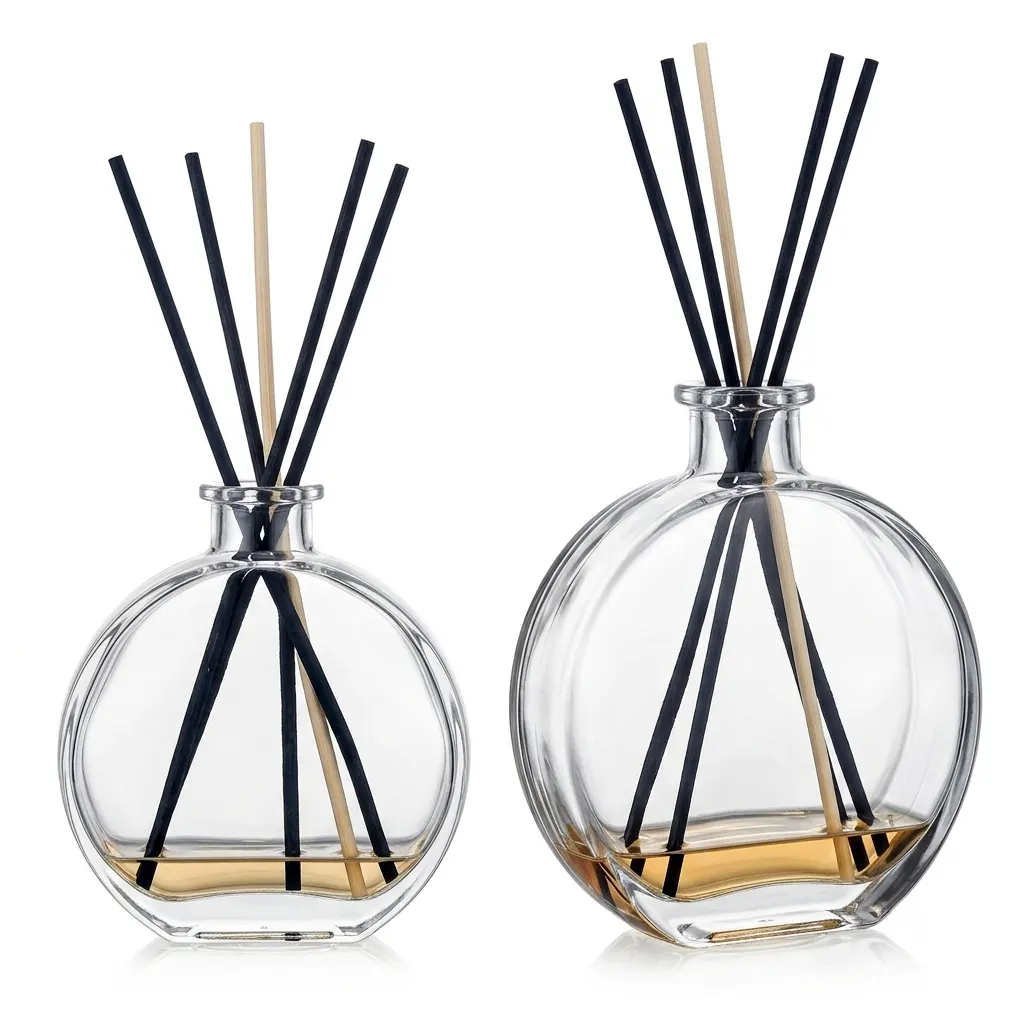
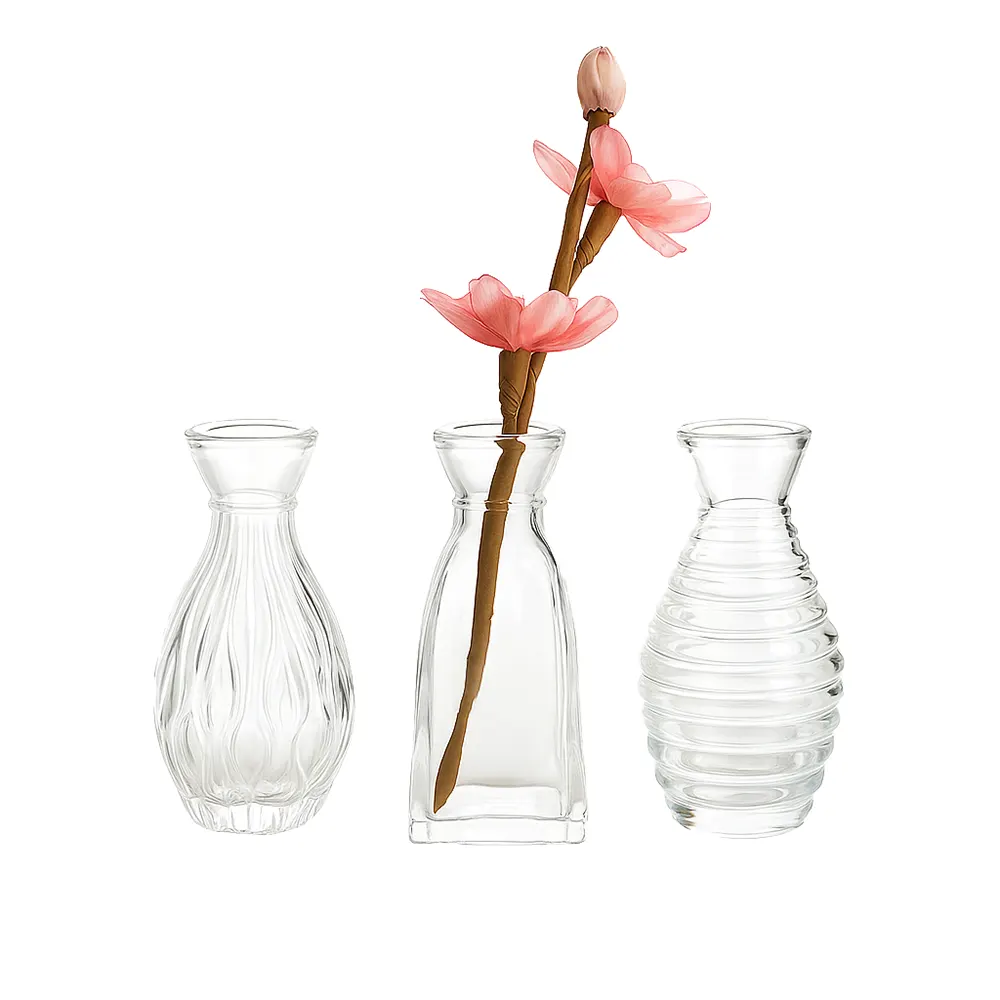
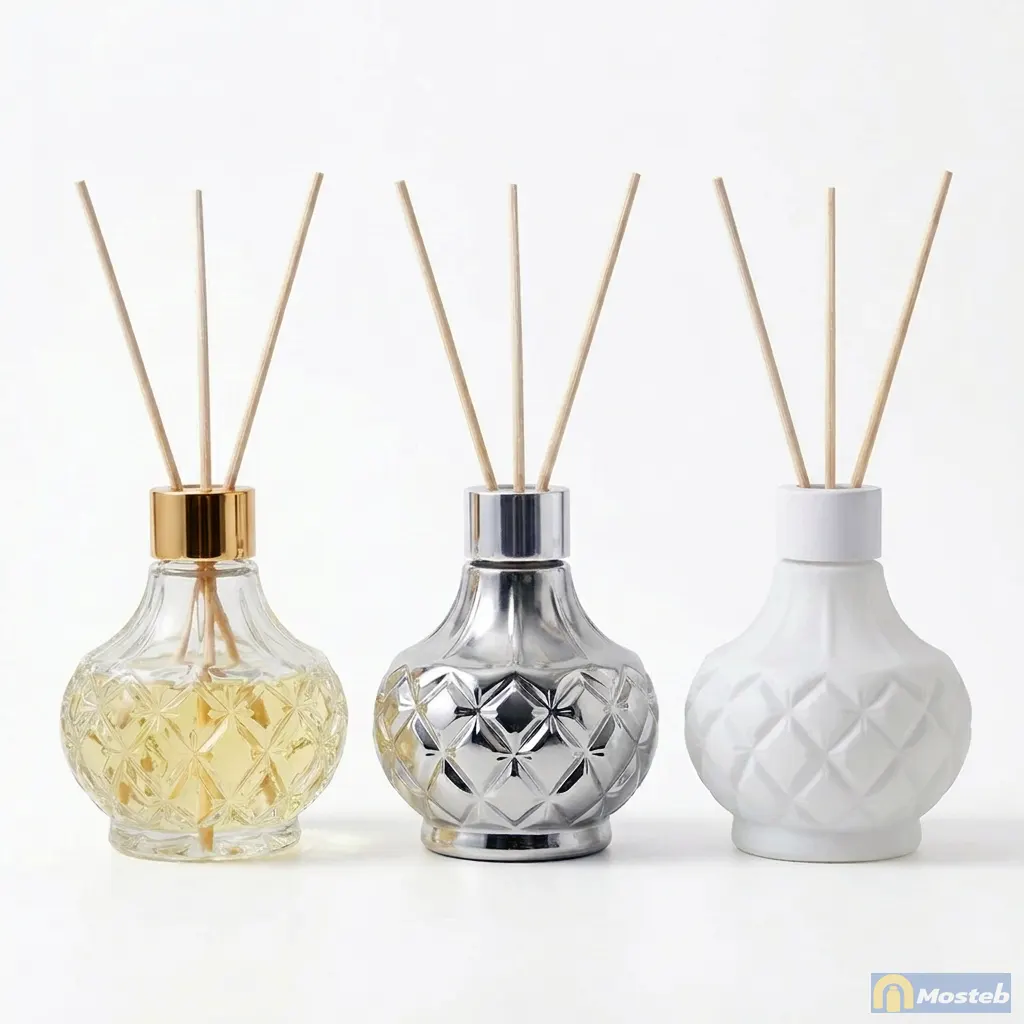
Glass vases are available in forms. These are three different types of vases that may encounter different transport challenges: a tall round vase, an opening vase, and a sculpted decorative vase.
When designing custom packaging for a glass vase company, there are a few things they will consider:
- Support for tall, thin vases: These vases should be placed somewhere that holds them upright and will prevent them from falling over.
- Glass thickness: 2-3 different types of padding are required for various glass thicknesses and weights.
- Heavy base: This may cause issue during impacts.
- Care for narrow openings and fancy edges: Neck and edge design.
- Surface treatment: Painted, frosted, printed or textured surfaces might require separation to prevent any scratches.
For instance, an order of 1000 glass vases – each 30 cm tall and 12 cm wide. A packaging supplier is not simply to choose a box that is just larger than the product. They should determine how much room to allow for padding and how strong the box should be.
The package must be made to fit around the vase, not a size.
How Glass Vase Companies Choose Protective Packaging Materials
The selection of materials is a compromise between protection, cost, weight, storage space and environmental considerations.
However, not all the cheapest material is not the option. The breakage of a low cost insert could mean that the expense of replacement and resending items may exceed the savings.
The common materials for glass vases packaging are:
| Packaging Material | Main Advantages | Potential Limitations | Geschikte toepassingen |
|---|---|---|---|
| EPE foam | Lightweight, shock absorption, customizable | More difficult to recycle in some markets | Premium and fragile vases |
| Molded pulp | Shape-specific support, paper-based | Requires suitable mold development | Standard vase shapes |
| Bubble wrap | Flexible and easy to use | Labor-intensive, less precise positioning | Small-batch orders |
| Corrugated cardboard inserts | Lightweight, stackable, economical | Limited cushioning without proper design | Wholesale cartons |
| Honeycomb paper | Lightweight, cushioning and separation | Performance depends on structure | Multi-piece packaging |
| EPS foam | Good cushioning and lightweight | Environmental and disposal concerns | Selected industrial shipments |
There is no best material. It will depend on the shape of the vase, the number of vases being transported and the distance they must travel. The packaging requirements of the buyers.
For instance, UPS packaging guidelines describe how packing materials like padding, cardboard liners and box-in-box establish safeguards for products.
Which Packaging Solution is The Best?
There are three packaging methods to consider:
Individual foam inserts
Each vase is supported by a custom foam. It’s good for objects that have a shape, a narrow neck and high value.
Inzetstukken van gevormde pulp
Molded pulp can be formed in the shape of a desired product. An alternative to foam. Real shipments should be tested for its ability to provide protection.
Corrugated dividers
When buying vases, cardboard dividers help keep them from coming into contact with each other directly. The design should also prevent movement when handling.
The important thing to remember is that the process of separation does not equate to the process of protecting. Vases could collide if there isn’t a divider. May not be sufficient to protect them from external forces.
Custom Glass Vase Packaging Design for Different Sales Channels
A packaging solution that can be implemented at a local store delivery may not be suitable for an international order.
When considering distribution, glass vase companies should consider the following three:
| Distribution Channel | Packaging Priority | Recommended Design Approach |
|---|---|---|
| Retail distribution | Product presentation and protection | Printed inner box with fitted inserts |
| E-commerce shipping | Individual impact protection | Double-wall carton and customized cushioning |
| Wholesale bulk shipping | Space efficiency and product separation | Multi-unit partitions and reinforced master cartons |
The appearance of the vase is important. Box, branded covers, labels or gift type packaging may be desired.
Decorative packaging should not take the place of the protective shipping structure.
One of the best designs is to have two-part design:
- Inner packaging: Keeps the vase safe and shows the brands identity.
- Outer packaging: Provides strength and protection during transport.
This will prevent brands from risking damage to the final box during transit and ensure they maintain their look.
Glass Vase Shipping Boxes Must Be Tested Before Mass Production
A packaging sample that is good looking on an inspection table in the factory is not necessarily ready for distribution.
Transportation is repeated handling, vibration, stacking pressure and changes in conditions. These factors can reveal the weaknesses that may not be so obvious from a visual inspection alone.
A packaging validation process should be created before approval of orders, to be performed by professional companies that deal with glass vases.
Testing methods include:
- For shock resistance, drop tests should be performed.
- Tests to verify movement on transport.
- Compression tests to determine the box’s ability to withstand stacking.
- Weather testing to determine the performance of the box.
The International Safe Transit Association (ISTA) has guidelines for safe transport packaging testing.
For example ISTA Procedure 3A tests products with a maximum of 70 kg and are delivered through parcel services. It has transport aspects such as shaking and dropping in.
ISTAs guidelines also provide an explanation of how test requirements vary according to delivery type.
FedEx offers suggestions for items to pack and to not move around with two boxes.
A Real Packaging Check Example
Suppose a vase company develops an insert, for a 30cm vase.
First test box appears to be in good condition. The mass of the vase is 1 cm and the vase will move approximately 1 cm when shaken.
This is an alarm bell indicating there is a problem.
The team should think about the space the shape of the insert and the padding take up, before approving the box right away. After this, a new sample can be tested in the transport case.
Instead of making the box stronger, the object is not. Before making boxes, it would be better if you first discovered the weak point of the packaging and then overcome the issue.
How Custom Packaging Affects Wholesale Purchasing Costs
The price of a glass vase will be directly affected by the packaging of a glass vase.
Consider ordering 1000 vases.
| Kostencomponent | Standard Packaging | Customized Packaging |
|---|---|---|
| Product cost per unit | $4.00 | $4.00 |
| Packaging cost per unit | $0.30 | $0.65 |
| Total packaging and product cost | $4,300 | $4,650 |
| Packaging design/tooling fee | $0 | $200 |
| Total initial order cost | $4,300 | $4,850 |
De impact van maatwerk op kosten en levertijd
The customized solution adds five hundred fifty dollars to the order, which is the same as fifty‑five cents for each unit.
Does that imply that standard packaging is the one for them?
Not necessarily.
When the custom solution decreases the number of breakage incidents, the cost will be paid off through decreased claims and customer complaints.
I think it is better to sum the total landed cost as compared to just the cost of the package for buyers who are thinking about glass vase companies.
The following elements should be used for a proper comparison:
- Unit packaging cost.
- Cost of moulds or tooling.
- Carton. Shipping weight.
- Container loading efficiency.
- Expected product. Replacement expenses.
- Extra labour needed for packing.
I think the buyers should ask if they can fit into several different vase designs. The standard package would be adequate to fit the vase models, which would reduce the procurement costs in the short- and long-term.
What Wholesale Buyers Should Ask Glass Vase Companies
I have heard discussions about packaging that are more about artwork, the colour, printing etc. These details matter. The engineering and production side should be investigated first by the professional buyers.
During ordering please inquire with the supplier:
- You can make packages from our sizes of vases?
- What kind of cushions do you have?
- Have any ideas at all on how to put inserts in oddly-shaped vases?
- Have you done drop or vibration tests?
- Will packaging work with our method of shipment?
- What is the smallest possible number of cartons and inserts?
- Do samples of packaging exist prior to mass production?
- Have pictures of completed packing job?
A reliable supplier must be able to describe the structure of the packaging, the materials used and the sampling and quality inspection process.
Labels like ” packaging” or ” safe delivery” are no good, if the specifications can’t be measured.
Veelgestelde vragen
What are the type of packages that glass vase manufacturers use to send their products overseas?
They typically include product wrapping, tailored inserts, corrugated cartons and (if needed) double box packing. The final shape is dependent on the size of the vase, fragility, the weight of the vase, and how the vase will be transported.
Which is the most suitable material for packing the glass vases?
They can be EPE foam, molded pulp, bubble wrap, corrugated cardboard and honeycomb paper. The material selection will depend on the shape, protection requirements, cost and ecological considerations of the vases.
Do custom glass vase packaging solutions cost more?
I have seen that usually customized inserts and printed cartons have initial costs than standard packaging. At least, they can minimize the loss of products. Develop standard pack for wholesale sale.
Double Boxing of glass vases is recommended?
If you are sending products to customers in parcels (long distance transport in particular), double-boxing should be taken into account. This inner box will be padded and the outer box will be the added protection.
Can glass vase companies provide eco-friendly packaging?
Yes. Depending on product requirements suppliers can explore molded pulp, recycled‑content corrugated cardboard and paper‑based protective structures. In the destination market material suitability and the existing recycling possibilities should be verified.
Which information do customers need to give to ask for custom packaging?
Please fill out the following: Vase size, Weight of product, Photo or drawing of product, Order Quantity, Shipping address, Shipping method, Branding specifications and Preferred product packaging materials.
Choosing a Glass Vase Company That Understands Packaging
Custom packaging should be taken as a part of the order and not a finishing touch.
The supplier needs to be familiar with three things at the time when considering importers, private label brands and wholesalers: the physical characteristics of the vase; the requirements imposed by the transportation process; and the commercial requirements imposed by the importer/buyer.
It is crucial to verify the specifications of the materials and define material inspection conditions before ordering samples of packaging materials.
I’d suggest choose a glass vase business that is knowledgeable about Packaging. In need of a glass vase company for your wholesale or customized project? Talk about the size of your vase, what you need to be packaged, branding requirements, etc. Qualified supplier – expected number of items purchased. A good packaged solution can help to ensure the landed cost of inventory control. Provide a more uniform treatment, to your customers.