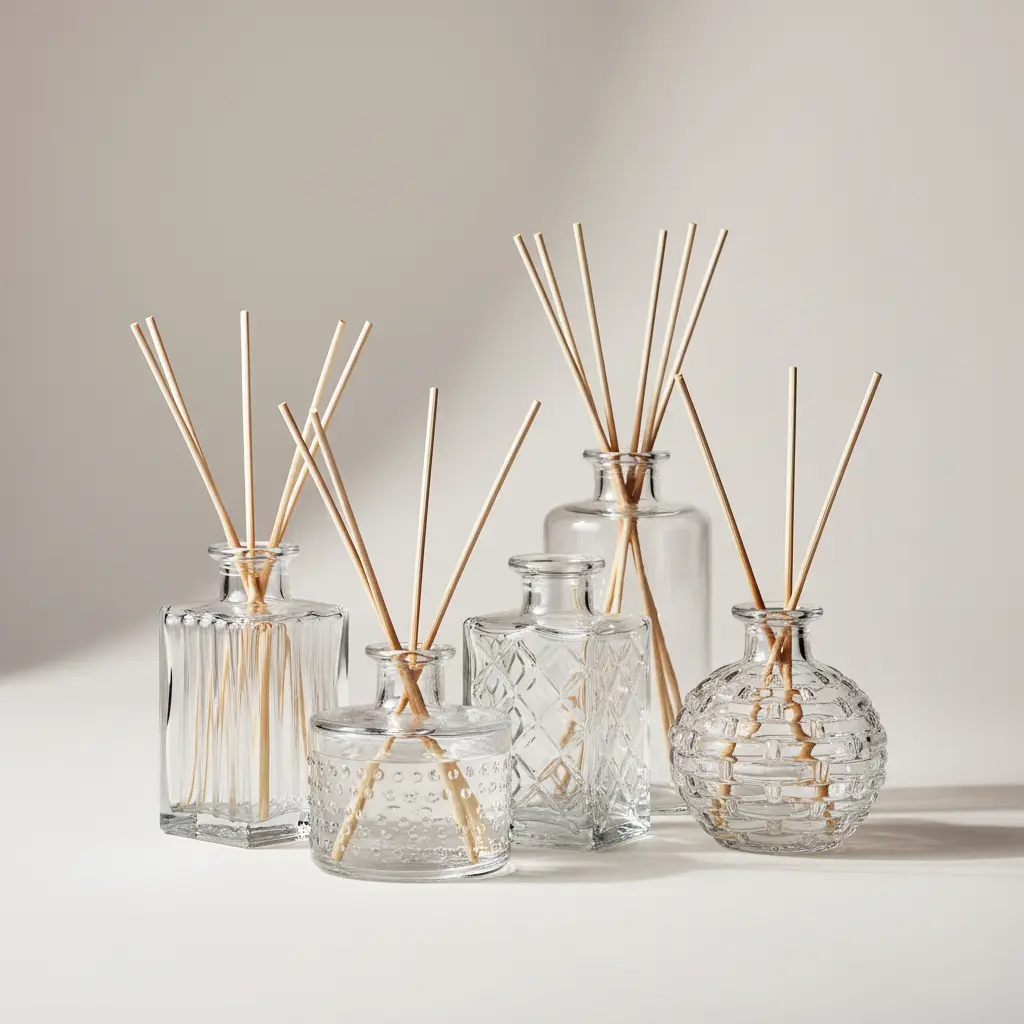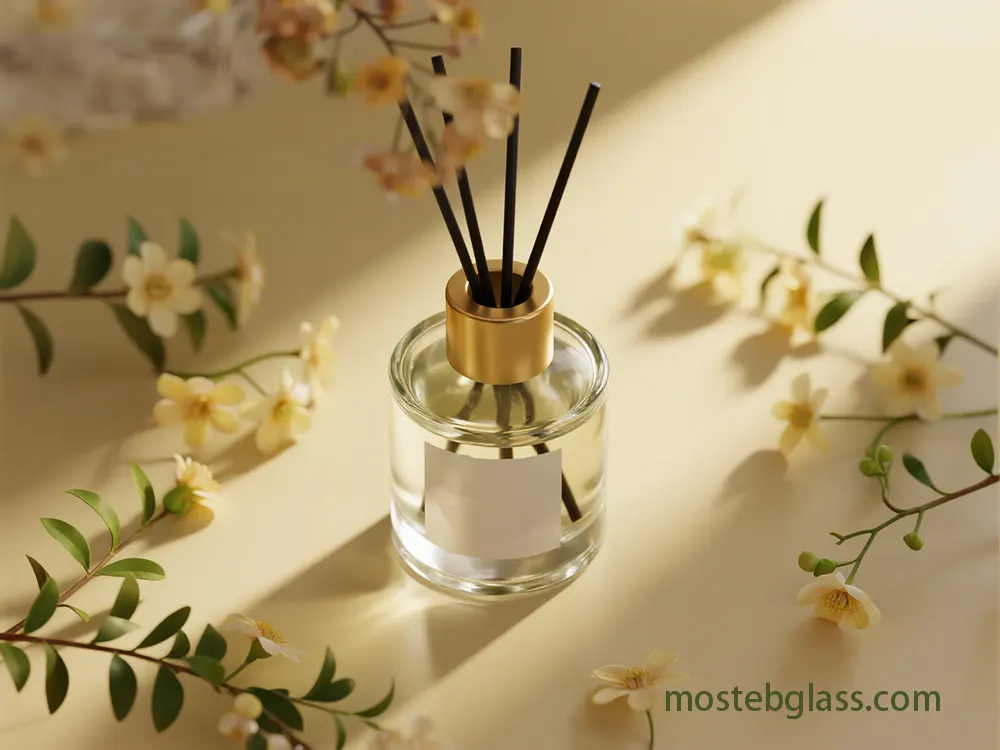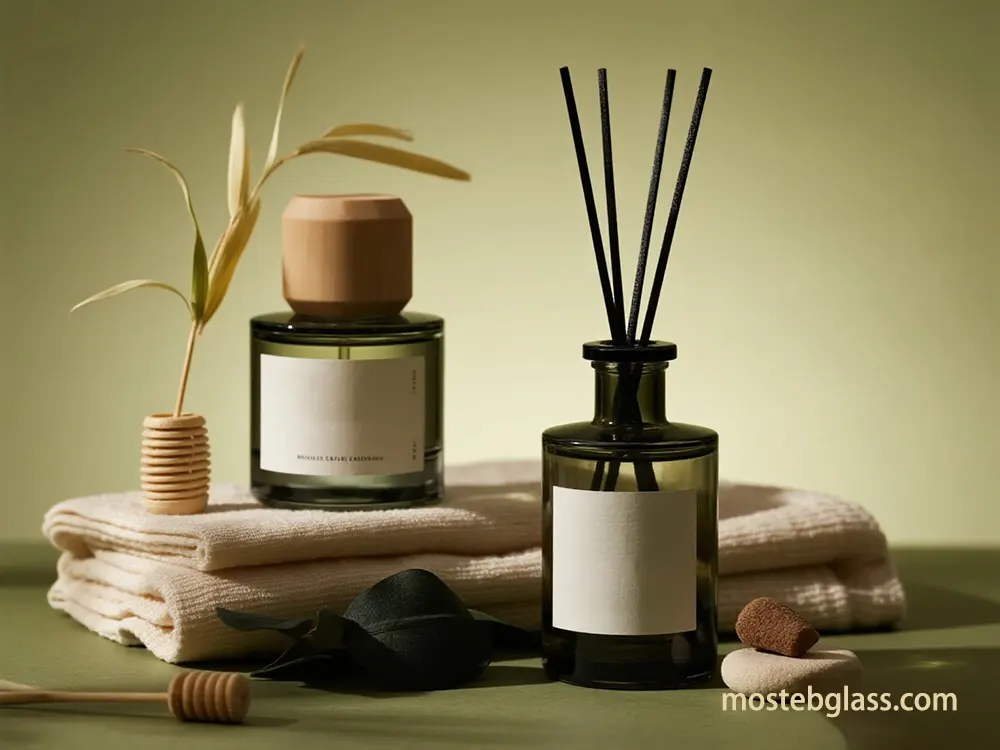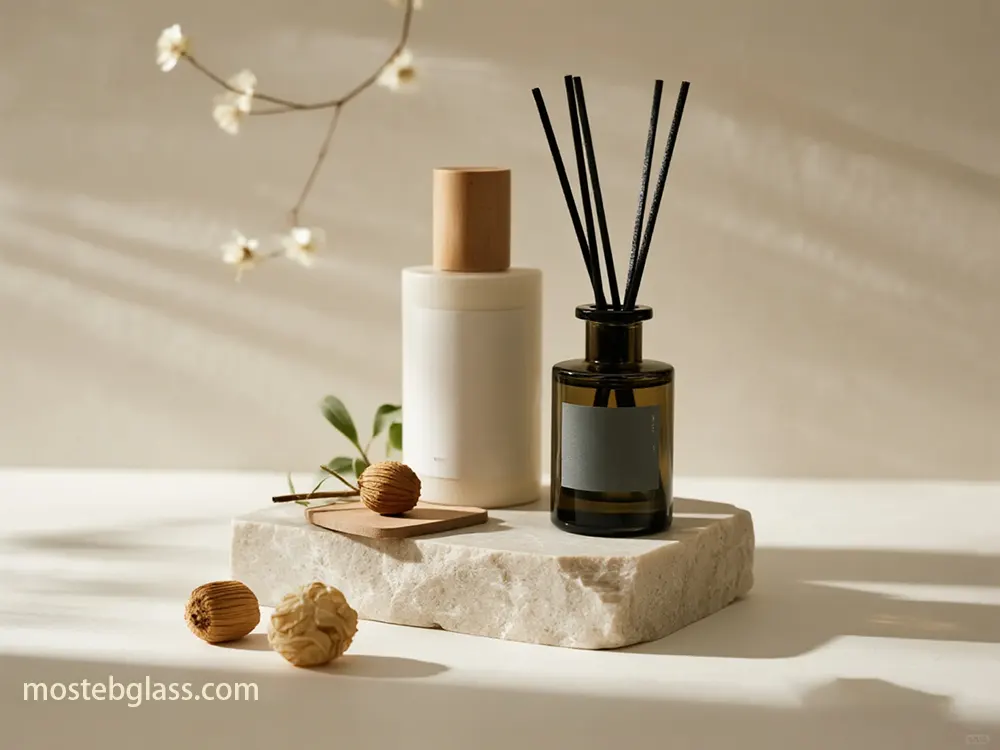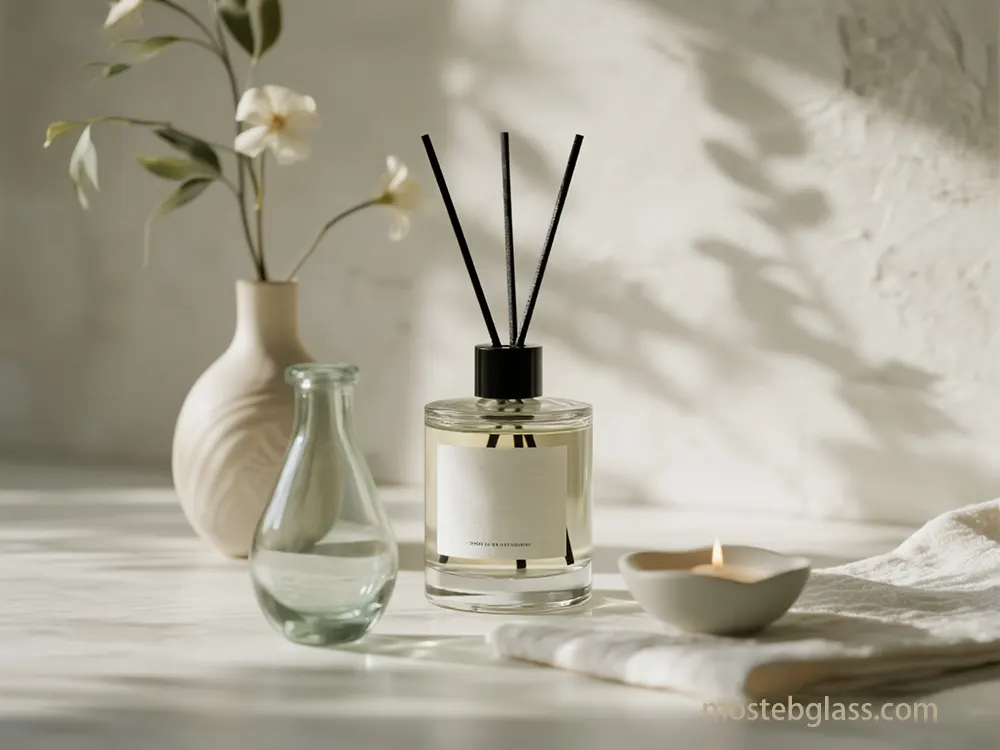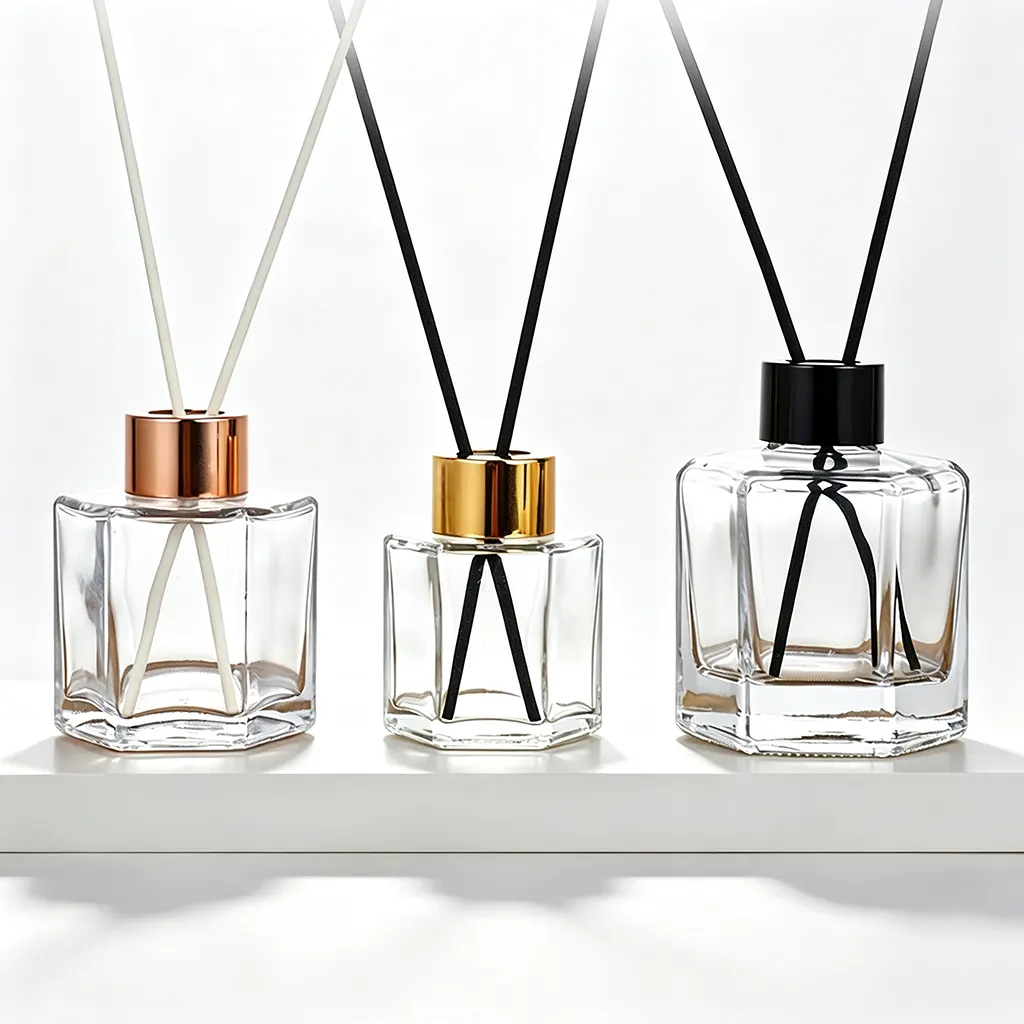
Ошибки при разработке оснастки для стеклянных диффузорных бутылок на заказ могут обходиться крайне дорого. Один клиент потратил 8000 долларов на дорогую пресс-форму, только чтобы обнаружить, что горлышко не соответствует размеру стандартных тростниковых палочек. Производство было приостановлено, а переоснастка привела к многомесячным задержкам. Подобные проблемы возникают гораздо чаще, чем хотелось бы думать поставщикам.
По своей сути, изготовленные на заказ стеклянные флаконы-диффузоры Инструментарий дизайна — это ключевой элемент любой эффективной стратегии брендинга. Если вы допустите ошибку, весь процесс запуска остановится. Если вы всё сделаете правильно, конкурентам будет сложно повторить ваши успехи.
Реалии инструментария
Это было непросто принять: реалии оснастки. За стандартный комплект пресс-форм для серийного производства можно ожидать затрат в размере от 1500 до 7000 долларов, а за более сложные формы — еще больше. Типичный срок выполнения заказа составляет 90-150 дней с момента утверждения проекта до первой поставки.
Эти цифры соответствуют информации, полученной в настоящее время от поставщиков заводов, занимающихся упаковкой эфирных масел. Однако существует одна суровая реальность, касающаяся небольших партий, которую большинство производителей не признают с самого начала: небольшие партии снижают рентабельность. Если у вас менее 10 000–20 000 единиц, вам придется платить гораздо больше за флакон.
Я видел, как бренды очень умно адаптируют свои маркетинговые стратегии. Возьмем, к примеру, сотрудничество Unilever и Serioplast. Они использовали 3D-печатные формы для опытных запусков, что позволило им сократить затраты на оснастку на целых 90% и значительно сократить сроки выполнения заказов. Использовались те же материалы, что и в реальном производстве, реалистичные предсерийные детали. Не полномасштабное производство, но идеально подходит для тестирования. флакон-диффузор идея.
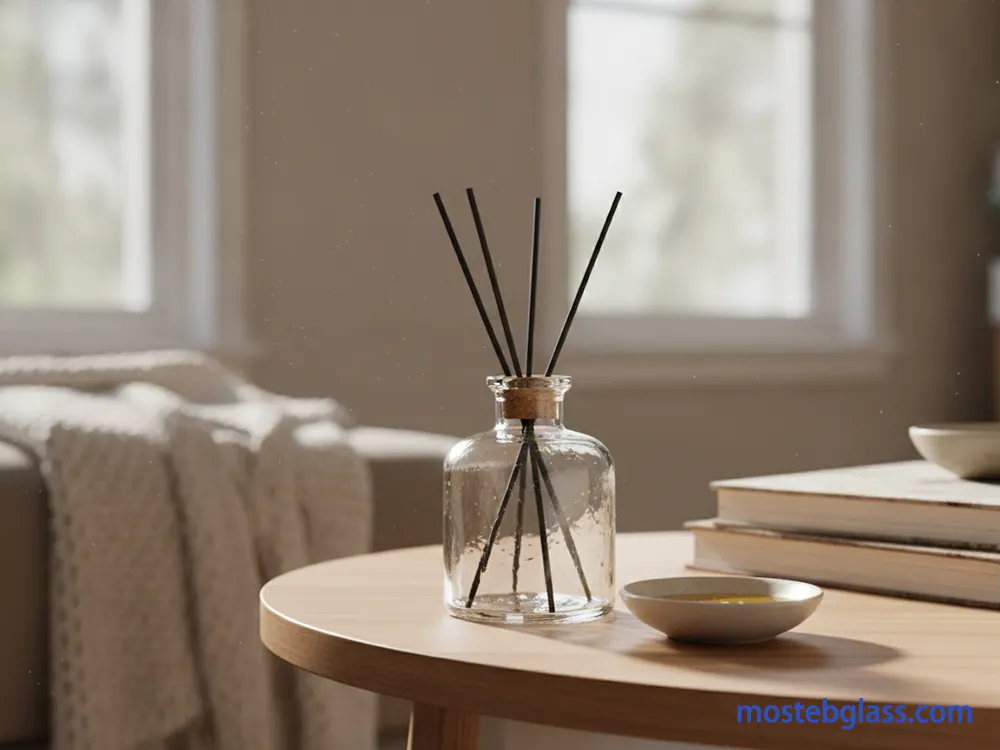
Рекомендации по применению графических материалов
Художественное оформление имеет решающее значение. Матирование, тиснение, распыление краски или шелкография — все это влияет на совместимость с эфирными маслами и долговечность изделия.
Рекомендации имеют значение. Для обеспечения равномерности матирования избегайте тонких стенок толщиной менее 2,5 мм. На начальном этапе точно указывайте цвета Pantone, так как различия в цвете стекла могут повлиять на единообразие бренда. Протестируйте все с использованием ваших конкретных формул масел.
Проблемы интеграции упаковки
В большинстве проектов терпит неудачу интеграция упаковки. Если тростниковая палочка, ободок, подарочная коробка и этикетка не работают вместе в идеальной гармонии, то ваша красивая бутылка, изготовленная на заказ, бесполезна.
Несовпадение диаметра горлышка бутылки может вызвать проблемы на сборочной линии. Несовместимость с коробками приводит к увеличению повреждений при транспортировке и возвратам. Заранее продумайте процесс сборки. Предоставьте технические иллюстрации, включая спецификации по диаметру горлышка бутылки (GPI), допуски на вставку в коробку и расположение этикеток.
Я видел успешные проекты, если покупатель воспринимал бутылку, трости и внешнюю упаковку как единое целое, как инженерную систему, а не как три отдельных предмета, купленных по отдельности.
Сравнение стоимости и сроков
Вот практическая сравнительная таблица, основанная на реальных рыночных условиях:
| Аспект | Бутылки с бульоном | Подход, основанный на разработке индивидуальных инструментов | Влияние на покупателей B2B |
| Стоимость оснастки | $0 | 1500–7000 долларов США и более | Первоначальные инвестиции против долгосрочных сбережений |
| Время выполнения | 2-4 недели | 90-150 дней | Более быстрый выход на рынок против уникального дизайна |
| Минимальный объем заказа | 1,000-5,000 | 10,000-50,000+ | Гибкость против экономии за счет масштаба |
| Дифференциация дизайна | Ограниченный | Высокий уровень (уникальные формы, отделка) | Потенциал премиального ценообразования бренда |
| Варианты оформления | Базовая шелкография | Полное тиснение + многослойное декорирование | Более сильное впечатление от товара на полке и повышение лояльности клиентов. |
Данные получены от различных мировых и китайских поставщиков стекла, работающих на рынке диффузоров и эфирных масел.
Рынок стеклянной упаковки в целом продолжает расти. Недавно его объем оценивался примерно в 78-80 миллиардов долларов США, демонстрируя стабильный рост на уровне около 4,5% в год. Бренды конкурируют за восприятие премиум-класса: стекло ассоциируется с премиум-классом, и это отражается на сознании потребителей, особенно когда речь идет о товарах для здоровья, таких как тростниковые диффузоры.
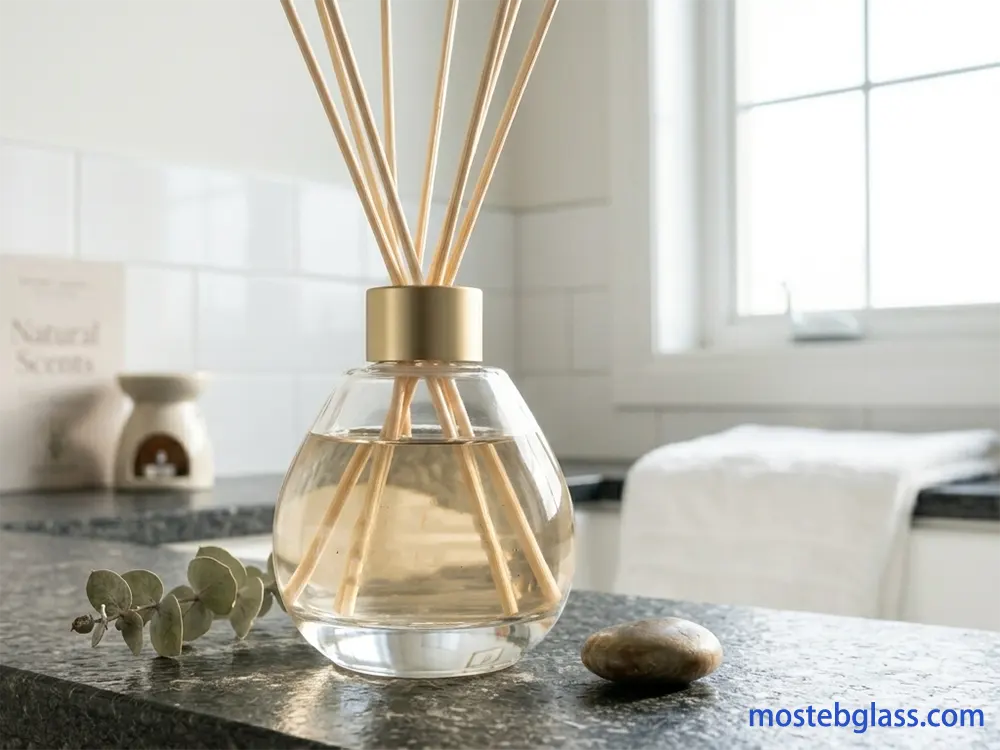
Почему это важно для вашего бизнеса
Интеграция требует дисциплины. Ошибки в разработке оснастки для стеклянных диффузорных бутылок приводят к значительным задержкам и перерасходу средств.
Умные покупатели предусматривают резервы и проводят тестирование с помощью прототипов.
Часто задаваемые вопросы
Что представляет собой оснастка для изготовления стеклянных флаконов-диффузоров на заказ?
Разработка оснастки для изготовления стеклянных диффузоров на заказ включает в себя создание специальных металлических форм, которые можно использовать для производства бутылок особой формы, объема и с различными вариантами горлышка в больших количествах. Стоимость таких изделий обычно составляет от 1500 до 7000 долларов, а срок выполнения заказа — от 90 до 150 дней. Это дает брендам возможность создавать уникальные дизайны на своих бутылках, которые невозможно воспроизвести с помощью стандартных бутылок, а также гарантировать правильную подгонку трости и рисунка.
Как контролировать затраты на оснастку для изготовления флаконов-диффузоров на заказ?
Перед тем как приступать к изготовлению полноценных пресс-форм, проведите 3D-прототипирование (200-500 долларов). Подумайте о пресс-формах, которые можно адаптировать из имеющейся библиотеки, чтобы снизить стоимость на 30-50%. При объемах производства свыше 20 000 единиц, закрепите этот объем; затраты будут оправданы. Обязательно запросите подробную смету с указанием стоимости и цен на пресс-формы.
Какие требования к оформлению обеспечивают долговечность стеклянных флаконов для ароматизаторов?
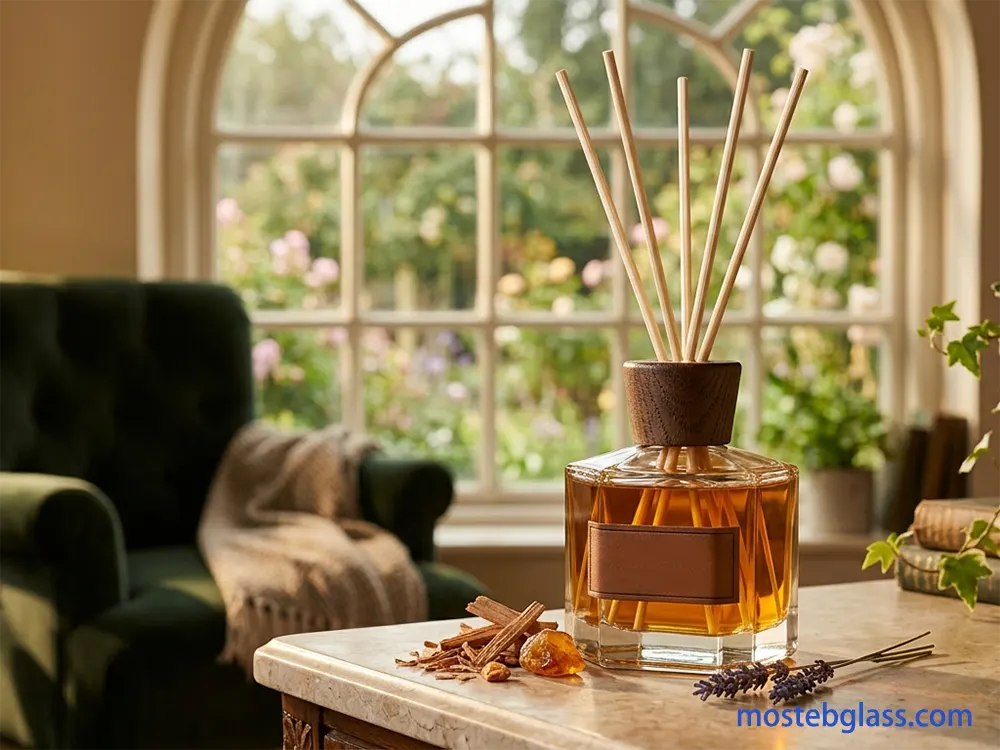
Укажите толщину матирования, отсутствие острых краев, которые могут треснуть при отжиге, и проведите тест на совместимость чернил и эмали с вашими формулами эфирных масел. Используйте векторные файлы с точной маркировкой. Тиснение идеально подходит для логотипов, поскольку оно более устойчиво к воздействию, чем поверхностная печать.
Почему интеграция упаковки так важна в проектах, реализуемых на заказ?
Из-за несоответствия деталей, количество дефектов увеличивается, а товары повреждаются во время транспортировки. Бесшовная интеграция на этапе проектирования помогает предотвратить проблемы с выравниванием бутылок, колпачков, тростинок и подарочных коробок, что способствует сохранению вашей прибыли и репутации бренда.
Этот проект призван положить конец методу проб и ошибок и подготовить вас к созданию полноценных масштабируемых линий диффузоров. Выразите свои текущие требования к проектированию / желаемую производительность. Я буду рекомендовать поставщиков, которые выполняют свои обещания, а не просто красиво выглядят в каталогах. Оставьте комментарий или свяжитесь с нами — ваш следующий заказ принесет прибыль с самого начала.