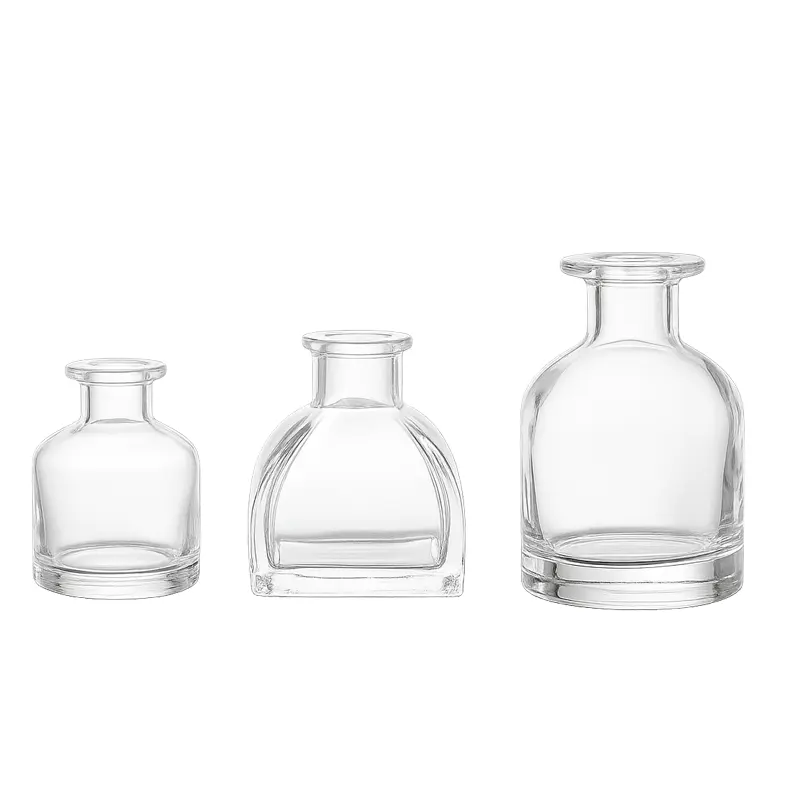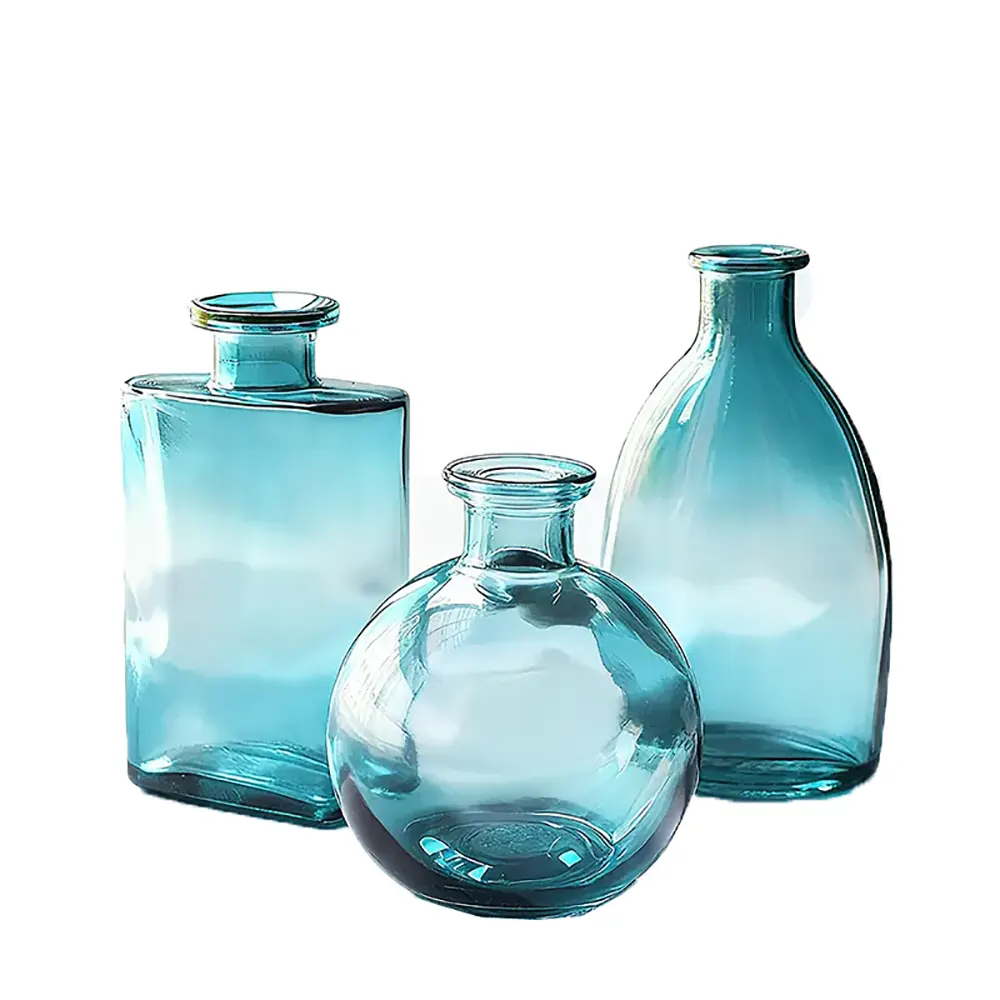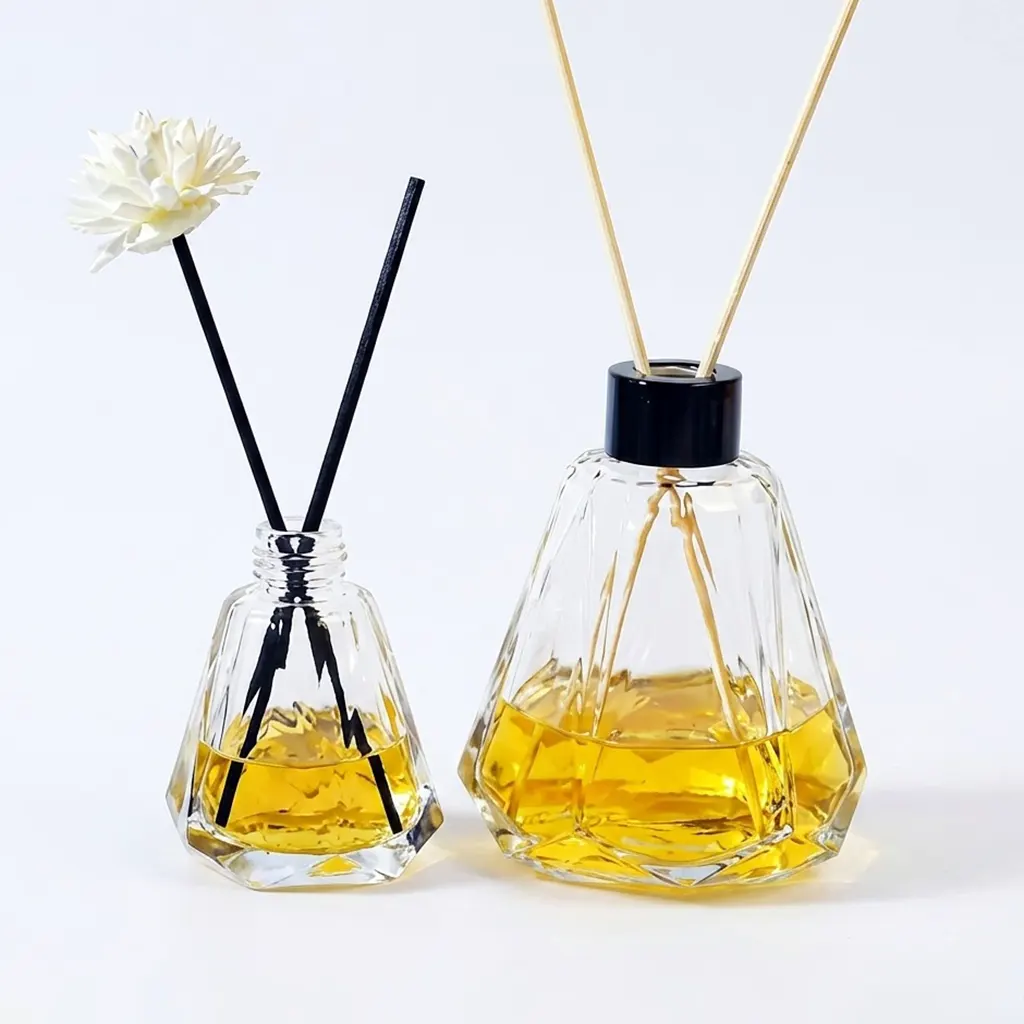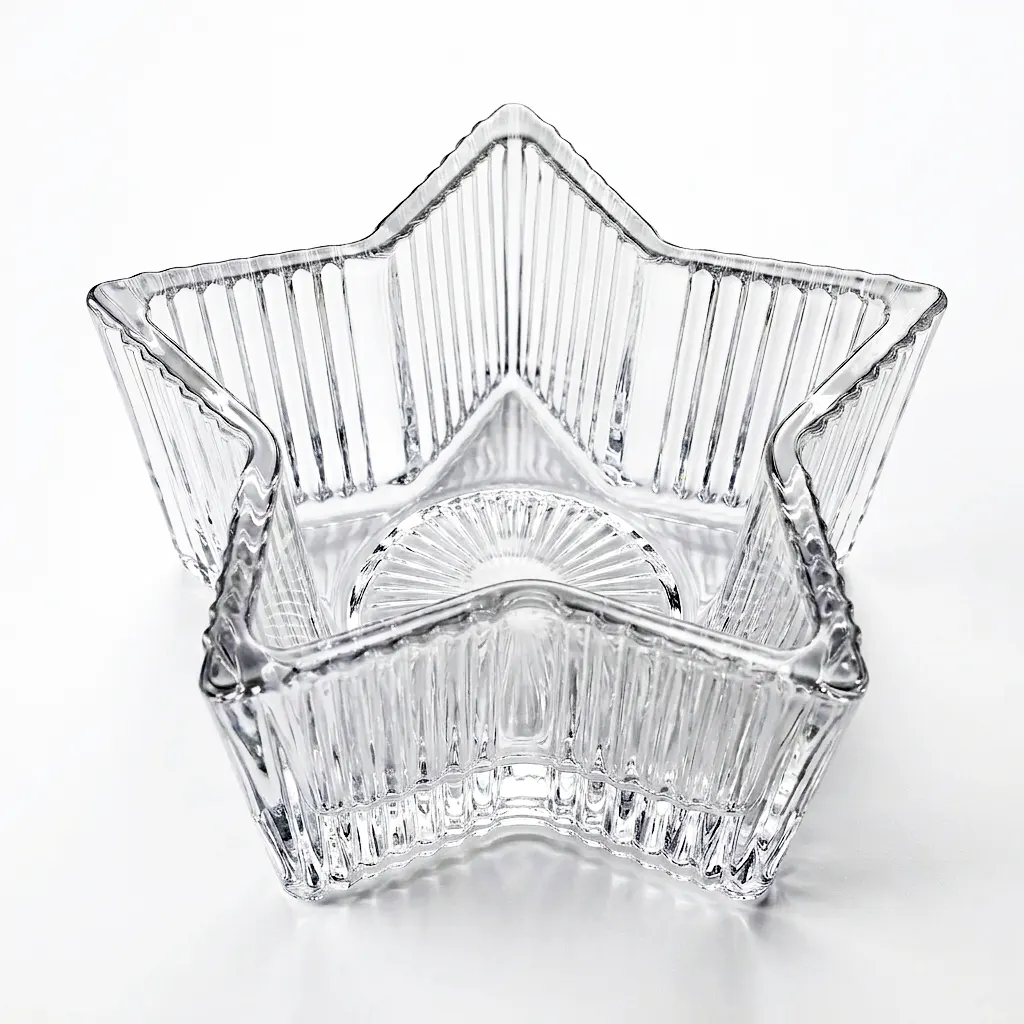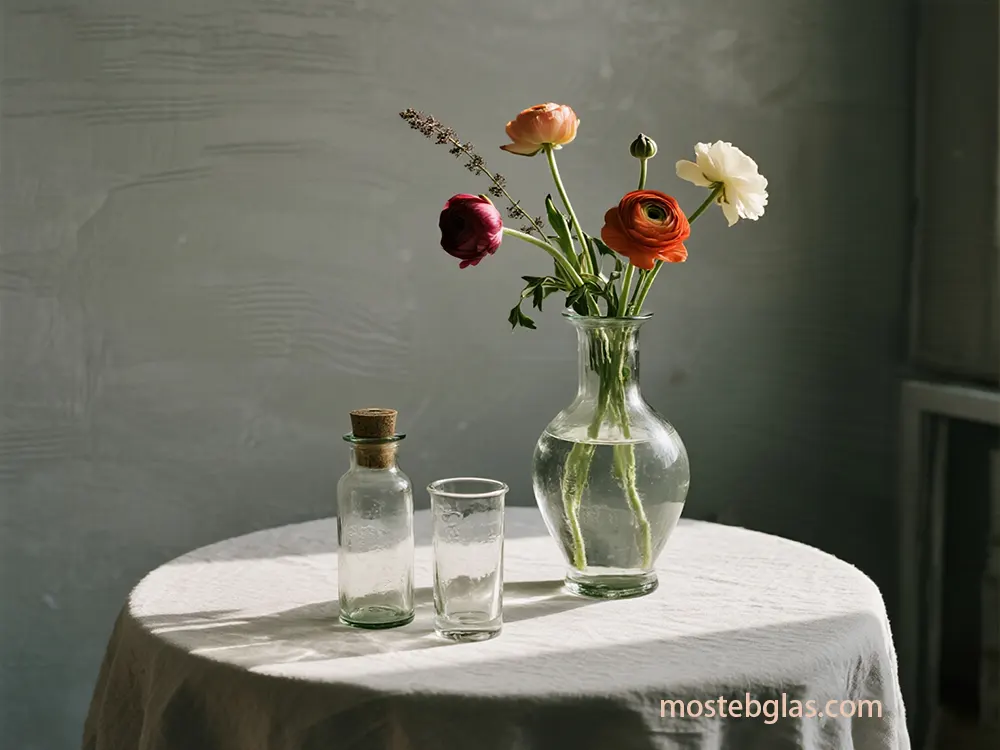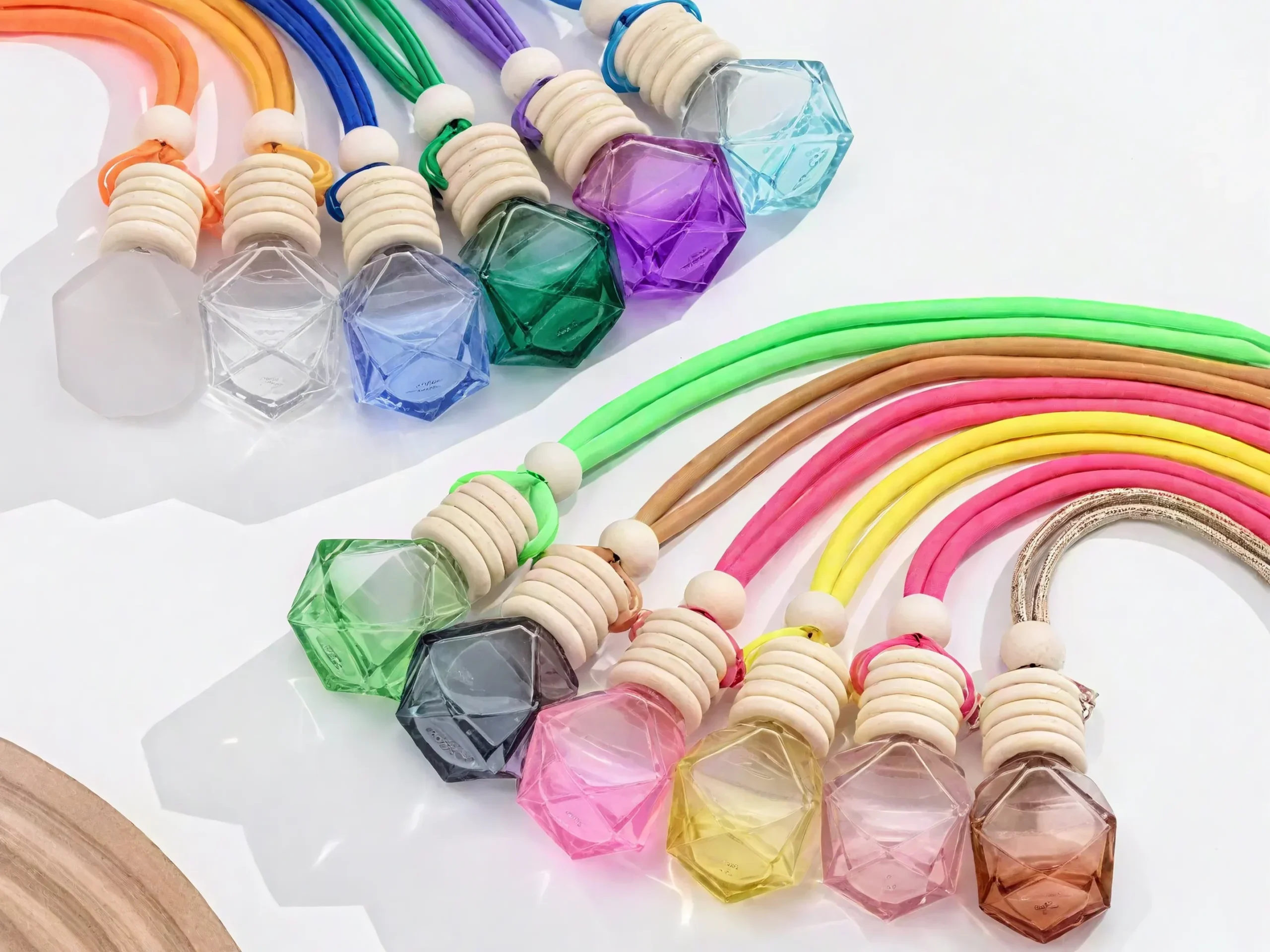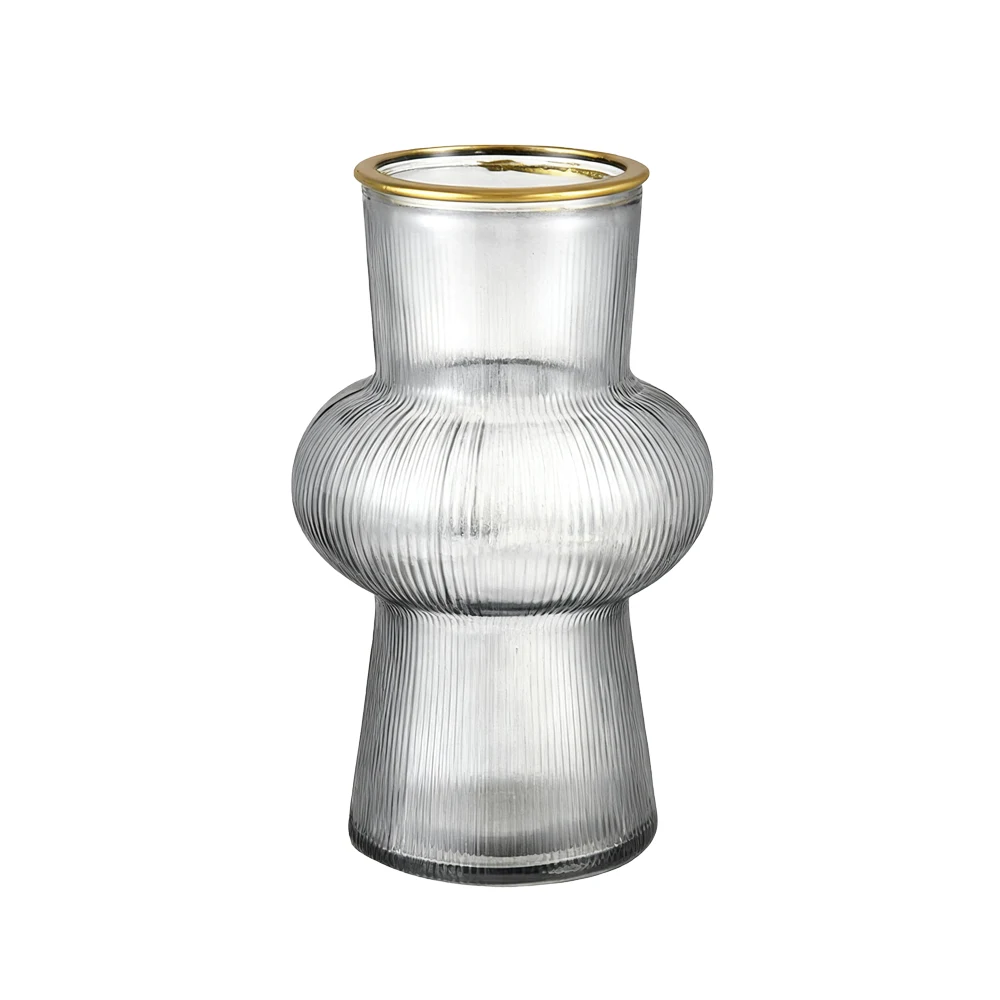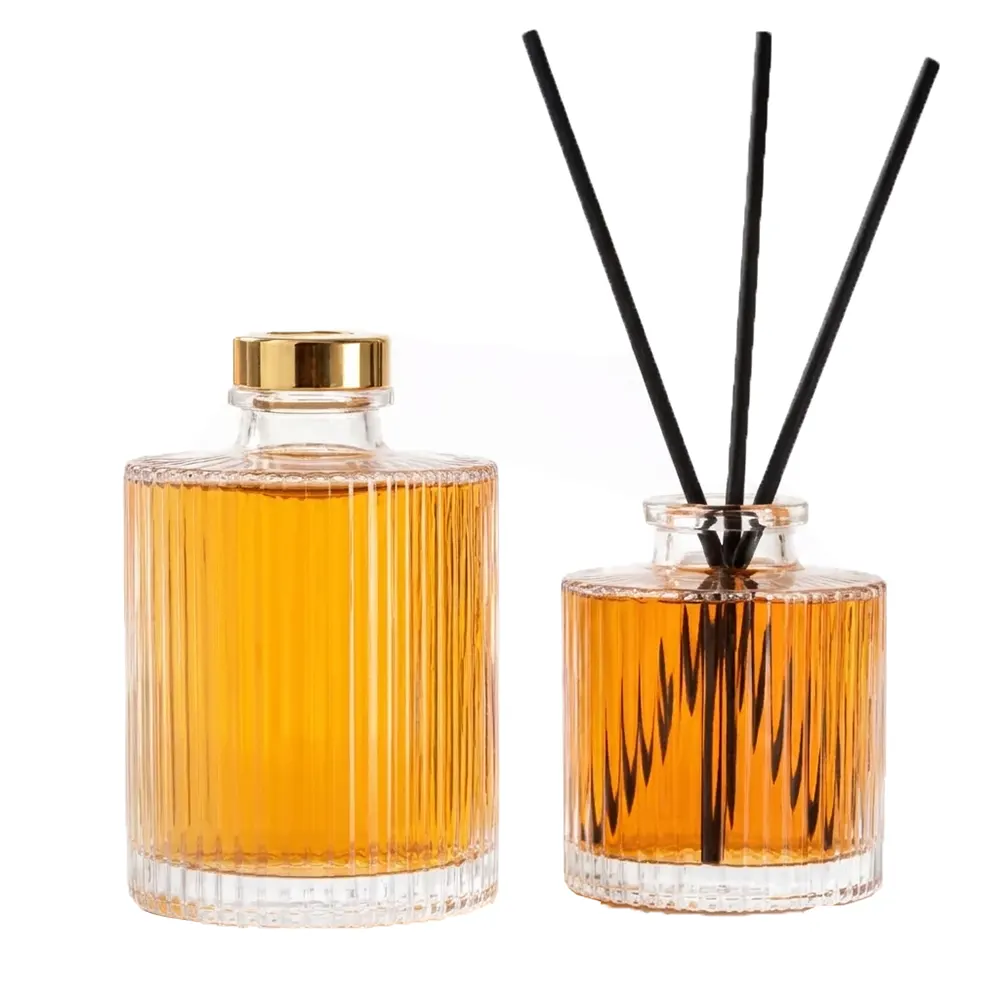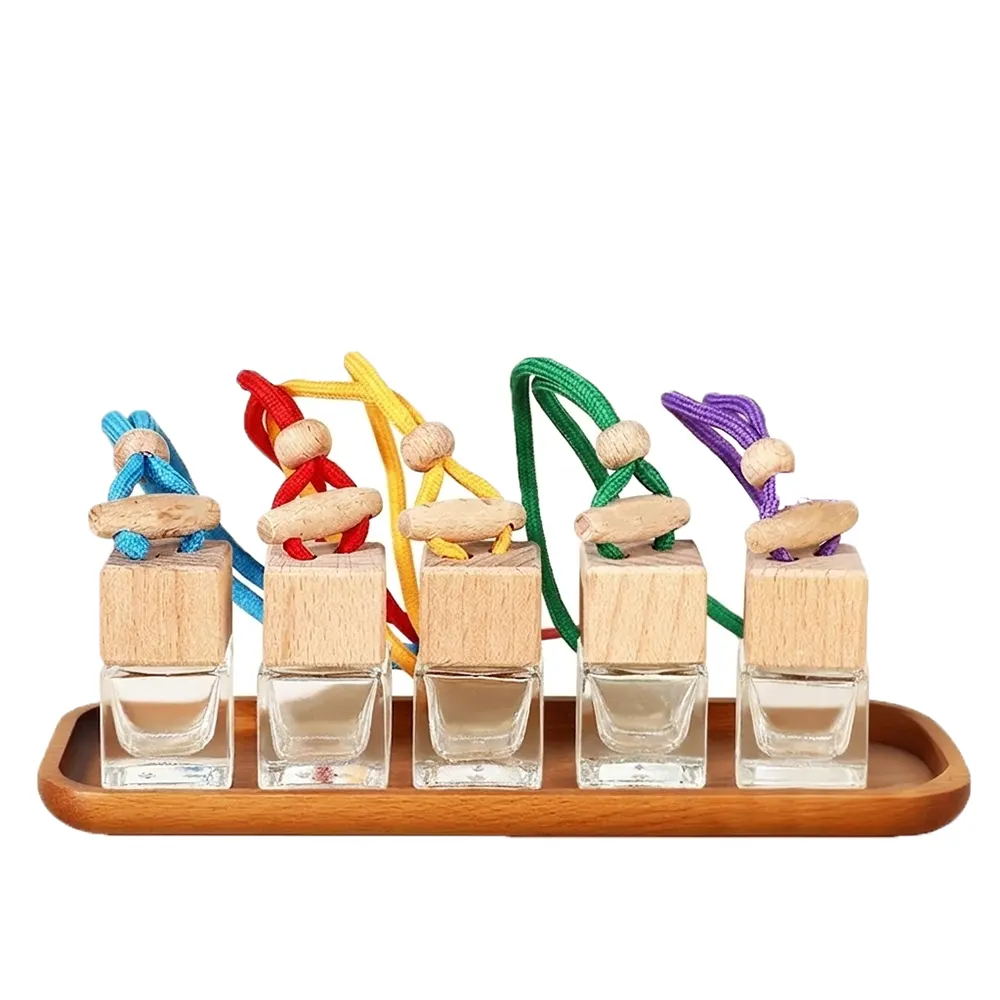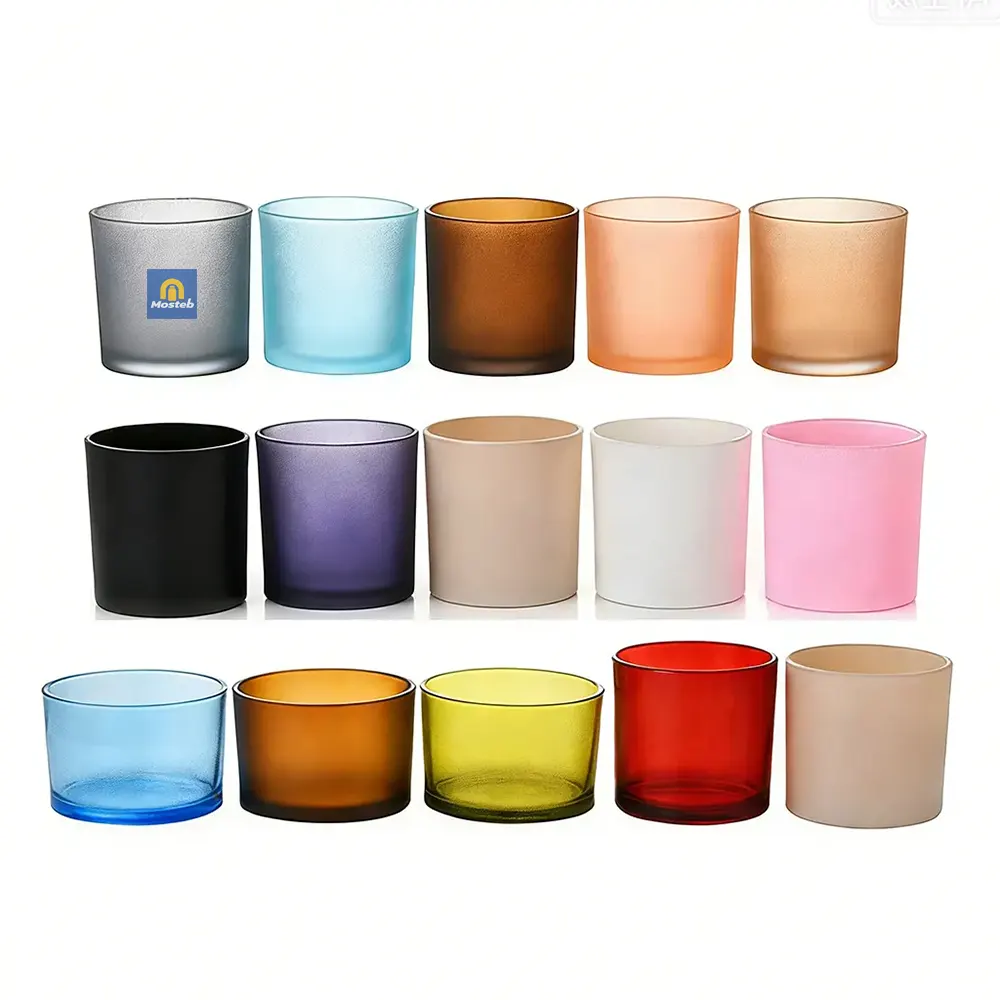
Vintage glass ornaments can enhance a product or retail space more than as a decorative element. Brands in home fragrance, seasonal décor, gifting, hospitality, and premium retail can develop a stronger brand identity with vintage-inspired glass and provide a real sense of connection to a brand story. Whether it’s a traditional shape, an aged appearance, custom colours, decorative elements, or branded packaging, the perfect vintage glass ornament can elevate a decorative piece to become an integral part of the overall brand experience.
If brands are thinking about producing their own glass items, they need to go beyond creating a vintage look. The design should be a balance of the old and the new, as well as consistency, durability, packaging and scalability of manufacture. This guide will cover how a brand can incorporate vintage glass ornament designs to tell their story and how a custom glass manufacturing service can turn a concept into a marketable product.
1. Defining Vintage Glass Ornaments for Brand Storytelling
To effectively advantage of vintage glass ornament for brand storytelling, it is important to establish a clear understanding of their distinctive characteristics, including the era, origin, style, and status. These elements collectively contribute to their authenticity and narrative ability.
1.1. Materials and Craftsmanship: The Essence of Authenticity
Material and construction techniques are fundamental to define vintage glass ornament. The blown glass is a fundamental technique, often included in the molding melted glass, resulting in a unique, slightly odd shape that talks with personal craftsmanship.
Caps or toppers also serve as a historical marker. Early European ornament shows narrow neck and small metal cap, which are sometimes sealing with their native country.
1.2. Distinctive Styles and Forms
Vintage glass ornament come in a variety of iconic styles, each with their story:
- Figural Ornaments: These eccentric figures are popular in both fruits, nuts, animals (eg, birds or fish with glass tails), both saints, houses and bells, homes, German and later in American production.
- Indent/Reflector Ornaments: Characterized by an incoming indentation, often silver to create a polymorphic reflective effect, these were particularly popular in the 1950s. The 1930s German reflectors Indent can also facilitate an interior glass ball.
- Other Shapes: Simple balls, tears, bells, pyramids, lanterns, and diamond sizes were common across various eras and manufacturers.
- Dresden Ornaments: While not glass, these highly colored embossed cardboard ornaments from Victorian Germany, often in the shape of animals, are valuable due to rareness in their age and good condition.
1.3. The Value of Patina and Condition
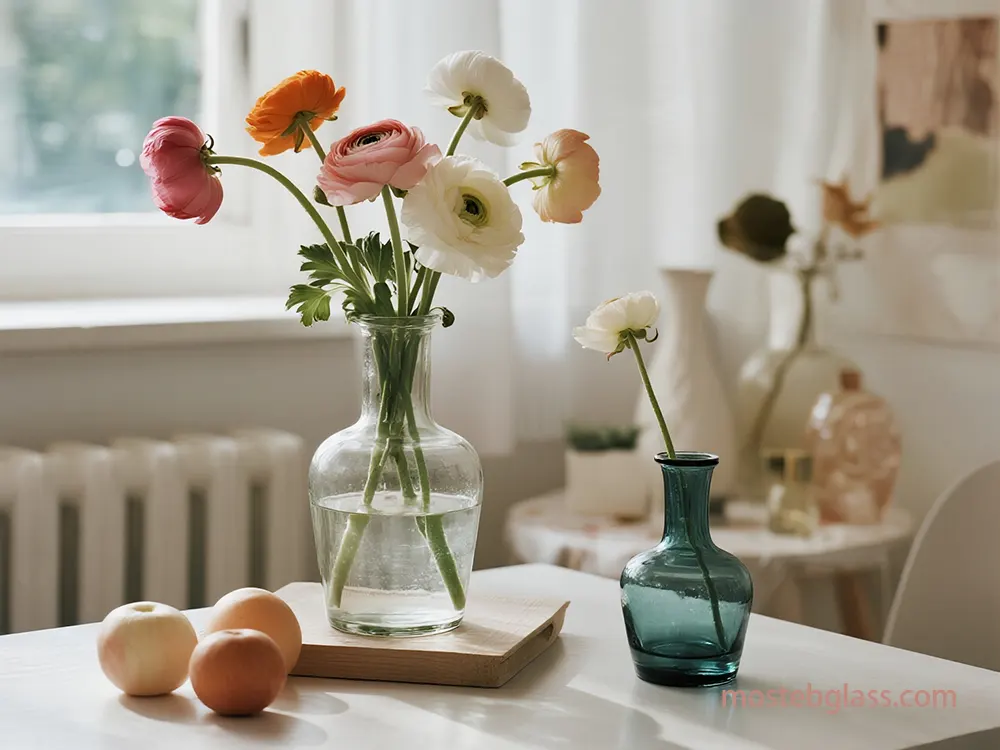
For brand storytelling, a vintage glass ornament, including its patina, is an important element. Petina has referred to natural wear that comes with age – mercury glass, metal dullness, or to wear minor paint. Away from flaws, these “flaws” are important indicators of authenticity, which separate real older pieces from modern reproduction. They tell a story of time, use and nurtured memories, contributing to the unique character and story of the item. While the overall position still affects the monetary value, the presence of authentic Petina can be a powerful positive feature in brand messaging, with better preserved pieces that take over high prices, suggests a rich history and a life to live well.
2. The Intrinsic Narrative Power of Vintage Glass
Vintage glass ornament has an underlying narrative power, which serves as a tangible link for craftsmanship, cultural changes and the past of personal history. This “object biography” is a powerful tool for brand storytelling, which allows for the subtle communication of the story through the underlying design, age and historical context.
2.1. Design Cues as Historical Narrators
The internal visual indications of vintage glass ornament subtle their age and origin. For example, the early glass of Germany of the 1840s used to show basic shapes such as baubles and iebs. Older mercury glass ornament usually displays soft, faded pastel colors or silver, and can show flaws with their handmade craftsmanship, unlike uniform modern reproduction. Cap type- A metal cap pre-20th century vs. A spring-loaded metal clip-20th century-acts as an indicator of its era. These subtle design elements allow the ornament to tell their story, even without clear oral statement.
2.2. Materials and Techniques: Echoes of the Past
Material and methods of production are direct historical markers. Actual ancient ornaments are often made of mercury glass, a process that involves internal silvering with silver nitrate. The 1960s war -rationing of the 1940s produced the “uncertain” glass ornaments, especially by bright bright, which is now highly collecular due to their rarity and historical context. The use of non-unrest miracy glitter further distinguishes vintage pieces from modern, machine-cut glitter, whispering stories in each detail.
2.3. Symbolism and Aesthetic Evolution
While the specific half -number for each ornament is not clearly wide, common vintage shapes such as grapes, houses, acorn, pine cones, saints, horns, and bells often take traditional or cultural symbolism, especially in terms of Christmas. Cultural movement. The ornate Victorian designs the opposite with clean lines and geometric forms or smooth, symmetrical aesthetics of the art deco. Modern design of the mid-century, emerging post-WWII, introduced a mixture of organic and geometric shapes. These stylistic changes, when recognized, clearly connects an ornament to its specific historical and cultural era.
2.4. Authenticity vs. Interpretive Narrative
Brands must carefully differentiate between the real history of an ornament and the explanatory story created by them. Brand stories in honesty and transparency, aligning with main brand values, and actively listening to the audience are important for the construction of the trust. Although the museum sometimes “confidently direct visitor perceptions …even if it is not really ‘authentic'”, brands must ensure that their narratives are real to create confidence and loyalty. The “object biography” method provides a factual basis, allowing separate stages and relationships about an object about an object. Creative license creates historical historical facts and physical analysis rather than contradictions.
3. Strategic Brand Archetypes and Industries for Ornament Integration
The integration of vintage glass ornament in marketing strategies provides a powerful avenue for deep emotional resonance and brand discrimination, especially for luxury and inheritance brands. This approach takes advantage of indifference, authenticity, and storytelling to connect with consumers at an intensive level, strengthen specific brand arcatypes and create unique market positions.
3.1. Nostalgia and Heritage: Cornerstones of Luxury
Luxury brands are particularly well positioned to use historical references because they can connect heritage, craftsmanship, and cultural identity with modern products. This strategy, which weaves the elements of the past in the present, highlights powerful emotions, promotes deep connections, and affects the purchase decisions. Emotionally driven campaigns perform much better than purely rational people, and consumers who experience nostalgia are more inclined to pay for desired and aspiring products. This appeal spreads generations, making it a versatile tool.
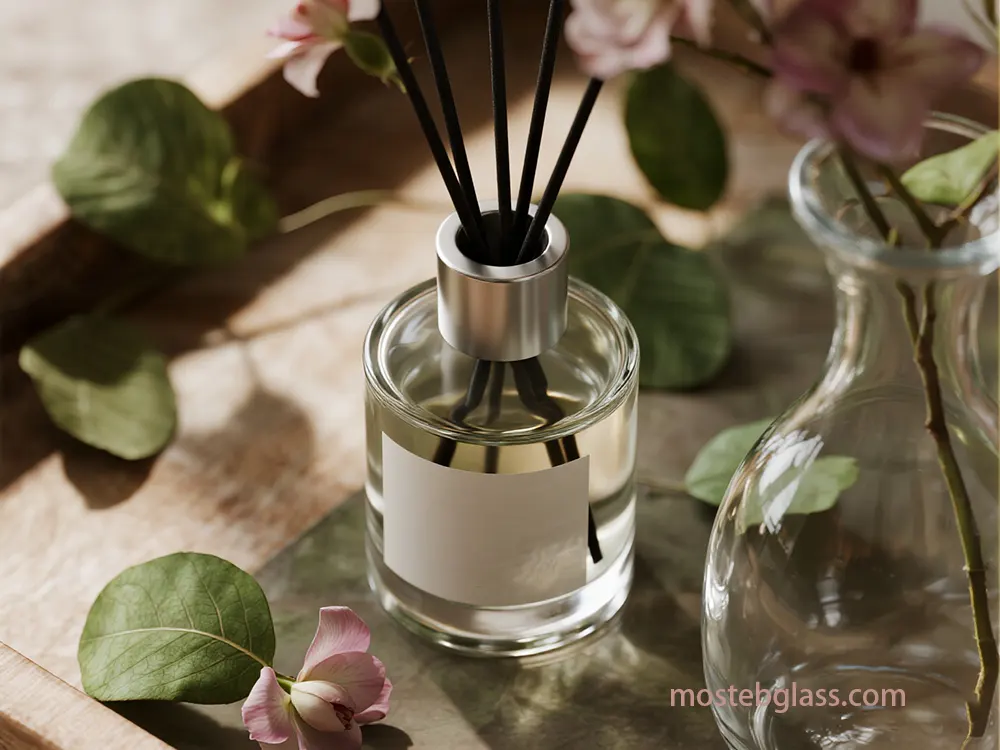
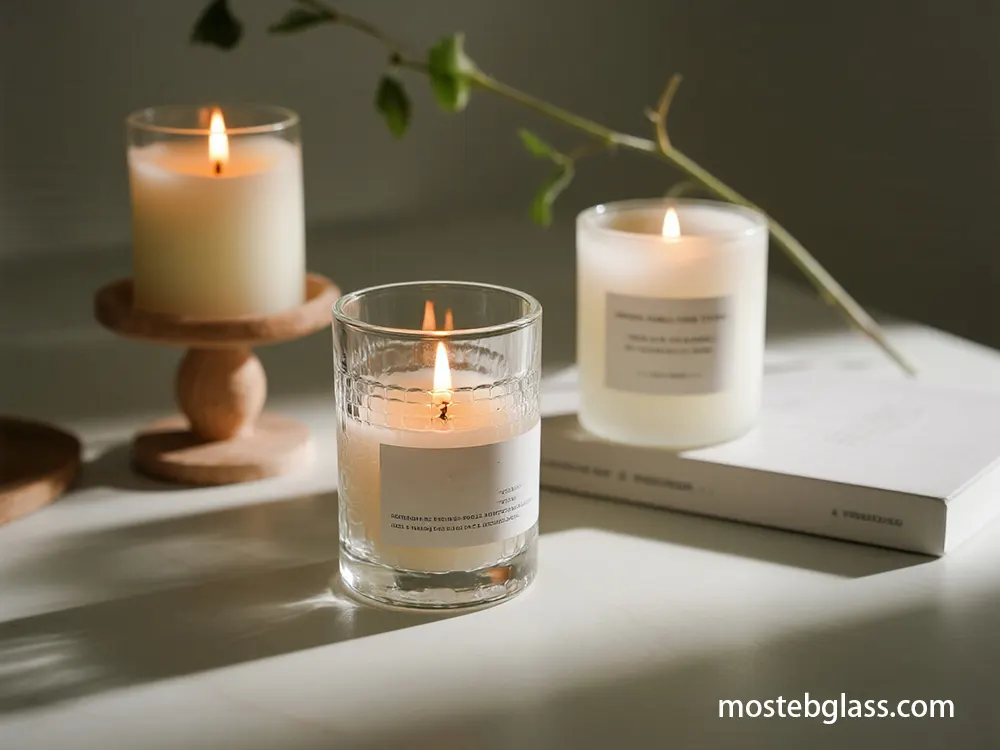
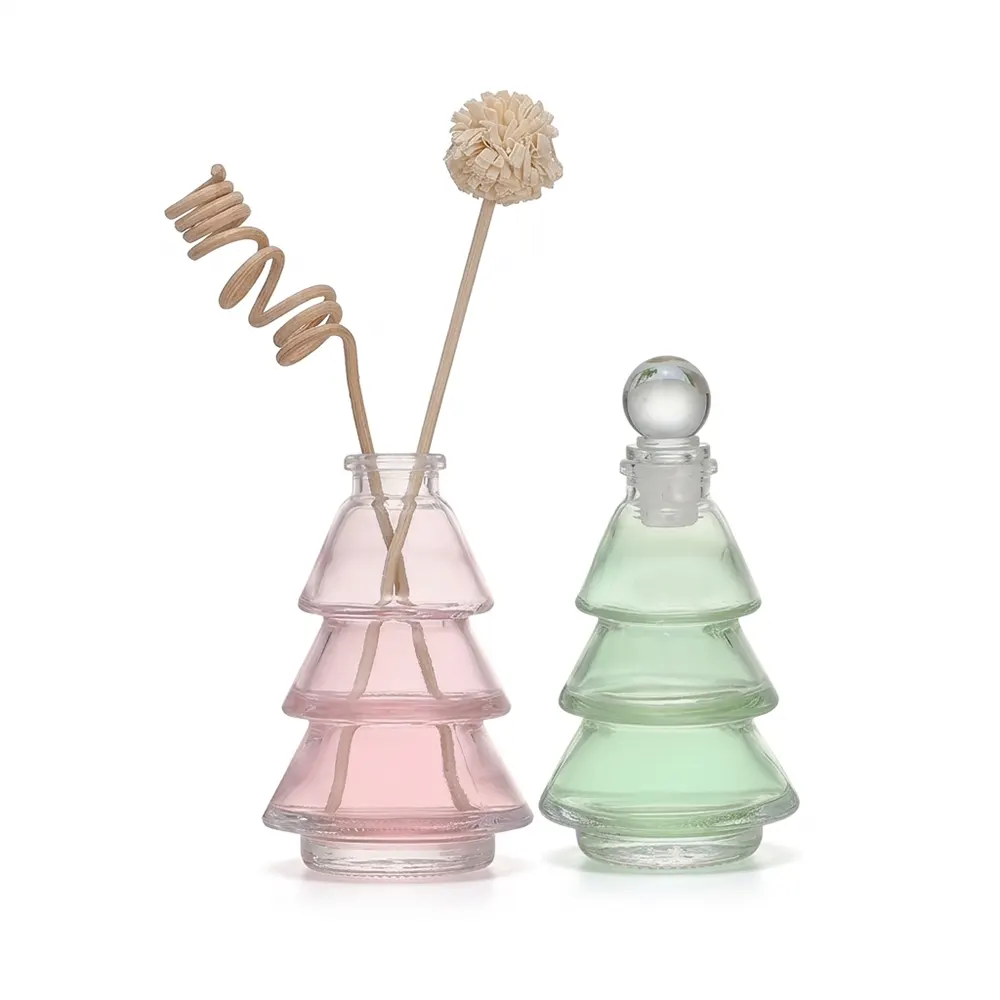
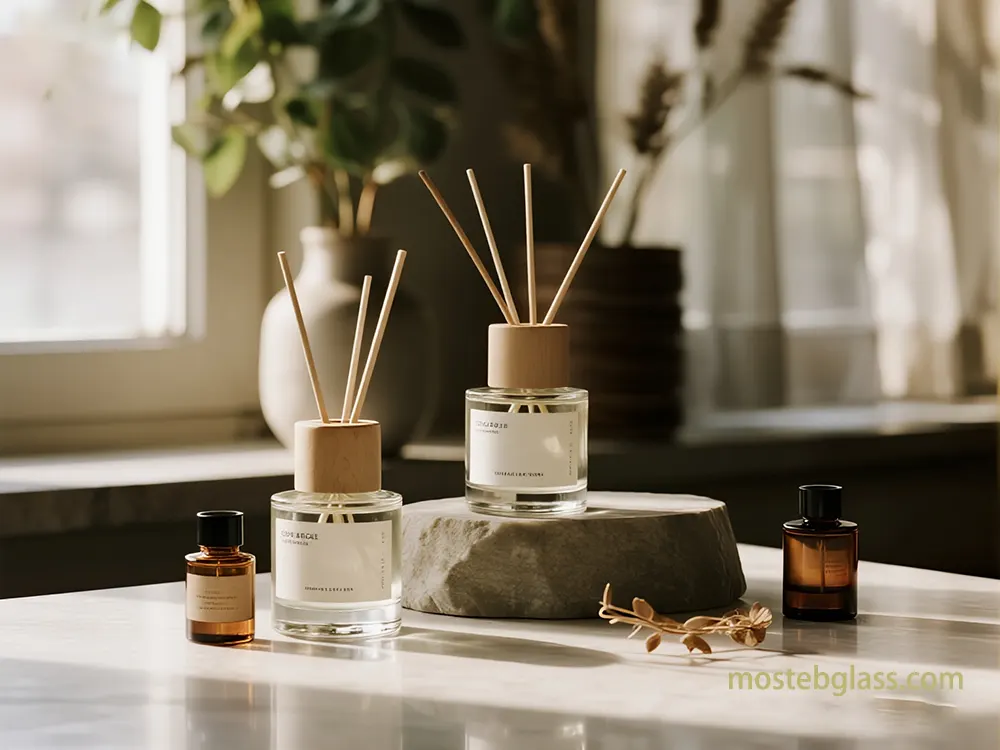
Vintage-inspired glass designs can support heritage, craftsmanship, nostalgia, or premium positioning depending on the shape, color, finish, and surrounding packaging.
3.2. Where Vintage Glass Ornaments Can Be Used
Home Fragrance
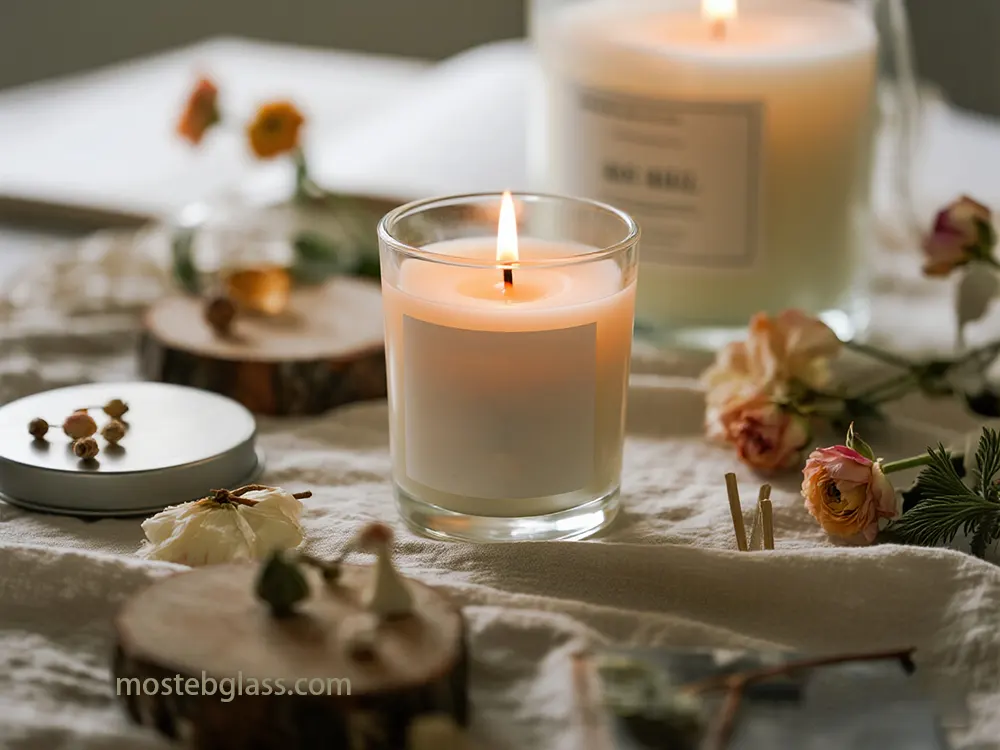
- candle collections
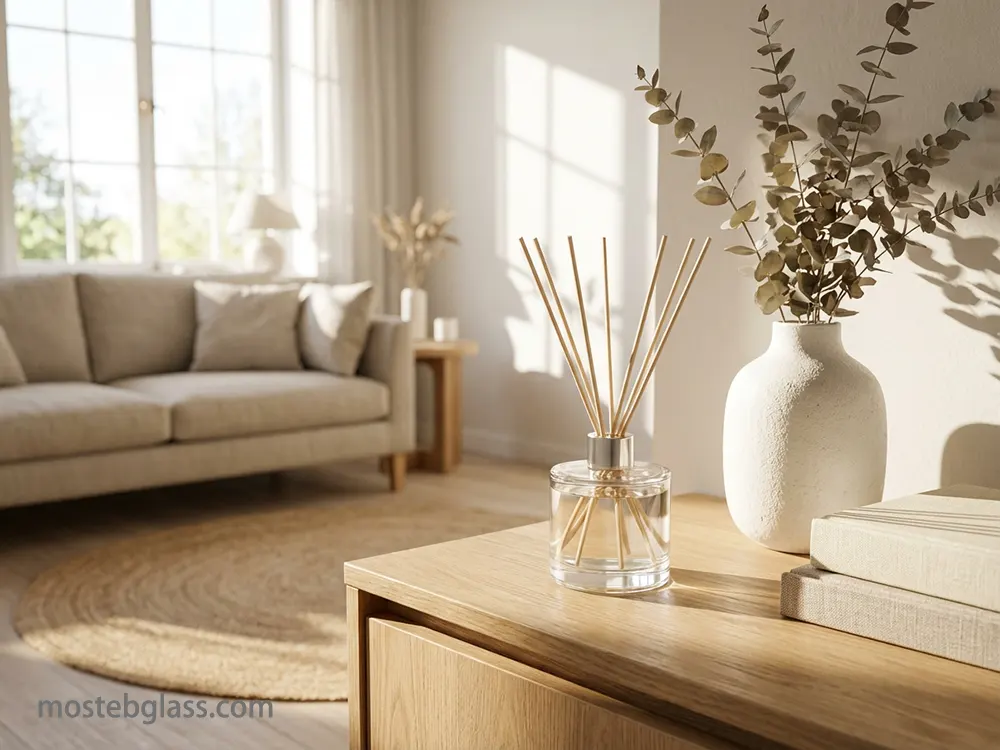
- diffuser packaging
- seasonal fragrance
- limited editions
Holiday & Seasonal Décor
- Christmas
- Halloween
- Valentine’s Day
- wedding décor
Luxury Retail
- gift packaging
- window displays
- product presentation
Hospitality
- hotel décor
- holiday installations
- guest gifts
Corporate Gifting
- branded ornaments
- seasonal gifts
- promotional collections
3.3. Messaging and Visual Strategies
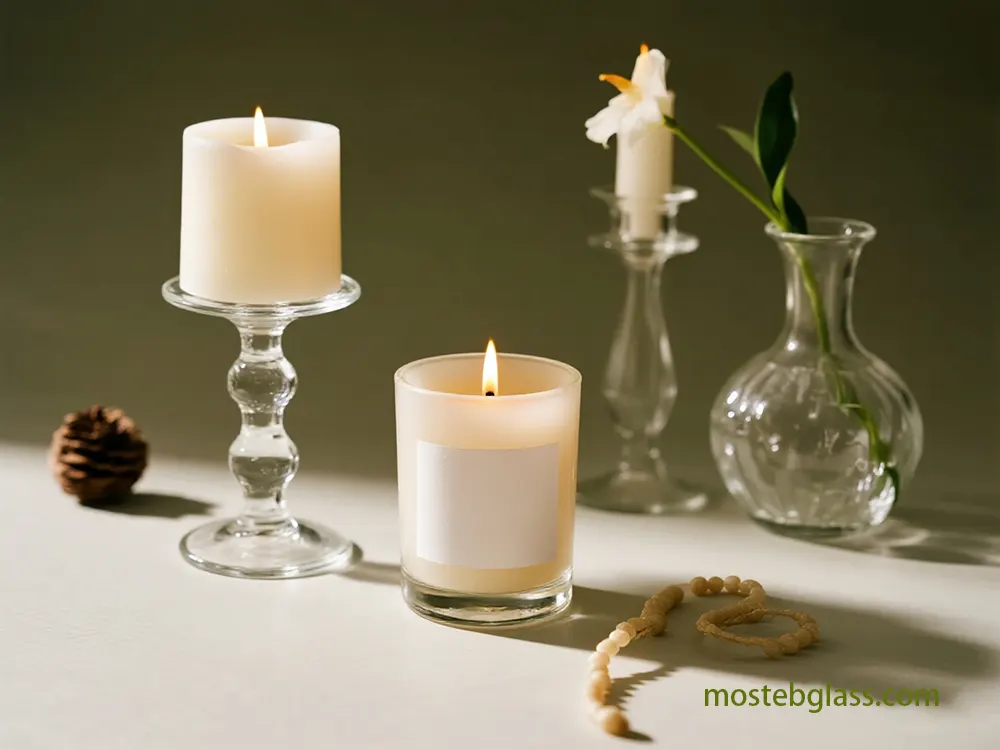
Successful brands that take advantage of historical elements employ specific strategies: highlighting founder legends, emphasizing craftsmanship and tradition, re -releasing retro designs, and combining heritage with modernity through cooperation. For vintage glass ornament, visual strategies may include their delicate craftsmanship, unique hand -painted details, and the way light mercury interacts with the glass, often in settings, which provokes warmth, tradition and celebration.
4. Cultivating Consumer Emotion Through Vintage Ornaments
The vintage glass ornament is powerful union for emotions, which are capable of developing indifference, authenticity, bliss, uniqueness and emotionality. These emotions are only fleeting emotions but a fundamental psychological driver who strengthens brand connections and loyalty.
4.1. Nostalgia: A Deep Emotional Connection
Nostalgia, craving for the past, is an intensive psychological driver, who affects consumer behavior by provoking feelings of happiness, comfort, heat, happiness, and satisfaction. Connectivity, trust, optimism for the future, and notion of meaning in life. For Mosteb, taking advantage of this inherent nostalgic appeal means tapping in a rich reservoir of positive human experience.
4.2. Authenticity: Enhancing Perceived Value and Self-Identity
The alleged quality of vintage products, including glass ornament, is internally associated with their authenticity. Authentic items are valuable to offer a better value for money, to be more reliable, and to have the ability to appreciate the value over time. Consmersars use the authenticity of vintage objects to connect with an ideal past, detect cultural changes, and strengthen your personal identity by feeling unique and different from mass-market consumption.
4.3. Exclusivity and Scarcity: Driving Desire
Vintage products are naturally considered as scarser, unique, and “one of a kind”, which significantly increases their subjective value and desirability among consumers. The scarcity principle suggests that products perceived as rare or exclusive can appear more desirable and valuable to consumers. Products are presented as rare, and when the alleged self-realization of consumers is increased when wearing or ownership.
4.4. Emotional Responses: Translating to Loyalty
Positive emotions associated with vintage-inspired products, particularly nostalgia, can strengthen brand attachment, trust, and repeat-purchase intentions.
4.5. Intergenerational Nostalgia: Broadening Appeal
Nostalgia marketing effectively appeals for a broader demographic, including young consumers such as Generation Z, who may not individually refer to historical periods. The phenomenon, called “simulated nostalgia” or “collective nostalgia”, allows existing people to attract new customers. Young generations to create new relationships with inheritance-rich and authentic brands.
4.6. Strategic Design and Emotional Storytelling
To amplify emotional impact, brands ought to infuse select aspects of the design; such as retro fonts, typefaces, color choices, graphics, vintage-inspired packaging, iconic imagery, and product resurgence that attempt to amplify connections with a tradition of affection or playfulness. Emotional design is more than functional based and serves to enhance experiences that spark emotions such as trust, satisfaction, joy, and/or nostalgia, ultimately enhancing usability, desirability, aesthetic appeal, and long-term product value. Storytelling, especially those rooted in multi-generational product use-cases or emotional context, are useful tools for forming strong emotional connections that move beyond functional attributes.
4.7. Authenticity: The Credibility Factor
The effectiveness of nostalgia marketing, such as the Coca-Cola example, is rooted in the authentic relevance of the nostalgic reference. Attempts to use nostalgia may be perceived by the consumer as superficial, forced, or unauthentic and can generate skepticism or backfire. For a Gen Z audience, a Coca-Cola nostalgic ad is more likely to resonate than a non-established brand using vintage styles to reference nostalgia. Gen Z is particularly sensitive to brands that use an “exploitation” of aesthetic. Brands must respect consumers’ experiences and connections avoiding an artificial sentimentality.
4.8. Balancing Nostalgia with Innovation
Engaging the consumer with feelings from the past is important, but the notion of nostalgia marketing campaigns successfully, can engage consumers feelings from the past, and as important, combine those feelings with current features or messages to create consumption relevance for today’s social consumers. Retro design, sometimes conflated with “vintage design,” but different from vintage design, engages a purposeful reading of the historical visual language in a contemporary way – borrowing aspects from the past that are recognizable, but using modern tastes/with technology while being mindful of contemporary expectations. Balancing these approaches is to ensure that it does not involve laziness, irrelevance or potential for alienation. The opportunity for nostalgia and memory would be injected with meanings with the potential to motivate consumer action.
5. Integrated Application Across Physical and Digital Brand Touchpoints
The practical implementation of vintage glass ornament spans a range of marketing and brand touchpoint opportunities – from in-store retail displays and product packaging, to corporate gifting, experiences, and sophisticated digital storytelling strategies in a shareable context.
5.1. Packaging: Combining Vintage Aesthetics with Modern Branding
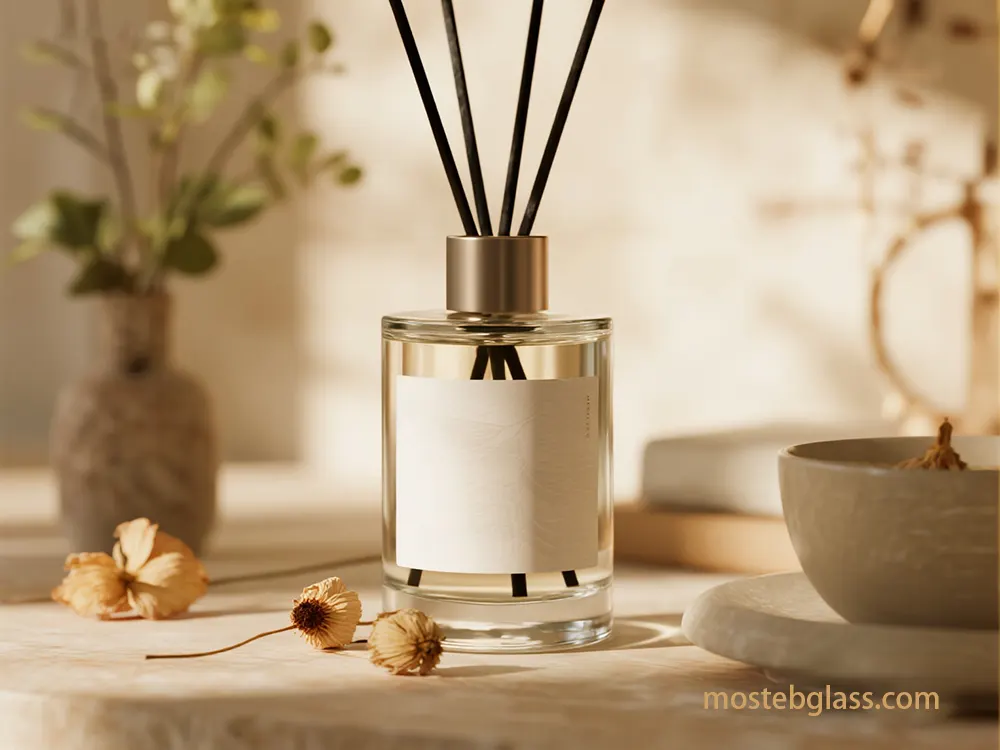
Vintage-inspired packaging, with design aspects such as botanical illustrations, muted palettes, textural surfaces, embellished or decorative details and classic typography communicates positive emotions or memories of simpler times, craftsmanship and authenticity. These appealing attributes enhance the perceived quality and worth of the product, and create a sense of “specialness”. Vintage-inspired packaging remains relevant because it combines recognizable visual cues with opportunities for modern brand customization. For Mosteb, packaging for a vintage glass ornament is also a product. The design of the packaging tells a story so that all touchpoints of the brand experience are enhanced.
5.2. Corporate Gifting: Lasting Impressions
Retro and vintage-brand inspired corporate gifts are a powerful solution for showing appreciation, promoting a brand, and creating a lasting impression. Gifts like 70s inspired weekender bags, retro pile fleeces, vintage logo classic crewneck sweatshirts, and 1980s-inspired denim western shirts. Bespoke retro gift sets fit for your marketing budget can include options such as metal wall signs, mugs, or hampers. The preeminent gift option is bespoke vintage glass ornament to be given as premium corporate gifts personalized with lightweight subtle branding that represent appreciation, introduce heritage, and create a lasting impression separating Mosteb from the generic corporate swag adoration of vintage after all.
5.3. Digital Storytelling: Amplifying Vintage Appeal
Social media platforms (Instagram, TikTok, Facebook, Pinterest) serve as critical elements for nostalgia marketing as brands can visually display curated content and share stories behind the “behind the scenes” vintage items. Luxury brands (Versace, Burberry, Tiffany & Co., Nike, Gucci, and Cartier) have been active using nostalgia marketing since vintage, showing vintage campaigns, social sharing vintage throwback images, and collaborating with modern icons to weave nostalgia themes into advertising and public relations.
E-commerce platforms have the capacity to elevate the online vintage shopping experience by providing personalized recommendations, AI curation, detailed product descriptions, virtual try-ons, and augmented reality (AR) functionality, while also recreating the “treasure-hunting” experience experienced when vintage shopping in person.
5.4. Innovative Physical Displays: Driving Engagement
This is another area where you can get creative with your display method of vintage smalls, easily applied to glass ornaments: use unexpected items as display holders! Another idea can consider is displaying by grouping décor (colors, theme, or wear: ’70s Chic’, ‘Retro Home Décor’, etc.) which can help to draw more attention to and help customers envision it in their own home(s).
5.5. Limited-Edition "Vintage-Inspired" Collections: Scalability and Exclusivity
Brands can present “vintage-inspired” collections with limited production that blend authentic vintage aesthetics with new manufacturing, allowing scale while maintaining the desired authenticity. This drives the experience of exclusivity and urgency for consumers, which ultimately fosters brand loyalty. For examples, look at Marc Jacobs’ M-Archives which featured updates on vintage bags from the 1980s. Vintage collections usually include interesting details and features like packaging, special colors, and collaborations with designers/influencers.
5.6. Experiential Events: Immersive Brand Stories
Glass ornaments for marriage date back to a time when they were truly destined for use in weddings, hotel functions, brand launches, holiday markets, and corporate events. They can be used in themed installations or branded event décor, thanks to their reflective surfaces, traditional silhouettes and customizable colors.
5.7. Challenges and Opportunities
Owning a vintage inventory for resale can be hard work due to challenges in pricing for an item based on rarity, condition, and historical value; fun for resale is often quite low; and items must be acquired, restored, and marketed at a cost. To remain competitive with fast fashion and large second-hand retailers, the vintage seller must differentiate at least in the area of curated collections and costumer experience. Especially sourcing delicate objects such as glass ornaments can be a challenge because they break easily. But these roadblocks may also provide avenues for branding around curation, authentication, and ethical purchasing. Mosteb may, for instance, brand around excellent quality, unique provenance and reliable integrity which are invaluable for establishing a reputation as a trusted resource in the vintage market.