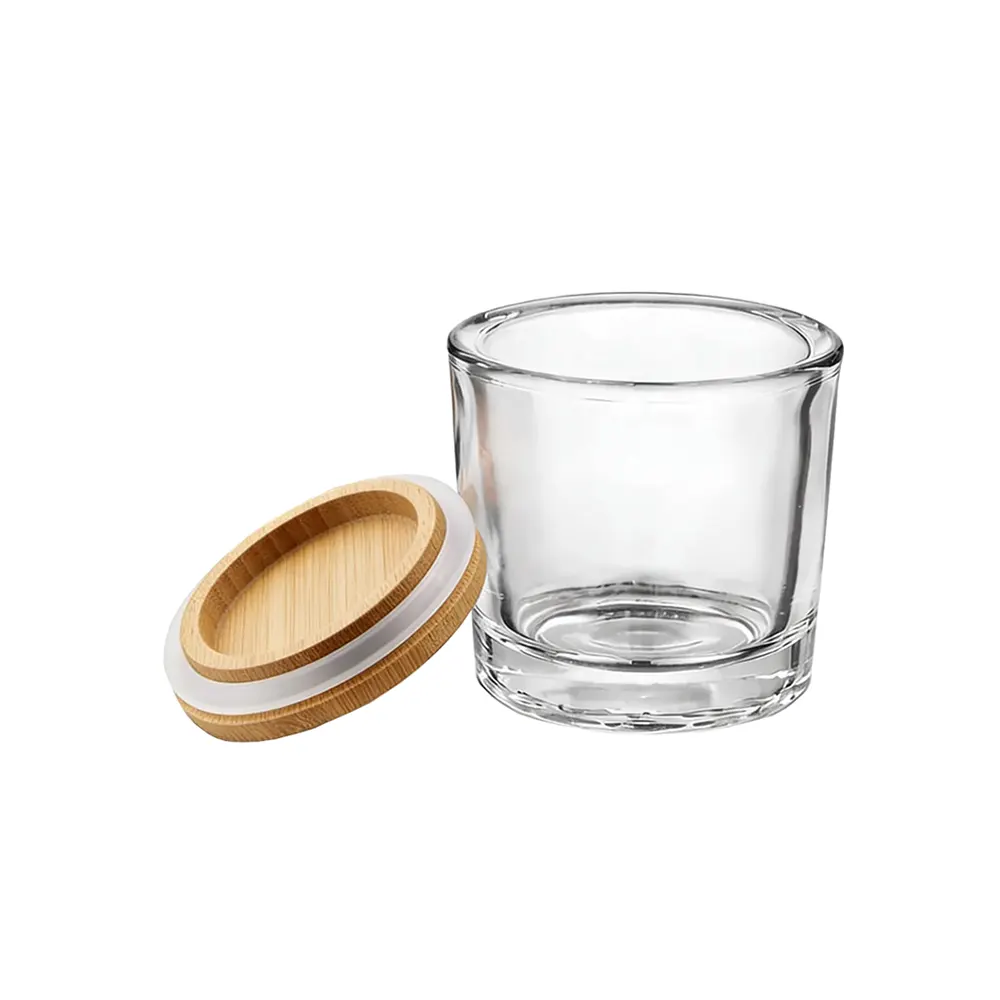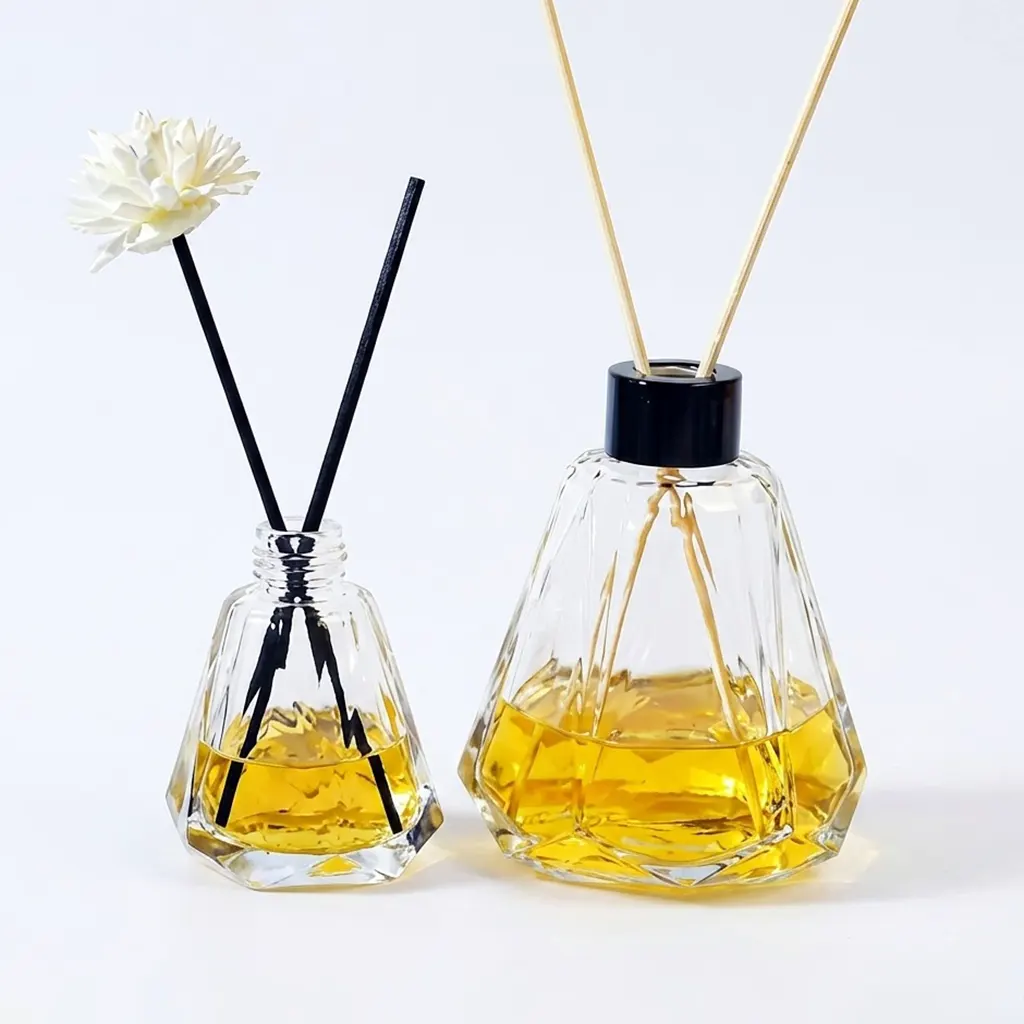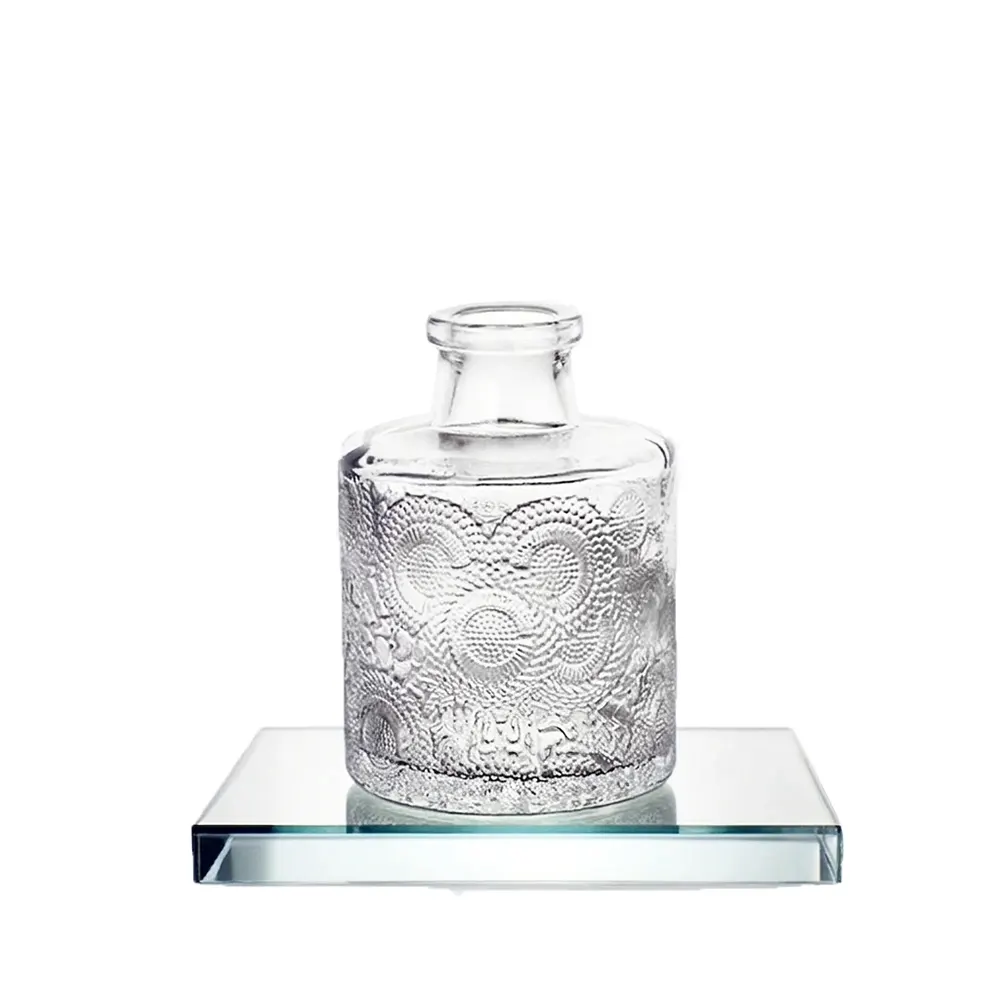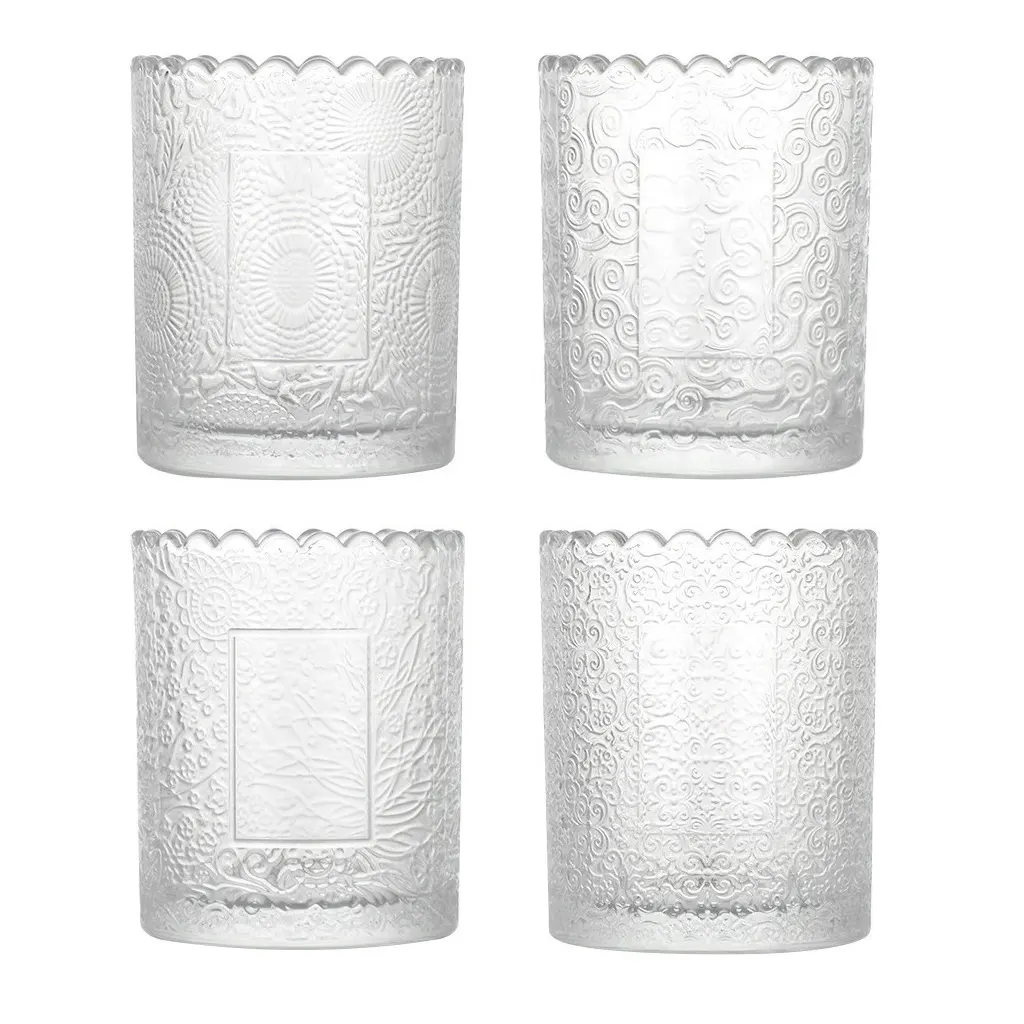
Glass appears simple, but its thermal behavior makes manufacturing control extremely important. During forming, uneven cooling can create internal stress that may remain invisible until the vase cracks during handling or use.Glass might seem easy and almost blank, yet, in the production, it acts as an obstinate material that recalls all the thermal errors committed throughout the manufacturing process. I have been in large container glass factories in the Midwestern United States and smaller decorative glass workshops in Europe, and the same trend is repeated over and over, namely: the majority of vases that are broken are not broken by faulty molds, silica sand of bad quality or by bad designs. The actual issue normally starts when the annealing step is not followed properly or in a hurry. As a molten glass vase leaves its mold of forming, the outer surface begins cooling at once and the inside is extremely hot. That difference of temperature causes internal stress in the glass network, and unless this stress is removed over time by some controlled heating and cooling, the finished product has an invisible structural weakness. A vase might appear flawless upon leaving the factory but the stress, which is hidden within the material, is still present until the vase fractures under any vibrations, change of temperature or even a touch.
1. Understanding the Process of Annealing Glass Vases in Manufacturing
Most of the glass vase annealing process is basically a controlled thermal treatment process that stabilises the newly developed glass through relaxation of the internal stresses of the product before it reaches the room temperature. For industrial production, newly created vases are transported straight into a long temperature-controlled furnace called a lehr. Within this furnace, the glass is allowed to remain close to its annealing temperature long enough to allow a state of tension inside the material to be relieved. In the case of usual soda-lime glass (typically containing 70-74% silicon dioxide (SiO2), 12-15% sodium oxide (Na2O), and 8-10% calcium oxide (CaO)) the annealing temperature is normally between 515degC and 565degC. The glass at this point is hard enough to maintain its shape, but soft enough within itself to allow the glass structure to relax and release internal stress.
After the internal stress is relieved, the glass is slowly taken through strain point which is usually at 480degC, where the structure becomes permanently stiff. Freezing faster than the material goes through this stage is the equivalent of freezing internal tension within the glass. It might not be apparent at the first sight, but the weakness of the structure is there. Industrial glass research shows that the main reason why manufactured glass products still experience residual stress and long-term fracture is improper cooling rates (NIST materials research). That is, annealing is not a bit of finishing, it is when it becomes known whether the structure of the glass is stable.
2. Why Glass Vases Crack During Annealing
The cracks formed during annealing are normally due to uneven cooling or inadequate time at the annealing temperature. Glass vases that are used in decoration are very challenging since they seldom have even distribution of heat due to their shapes. Wides rims, narrow necks and thick bases have different cooling rates thus forming temperature gradients throughout the object. Internal tensile stress develops within the structure when the portion of the glass shrinks at a rate that is slower than that of the other portion. When such pressure is more than that of the natural strength of the glass then cracks are formed instantly or even later when the product is outside the factory.
The statistics of industrial production prove how expensive such a problem may be. Residual stress and annealing defect are some of the most prevalent quality issues in the glass manufacturing processes and some of the major causes of product rejection on production lines of high volume as published industry information by the Glass Packaging Institute (industry data). Factories that manufacture tens of hundreds of thousands of glass products daily can afford losing several per cent of the production just because the annealing conditions had not been adjusted properly. In the case of the glassware decoration producers, it boils down to thousands of flawed products and thousands of dollars lost in the long-run.
2.1. Temperature Gradients in the Lehr During Annealing Glass Vases
The temperature of the annealing furnace has a significant contribution to controlled cooling glass vases. The lehr furnaces are usually separated into several areas of varying temperatures and the areas with lower temperatures are placed in progressively lower positions of the products being conveyed around the furnace. Nonetheless, these areas are supposed to be very stable. Even slight differences can create nonuniform cooling conditions giving rise to stress of the glass. As an example, when a single zone within the furnace is 15- 20degC cooler than the rest of the zone, the section of the vase that is exposed to such airflow might cool much quicker than the rest of the structure.
Such an issue is usually invisible since the glass can even look perfect after leaving the production line. The internal stress is only observed when one examines it through polarized light equipment which reveals the stress patterns in the material. A number of manufacturers that encounter unaccounted cracking after a short duration find out that the problem is in the improper flow of air, or faulty temperature sensors within the lehr furnace.

2.2. Product Geometry and Wall Thickness
The variation in the thickness of the walls in decorative designs is another element that makes it harder to figure out how to anneal glass vases in their proper way. A thick glass base holds the heat so much longer as compared to the thin wall about the rim or neck. Unless the cooling curve takes such a difference into consideration, the outer wall may solidify, and the base interiors remain contracting. This inconsistency forms internal lines of stress which undermine the framework of the vase.
This is why manufacturers may have to modify annealing cycles in case of a change of vase design. The taller vases that have more significant bases are usually longer to anneal as compared to thin ornamental bottles or slim vessels. The manufacturing plants that fail to consider these differences tend to have higher cracking rates since the cooling curve was optimised on one product and used to another.
3. Recommended Annealing Temperature and Cooling Curve
To ensure that there is no cracking during the production of glass, the most sure method is to ensure that the cooling curve within the lehr furnace is well managed. Although exact values depend on the composition of the glasses and the thickness of the product, the majority of decorative vases production is in a similar pattern as the one below.
| Production Stage | Temperature Range | Purpose | Risk if Mismanaged |
| Lehr Entry | 540–560°C | Stabilizes newly formed glass near annealing point | Sudden cooling traps internal stress |
| Annealing Zone | 520–500°C | Allows molecular stress relaxation | Uneven heating forms stress gradients |
| Controlled Cooling | 480–350°C | Glass passes through strain point safely | Rapid cooling causes structural weakness |
| Final Cooling | 350–50°C | Glass stabilizes before packaging | Thermal shock may cause cracking |
A constant rate of temperature allows the whole glass object to cool evenly. This is more so in the case of decorative vases that have complex shapes or thicker walls and take longer time to complete the residence time within the furnace in order to provide the necessary stress relief.
4. Best Annealing Practices in Glass Manufacturing
Best annealing practices that are pervasive among manufacturers in the glass manufacturing industry include manufacturers that have low defect rates consistently. To begin with, they keep steady temperatures in the annealing furnace by measuring sensors and automatic control systems. The change in temperature (even small variation) can be an important factor to consider when it comes to cooling behavior and thus, specific monitoring is necessary. Second, they optimize cooling curves based on the geometry of the product as opposed to using one universal annealing schedule on each design. This flexibility provides enough time to stress relaxation of the thicker or more complicated shapes.
The other practice that is becoming increasingly prevalent is the employment of polariscopic inspection systems whereby engineers are able to observe the internal stress patterns within a given finished glass product. The polarized light under observation of vases allows manufacturers to determine areas with residual stress and remodel annealing parameters. This proactive strategy can be used to avoid the delivery of defective goods to the consumer besides enhancing the control of processes over the long run.
Materials science research also indicates that annealing is crucial in avoiding the delayed phenomena of breakage. The presence of inclusions of nickel sulfide is one of the well documented reasons of spontaneous cracking, as well as the tiny particles that can grow over time in the glass structure. Research in the materials science department of Cornell University provides an explanation of how these inclusions have the ability to induce delayed fractures when internal stress is already present in the glass matrix (Cornell materials science research). This risk is significantly minimized by proper annealing to minimize conditions of stress under which such defects will propagate.

5. FAQs
5.1. What is annealing glass vases?
Annealing glass vases is a process of heating and cooling glass involving the control of heating and cooling of glass items that have been formed to eliminate the internal stress on the glass products. In the process, the vases are kept at their annealing temperature, usually between 515degC and 565degC, and then allowed to cool gradually to ensure that the internal structure is stable and the vases do not develop stress fractures.
5.2. What temperature is used for the glass vase annealing process?
Glass vases annealing between is normally 515degC and 565degC depending on the chemical composition and thickness of the glass. Within this temperature range the glass will be able to release the internal stress of the molecules but will retain its shape before gradually cooling down to the strain point of about 480degC.
5.3. Why do glass vases crack during annealing?
During the annealing process, glass vases crack in case of an excessively quick or uneven cooling, producing an internal tensile stress in the glass structure. In case this stress surpasses the strengths of the material, the vase can either break during the manufacturing stage or in the end when the object is subjected to vibration, temperature variations, or human handling.
5.4. How can manufacturers stop glass vases from cracking during annealing?
To avoid cracking during annealing, manufacturers keep the temperature levels constant within the lehr furnace, modifying the cooling curves depending on the geometry and wall thickness of the product, limiting air flow in order to avoid uneven cooling, and conducting stresses checks through polariscopic testing.
5.5. What does controlled cooling mean in glass manufacturing?
The process whereby the temperature is decreased gradually following the process of annealing is known as controlled cooling where the glass products go through the strain point slowly. Through this process, internal stress gradients are removed and the probability of spontaneous cracking or structural weakness is reduced considerably.

6. Final Thoughts
Glass manufacturing requires controlled thermal processes rather than accelerated cooling. Forming stage is interesting as it gives the product shape yet silent annealing furnace decides whether decorative vase will make it through the factory to customer. The companies which invest in the stable furnace temperature, correct cooling curve and the consistency of the stress check are likely to have glassware, which will last years. Rushers tend to find that the loveliest of designs of vases are unable to withstand the stress which is invisible inside poorly annealed glasses.