1. Executive Summary
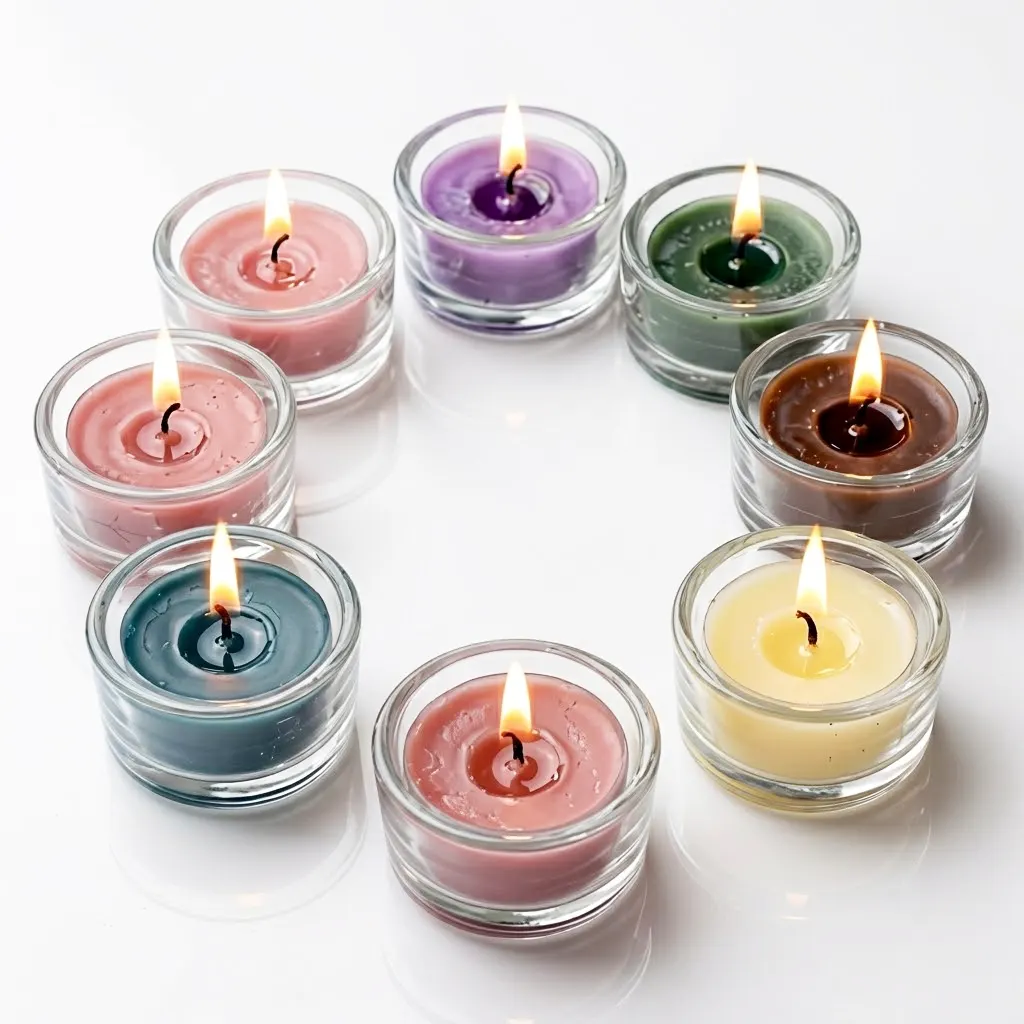
High-end candle packaging should exemplify brand identity but also highlight consumer experience. This report identifies differentiators for a candle glass jar supplier; advanced material science, precision manufacturing, innovative design, efficiency, sustainability, geography, and partnerships. Things that differentiate quality products versus premium products include higher performance glass (borosilicate and crystal), more sophisticated finishes (such as vacuum metallization and HD printing), a more thorough quality assurance process, more certified recycled content, and transparency in supply chains. If we pay attention to these efforts, we can position our products above other competitors in luxury.
2. Introduction: "Premium" and production limitations
Premium candle glass jars embody superior quality, aesthetics, design, and pricing. A premium supplier always delivers above standard in the candle market, elevating the luxury candle experience.
Premium jars consist of superior materials such as borosilicate glass (thermal shock resistance up to 400°C/752°F) or crystal glass, and not the standard soda-lime glass. Aesthetic finishes are meticolously executed, such as coatings, frost, or printing; they are flawless with no errors. Premium candle jars have more complex designs than the standard, for example, they might be fabricated from complex molds, involve unique shapes, complex double walls, or feature embossed surfaces.
This discussion involves production volumes from small artisan (low-volume, custom) to larger luxury brands (consistency and high-volume). Premium suppliers typically offer more dynamic manufacturing capabilities, including flexible MOQs and scalable custom manufacturing requirements. Packaging contributes substantially to the perception of a brand as the relationship between quality and design begins with a premium supplier partner choice.

3.Product Excellence - Material Quality Design Sophistication Finish Precision
Candle glass jars are defined through the use of material quality, design sophistication, and finishing precision.
3.1. Material Quality
The selection of glass is the most important decision you will make in terms of performance, safety, and aesthetic goals.
- Glass types: High-end jars use borosilicate (excellent thermal shock resistance, up to 400°C/752°F, durability, clarity, lead-free), tempered (improved resistance to heat, up to 149°C/300°F), or crystal glass (luxury, clarity). Soda-lime glass is the standard glass option, but thermal resistance is inferior to the others.
- Thermal and heat resistance: High-end glass is thick and non-porous, with qualities that account for protracted heat, generally, around 121°C/250°F. Some custom ceramic jars recommend about 1.5-2mm for wall thickness for effective thermal distribution.
- Purity and safety: High-end glass must be both lead-free and arsenic-free. The glass must be made according to the 2011 testing specification (including scratch resistance, temper, and thermal shock), and also in cabinet-grade and batch sampling/testing.
- Optical properties: Light transmission and refractive index are factors that determine the visual properties of the candle.
3.2. Design Sophistication
Design turns a candle jar into a piece of decor.
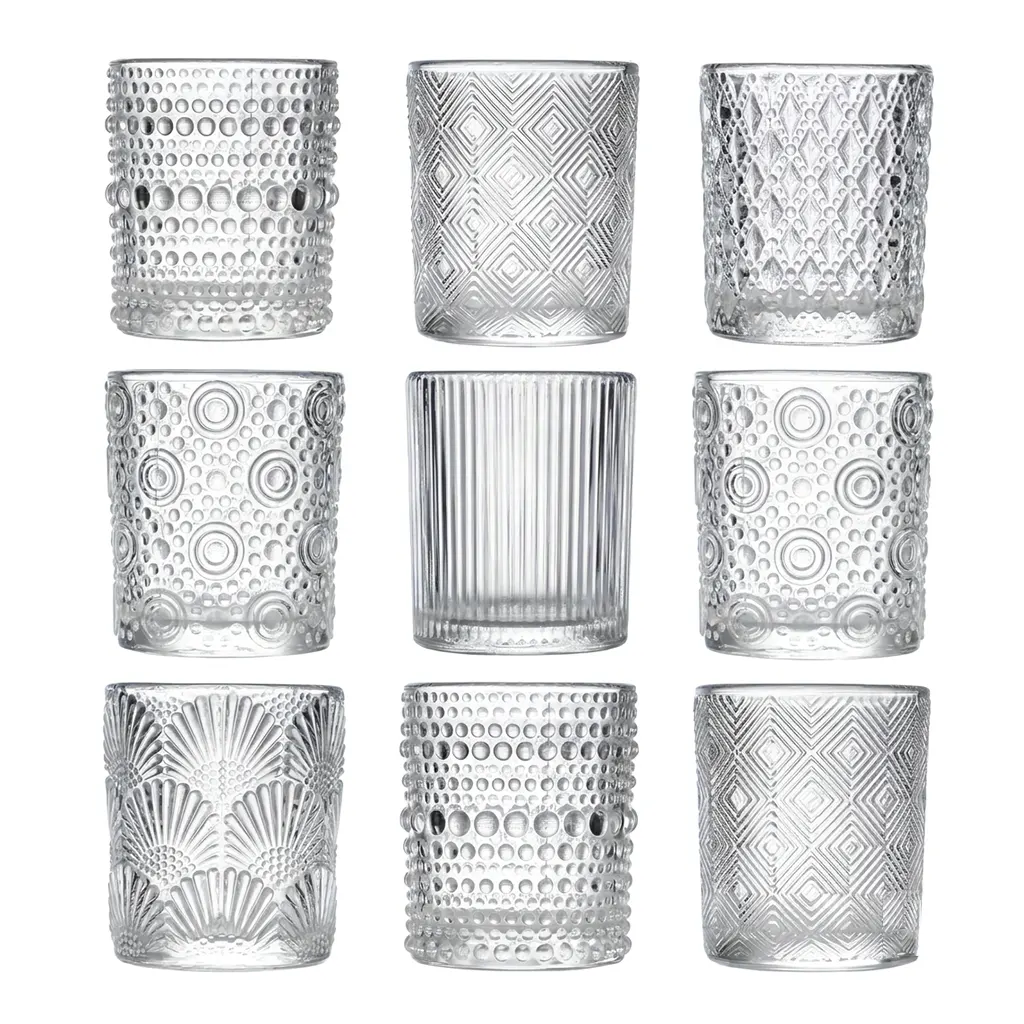
- Clarity & Surface Treatment: Borosilicate glass has excellent clarity. Because of different design options, surface treatment can vary from matte, frosted, metallic, and embossed; frosted glass softens the light to create an atmosphere of luxury.
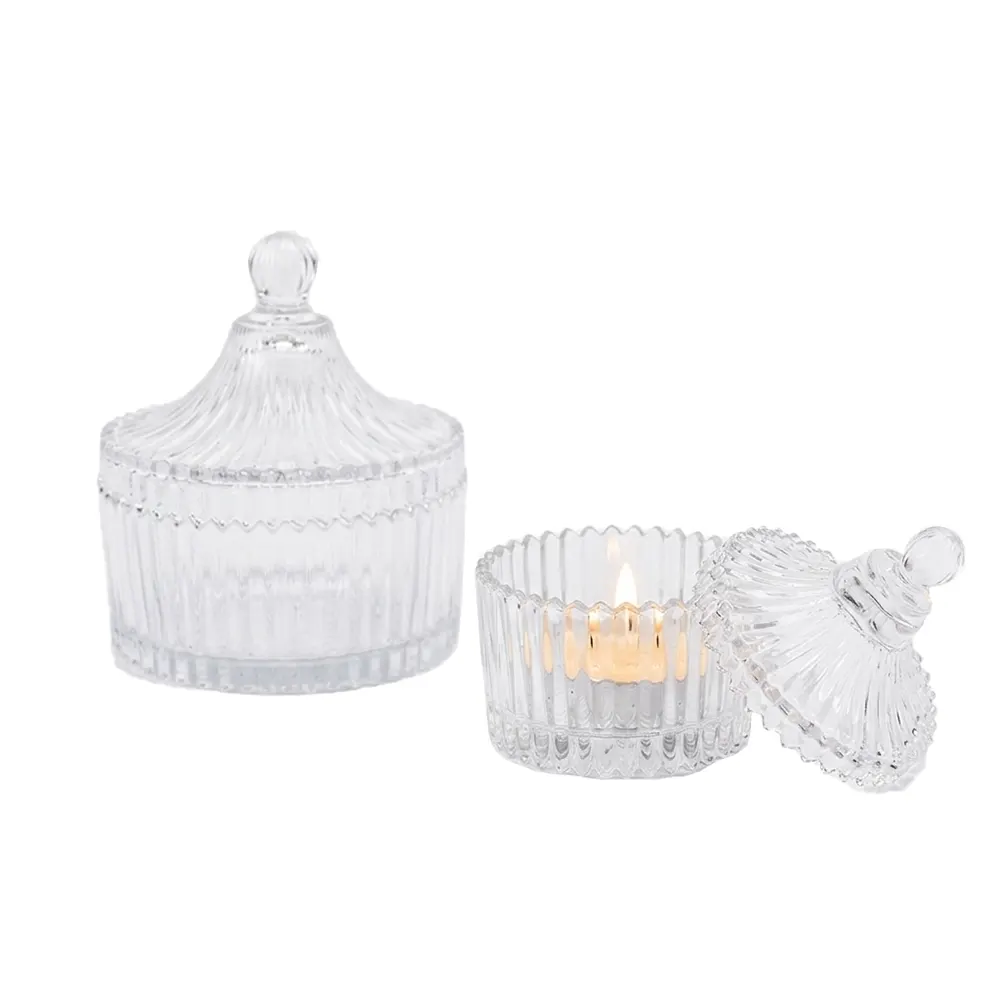
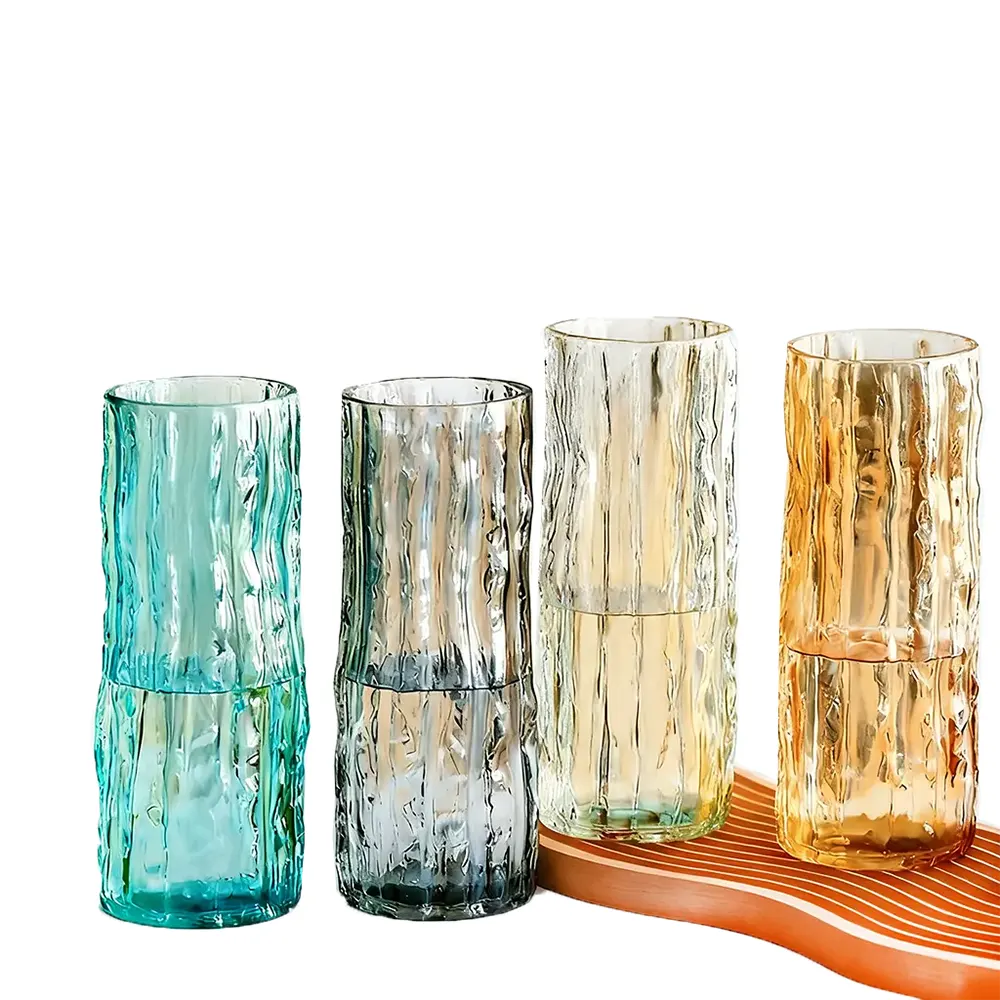
- Color & Shape: In addition to clear, colored options (black, gray, amber) provide an antique and luxurious quality, along with themed colored ambient light. Jars also can vary in shape (prism, apothecary, cylinder, hexagon, square, straight-sided, etc.) and geometric shapes offer modern appeal. Luxury elements can also include double walled construction or detailed embossing.
- Lids & Customization: Lids (glass, tinplate, aluminum, cork, bamboo—using silicone rings) provide a closure and aesthetic treatment to the candle line, with the benefits of preserving the fragrance up to 24 months. Higher end suppliers often use extensive customization (patterns and designs, and/or monograms or initials, and even hand painted) to help a brand separate themselves from their competition by offering a differentiating identity and story.
3.3. Finishing Precision
Advanced manufacturing and post-production finishing provide a significant differentiating factor among premium suppliers.
- Molding Techniques: Advanced molding includes press-and-blow, blow-and-blow, and Narrow Neck Press and Blow (NNPB).IS (Individual Section) machines can produce more than 600 containers/minute.CNC machining allows for high precision mold making. Precision Glass Molding (PGM) allows for high-precision components based on manufacturing without grinding, while MNPGM molds may use different materials including tungsten carbide to achieve precision without grinding.
- Annealing processes: Controlled cooling (or annealing) was important to minimize internal waste to ensure a more substantial glass without cracking. Typically, glass is heated in a range of 454–482 °C and then cooled and tempers the glass in proper conditions; if it is not properly annealed the glass can become brittle.
- Post-production Finishing Techniques:
- Acid Etching – Hydrofluoric acid provides a satin-frosted, durable finish that has flexibility of form.
- Laser Etching – High-powered lasers create permanent marks or designs into glass that can be used for complex aesthetics.
- Vacuum Metallization – In a vacuum, a very thin metal layer (70 – 100 nm aluminum) can be applied to surfaces in a brilliant mirror-like and luxurious construct with reflective bonds to glass [greater than 85% reflectivity].
- Powder Coating – Dry pigments or resins (chemicals) in powder form are electrostatically adhered to glass fillets and can provide UV protection to glass and aesthetically pleasing finishes, however, the finishing process of powder coating must be specialized for glass.
- Electrostatic Coating – A relatively environmentally friendly process involves charged liquid droplets to spray coat materials uniformly and efficiently over flat surfaces such as glass.
- Screen-Printing – Ink often ceramic ink (also manufactured to US FDA specifications) is forced through a stencil as a screen printing mask and then adhered to glass after being baked into the glass by heating to as high as 600 °C (temperatures for injected tempered safety glass). There is permanence of colors with the use of ceramic inks which may also include metallic and etched-types.
4. Innovation and Customization Capabilities
In a premium glass jar supplier for candles, innovation and customization capabilities shine through some combination of bespoke design, material science, and leading-edge technology.
4.1. Bespoke Design and Rapid Prototyping
A capable supplier should be able to translate a brand’s drawings or physical samples into a manufacturable glass vessel.
- Custom Molds: Some advanced manufacturing utilizes custom molds (CNC-machined from aluminum for speed and precision) and be able to form very unique geometries. Custom silicone molds have expanded the diversity of intricate and personalized designs because of their ability to withstand high temperatures and flexibility.
- Design Flexibility: Premium suppliers can offer even more design flexibility in creating intricate patterns, logos, or custom artwork using techniques (such as acid etching) to maximize personalization and meet consumer demand.
- Rapid Prototyping (Speculative): The premium candle glass jar suppliers are likely using rapid prototyping (e.g., 3D printed mold inserts or mock-ups) to iteratively develop custom designs all while shortening their development cycles and speeding time to market for more complicated luxury projects.
4.2. Material Innovation and Progressive Glass Formulations
Innovation also relates to the composition of glass and sustainable alternatives.
- Progressive Glass Formulations: Research has further enhanced aspects like thermal shock resistance, clarity or a reduction in mass, whilst maintaining strength. Borosilicate glass already has superior thermal qualities.
- Incorporating Recycled Content: The verifiable post-consumer recycled (PCR) content represents a major innovation. Premium suppliers are actively improving the percentage of PCR, complying to certifications such as SCS Global Services, Cradle to Cradle,RCS and GRS. Glass bottles are 100% recyclable, and for every 10 percent cullet (i.e. reproduction of a recycled glass) brings down the energy consumption by 3 percent in manufacture.
- Lighter Glass: Research has developed glass that is thirty percent lighter than glass manufactured fifty years ago, with resulted cost savings in transportation, and climate impact (including carbon emissions). Recent lighter weight ranges from companies like Ardagh Glass Packaging-Europe are using up to 80 percent cullet (i.e recycled glass) in drink bottles, equal to twelve percent reduced carbon impact.
4.3. Application of New-Fangled Finishing Techniques
There is a continuous development of new finishing techniques that provide radical visualisation, as well as visual or tactile functionality.
- Beyond Finishes: Premium suppliers are constantly changing and exploring new things as they move away from finishes, including the ability to feel coated, multi-layer coatings, multi-faceted anti-scratch treatments, and smart coatings.
- Use of Digital Technology: The advancement of NFC (near field communication) or QR codes is increasingly seen on glass packaging to educate and facilitate storytelling in the branding context, and also provide to consumers engagement, communicate authenticity, and anti-counterfeiting, thereby increasing interactive luxury.
- Parametric Design and Generative AI (Speculative): Forward-thinking suppliers might use parametric design and generative AI to rapidly explore design possibilities, optimizing for aesthetics, material efficiency, and manufacturability, pushing design boundaries.
4.4. Lead Times, MOQs, and IP Protection
Innovation and customization need practical support.
- Lead Times, and MOQs: Competitive lead times and flexible MOQs associated with custom designs are critical. Automation can cut lead times.Highly unique products may entail lead times too long to be efficient. Nonetheless, suppliers are honest about lead times to manage expectations. Quantities such as 10,000+ from China can lead to bulk discounts which would be a cost-effective option for the buyer.
- Intellectual Property (IP) Protection: Strong IP protection is critical for bespoke designs. There must be long-term contracts which would protect IP rights, including the scope of rights, and the geographical area.Confidentiality and non-disclosure agreements (NDAs) should be included. NNN (nondisclosure, noncompete, and non-circumvent) is very important for manufacturers in china. Contracts must include protections, such as trademark and design registrations, and infringement protections.
A premium candle glass jar supplier should be able to demonstrate strength in these areas, then they will offer truly differentiated products, and they can meet the expectations of the luxury marketplace, while providing their clients a competitive advantage.
5. Operational Efficiency, and Supply Chain Resilience
For a premium Mosteb candle glass jar supplier, operational efficiency and supply chain resilience is vital to ensure that quality can be maintained, orders are delivered on time, and disruptions can be managed effectively.
5.1. Predictable and Reliable Lead Times
Lead times must be predictable!
- Automation: Improving lead times with automation in glass manufacturing leads to more consistent lead times.
- Data Analytics: Understanding performance data and analyzing production data can sharpen processes and procedures to minimize waste and produce reliable lead estimates.
5.2. Stringent Quality Control and Minimal Defect Rates
Top quality means a near-statistical zero defect rate with heavy use of quality inspection.
- KPIs: Suppliers measure damage rate (less than 2%), return rate (less than 1%), pass rates on stress testing, and overall equipment effectiveness (OEE).
- Advanced Inspection Technologies: AI based machine vision systems are capable of inspecting reflective and transparent glass and also measure and classify defects (scratches, chips, cracks, bubbles, inclusions) at high speed, accuracy and repeatability. Digitally connected IoT sensor data combined with manufacturing execution systems (MES) feed:Real-time quality data; suppliers can intervene when tracking products of lower quality.
- Third Party Services: Independent verification for objectivity, suppliers can measure defect rates, color consistency, and roundness tolerances and provide evidence that the inspection process was compliant with ASTM standards (F2179).
5.3. Robust and Resilient Supply Chain
Sustainable solutions communication and dependable delivery are the foundations of resilient supply chains for premium product manufacturers.
- Sourcing: Premium suppliers compliment raw material/cullet qualification with available geo-diversification that minimizes the risk of single source suppliers. Knowing the multiple suppliers of a key ingredient via validation of purity, and having suppliers with the ability to source materials from multiple countries provides production flexibility.
- Digital Transformation: AI/ML software can provide awareness of likely swings in demand to inform supply or production inventory levels. A real-time dashboard can consolidate supplier, shipment, and customer inventory data to provide situational awareness that enable proactive decision making. Blockchain (though still speculative) would improve KPIs and sustainability.
- Buffer Inventory&Scenario Modeling: Contingency plans using safety stock for inventory and scenario modeling for demand or supply disruptions (including natural disasters and geopolitical tensions) can diminish disruptions.
- Supply Chain Flexibility: Reducing logistics networks through direct suppliers can ultimately shorten lead times to production. Integrating controls for modular inventory that adjusts to changing trends or levels of demand can help enhance value.
- Near-shoring&Reshoring: In-shoring prevents the burden of lengthy-distance supply logistics and geopolitical risk.
- Flexible contractual agreements: Opportunity to switch suppliers quickly, reduce minimum order quantities (MOQs), and alternative routings provides flexibility.
- Minimize Damaged and Lost Products in Transit: Advanced technology can help reduce damages during shipment of fragile glass products.
- KPI tracking&Resiliency auditing: Having multiple sets of KPIs and continuously measuring various elements of the supply chain (e.g., >95% supplier on-time delivery should identify many physical distribution weaknesses) and conducting routine audits will help identify weaknesses in supply chain resiliency.
- Tier 2 supplier knowledge/visibility: Recognizing key supplier locations and capabilities (Tier 2) is important to mitigate risk.
- Business continuity plans (BCP): BCP for any product should include replacing tools, multiple sources for redundant raw materials/ingredients, and alternative suppliers for regulatory approvals without interruption.
These practices help suppliers maintain consistent quality while improving supply reliability and the assurance luxury brands expect.
6. Sustainability and Ethical Sourcing Practices
A premium Mosteb candle glass jar supplier will have an unshakeable commitment to environmental sustainability and ethical sourcing as an important differentiator.
6.1. Recycled Glass and Material Efficiency
The recyclability and remanufacturability of glass can help to support circular packaging strategies. If available for the application, recycled cullet can provide a way to feed less virgin material. When considering a supplier of a candle glass jar, buyers should inquire if recycled content options are available, and if the supplier can provide information or documentation about the material.
6.2. Lightweighting and Packaging Efficiency
The light weight designs of glass can help reduce the amount of material and the weight of transportation, while still providing the same structural and thermal properties necessary for the application of the candle. In addition, packaging efficiency is crucial for fragile glass items, with proper packaging materials minimizing damage during transit and eliminating excess waste.
6.3. Responsible Manufacturing and Sourcing
Energy use and resource utilization should also be considered in the supplier’s manufacturing and sourcing processes. Buyers can inquire regarding waste reduction, efficiency of production, sourcing of materials, worker safety, and supplier’s strategy in responsible production. In the case of longer-term projects, policies and supporting records will offer an increased degree of transparency.
6.4. What Buyers Should Ask
If you’re considering sustainability, consider asking a candle glass jar supplier:
- Contains recycled glass?
- Is the supplier able to provide material or sustainability documentation?
- Is it possible to lighten the load on the ship without affecting its performance?
- What are the supplier’s efforts in minimizing production and packaging waste?
- What are the methods of monitoring materials and production process?

7. Supplier Partnership and Brand Alignment
A premium Mosteb candle glass jar supplier is a true partner that aligns with the brand’s values, allows for timely input and engagement, and invites rigorous support.
7.1. Supplier Reputation and Proactive Communication
Reputation is built on trust, reliability and transparency.
- Trust & Loyalty: Luxury brands build long partnerships with suppliers by remaining consistent in performance, treatment, and ethical behavior.
- Proactive Communication: Premium suppliers are proactive communicators, particularly in times of challenge (e.g., a shortage of glass), minimizing the impact, and again co-creating a plan of action.
- Transparency & Openness: Suppliers will be much more open in their communication, share information and be part of any conversations where there is business value added, with more insights into both the understanding of needs and valuable services (e.g., capturing the use of a new material, advice about raw material prices).
- Communication Protocols: Define what should happen, what channels should be used, what follow up looks like, the structure of feedback, and everyone’s role.
7.2.Innovation and Technical Support Collaboration
Connected suppliers extend their client’s research and development and design capabilities.
- Supplier Technical Ability: Proactive suppliers employ the ability to provide technical expertise, technical advice/consultation, and technical innovation and creativity as part of the service that goes along with the account, continuing bridge to the service they provide, and not just the product i.e. material science, design optimizations, advanced manufacturing methods, etc.
- R&D Collaboration: Continuous supplier clients can collaborate on a consistent basis through co-creation with the connected supplier. A connected supplier contributes their experience on new materials, new design opportunities, cost effectiveness, increasing efficiency, leading to unique and innovative packaging solutions.
- Monitoring Market Factors: Conscious suppliers will consistently stay in touch with glass technology development, processing finishing innovation, and sustainable technologies and ideas, developing solutions for their clients to keep them relevant and innovative in their own packaging designs.
8.3.Cultural Alignment and Strategic Goals
The alignment of values and strategic goals serves as a foundation for collaboration.
- Brand Values and Ethics: Strategic partners must align with the mission, values, and ethics of the client, even in the realm of sustainable packaging. Clients want a partner who will do their brand justice.
- Shared Vision for Innovation: Sharing a vision for innovation, including goals around sustainability and packaging (again, increasing PCR and reducing carbon footprint), will strengthen partnerships and help clients feel progress is being made together.
- Willingness to Collaborate and Problem-Solve: Collaboration in problem-solving and entertaining supplier recommendations and ideas with curiosity will contribute to overcoming challenges.
- Continuous Improvement: Commitment to continuous improvement, including establishing regular quality controls and feedback loops that allow for ongoing change.
- Cultural Sensitivity: As many brands are global, it requires suppliers to be sensitive to their clients’ culture(s) in their packaging designs as well. If local preferences are important, including colour choices, key typography styles and symbols, these will also need to be done in such a way as to not compromise brand identity.
7.4. Legal and Contractual Issues
Both parties are protected by strong legal protections
- Intellectual Property (IP) Protection: Contracts should address and protect all IP rights in scope and regions.
- Confidentiality & NDAs: Confidentiality and NDAs (non-disclosure agreements) should protect the confidential information (designs, materials, processes, etc.) with clear definitions on what’s confidential, the obligations and penalties for breach.
- NNN Agreements: In manufacturing region, e.g. China, NNN agreements (nondisclosure, non-compete, and non-circumvention) are crucial, because it restricts copies or otherwise abusing your products or designs.
- Trademarks & Designs: Contracts should also include terms addressing registering or maintaining trademarks and designs, and to address any possible infringements.
7.5. Market Trends and Challenges in Partner Relationships
An agile relationship with suppliers is crucial in our everchanging market.
- Sustainability Expectations – Suppliers balance costs and performance along with premium quality, sustainability and usability.
- Regulatory Changes – Suppliers provide assistance to clients with their compliance obligations around evolving complex regulations related to consumer and product risk and safety.
- Raw Material and Supply Chain Issues – Sustainability and raw material availability issues impact costs. Global disruptions (geopolitical tensions and natural disasters) also drive raw materials and supply chain resiliency in partnership and collaboration activities expecting diverse product lines and short cycles.
- Personalization and E-commerce Opportunities – With the advancement of e-commerce and personalization, suppliers must find innovative and efficient ways to fulfill commodity obligations beyond price.
8. Closing and Strategic Recommendations
Choosing a premium Mosteb candle glass jar supplier is a strategic choice that includes brand positioning, product integrity, sustainability, and other strategic aspects. Differentiating factors go beyond just specifications understanding and include a well-rounded view of material science, manufacturing, innovation, operations, ethical practices, and the relationship dynamics at play.
Differentiating Factors:
- Product Excellence: Advanced glass (borosilicate, crystal), premium heat-resistant glass; lead-free (17 but showing purity); optical clarity; sophisticated design (intricate mold, multiple shapes, quality lids) and finishes (vacuum metallization, HD printing, advanced etching).
- Innovation & Customization: Bespoke design (custom molds/silicone molds); material innovation (advanced glass, confirmable high PCR content); cutting-edge finishing; a potential use of digital technologies.
- Operational Efficiency & Supply Chain Resiliency: Consistent lead times (leverage automation, data use, etc.); quality control processes (low defect rates/AI inspection); steady or improved supply chain (multiple sources, digital transformation, buffering inventories, flexible contracts, nearshoring).
- Sustainability and Ethical Sourcing: Meeting credible certification standards (SCS and backtracking to help protect, C2C, GRS, CIRCPACK); ethical labor practices in open sourcing; sufficient LCA; closed-loop recycling; and sustainable manufacturing practices (hybrid furnaces, lighter weight glass).
- Geographic Sourcing and Strategic Access to Markets: Global advantages (Europe and China) using manufacturing hubs for sourcing (advantage), utilizing and shipping logistics/efficiency, and affordability (fundamental shift) for new branded goods while being flexible for luxury packaging and market access to pharmaceutical trends.
- Supplier Partnership & Brand Synergy: Solid reputation, proactive and transparent communication, strong technical support, cultural and values alignment, mutual interest in innovation, collaborative problem-solving, and strong IP protection (NDAs and NNN agreements).
Recommendations for Selection of Supplier:
- Complete Technical Audit: Audit and deep dive into manufacturing processes beyond what is normally investigated (molding, annealing, finishing) and level of investment in AI-assisted inspection and Industry 4.0.
- Verifiable Sustainability Credentials: Suppliers with recognized third-party certifications (SCS, GRS, C2C), genuine standing behind ethical sourcing, request unfettered LCA reports, and emissions/carbon reduction roadmap, recycled content increases
- Innovation and Customization Desire: Research and development, develop a unique mold (CNC, silicone), demonstrate interest in co-development, timeline/MOQs related to customization, consideration of new technologies (digital print, smart-print, etc).
- Test the Supply Chain Resiliency: Develop processes for reviewing diversification, buffer inventory, real-time visibility. Request for business continuity plans and responsiveness to business disruption scenarios with emphasis on nearshoring.
- Partnership alignment and communication: Responsiveness, and adherence to value systems; request evidence of long-term clients, examples of collaboration on innovative projects, the relevance of contractual agreements to protect IP, NNN agreements related to any international sourcing.
- Think about Total Cost of Ownership (TCO): Include costs around quality assurance, defect ratios, supply chain risks, and other areas of value that come from innovation and partnering. In the end, a more expensive unit cost for a truly premium, reliable and innovative supplier can save brand owners significant money and add immense brand value.
By implementing these suggestions, brands are locking in a premium Mosteb candle glass jar supplier as a partner that builds in innovation, sustainability, and sustainable market dominance.