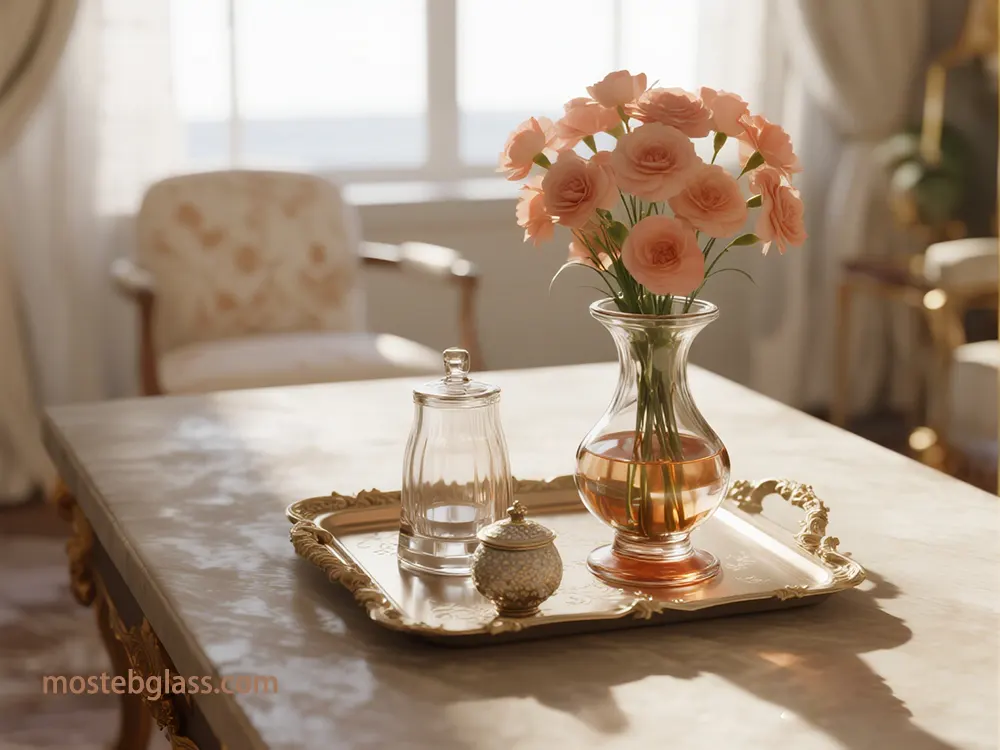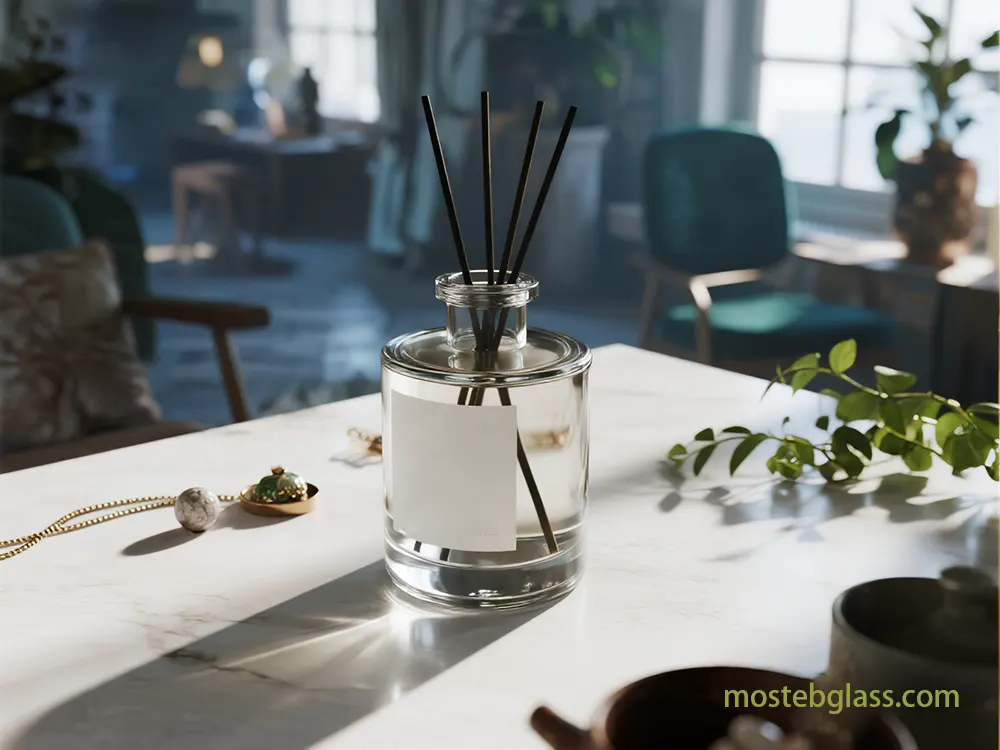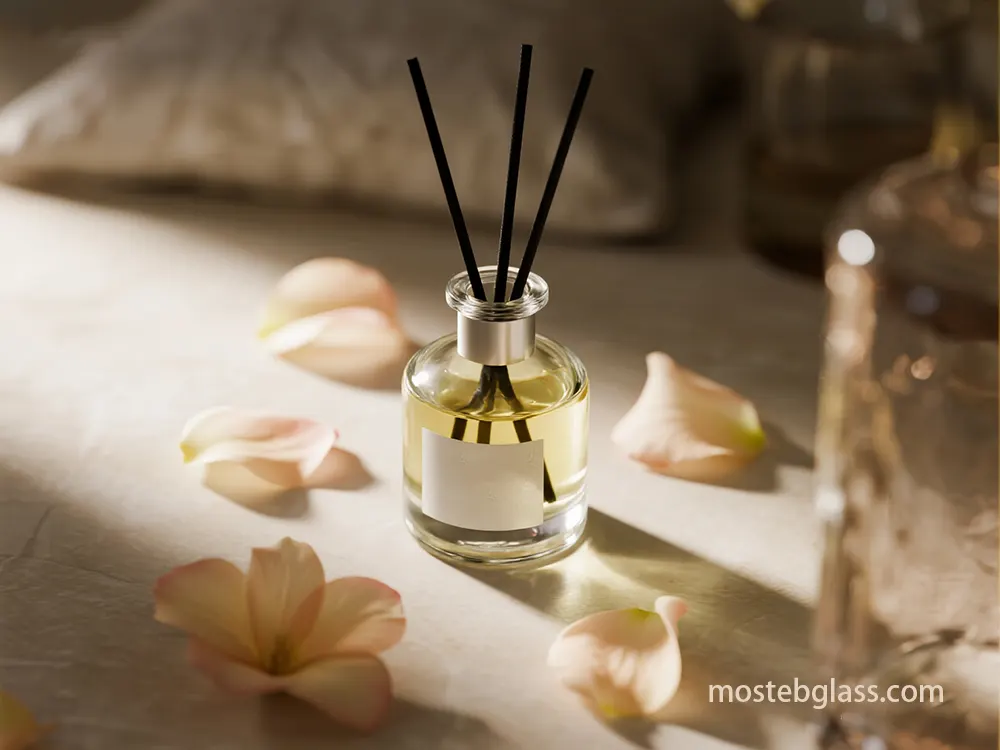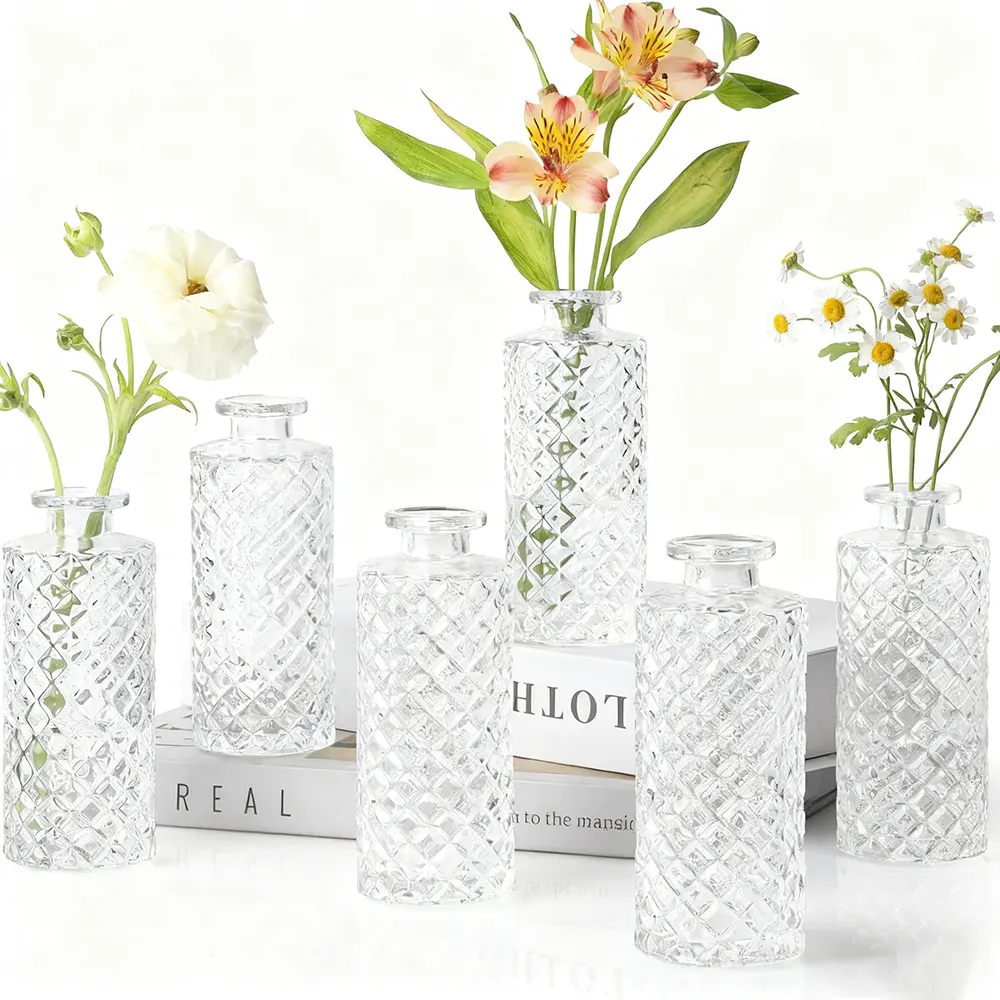
The decorative diffuser bottles factory has experienced an incredible structural change in the rapidly growing and considerably advanced home fragrance market which is currently worth more than 12 billion in the world market. It has grown to be more than just the utility provider of glass vessels and has turned into a high tier strategic brand partner and an intractable component of the luxury lifestyle system. Such manufacturers as Mosteb are currently working at the multifaceted intersection of industrial accuracy, material science and artisanal aesthetics, and are operating in an environment that is marked by volatile energy prices, changing geopolitical trade routes, and increasingly strict global environmental regulations.
This development is aided by the subtle needs of the 2026 Prosumer who will no longer perceive home fragrance as a one-time purchase item. Rather, fragrance delivery systems have become aspects of upend interior design and sensory architecture as well as individual wellness that are here to stay and are considered a necessity. The bottle has ceased being merely a container; it has become a declaration of principles, sculpture and a practical device of managing the atmosphere.
1. Global Sourcing and Production Hubs: The New Geopolitical Map
Location still determines the price, quality standards, and lead times, and regional differentiation is an essential distinction in international sourcing policies. Nevertheless, the East/West dichotomy has faded, and a new hybrid, the hybrid approach, combining high volumes of industrial production with customary craftsmanship, has emerged.
1.1. East Asian Industrial Clusters: The High-Tech Powerhouse
China has been the unchallenged main center of high-capacity and high-efficiency production but the production has changed to be not precisely the labor production but rather the technology production. The factories in the industrial heartlands of Jiangsu, Zhejiang, and Shandong are enjoying well-established vertically integrated ecosystems. Not only the icing furnaces are contained in these clusters, but also specialized mold makers, chemical finishing laboratories, and sophisticated logistics experts.
Recent installations in such areas are now using Industry 4.0 standards and include AI-controlled production quality and robotic arms to provide accuracy in handling. These technical abilities enable the provision of very advanced customization capabilities that previously belonged to the realm of high-end studio, i.e. high-technology vacuum metallization and multi-step electroplating, internal lacquering (where the color is painted on the inside of the glass to create a high-gloss surface). Through major ports worldwide, such as Shanghai and Ningbo, and through the use of real-time container tracking, these factories have reduced disruption during transit and provide some kind of logistical flexibility that cannot be afforded to the express-logistical culture of the existing retail environment.
1.2. European Artisanal Glass: The Heritage Premium
Manufacturing industry in Europe (the Murano and Venetian tradition), France (the Glass Valley), and Poland is virtually monopolized by the luxury and the so-called masstige levels. These factories usually apply semi-automatic manufacturing or base-hand process to make perfume-grade glass. This glass is described to be exceptionally clear, without any seeds (micro-bubbles) and with high refractive indices and resembles the brilliance of crystal.
The area is still the favored location of heritage brands that put more emphasis on the tactile mass of the vessel, also known as the hand-feel, and the status of European craftsmanship. To counter the 2026 energy landscape, most of these European plants have been reconfigured in huge retrofits switching to hydrogen-fueled furnaces and electric-arc melting. This shift enables luxury brands to boast of much less carbon intensity per unit which justifiably warrants the premium price to the environmentally aware elite.
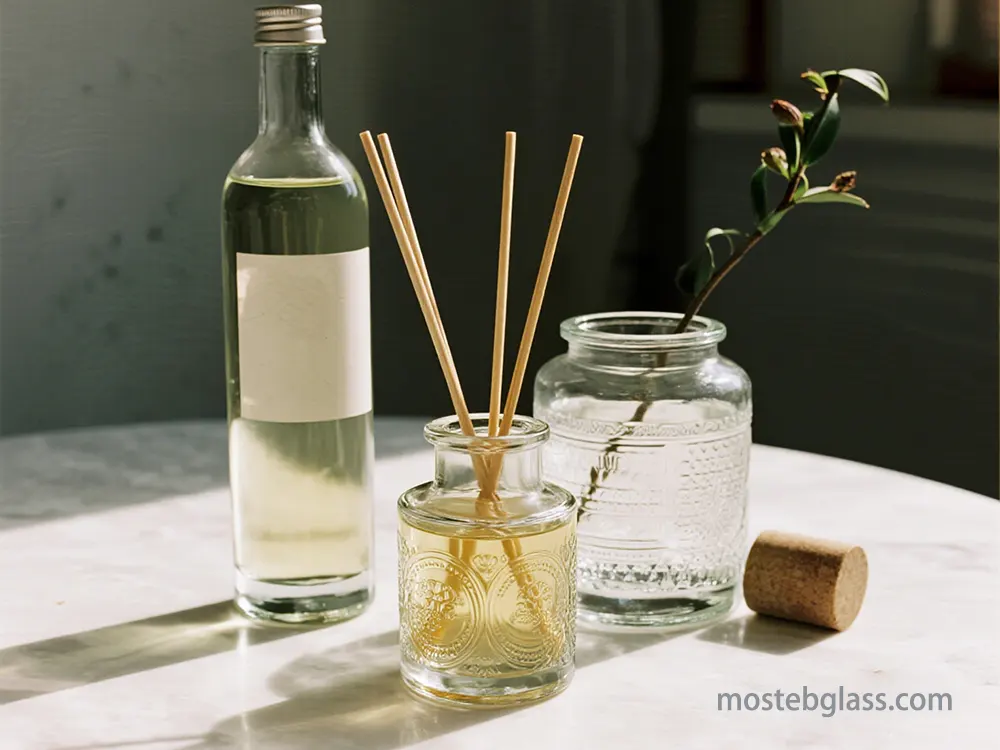
2. Modern Design Trends from a Decorative Diffuser Bottles Factory
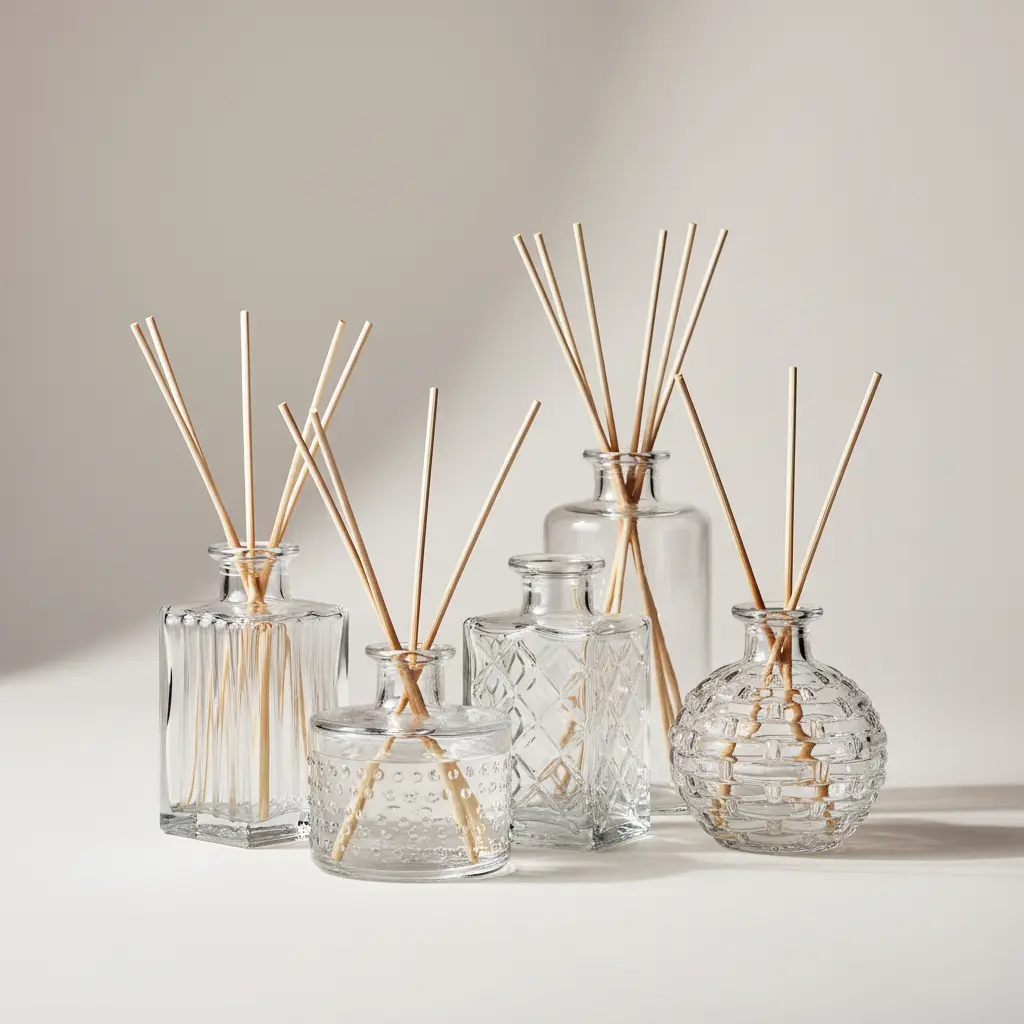
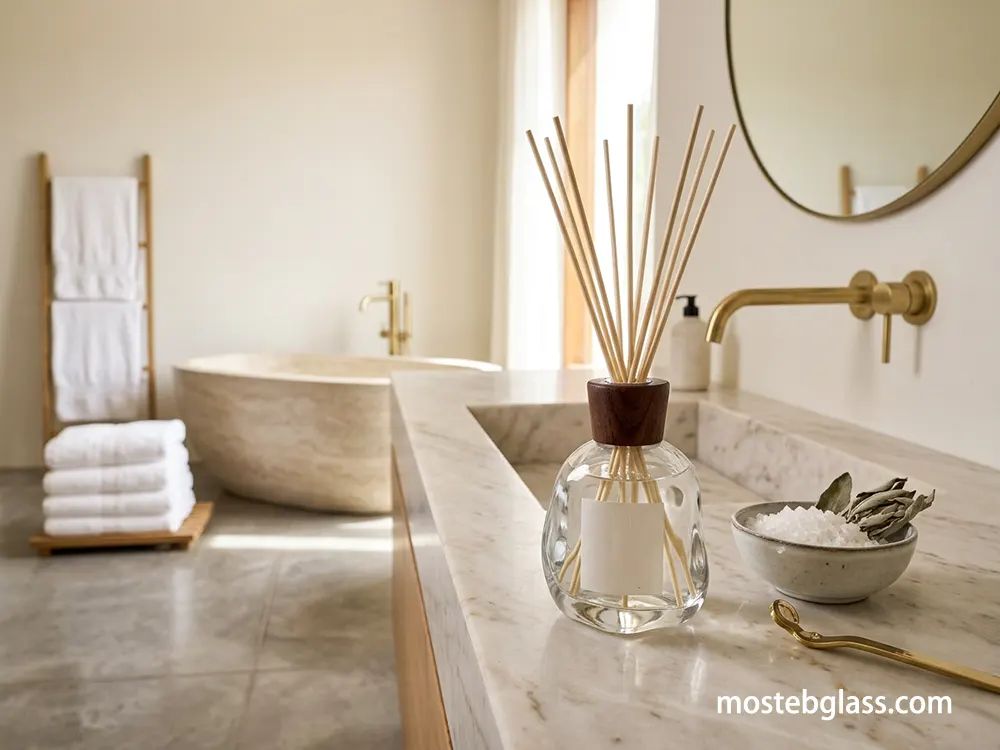
The trend in current designs is not to be minimalist but rather to be assertive and architectural. The contemporary diffuser bottle is intended to be a permanent home decor that is supposed to be refilled and put on display over the years.
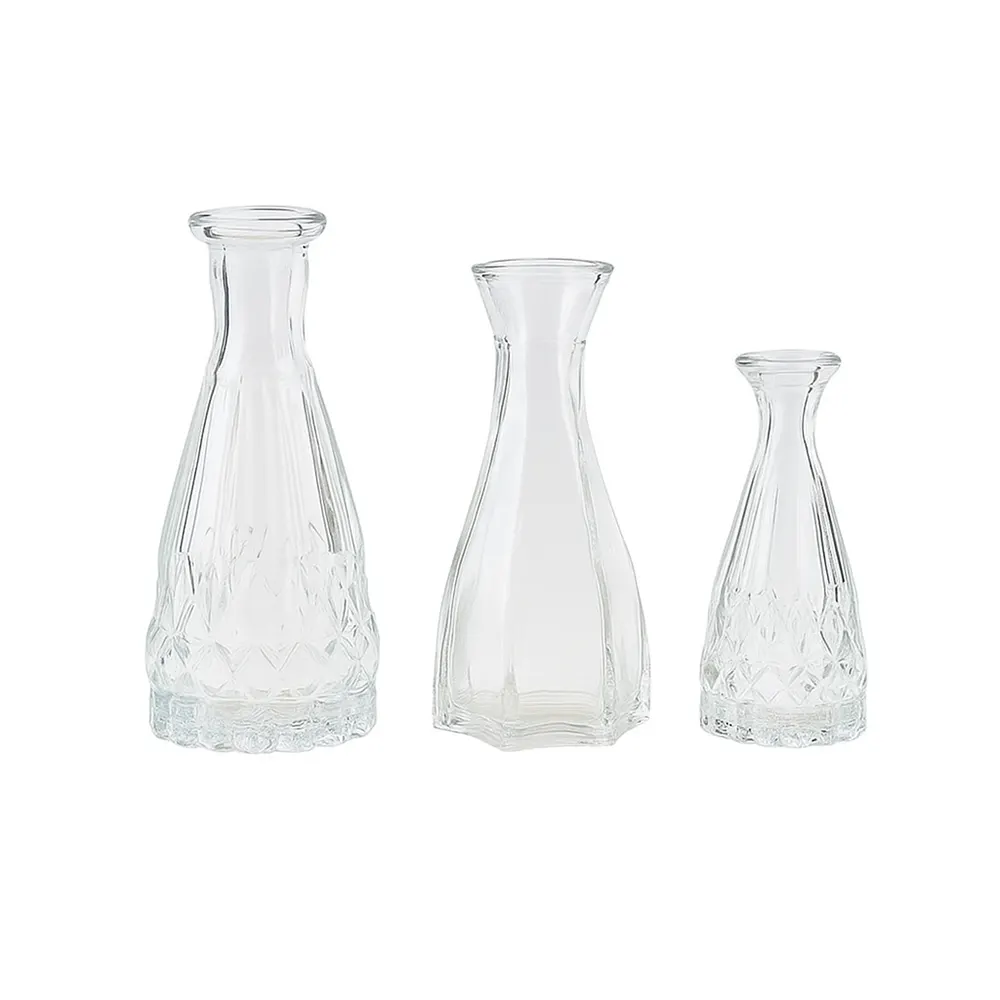
- Brutalist Geometrics and Heavy Bases: This trend is typified by high amounts of glass mass with extra-thick bases that give it permanence and luxury. Mosteb uses special, recrystallized slow-cool annealing lehrs (temperature controlled kilns) to eliminate the internal stress fractures that tend to afflict these high-mass designs. Its intention is to look like a block of ice–the ice that is as clear as possible, sharp-edged, and grounded in visual reality.
- Bio-Organic Silhouettes and Biophilic Design: Recreating the natural, flowing silhouettes like river rocks, eroded canyons or cell forms, these objects need sophisticated 3D generative modeling. These soft, asymmetrical lines with a consistent wall thickness are fairly challenging to achieve as an engineering effort. Regularity of the thickness is not only important in terms of aesthetics, but also the fair distribution of fragrance oils and avoiding the visual distortion of the reeds.
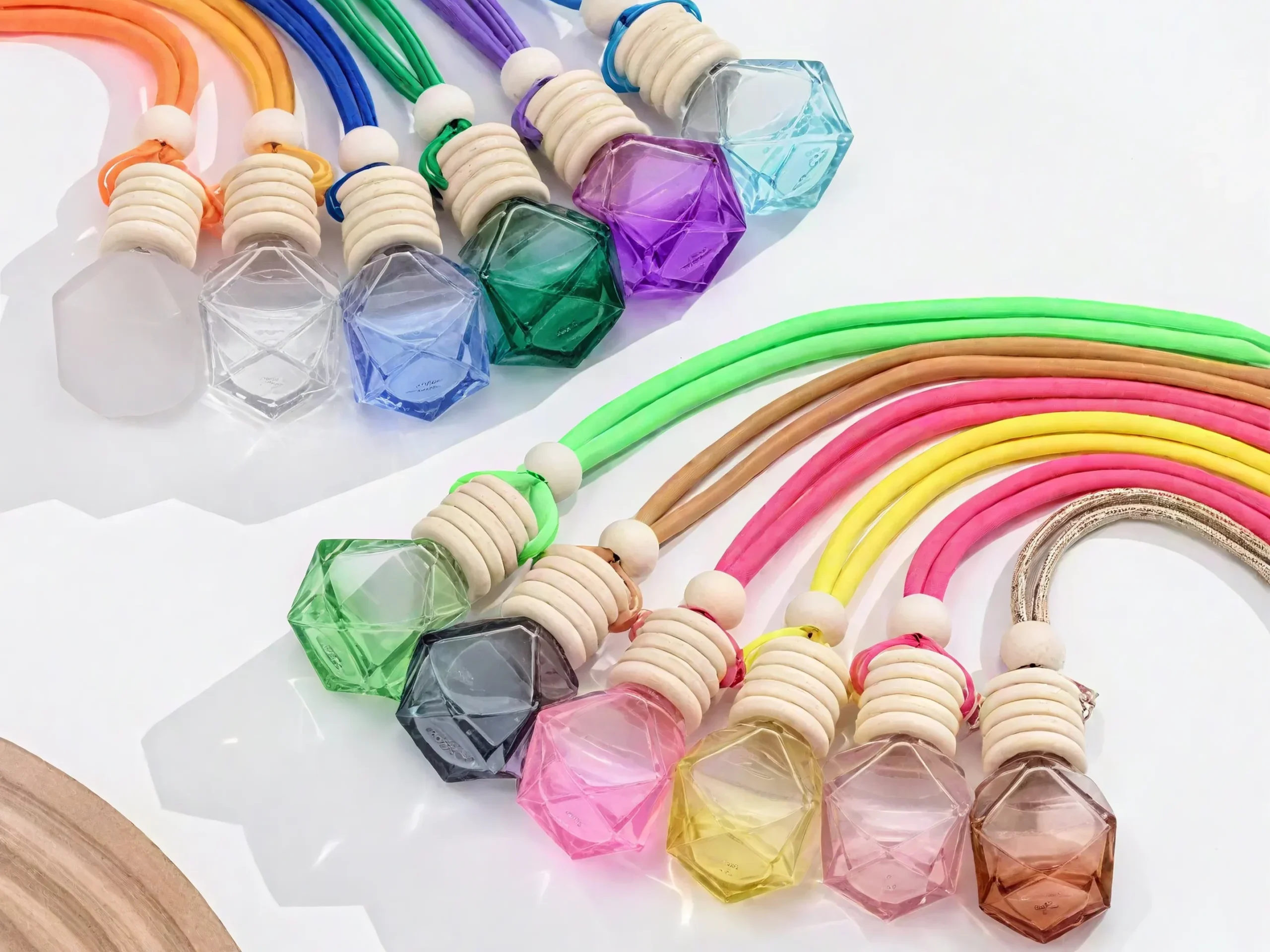
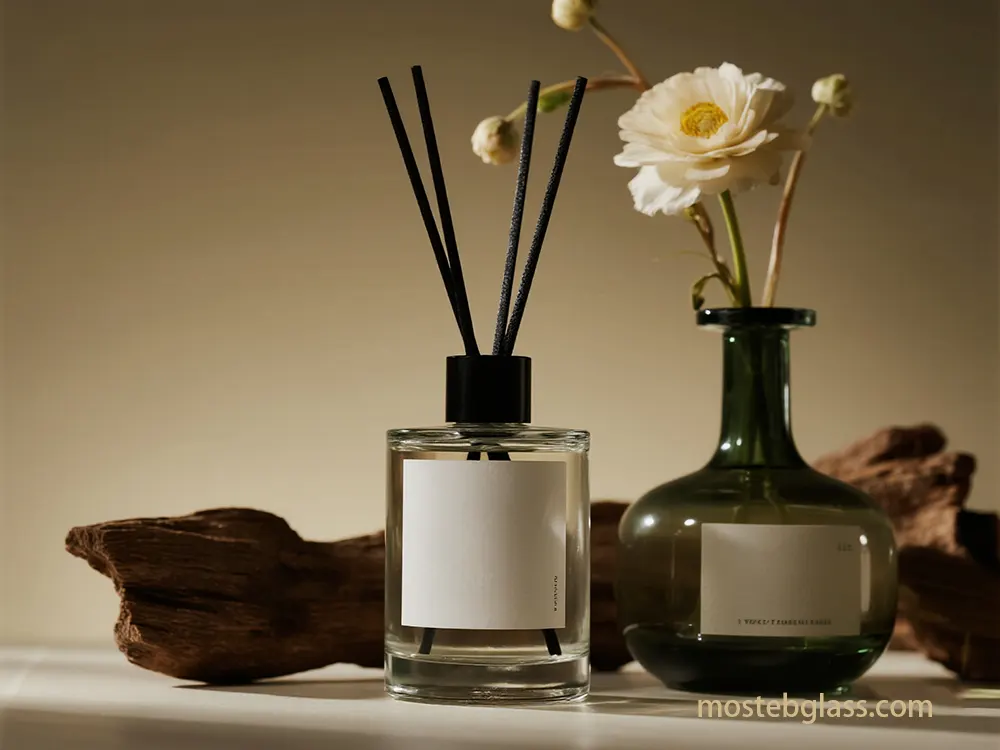
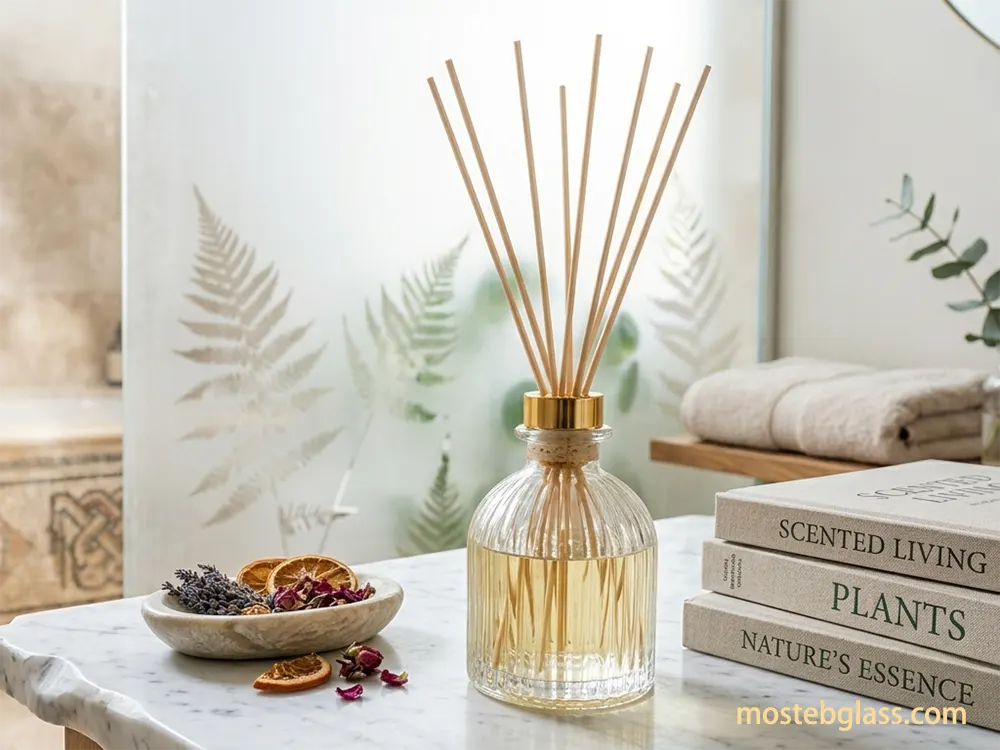
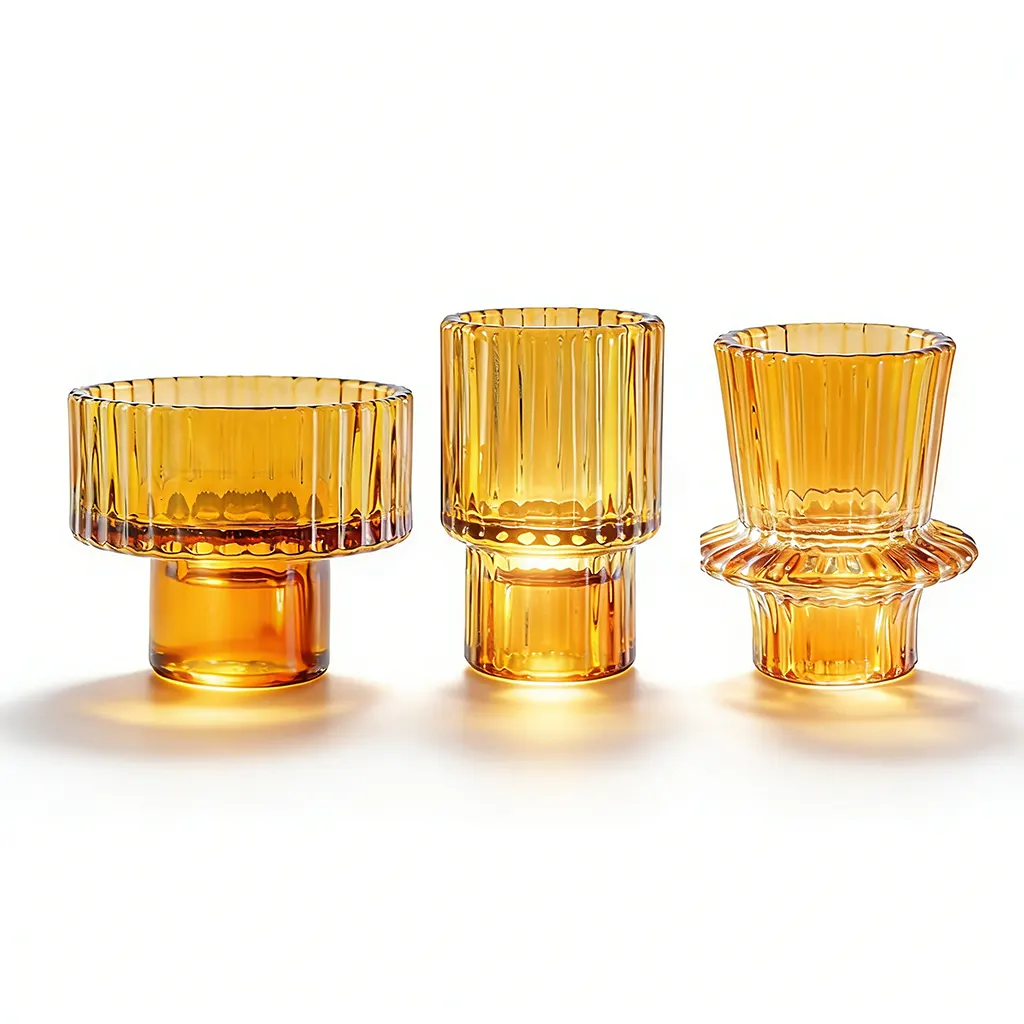
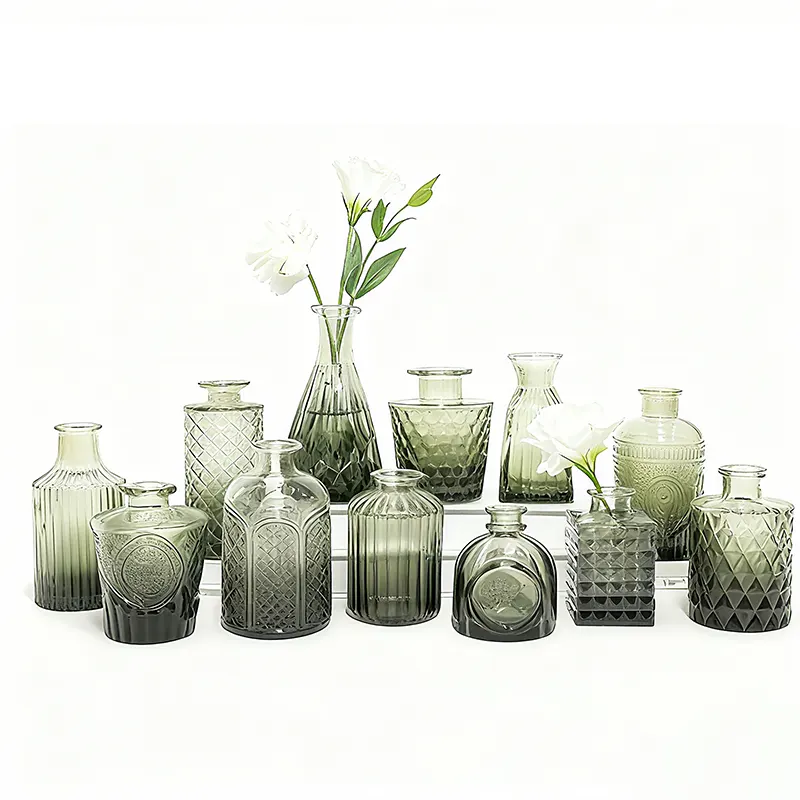
- Apothecary Revival and Light Protection: The revival of the amber, cobalt and forest green glass is accordingly two-fold. In addition to this nostalgic, wellness aesthetic, these intense hues also offer effective UV protection to light sensitive essential oils to prevent oxidation and maintain the integrity of the smell profile. Modern versions include weighted bases and broad-mouthed necks to hold the larger, high-performance reed arrays able to perfume the larger open-plan living rooms.
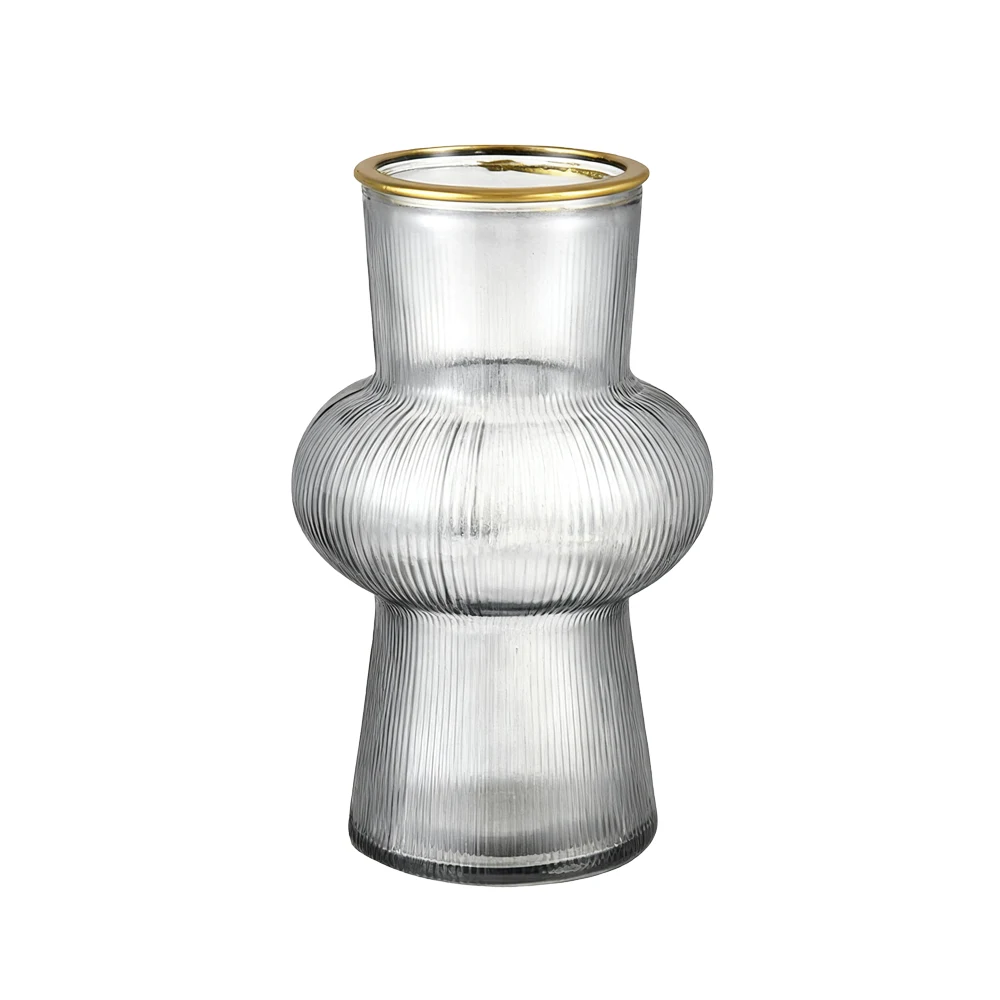
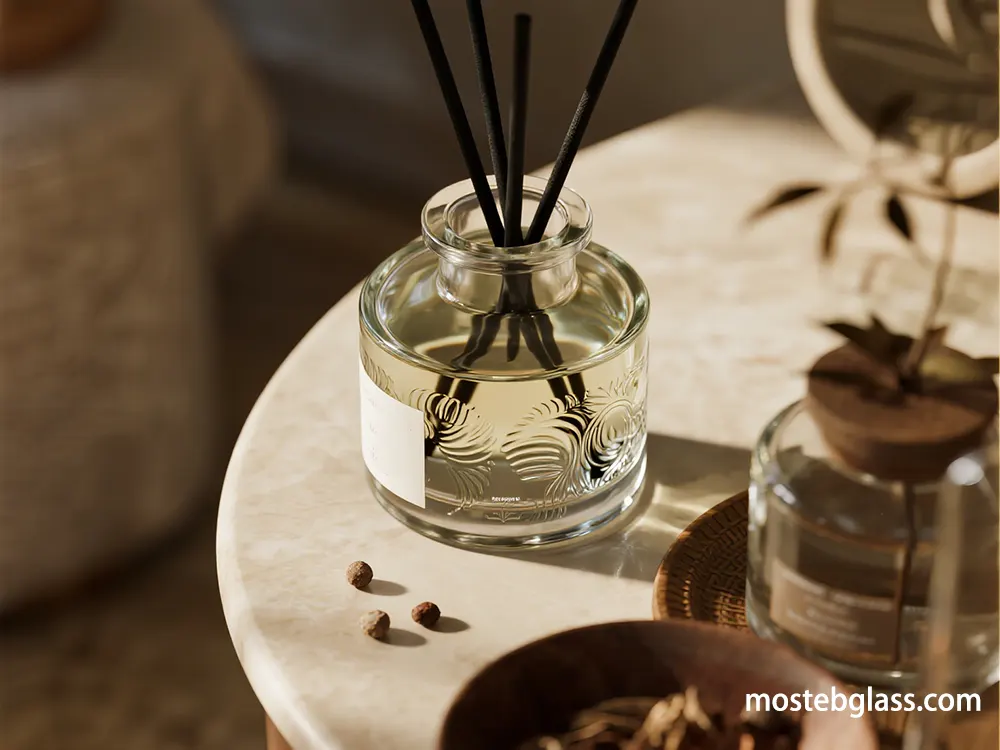
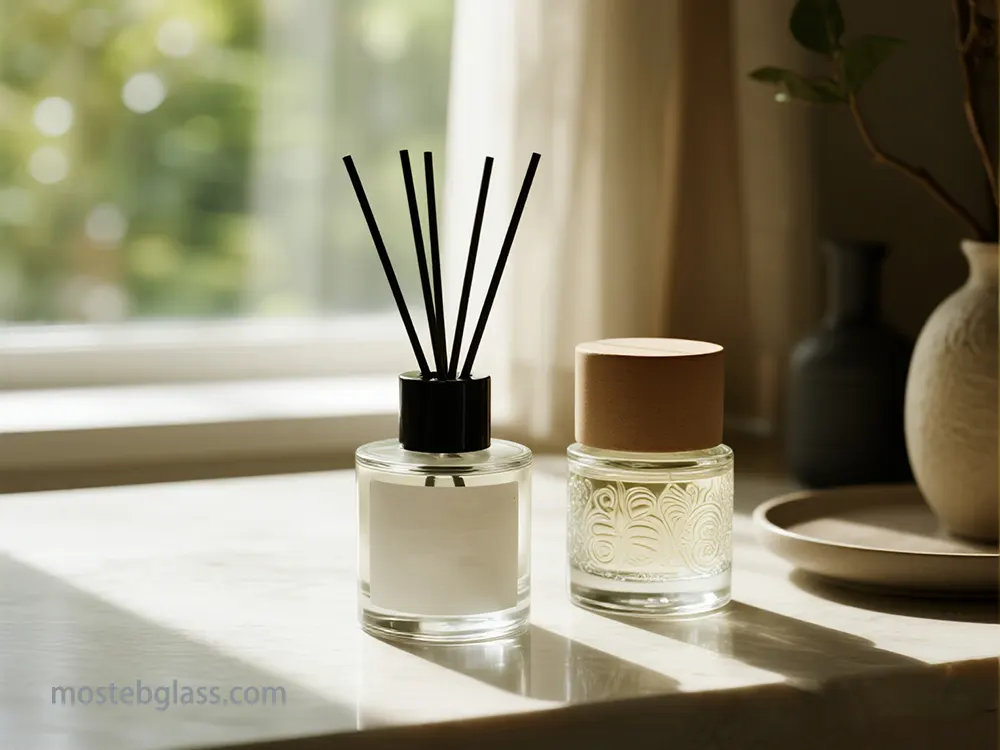
- Frosted Finishes: Frosted finishes, sandblasted gradient, and textured glass that appear to be beaten are on the rise. These features are tactile in nature and give the consumer an additional sensory experience by not only seeing and smelling the product, but also by feeling the glass surface and touch screen with his or her fingers, which makes a touch screen less visible to the touch of the hands.
3. The Shift Toward Circular Packaging: Engineering the "Vessel for Life"
Sustainability is now moved to a marketing add on to a fundamental operational need. The industry is shifting towards a closed-loop process of manufacturing, and each bottle is planned to accommodate its final (or final) uses.
- PCR Glass Integration (Post-Consumer Recycled): Mosteb is currently leading a 50% to 70% Post-Consumer Recycled (PCR) glass amalgamation. The technical difficulty is the quality of the cullet (recycled glass); it is essential to retain high transparency and exclude the color changes due to an impurity flaw with the help of a high-tech optical sorting system. PCR glass, in which case, has a considerably smaller carbon footprint on the melting stage as the recycled glass melts at a low temperature compared to the raw silica, soda ash, and limestone.
- Refillable Architectures and Durability: A shift in the industry is the move towards a vessel of life. This demands glass of considerably greater mechanical strength and resistance to chemicals. The glass has to endure the reuse of cleaning cycles and in most cases these are high-heat dishwashers and also the corrosive properties of the high-concentration fragrance oils. It is becoming increasingly normalized in the industry to use threaded necks so that they can be refilled securely and without leakage, and that the single-use plastic stopper can be replaced by a cork or biodegradable wood-pulp stopper.
- Sustainable Coatings and Decoration: Conventional solvent based lacquers that emit toxic Volatile Organic Compounds (VOCs) are being eliminated. Mosteb uses water-based paint and UV inks in their place. These technologies make sure that ornamental materials do not pollute the recycling stream of glass. Moreover, the transition of laser etching to chemical acid etching minimizes the toxic byproduct of the production process, which allows a really circular lifecycle.
4. Operational Realities and Supply Chain Logistics: 2026 Benchmarks
The following table outlines the typical performance benchmarks and specifications for a mid-to-high-tier decorative diffuser bottles factory in the current market environment.
| Feature | Mass-Market Factory (Asia) | Luxury Artisanal Factory (Europe) | Mosteb Hybrid Model |
|---|---|---|---|
| MOQ (Minimum Order Quantity) | 10,000 – 20,000 units | 500 – 2,000 units | 3,000 – 5,000 units |
| Lead Time (New Mold Design) | 45 – 60 days | 90 – 120 days | 60 – 75 days |
| Primary Material Composition | Standard Soda-Lime Glass | Crystal / High-Flint Glass | High-Flint PCR Blend |
| Customization Depth | High (Screen print/Spray) | Ultra-High (Hand-cut/Etch) | High (Laser etch & UV) |
| Quality Standard (AQL) | AQL 2.5/4.0 | AQL 1.0/2.5 | AQL 1.5/2.5 |
| Energy Source | Coal/Natural Gas Mix | Natural Gas/Electric | 100% Renewable Electric |
| Sustainability Rating | Bronze / Silver | Gold | Platinum (Certified) |
| Unit Cost (Estimated 2026) | 0.40−0.40−1.20 | 5.00−5.00−15.00 | 1.50−1.50−4.50 |
4.1. Forecasting and Energy Volatility
As global factories transition to electric-arc furnaces to meet aggressive ESG (Environmental, Social, and Governance) goals, unit prices have experienced short-term fluctuations due to the high capital expenditure of green technology. Mosteb recommends that brand partners adopt a 6-to-8-month forecasting window. This allows for better alignment with furnace maintenance schedules (which can take a furnace offline for weeks) and ensures consistent stock during peak seasonal demand periods, such as the Q4 holiday rush.
5. Functional Evolution and Safety Standards: Beyond the Passive Vessel
A multi-sensory device, which is already a complicated and developing object of the passive style of reed diffuser, needs more intensive connectivity between the glass factories, fragrance chemists, and electronics engineers.
- Smart IoT Integration: When glass vessels are merged with something (e.g. smartphone apps) that is intelligent on a scale of diffusion timing and intensity, incredibly high manufacturing tolerances are necessary. Even a discrepancy of 0.2mm will not allow a glass bottle to fit in an electronic base. Mosteb is now working on formulations of made-up glass that is signal transparent to enable internal sensors and RFID tags (utilized to automatically identify the fragrance type) to operate without the interference of decorative metallic coating.
- Regulatory Compliance and Leachability: Glass is no longer thought to be inert. It is also tested intensively on leachability so that the delicate fragrance oils, which frequently contain very harsh solvents, do not wear away internal finishes, or degrade the surface of the glass itself, over time. Adherence to IFRA (International Fragrance Association), REACH (Registration, Evaluation,Authorisation and Restriction of Chemicals) and California Prop 65 has become a compulsory minimum.
- Physical Testing Procedures: Each batch of production at Mosteb goes through a series of stress tests. These involve drop testing at 1.5 meters on concrete (mimicking shipping accidents), pressure testing on air-freight safety (not to leak when subjected to a pressure change as the glass will be demystified in a freezing truck and then into a home environment at a high temperature), and thermal shock testing (so that the glass can transfer to a freezing truck and then into a home environment, without cracking).
Conclusion: The Path Forward for Mosteb
The opportunity of the future of the decorative diffuser bottles factory is the idea of “bespoke at scale.” The industry is no longer concerned with the one-size fits all approach but highly customized and technologically integrated environmentally responsible solutions. Mosteb maintains a lead in the industry by concentrating on PCR material development, architectural language design and strict testing of their products in terms of safety.
The end product is to transform the functional fragrance containers into permanent art objects that connect with the aesthetics and ethics of the contemporary consumer who is eco-friendly. By the year 2027, the value will be largely created by smart technology and carbon-neutral manufacturing, which will make the simple diffuser bottle a staple of the international fragrance industry in the home sector.