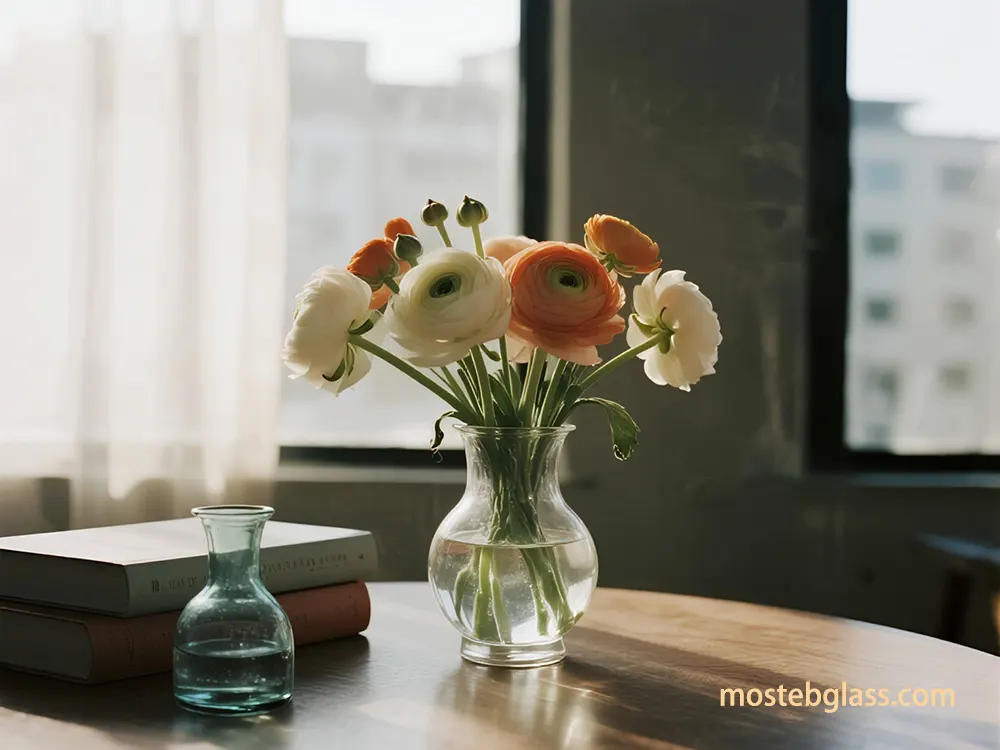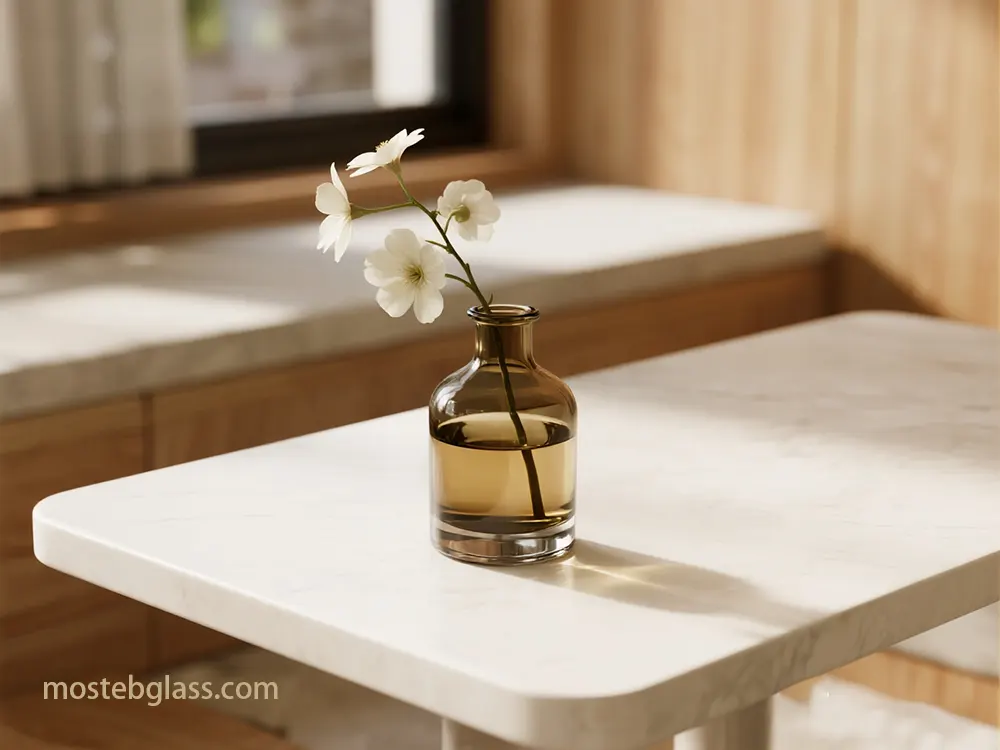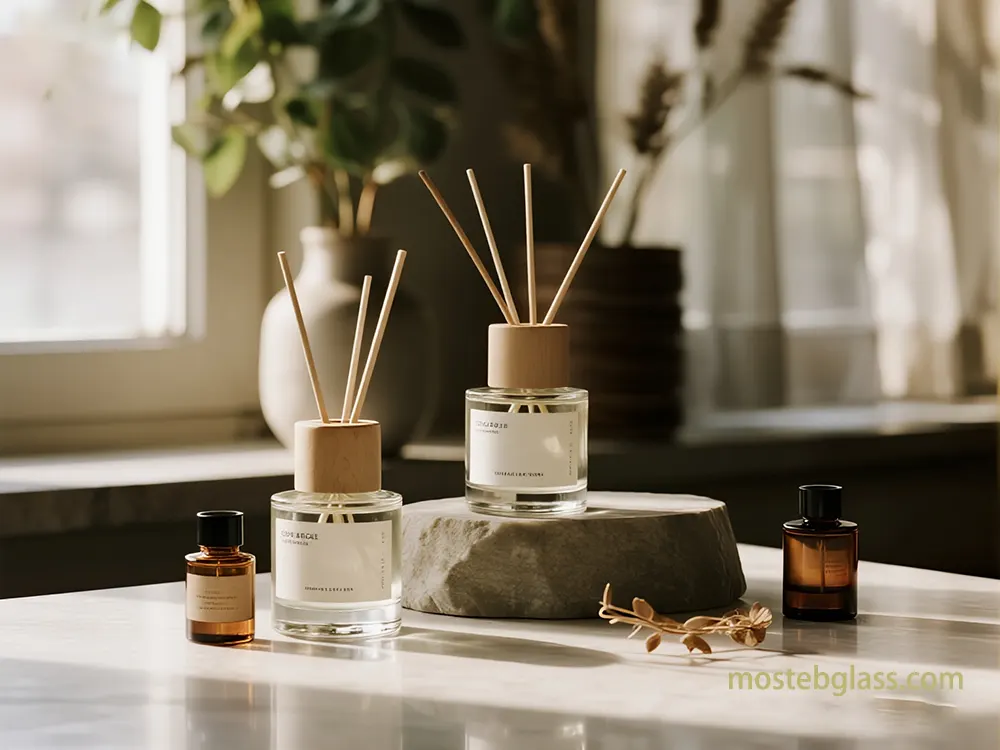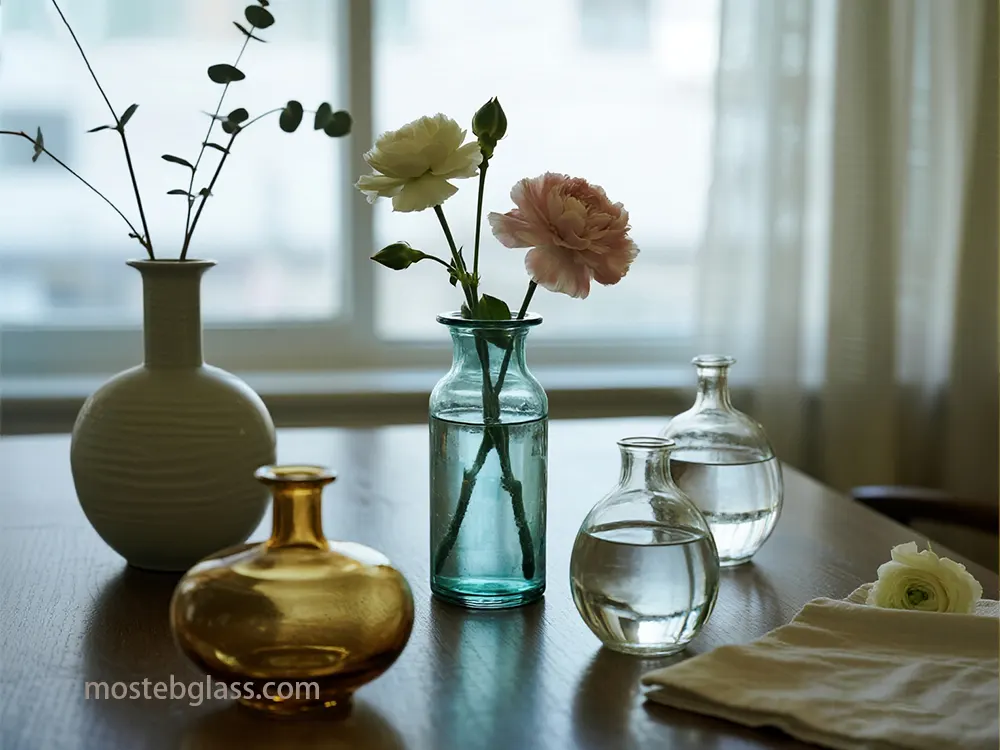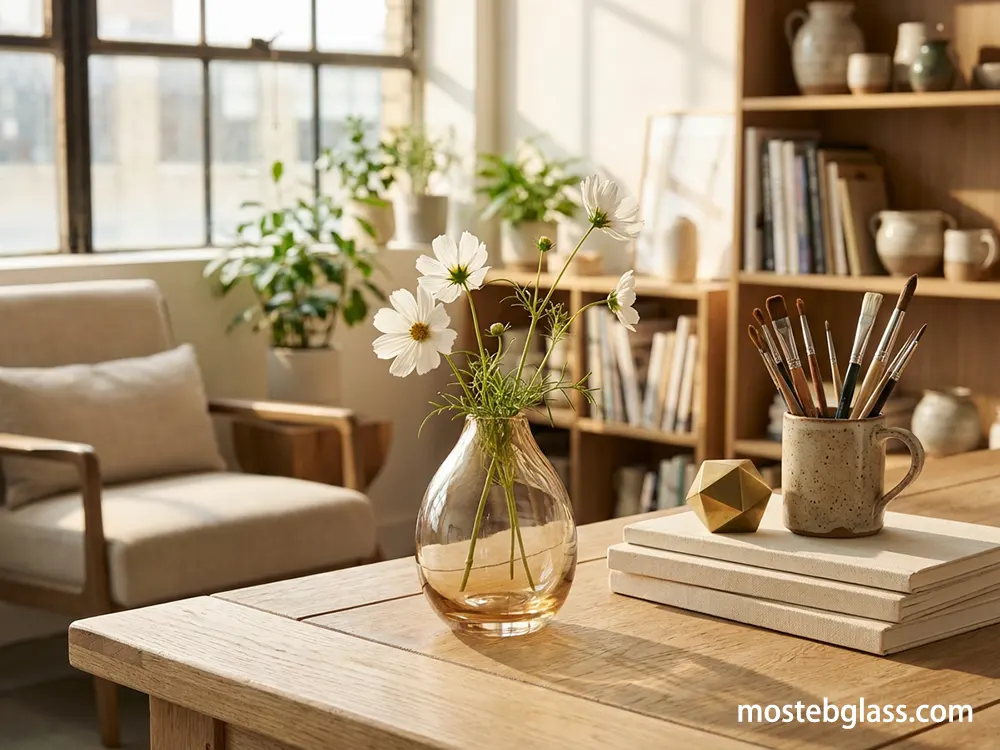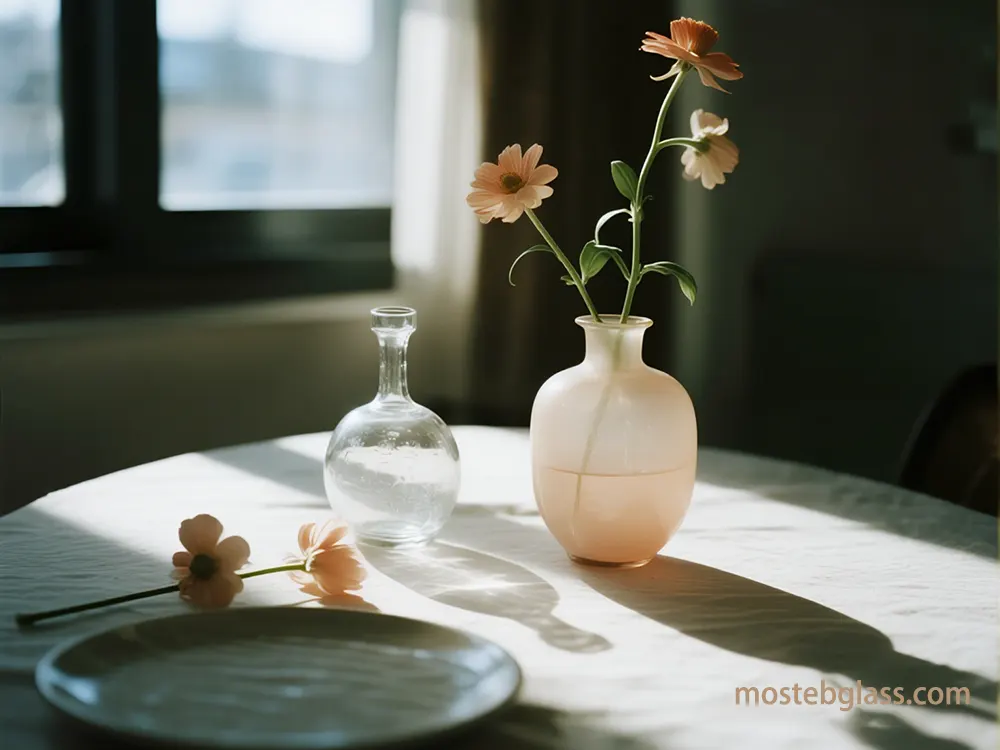
The modern environment for a factory producing glass flower vases is characterized by the interconnection of art, function, and changing market demands. Companies like Mosteb, the creative one, constantly have to find a balance between these factors in order to make products that attract the eye, are useful, eco-friendly, and are in line with the trend of consumer preferences. The present report uncovers the complexity of the approaches needed to be successful in this industry rivalry, by analyzing the aspects of design, manufacture, market, operation, and the upcoming future.
1. Design Principles and Functional Craftsmanship in Glass Vases
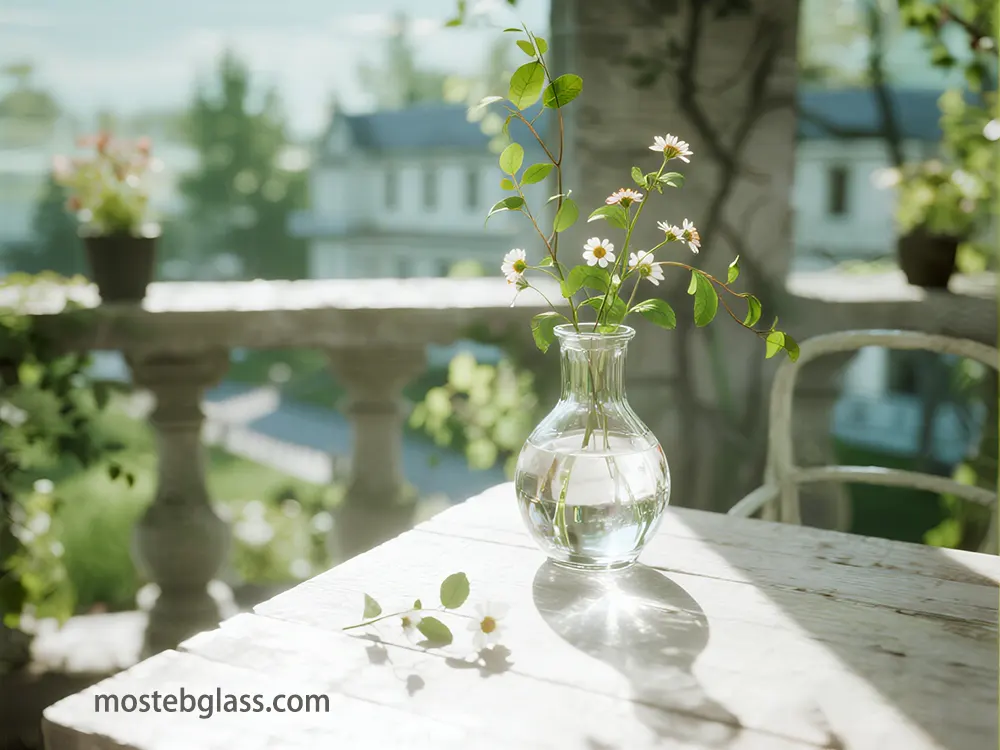
Crafting a glass flower vase is beyond just making a simple container; it’s a delicate combination of an artist’s vision and a real-life practical application. A glass flower vase factory which is creative in design and at the same time functional is one that meets the basic needs, loves the idea of diverse uses, and user experiences.
1.1. Holistic Design and User Experience
Later generation flower vase designs embrace the principles of engineering, beauty, and usability. The size of the vase, its shape, weight, and the ease of handling are some of the factors that ergonomics affects through which it is able to ensure that the vases are stable when filled with water and flowers and hence they do not tip over. The designers make sure the glass vases have impeccable structural integrity as they employ engineering concepts to demonstrate that the vases can take the weight of what is inside them, most times they use wider bases and narrow necks to allow the weight to be evenly distributed and to minimize the chances of tipping over.
Aspirationly, users’ challenges are the major source and fuel for inventing new ideas in design. Among the recurring problems is the necessity that flowers be arranged in the most effective manner, but the usage of a wrong vase makes it difficult to accomplish that. This would suggest either providing more detailed information on vase usage or creating versatile designs that do not have this problem. There are often desires for more stability, simpler cleaning, and more adequate support for certain types of floral arrangements, which remain unspoken needs of the users.
1.2. Material Science and Advanced Design Tools
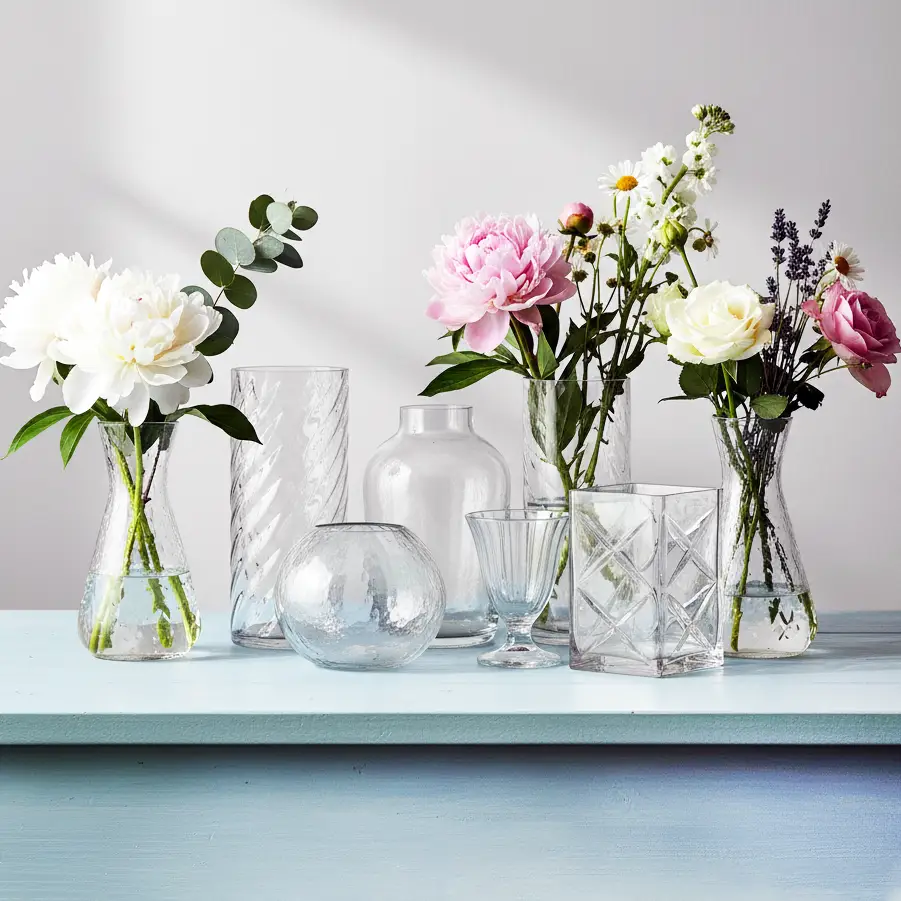
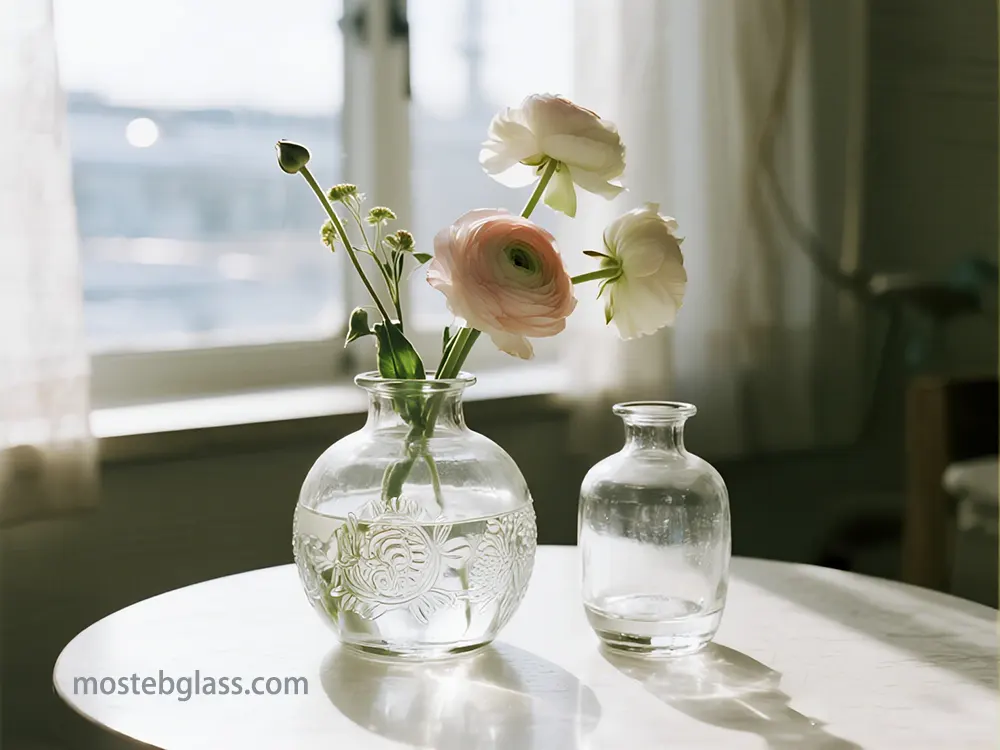
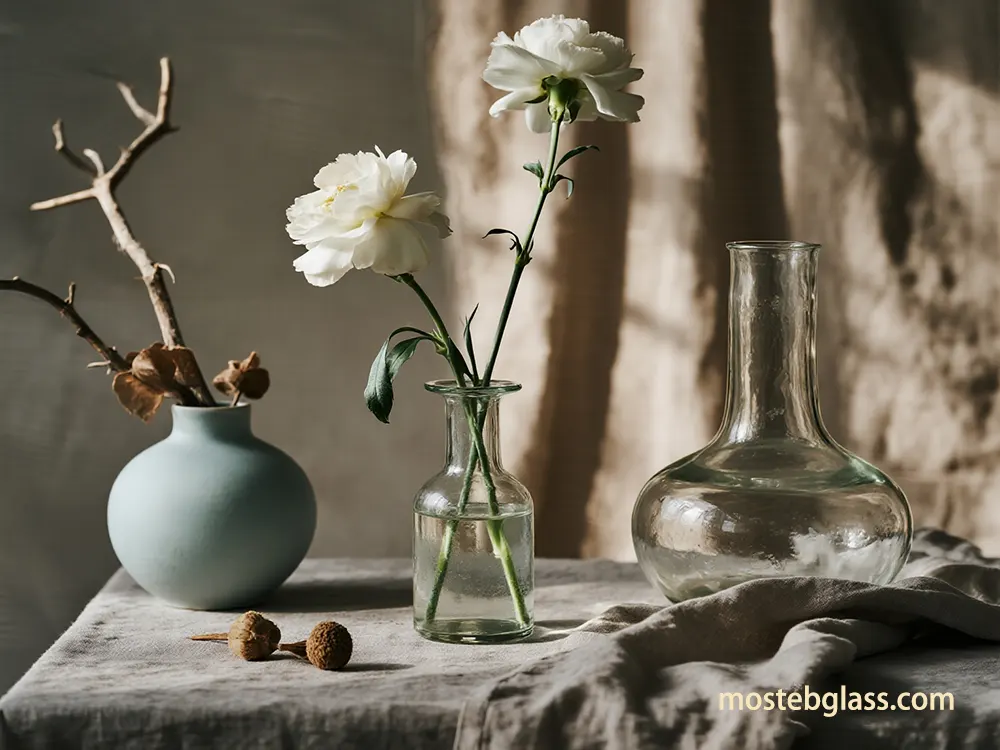
The choice of material plays a major role in the vase‘s aesthetic appeal, its strength, and how well it works. Among present-day innovations are glass fiber reinforced composites that provide a great resistance to breakage while at the same time retaining the material’s transparency and sparkle.Borosilicate glass is geometrically very clean and is often the material of choice in artisan hand-crafted pieces. Besides this, it is extremely thermally resistant acquiring thus becoming stable against temperature change trends.Lead-free crystal trend promises to deliver pure optical qualities without the emission of harmful components.Clear glass vases serve best when the whole floral set is intended to be displayed, stems included, and water level usage is also made easier, hence, more frequent water changes and thus longer flower lifespan can occur.
Computer-aided design and advanced fabrication means like 3D printing and laser cutting allow for highly detailed and functional floral container concepts that are nearly impossible to achieve by traditional craftsmen methods. Precise sizing and reshaping of the model can be done with the help of CAD software such as Autodesk Fusion 360.
2. Production Paradigms in a Modern Glass Flower Vase Factory
Glass vases manufacturing techniques cover a wide range from usually different characteristics of glass products, cost structures, and market positioning dealt with by traditional local craftsmen to advanced industrial processes and now the emerging method of 3D printing is also beginning to carve specialized niches in this field.
2.1 How Glass Flower Vase Factories Combine Traditional Artistry with Industrial Efficiency
- Artisanal Hand-blown Techniques: Even though this method is capable of delivering unique one-of-a-kind aesthetics, it is very slow and requires a lot of work which in turn leads to higher unit costs and limited production volumes. The differences that are typical of hand-blown pieces are in most cases embraced, but they cannot be of a uniform standard.
- Industrial Machine Production: Machine production is generally suited to larger volumes and consistent specifications, while custom molds can be used to develop distinctive shapes for specific brand programs.Conjointly, scalability and uniformity are guaranteed at the expense of limited customization options. Though molds can be tailored, they do not offer the design freedom that 3D printing does and they can consume more energy, thereby contributing to environmental pollution, and generate wastes varieties that are less easily recyclable.
3. Navigating Diverse Market Segments and Consumer Preferences
3.1 Market Segmentation and Growth Drivers
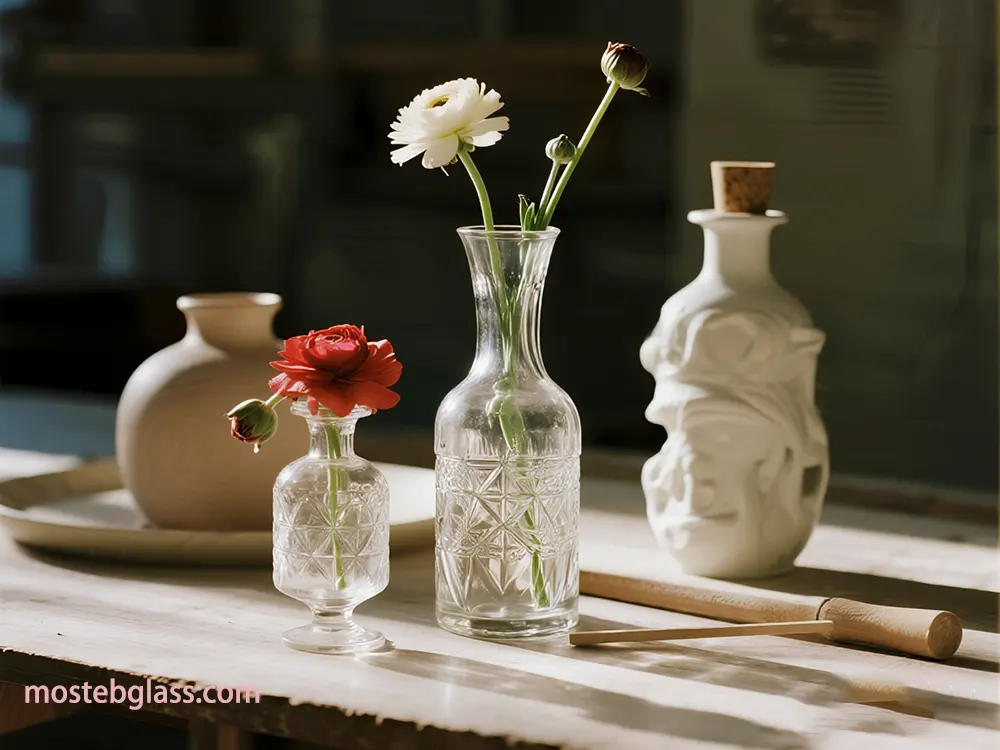
Market segmentation covers product types (handmade vs. machine-made), materials (Soda Lime, Borosilicate, Lead Glass), and applications (residential, commercial). The majority of machine-produced vases are sold due to their lower price, but the sales of artisan-made vases are estimated to increase gradually because people prefer unique, exclusive, and personalized products. Home decor accounts for the major part of the demand, but there is also a significant increase in the use of commercial spaces in this sector.Square/Rectangular glass vases are currently the most popular with a 34% market share, followed by Trumpet (25%) and Amphora (20%) shapes.
E-commerce is a major factor in the distribution network, helping consumers to get products and design ideas with ease. The main reasons for the online sales to be in boom are the convenience of the process, the accessibility of the different platforms, and the fact that customers can compare designs, prices, and reviews by themselves.
3.2 Evolving Consumer Preferences and Trends
- Sustainability and Eco-friendliness:A radical change towards sustainability is visible as about 60% of buyers consider eco-friendliness as one of the main factors when purchasing decorative items. Maker are incorporating recycled glass, low-carbon glass, and energy-efficient manufacturing techniques to meet the demand. About 2/3 of the world’s consumers express a willingness to pay more for sustainable brands, and 1/3 of millennials point that they prefer sustainable and recycled glass products.
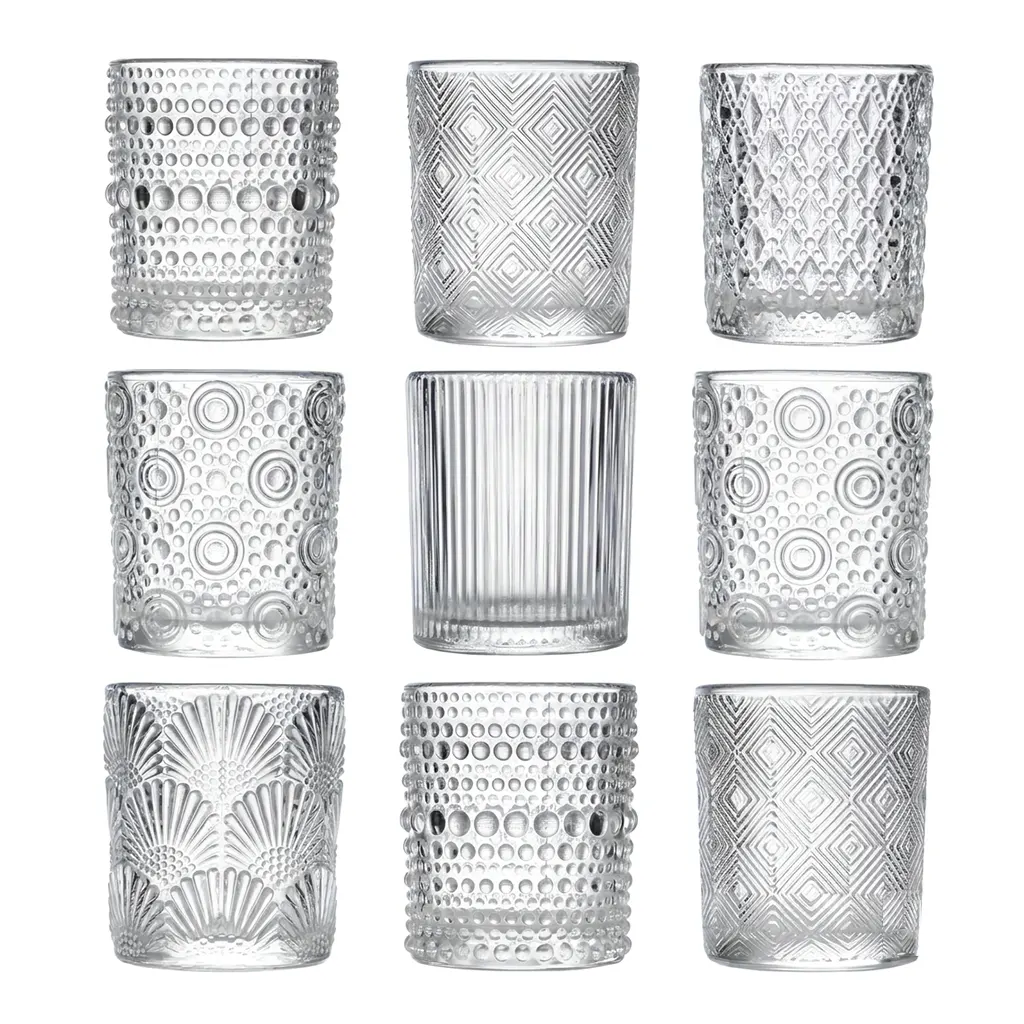
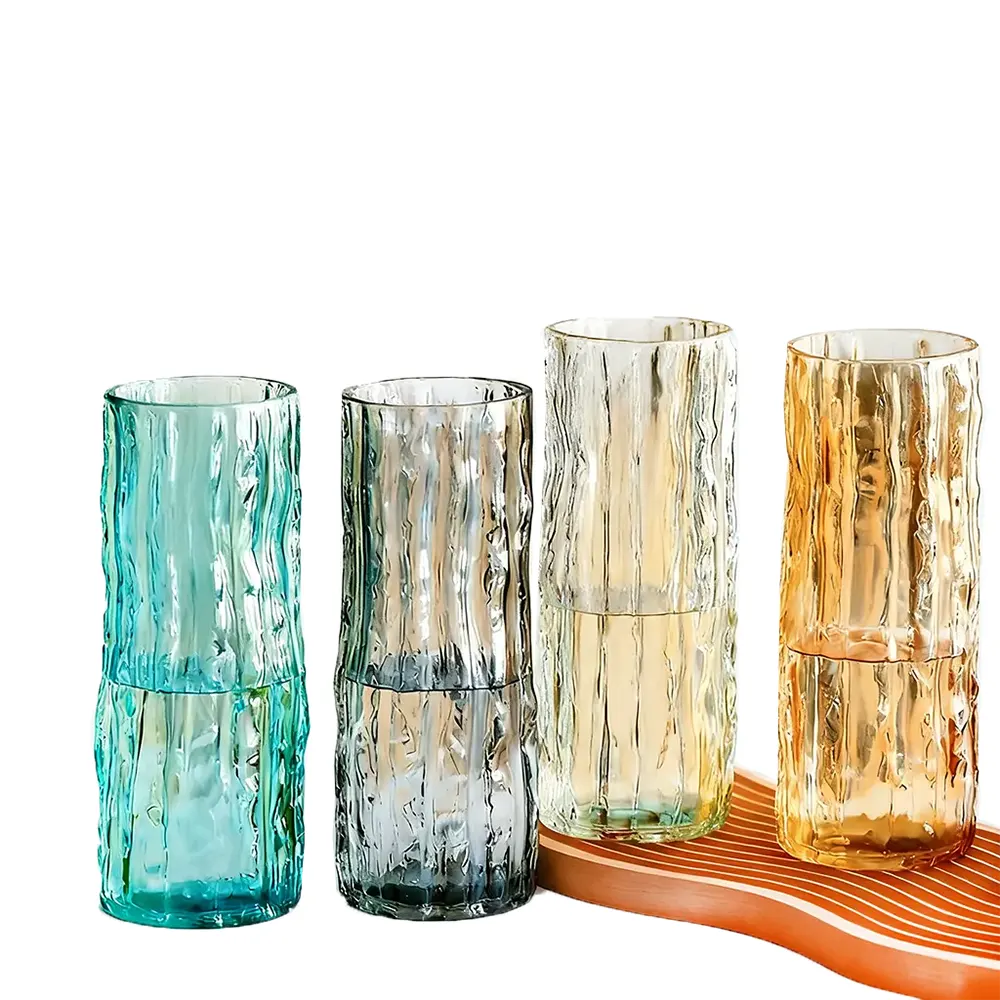
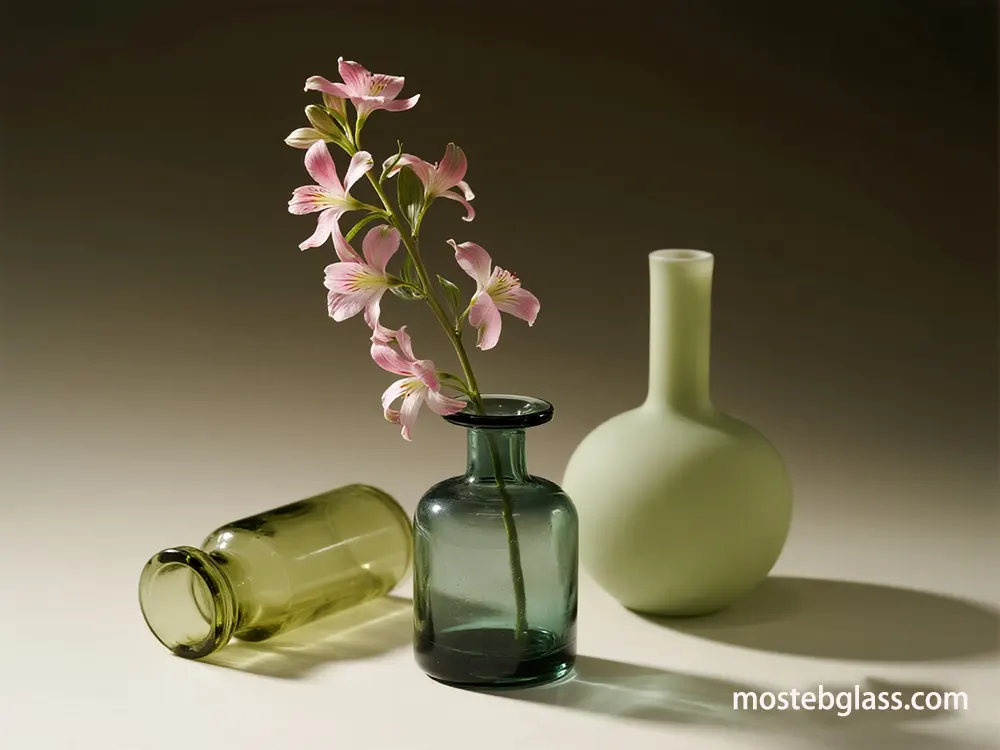
- Personalization and Unique Designs: The buying public is more and more demanding of unique, handcrafted, and personalized products that reflect their individual tastes, hence, the move from traditional clear glass. Some of the artisanal methods that consumers might encounter are the use of texture, gradient coloration, and organic shapes.
- Vases as Decorative Art Pieces:The glass vases have shed their functional-only role and, in fact, are increasingly considered as separate art pieces, statement décor, and mood setters. As a result, this calls for designs that serve both function and aesthetic, with a clientele willing to pay more for the uniqueness and artisan-crafted pieces.
4. Operational Resilience: Challenges and Strategic Responses
Among the difficulties glass vase producers have-operational problems such as sourcing of materials, getting skilled labor, protecting designs, and dealing with market ups and downs-being able to create operational resilience is vital if they want to keep their competitiveness and efficiency.
5. How a Glass Flower Vase Factory Creates Products
5.3 Circular Economy Principles and Design Strategies
- Design for Disassembly (DfD) and Modularity: DfD is about creating methods that can be easily taken apart at the end of their lifecycle to open up the possibilities of repair, refurbishment, reuse, and recycling. Modular design is one of the ways a product can be put together after disassembly, thus prolonging the lifespan of the item and lessening the production of waste.
- Take-Back Programs and Upcycling: Circular economy principles entail the conversion of manufacturers into entities that reclaim the products or packaging that have been used by customers for the purpose of recycling or reusing them. Corning has several packaging recycling programs, and it is willing to broaden its glass scrap take-back program. Upcycling of the used glass bottles into the new decorative items is also gaining ground as a trend.
5.4 Market Acceptance and Regulatory Landscape
- Consumer Demand and Willingness to Pay: The demand for sustainable products from consumers is very high and keeps on rising, about 60% of customers would take into account the eco-friendliness of a product when buying decorative items. Also, consumers show great readiness to pay for such products. The PwC 2024 survey was explicit that, on average, consumers are ready to pay 9.7% more for products which are made or sourced sustainably.
- Regulatory Pressures (EPR): The Extended Producer Responsibility (EPR) and similar regulations have been enacted in different areas. With this change, the producers are to bear not only the financial but also the operational responsibilities of packaging waste management. Though glass fits EPR criteria as a practically infinitely recyclable material, it can happen that certain EPR implementations especially those based on weights in terms of fees may be affecting glass producers more than others resulting in higher prices for consumers and their turning to alternative packaging materials. Representatives of the sector call for policy refinement that will ensure a just distribution of costs and efficient recycling systems.
- Life Cycle Assessment (LCA):The LCA process is a major instrument for determining the environmental impact of a particular product ranging from raw material acquisition to its final disposal. Basically, these studies point to the glass melting phase as the most energy-demanding and polluting one. The glass industry employs a “cradle-to-cradle” LCA model that not only covers the entire lifecycle but also closed-loop recycling.
5.5 Emerging Trends and Future Opportunities
The glass industry of flower vases Mosteb like may securely take the path of future success only through their readiness behavior wise to approach these innovations, spread sustainable practice during their operation and from globally conscious and design-savvy consumer base, adapt to changing demands.