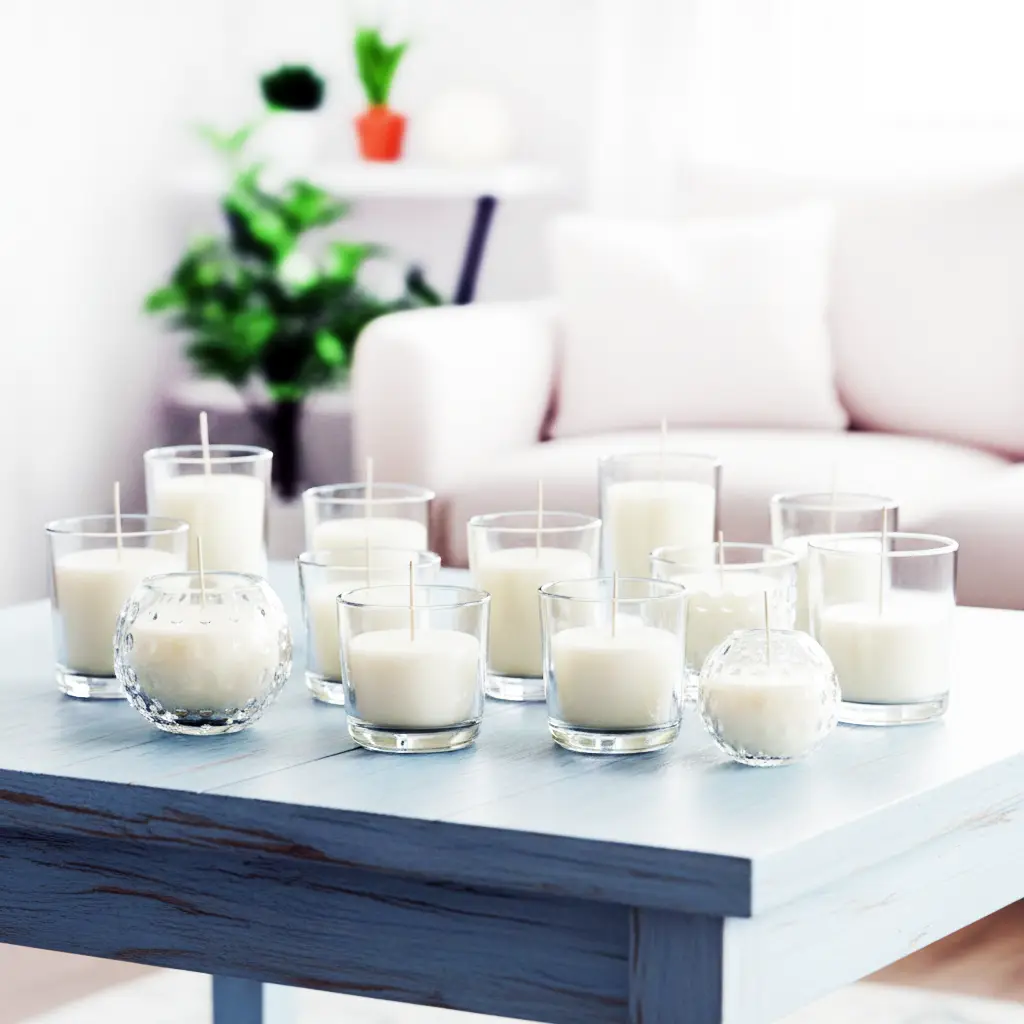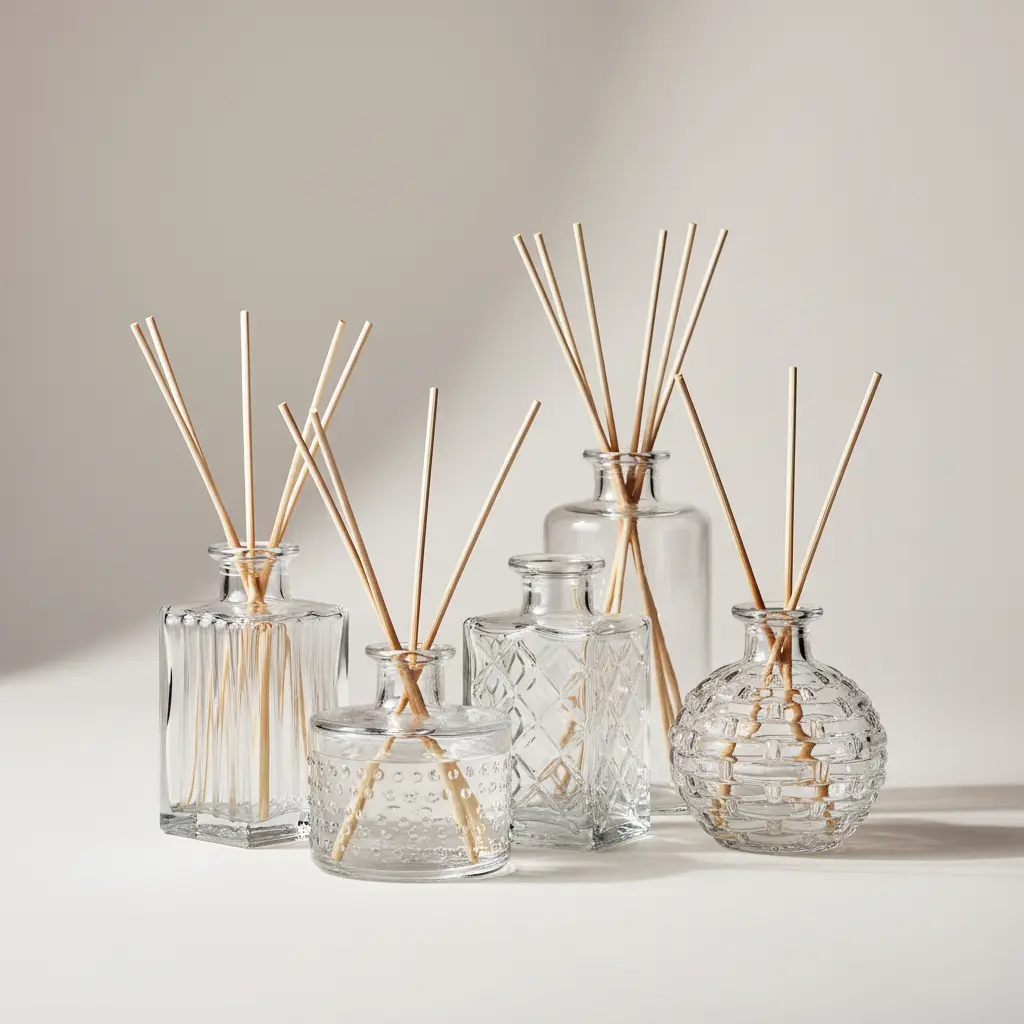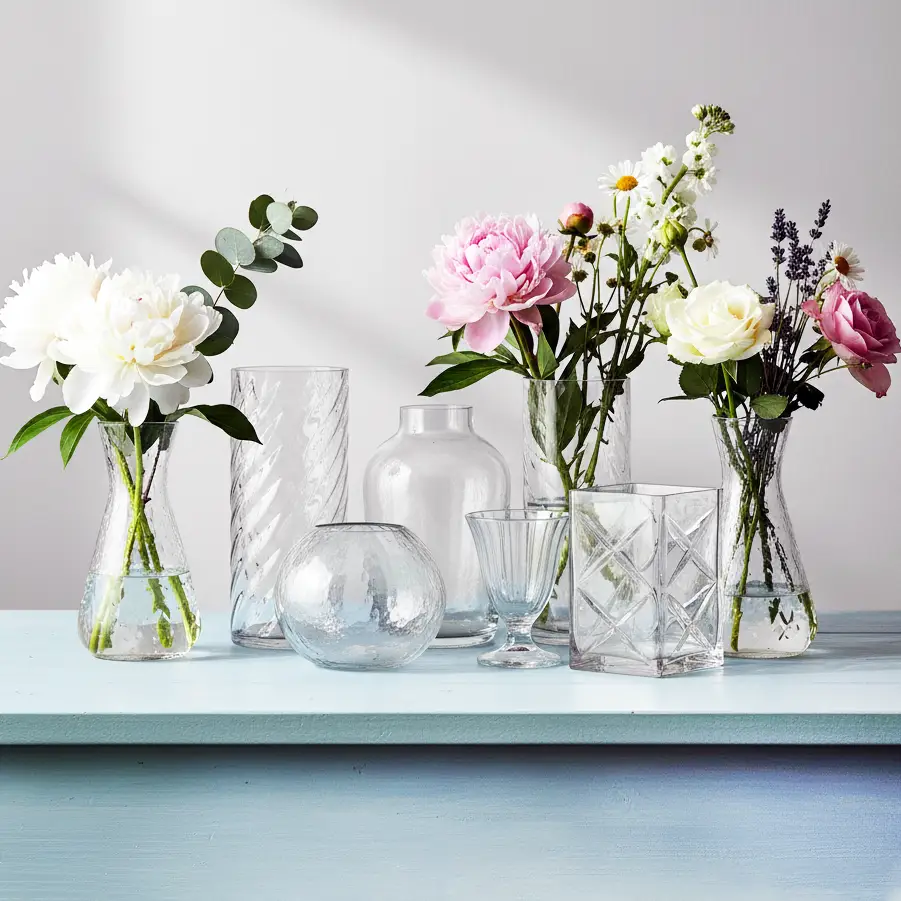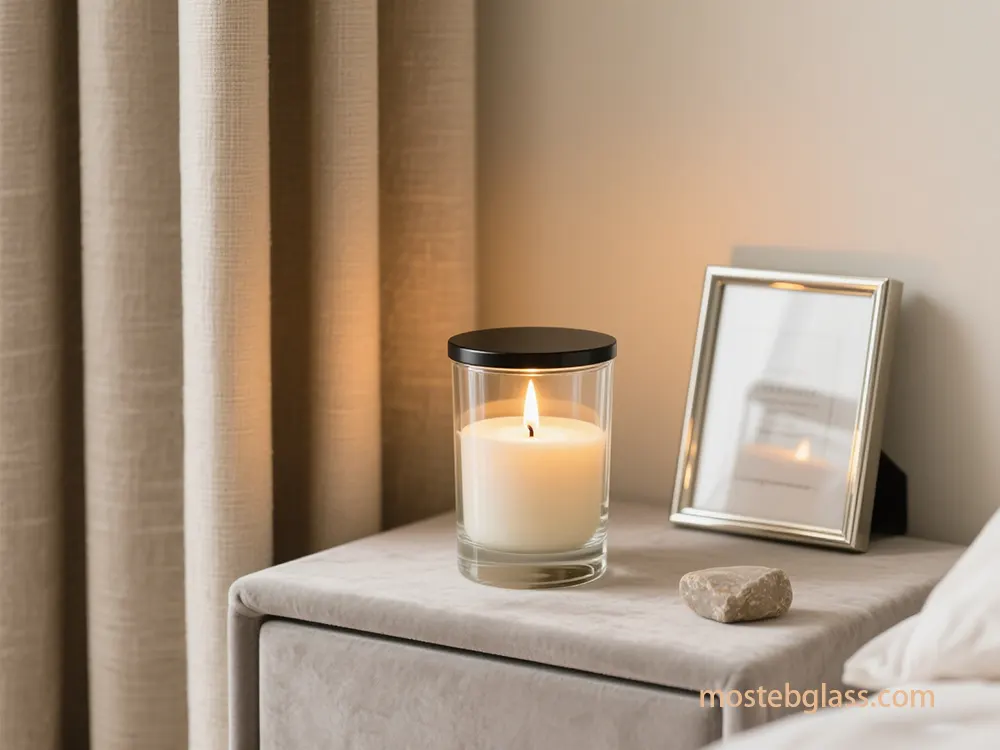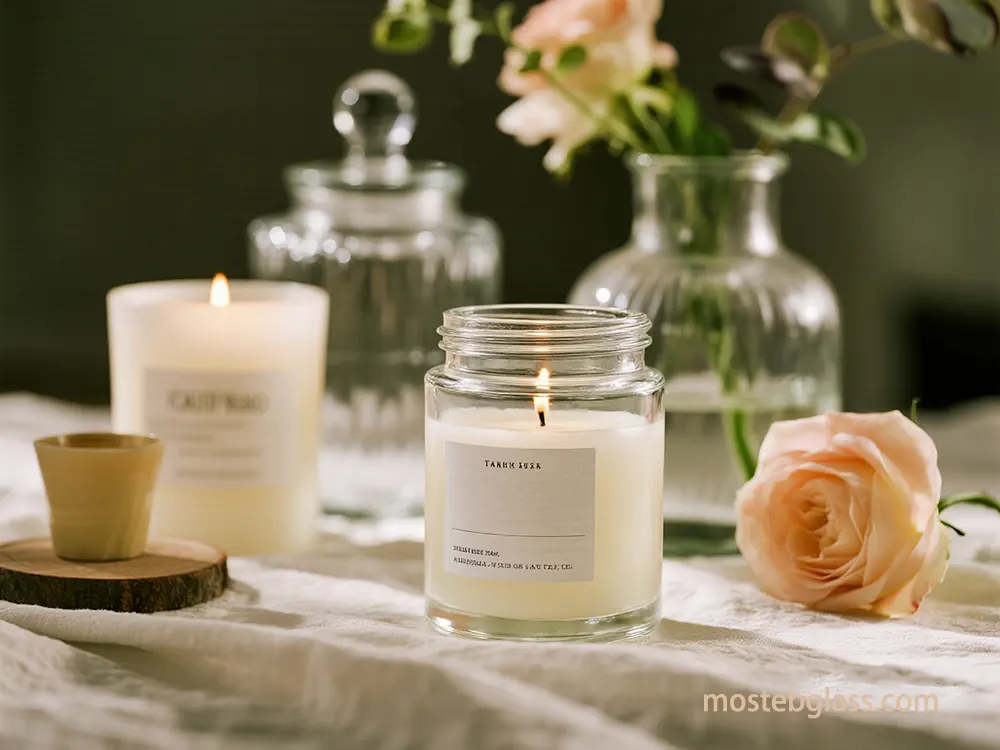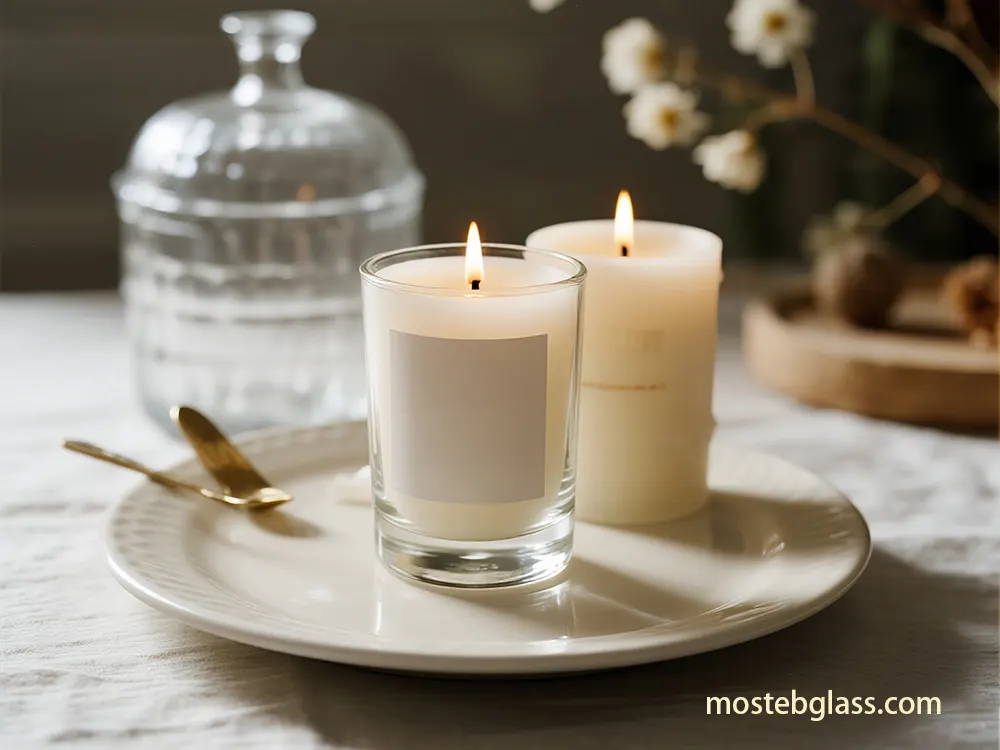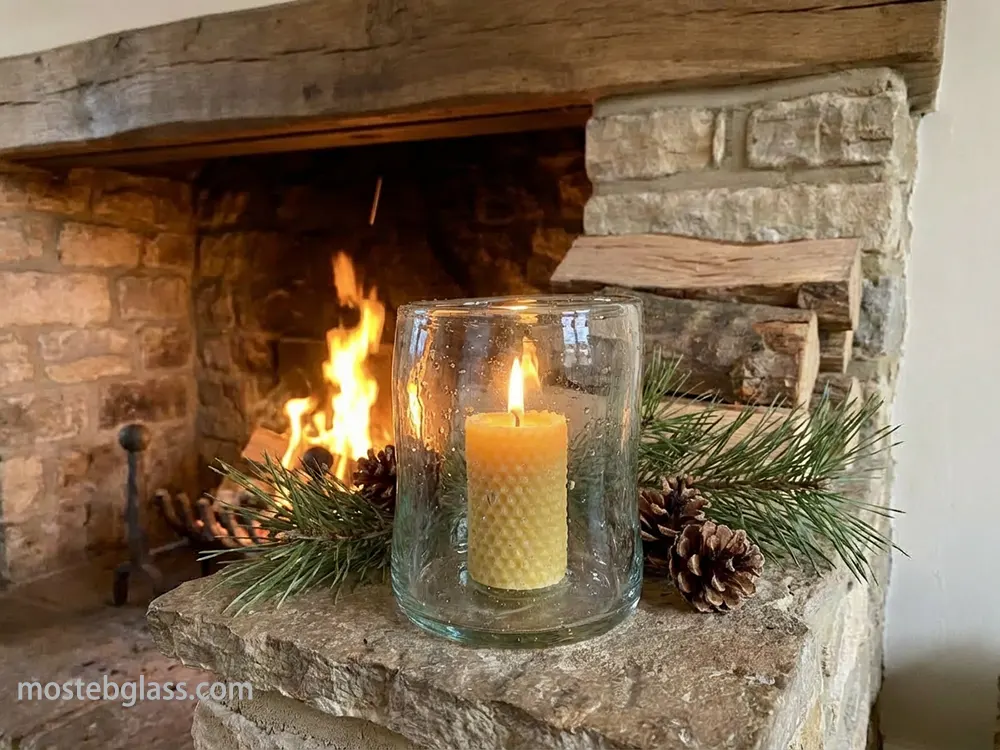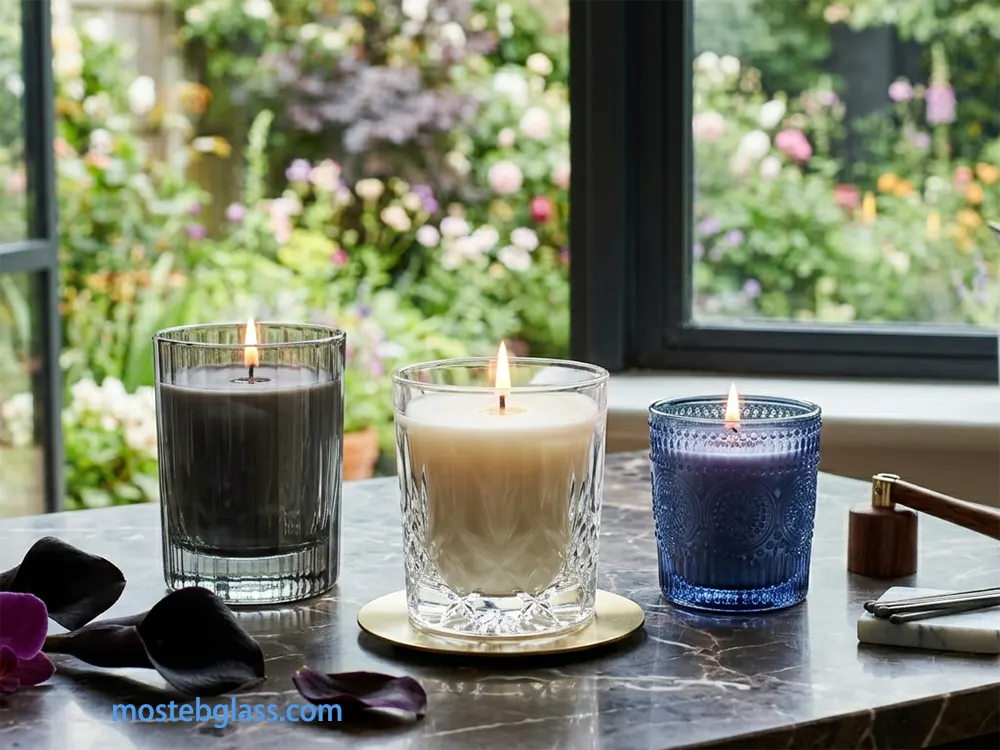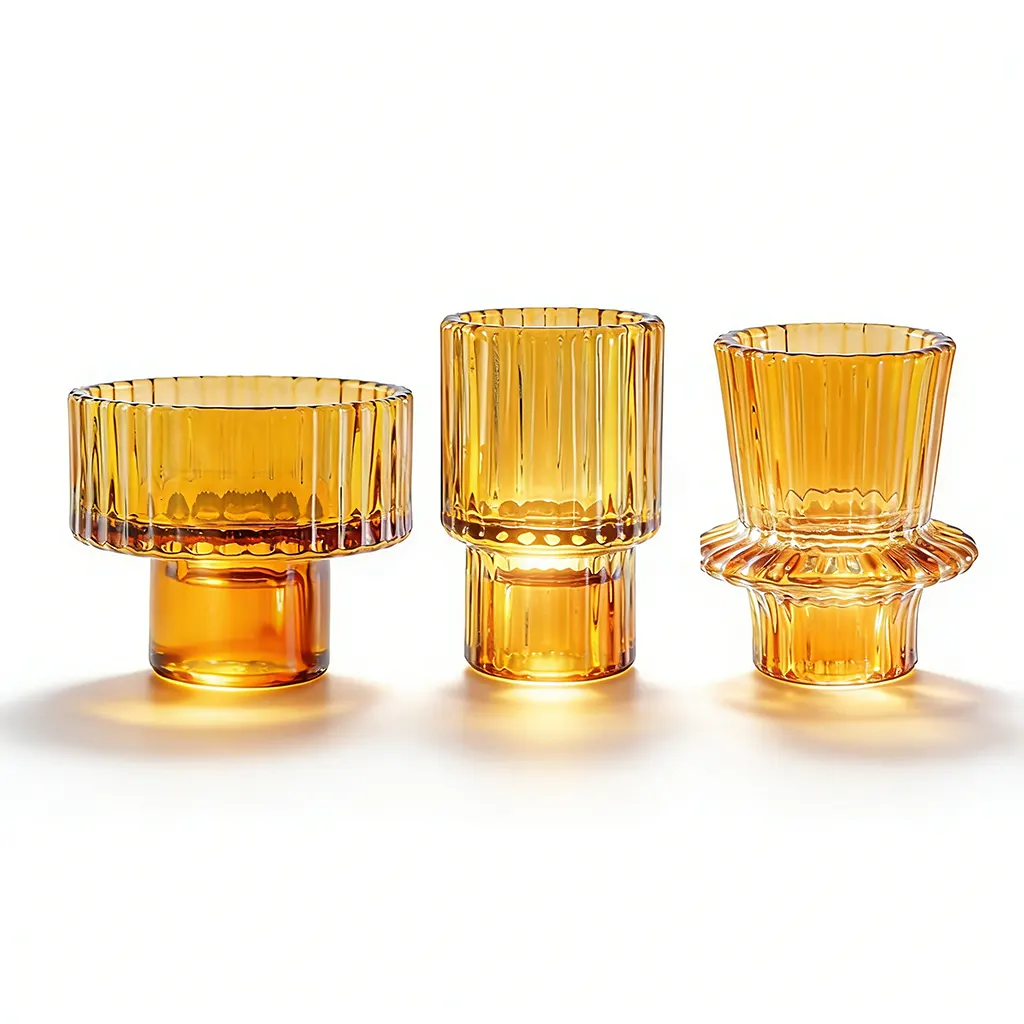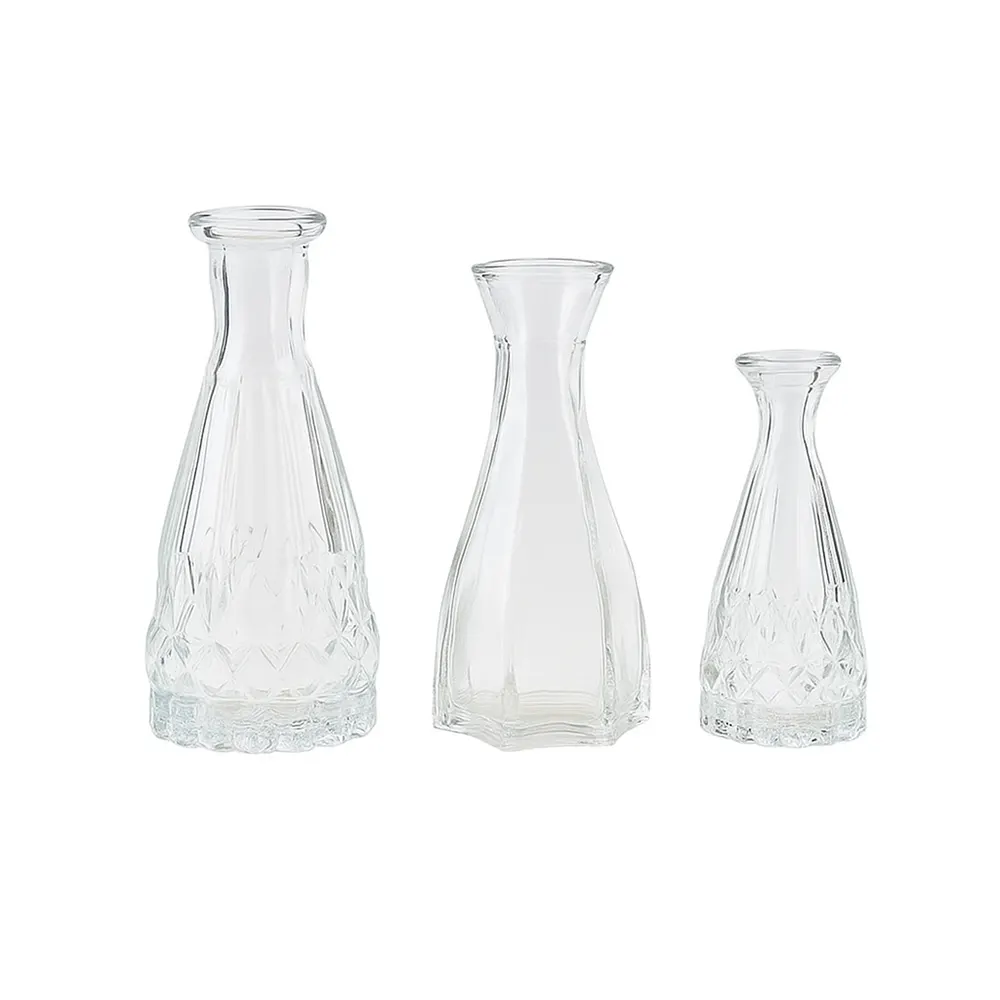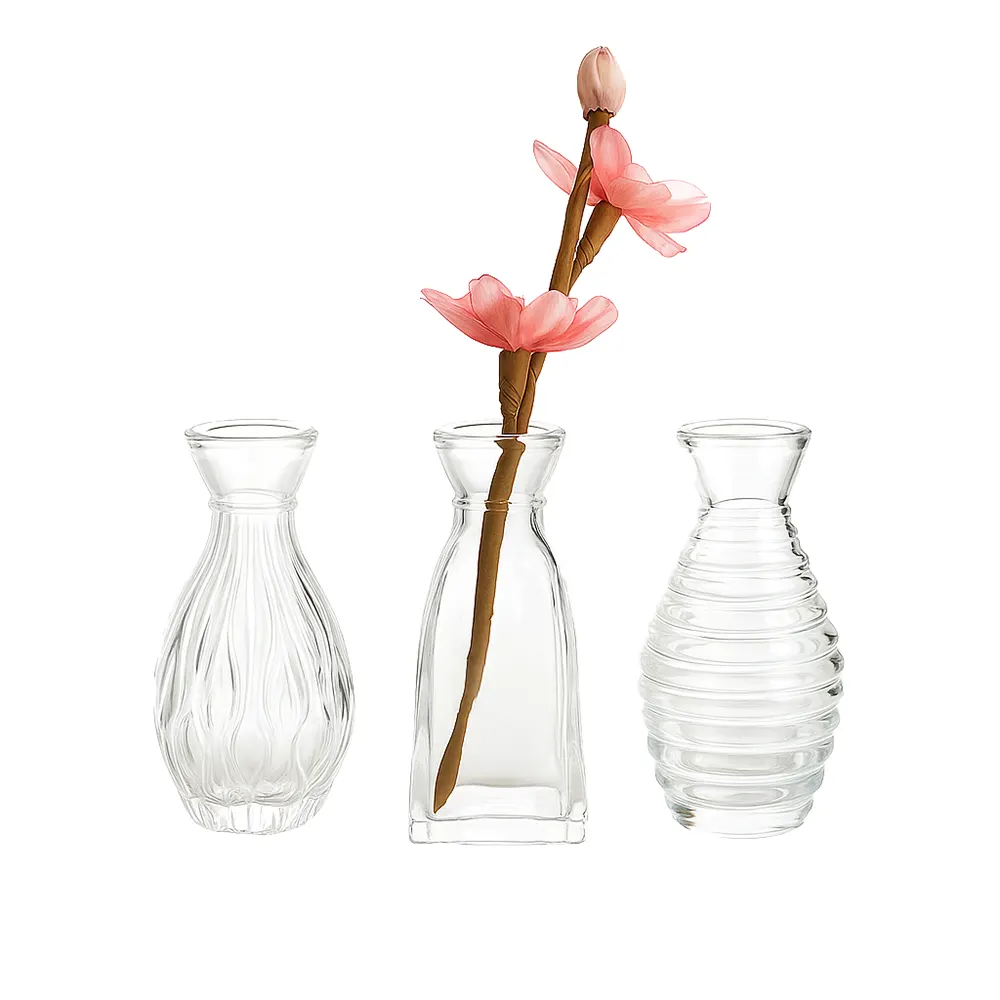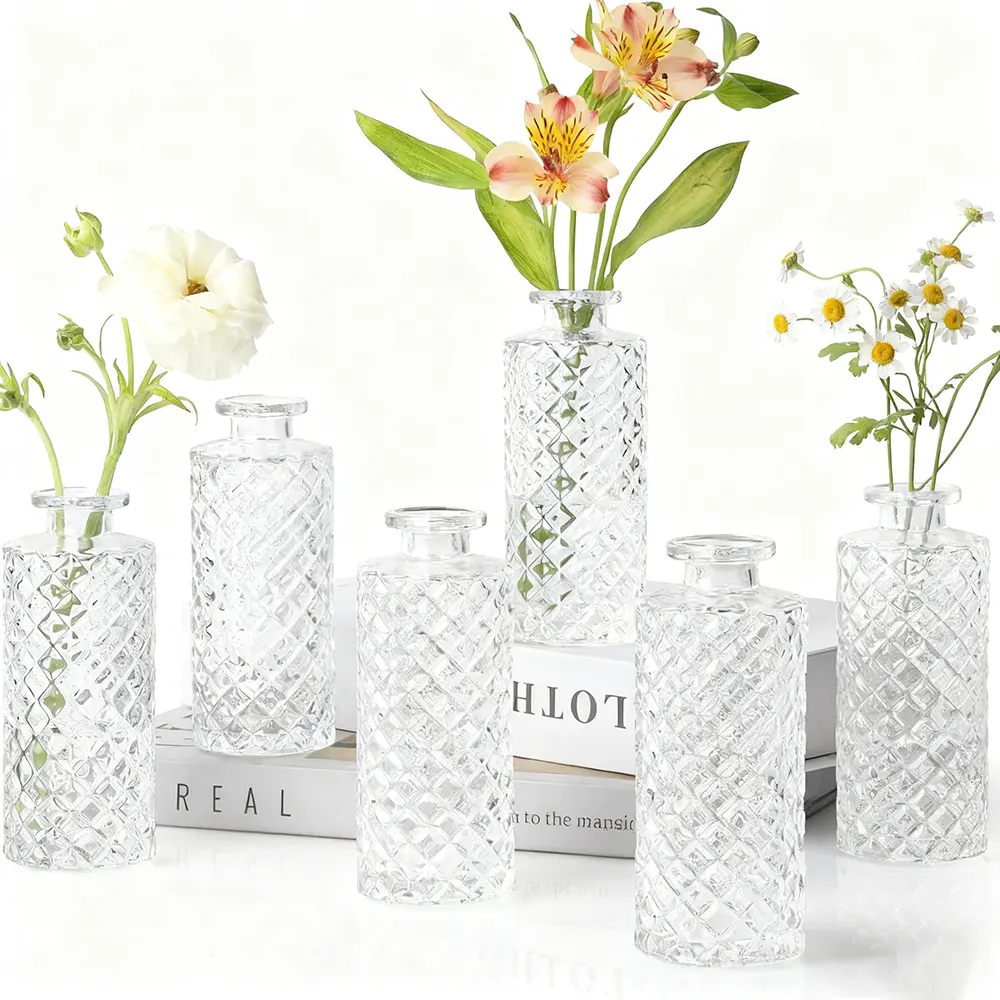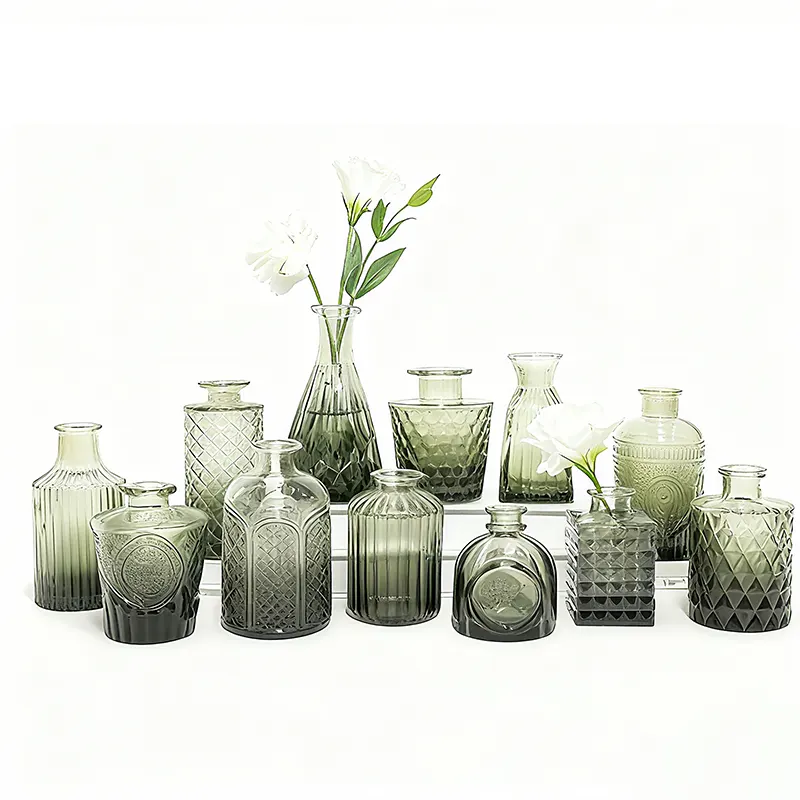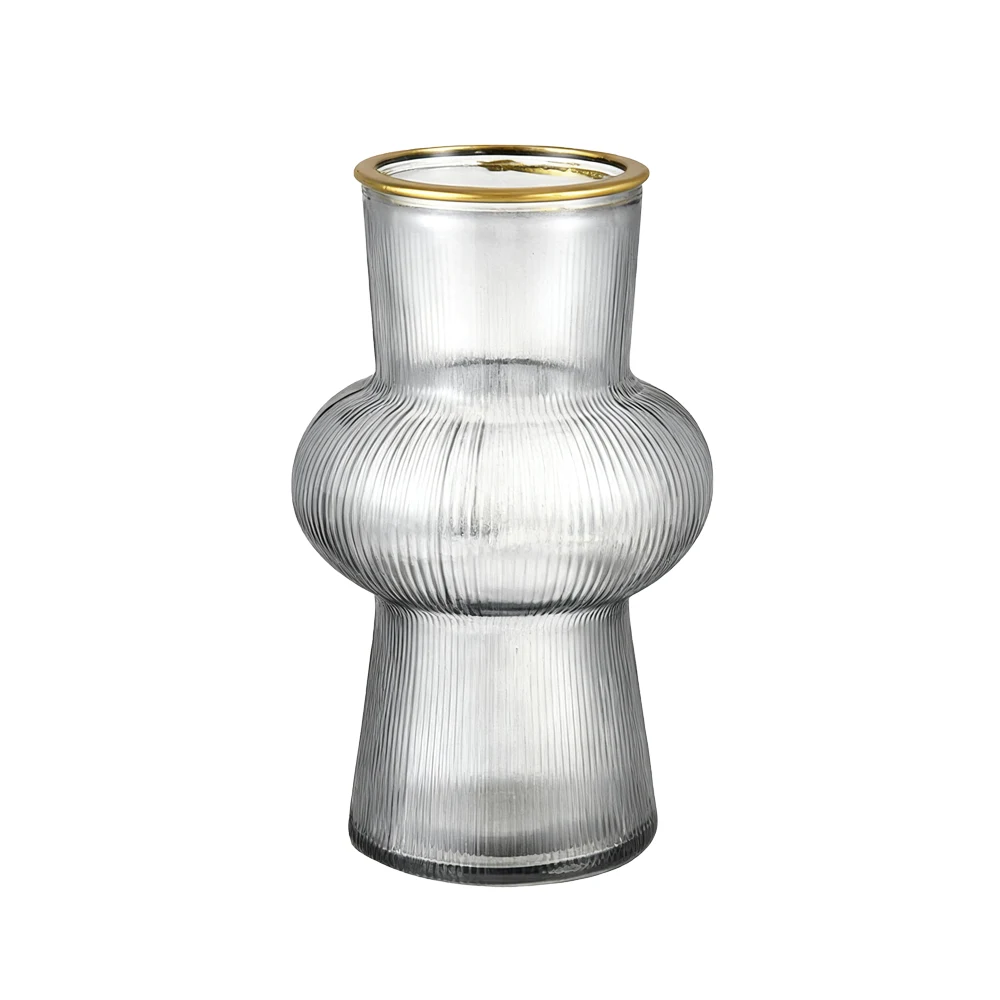
With all the intricacies of the 2026 decor market, the position of a specialized tealight holder factory has changed its traditional value as a production unit to a design partner. Mosteb, one of the leading tealight holder manufacturers, has witnessed a major change in the global procurement approaches in which the aesthetics is now to be harmonized with high sustainability and safety standards. The present report is based on the analysis of the existing situation, and it offers the insights into the dynamics of the region, material science, and manufacturing excellence on the expert level.
1. Regional Market Dynamics
The world demand on ambient lighting solutions is taking a two-pronged demand into regional groupings. These subtleties are also important to a tealight holder factory that wants to maximize its exports in 2026.
1.1. North American Volume and Retail Requirements
Large scale retail chains and e-commerce aggregators dominate the market in North America. It is more inclined towards Minimalist Brutalism, namely, clean lines, matte finishes, and stackable designs that allow shipping quickly. The buying power is very robust, but the consumer is becoming more price sensitive on the so-called disposable decor. There is therefore an influx of multi pack sets with high perceived value in factories. Mosteb has found that the North American consumers are focusing on transitional items which can be taken outside the patio in summer and be taken indoors during the fall.
1.2. European Bespoke and Luxury Preferences
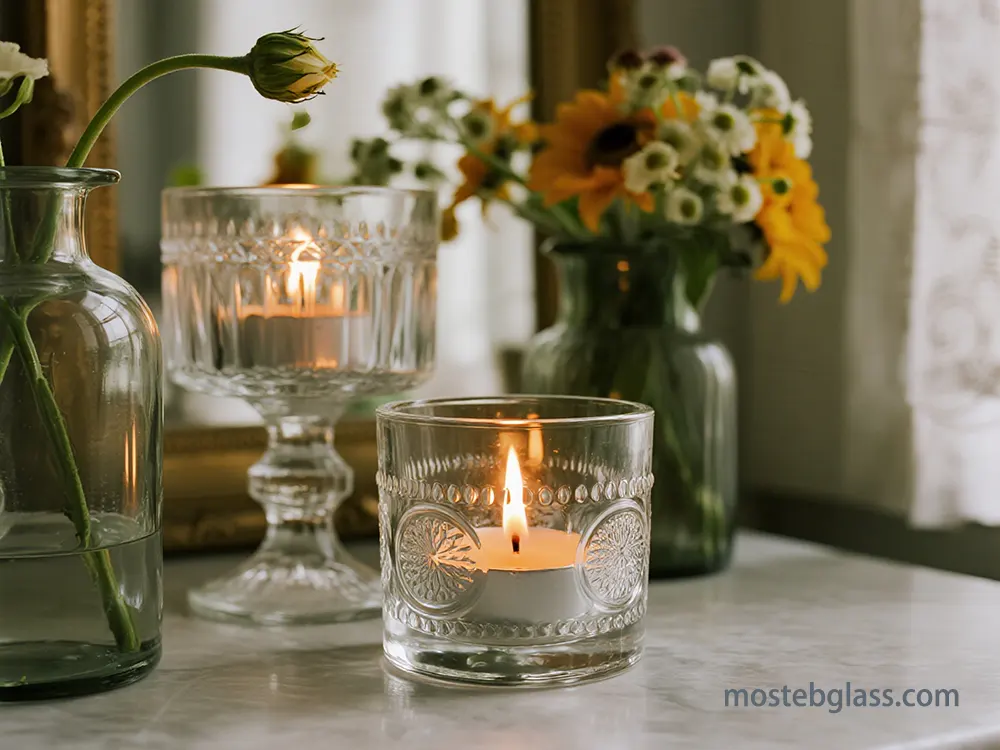
The European market, especially the DAC (Germany, Austria, Switzerland) and Scandinavia, are shifting to the Quiet Luxury. In this case, the volume is smaller than that of North America, although the margins are better. Customers require craftsmen touches – hammered textures, mouth- blown glass and differentiating the glaze. The importance of the story behind the product is overemphasized. A tealight holder factory that will cater to this area should show high standards of work and accountability in terms of labour work.
1.3. MENA Region and Large-Scale Event Demand
The Middle East and North Africa (MENA) region is still leading the trend of the Maximalist. As the luxury hospitality field in Saudi Arabia and the UAE is growing, tea lights, over-sized tealight holders, and floor standing lanterns are in high demand in mass quantities. They are usually characterized by highly geometric design which creates complicated shadows, which can accommodate the desire of the culture to have dramatic evening lighting. In the case of a tealight holder factory, this would need specific CNC laser-cutting skills and electroplating of high quality to offer the product durability in dry climate.
2. Material Evolution and Sustainability at a Tealight Holder Factory
The 2026 order books indicate a paradigm change in material science. A shift in the use of the traditional powder-coated metals to the use of environmental friendly ones is no longer a choice a competitive tealight holder factory must make.
2.1. The Rise of Bio-Composites and Recycled Glass
The main source of innovation in Mosteb is sustainability. The application of bio-composites, including mcelium-based housings and hybrids of algae resins, is growing by 40% each year. These substances provide a special, naturalistic look that is attractive to the environmentally conscious consumer. Moreover, recycled glass crackle has become the norm. With the use of post-consumer glass cullet, a tealight holder factory can save up to 30 percent of energy in the melting process, with a refractive quality of high end to the finished product.
2.2. Advanced Metalwork and Powder Coating Innovations
Despite the emergence of bio-materials, the industry is based on metal. It has however focused on Low-VOC (Volatile Organic Compound) powder coating and PVD (Physical Vapor Deposition) finishes. Mosteb is using PVD coating specifically to make the iridescent effects and iridescent oil-slick looks which has proven to be much more durable and greener than the traditional electroplating. This technology can be used to make a tealight holder factory produce metallic finishes which do not peel or tarnish even when subjected to high thermal stress.
2.3. Mosteb’s Integration of Circular Economy Principles
Mosteb, being a progressive manufacturer of tealights, has adopted closed-loop system of manufacturing. This is through recovering metal scraps upon stamping process and remelting them in smaller components. With the inclusion of circular economy ideas, we would not only cut down on waste, but also curb the effects of varying costs of raw materials. This competitive strategy would make our partners have consistent pricing irrespective of the economic unpredictability in the global arena.
3. Seasonal Design and Aesthetic Trends
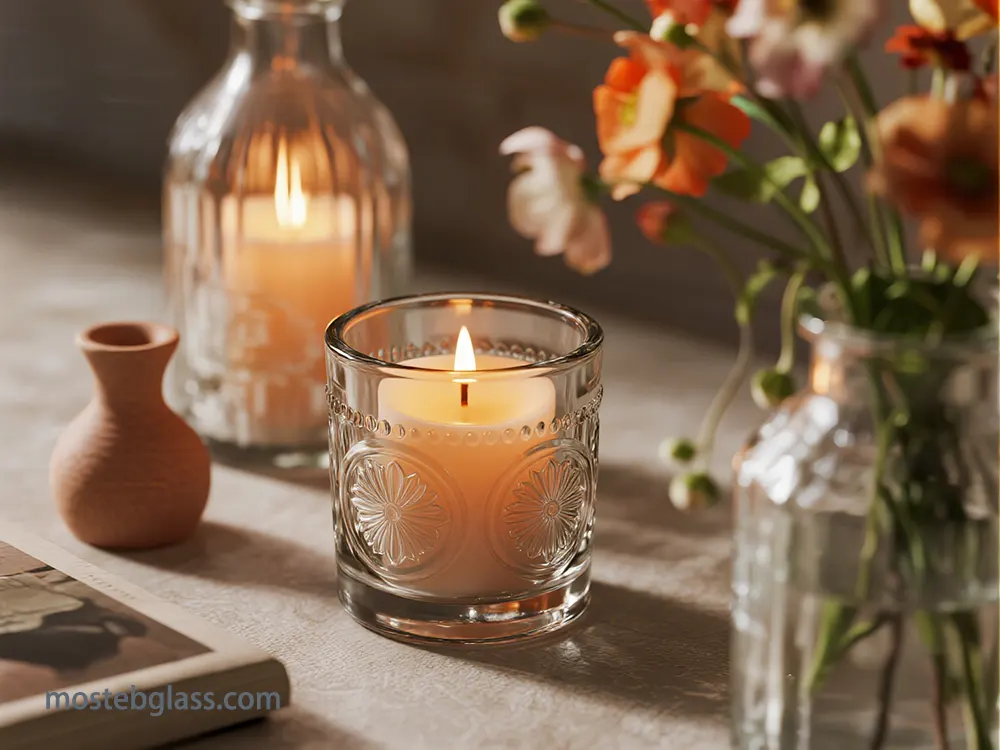
The design periods in the year 2026 will be marked by a combination of both Digital Lavender colors and Earthbound Terracotta finishes. A tealight holder factory needs to be quick enough to switch between these aesthetics.
3.1. 2026 Wedding Circuit: Minimalist Brutalism
The wedding business is no longer shabby chic but is more of a structured architectural look. The designs of the tealight holders in 2026 wedding season include heavy bases, rough textures of concrete and smoked glass cylinders. These works are meant to be placed in heights of difference groups such that they form a cityscape effect on tablescapes. Mosteb has streamlined its production lines to take such heavier more composite materials without reducing the accuracy of the candle-well dimensions.
3.2. Q4 Holiday Peak: Metallic Textures and Warm Tones
The trend in the case of Q4 holiday peak is Reflective Warmth. It includes the usage of interior metallic foils, gold, copper, and rose gold, which enhance flicker of the tealight. Matte ceramic deep forest greens and midnight blues are also in vogue, externally. The tealight holder factory should learn to perfect the technique of the so-called dual-finish, as the inside and outside of the holder should have a sharp, luxurious contrast.
3.3. Organic Geometry and Kinetic Light Play
It is beginning to shift to Kinetic Design, in which the tealight holder itself is in motion. This is done by perforated patterns that apply mathematical series (such as the Fibonacci spiral) to project light. As the candle wavers, the shadows dance on the room. Such detailing necessitates a tealight holder factory to work with 5-axis laser cutting, which is a specialized skill that Mosteb has perfected in line with the 2026 collection.
4. Sourcing Landscapes and Factory Hubs
Production is becoming globalized. The specialization of each region is increasing in spite of the fact that the traditional hubs are still relevant.
4.1. Lead Time Optimization and Supply Chain Resilience
Lead times are a KPI that is crucial in 2026. The standard tealight holder factory has stabilized their average lead time at 45-60 days, yet, a new requirement has now been introduced that is named Fast-Track sampling. Through 3D printing, Mosteb can then develop a concept sketch to a physical sample of a product within less than 72 hours through the rapid prototyping process. This flexibility is critical to retailers who should be able to react to viral trends in social media in real time.
4.2. Strategic Advantages of the Mosteb Manufacturing Model
Mosteb model is concerned with Vertical Integration. We are able to remove the middleman markup by integrating the entire process of sourcing the raw materials all the way up to the final packaging so as to assure uniform quality. In our tealight holder factory, we have in-house testing laboratories that recreate the conditions of years of operation, and therefore, the structural integrity of the holder is not affected by hundreds of burn cycles.
| Material Type | Heat Resistance | Sustainability Score | Cost Index (1-10) | Best Use Case |
|---|---|---|---|---|
| Borosilicate Glass | Excellent | High (Recyclable) | 7 | Luxury Retail |
| Bio-Composite | Moderate | Very High | 8 | Eco-Boutiques |
| Powder-Coated Steel | High | Medium | 4 | Mass Market |
| High-Fire Ceramic | Excellent | High | 6 | Event Decor |
5. Safety Standards and Regulatory Compliance
The tealight holder factory industry is based upon safety. This has made compliance a major barrier to entry of low quality producers as global regulations increase.
5.1. Fire-Retardant Certifications and Thermal Stress Testing
All products coming out of a tealight holder factory have to be put through serious testing of thermal stress. This is by use of burning a high-output tealight taken to last 4 or more hours so that the surface of the holder does not get hot to be unsafe (usually 65degC of tealight is touchable). Infrared thermography is our technique at Mosteb, used to map the distribution of heat, so that there are no hot spots that might cause the breakage of the glass or other surface damages.
5.2. International Import Protocols and REACH Compliance
In the case of the European market, the compliance of REACH (Registration, Evaluation, Authorisation, and Restriction of Chemicals) is obligatory. This guarantees that there are no lead, cadmium or phthalates in the glazes or the coats. A tealight holder producer will have to submit written batch testing to clear customs. Mosteb has a modern database of any chemical input, which offers our clients the so-called Passport of Compliance that would allow them to trade freely across the border.
5.3. Quality Assurance at the Factory Level
The quality management of a tealight holder factory cannot be a one-time task. Our inspection procedure is a Three-Stage Inspection plan:
- Raw Material Inspection: Checking of the purity of alloy metals and moisture in clays.
- In-Process Monitoring: The inspection of structural deformities at the cooling or drying stage.
- Post-Production Stress Test: Drop testing and extended heat conditions-Random.
To sum it up, the market of 2026 needs a technologically developed, environmentally conscious, and aesthetically proficient factory of tealight holders. Mosteb has lead the industry in foreseeing such changes and giving our partners beautiful products which are also produced according to the best standards in the globe. Whether you are procuring a boutique label or an international retail chain, these manufacturing standards are the clue to the successful launch of the product.